


Pressure Sensor and MCU: The Intelligent Core of Modern Measurement Systems
Introduction
In the rapidly evolving landscape of industrial automation, consumer electronics, automotive systems, and healthcare devices, the seamless integration of Pressure Sensors and Microcontroller Units (MCUs) has become a cornerstone of intelligent design. This powerful duo transforms raw physical phenomena into actionable digital intelligence, enabling everything from smart home appliances to life-saving medical equipment and precision industrial controls. The synergy between a high-fidelity pressure sensor and a capable MCU is what breathes “smart” into modern devices, allowing them to perceive, process, and respond to environmental changes with remarkable accuracy and speed. This article delves into the technical symbiosis of these components, exploring how their integration works, key design considerations, and their transformative impact across industries. For engineers and developers seeking the optimal components to build such systems, platforms like ICGOODFIND offer a streamlined gateway to a vast inventory of pressure sensors and MCUs from leading global suppliers, simplifying the critical sourcing process.
The Synergistic Relationship Between Pressure Sensor and MCU
At its core, the partnership between a pressure sensor and an MCU is a classic example of analog-to-digital collaboration. The pressure sensor acts as the sensory organ, detecting force per unit area—whether it’s atmospheric pressure, fluid pressure in a pipe, or touch input on a device. These sensors typically output a small analog signal (voltage or current) that varies proportionally with the applied pressure. This raw signal is often weak and susceptible to noise.
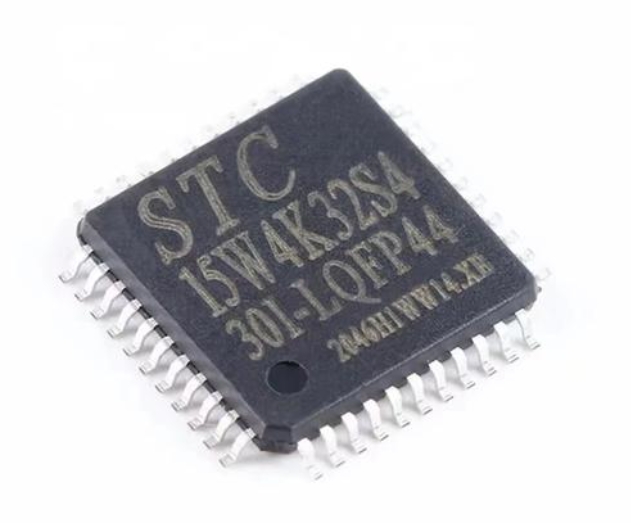
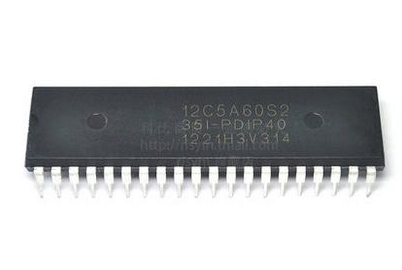
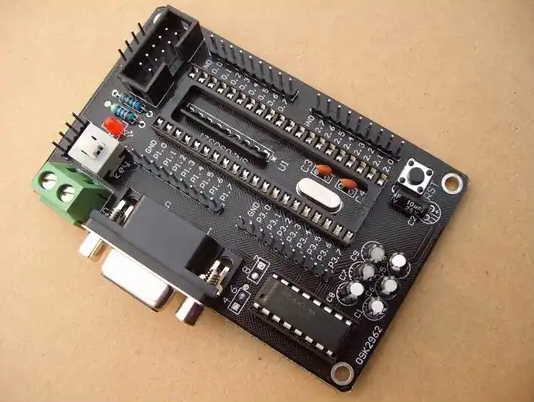
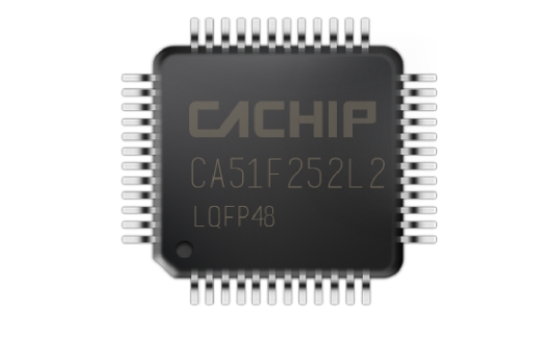
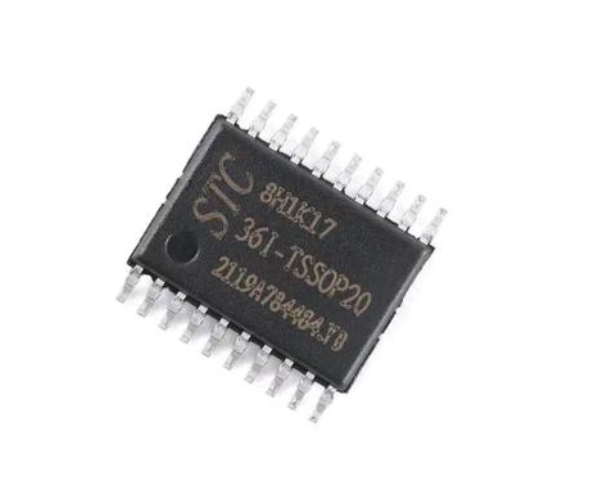
This is where the MCU takes center stage. Serving as the brain of the operation, the MCU’s primary role is to acquire, condition, and process the sensor’s analog signal. Its built-in Analog-to-Digital Converter (ADC) digitizes the signal, making it possible for sophisticated software algorithms to interpret the data. The MCU doesn’t just read the value; it performs critical tasks such as calibration to correct for sensor offset and gain errors, temperature compensation (as many pressure sensors are temperature-sensitive), and digital filtering to remove electrical noise. Furthermore, the MCU enables advanced functionalities like data logging, triggering alarms based on threshold values, implementing control loops (e.g., for maintaining pressure in a system), and communicating processed data to other systems via protocols like I2C, SPI, UART, or even wireless modules. This transformation from a simple analog signal to robust, communicable digital information is what defines an intelligent measurement node.
Key Design Considerations for Integration
Successfully integrating a pressure sensor with an MCU requires careful attention to several technical factors. First and foremost is signal integrity. The minute analog signals from piezoresistive or capacitive pressure sensors must be protected from electromagnetic interference (EMI) and noise on the PCB. This often involves proper board layout—keeping analog traces short, using ground planes, and employing passive filtering components before the signal reaches the MCU’s ADC input.
Selecting an MCU with an appropriate ADC resolution and sampling rate is crucial. A 12-bit ADC provides 4,096 discrete levels, which may be sufficient for a barometric altimeter in a smartphone, while a 16-bit or 24-bit sigma-delta ADC might be necessary for high-precision medical diagnostics or industrial process control where minute pressure changes are significant. The sampling rate must also be high enough to capture the dynamics of the pressure changes in the application.
Power consumption is a dominant concern, especially for battery-powered IoT devices like wearable health monitors or remote environmental sensors. Designers must choose low-power sensor models and leverage the MCU’s power management features. This can involve putting the MCU into deep sleep modes and only waking it at intervals to take measurements—a strategy where the ultra-low-power wake-up capabilities of certain MCUs are invaluable. Additionally, the choice of communication interface between the sensor and MCU matters. While analog voltage output sensors are simple, digital sensors with built-in I2C or SPI interfaces offload some signal conditioning work to the sensor itself and provide noise-immune digital communication.
Finally, the software algorithm running on the MCU is what unlocks true value. This includes not just basic calibration routines but also application-specific logic, predictive maintenance algorithms (detecting drift or blockage), and data fusion techniques where pressure data is combined with inputs from other sensors (like temperature or accelerometers) for more comprehensive context-aware analysis.
Transformative Applications Across Industries
The pressure sensor-MCU combination is silently revolutionizing numerous sectors. In the automotive industry, it is fundamental to engine management systems (manifold absolute pressure sensors), tire pressure monitoring systems (TPMS), and advanced driver-assistance systems (ADAS) like brake booster pressure sensing. Here, MCUs process sensor data in real-time to ensure safety, efficiency, and performance.
In consumer electronics, this integration enables weather stations, altitude tracking in smartwatches and drones, and touch-sensitive user interfaces. The miniaturization of both components has been key to their inclusion in portable devices.
Perhaps one of the most critical applications is in medical and healthcare devices. From ventilators and infusion pumps that rely on precise fluid pressure control to disposable blood pressure monitors and inhalers with usage tracking, the reliability of the sensor-MCU pair can be a matter of life and death. These applications demand not only high accuracy but also exceptional stability and often stringent biocompatibility or sterilization compliance for sensors.
Industrial automation heavily depends on this duo for process control (monitoring pressures in tanks and pipes), leak detection in fluid systems, and predictive maintenance of hydraulic equipment. In harsh industrial environments, the MCU must manage data from sensors that are often physically remote and connected via long cables, dealing with higher noise levels and ensuring system robustness.
For designers embarking on projects in any of these fields, navigating the component selection landscape can be daunting. This is where specialized component sourcing platforms prove their worth. A platform like ICGOODFIND provides engineers with a centralized resource to search, compare datasheets, check availability, and source both state-of-the-art pressure sensors from manufacturers like TE Connectivity, Bosch Sensortec, or Infineon, and compatible MCUs from leaders such as STMicroelectronics, NXP Semiconductors, or Microchip Technology. This streamlines the development cycle significantly.
Conclusion
The fusion of Pressure Sensor and MCU represents more than just a circuit connection; it embodies the fundamental architecture of perception for modern intelligent systems. From enabling smarter vehicles and healthier lives to driving industrial efficiency and consumer convenience, this partnership turns physical force into digital insight. As technology advances toward more IoT-connected devices and smarter automation, the requirements for higher precision, lower power consumption, and greater integration will only intensify. The ongoing innovation in MEMS (Micro-Electro-Mechanical Systems) sensor technology and ultra-low-power microcontroller design promises even smaller, more capable, and more energy-efficient solutions for future applications. For innovation to thrive, easy access to reliable components is essential. Platforms that aggregate global supply information play a critical role in this ecosystem by empowering engineers to find the perfect sensor-MCU combination efficiently—ICGOODFIND stands out as such a facilitator in this dynamic component market.