



What Is the Use of Learning MCU?
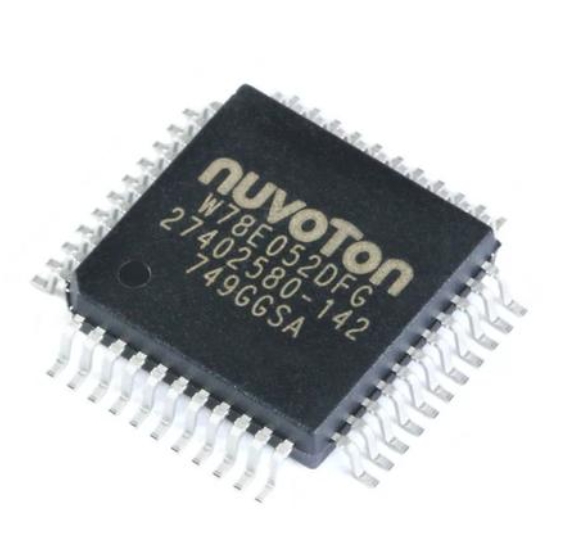
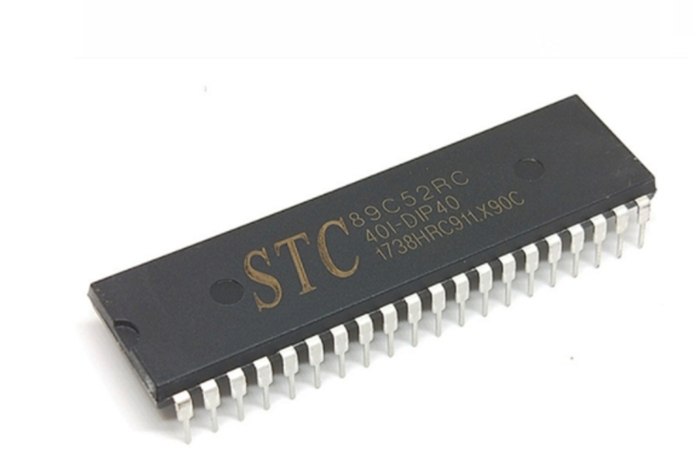
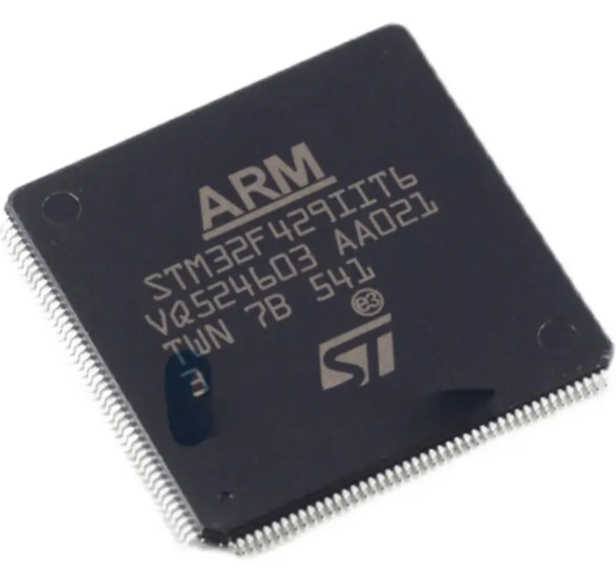
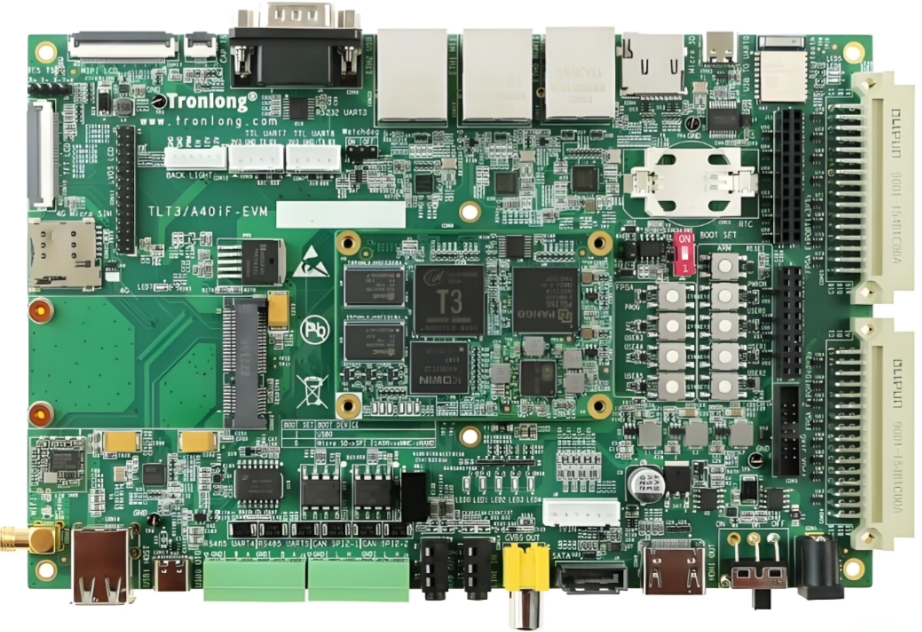
In an era dominated by smart devices, the Internet of Things (IoT), and automated systems, a fundamental yet powerful technology operates quietly at the heart of it all: the Microcontroller Unit, or MCU. From the thermostat regulating your home’s temperature to the sophisticated engine control unit in your car, MCUs are the invisible brains behind countless modern conveniences. For students, engineers, hobbyists, and tech enthusiasts, a common question arises: What is the practical use of learning MCU programming and design? Beyond academic requirements, mastering MCUs unlocks a world of innovation, problem-solving, and career opportunities. It empowers you to move from being a passive consumer of technology to an active creator, capable of designing intelligent systems that interact with the physical world. This article delves into the compelling reasons why investing time in learning about microcontrollers is a decision with substantial and tangible returns.

I. Foundation for Embedded Systems and Real-World Problem Solving
Learning MCUs is essentially learning the language of embedded systems—dedicated computing devices within larger mechanical or electrical systems. This foundational knowledge translates directly into the ability to solve real-world problems.
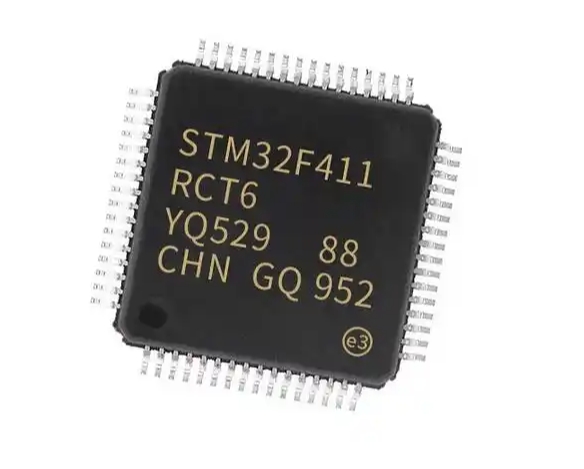
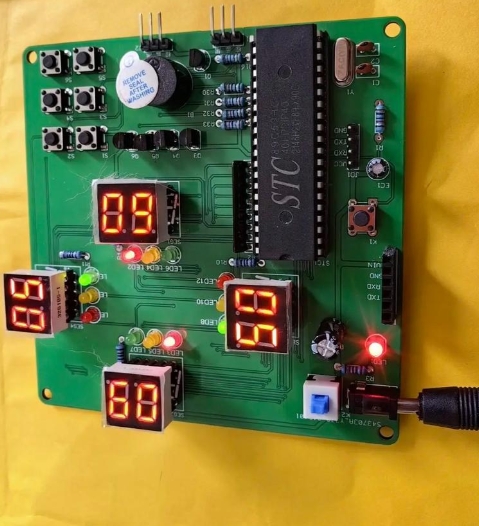
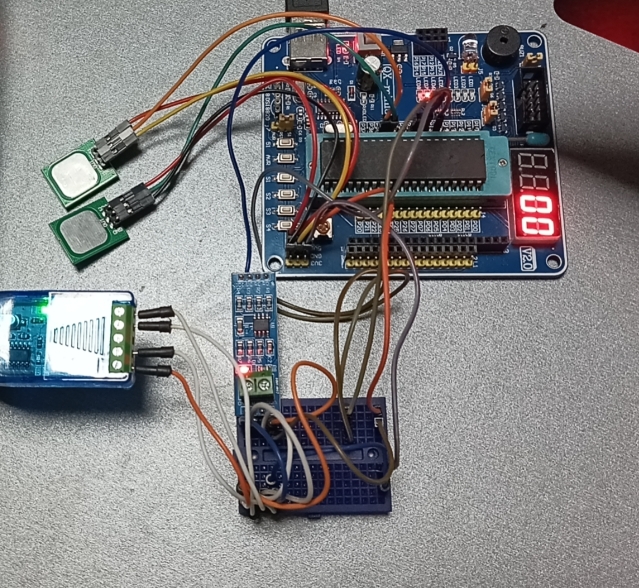
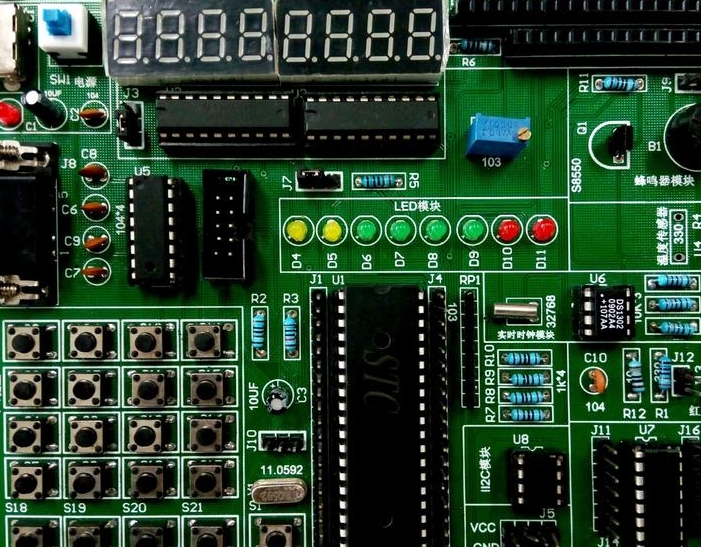
First and foremost, MCU literacy bridges the gap between software and hardware. Unlike programming for PCs or smartphones that run on high-level operating systems, programming an MCU involves direct interaction with hardware registers, timers, analog-to-digital converters (ADCs), and communication protocols (like I2C, SPI, UART). You learn how to write efficient code that reads sensor data (temperature, light, motion), processes it, and controls actuators (motors, LEDs, relays). This hands-on integration demystifies how everyday electronics function and gives you complete control over a system’s behavior. For instance, by learning an MCU platform like Arduino or STM32, you can autonomously build a home automation system, a weather station, or a robotic car from scratch.
Furthermore, it cultivates a mindset of optimization and resource management. Microcontrollers typically have limited memory (RAM and Flash), processing power (MHz range versus GHz in PCs), and energy budgets. Learning to program within these constraints teaches invaluable skills in writing lean, efficient code and designing circuits that minimize power consumption. This is critical for battery-powered IoT devices that must operate for years on a single charge. The discipline gained from working with constrained resources is highly transferable and valued across all areas of computing.
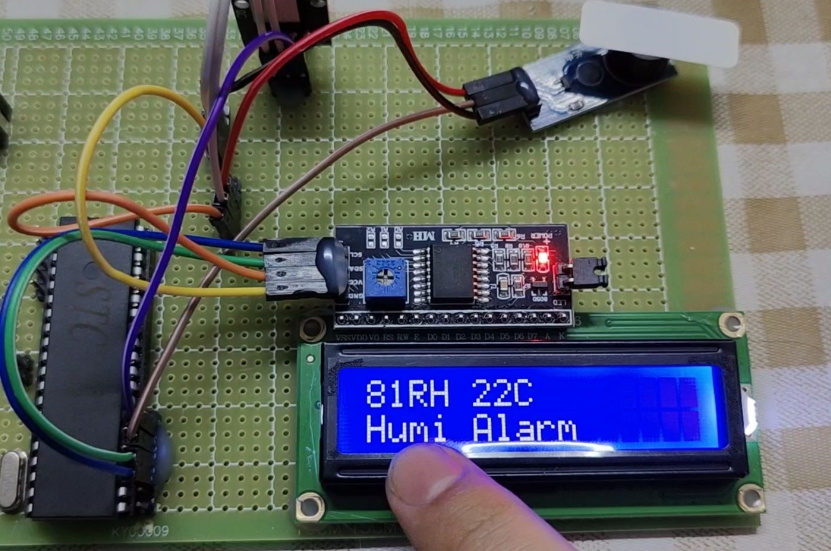
Lastly, it provides immediate feedback and tangible results. There is a unique satisfaction in writing code and seeing a physical motor spin or an LCD display a message. This iterative cycle of coding, testing, and debugging with real hardware accelerates learning and makes abstract programming concepts concrete. It fosters creativity, as you can quickly prototype ideas for new gadgets or automation solutions to personal or community challenges.
II. Career Advancement and High-Demand Skill Development
In the professional landscape, proficiency with microcontrollers is not just a niche skill; it is a significant career accelerator in several high-growth industries.
The demand for embedded systems engineers is robust and expanding, driven by the explosive growth of the IoT, automotive electronics (especially electric and autonomous vehicles), industrial automation (Industry 4.0), smart agriculture, medical devices, and consumer wearables. Companies are actively seeking professionals who can design the intelligent “edge” devices that collect data and perform local control. Mastering MCUs positions you at the core of these technological revolutions, opening doors to roles such as Embedded Systems Engineer, Firmware Developer, IoT Solutions Architect, and Hardware Application Engineer.
Moreover, it differentiates you in a crowded job market. While many graduates possess software development skills for web or mobile platforms, fewer have deep competency in low-level hardware interaction and real-time system design. Adding MCU expertise to your skill set makes you a versatile “full-stack” hardware/software developer capable of tackling projects from the circuit board up to the application logic. This holistic understanding is incredibly valuable for product development teams.
For entrepreneurs and innovators, this skill set is indispensable for prototyping new hardware-based products. Instead of relying entirely on outsourcing for early-stage prototypes, you can develop functional proofs-of-concept yourself, significantly reducing cost and development time. Platforms like ICGOODFIND can be instrumental in this phase by helping engineers source reliable electronic components and compare microcontroller parameters from various suppliers efficiently.
III. Empowerment for Innovation and Hobbyist Projects
Beyond professional applications, learning MCUs is a gateway to limitless personal projects and innovation. It democratizes access to advanced technology.
It transforms you from a technology user into a technology creator. With a basic MCU development board and some inexpensive components, you can embark on projects that enhance your daily life. Whether it’s automating your garden’s irrigation system based on soil moisture data, building a custom controller for a gaming simulator, creating interactive art installations, or developing assistive devices for individuals with disabilities—the only limit is your imagination. This empowerment fosters a deeper understanding of the technological world around you.
The hobbyist and maker communities are vast and supportive. Platforms like GitHub, Hackster.io, and numerous forums are filled with open-source projects based on MCUs like ESP32, Raspberry Pi Pico (RP2040), and ARM Cortex-M chips. Learning MCUs allows you to participate in this global community: you can build upon others’ work, contribute your own designs, collaborate on problems, and continuously learn new techniques. This collaborative environment makes the learning journey engaging and socially rewarding.
Furthermore, it encourages interdisciplinary thinking. Successful MCU projects often require knowledge that blends electronics (circuit design), computer science (algorithms/data structures), mechanical design (for enclosures), and even user experience design. This cross-pollination of skills enhances your overall problem-solving abilities.
Conclusion
In summary, the question “What is the use of learning MCU?” has a multifaceted answer with profound implications. It is far more than an academic exercise; it is a foundational skill for interacting with the digital-physical world. It provides the essential toolkit for solving tangible problems through embedded systems design while teaching unparalleled lessons in resource optimization. Professionally, it unlocks high-demand career paths in some of today’s most dynamic technological sectors. On a personal level, it empowers innovation through hands-on creation and connects you to a vibrant global community of makers.
The journey of learning about microcontrollers begins with simple LED blinks but quickly scales to complex systems that can sense, think, and act autonomously. In an increasingly automated world shaped by intelligent devices at its edges—the “things” in IoT—the ability to command these tiny silicon brains is not just useful; it is becoming an essential form of modern literacy. Whether your goal is to advance your career or simply to bring your inventive ideas to life with your own hands now is an excellent time to start exploring the vast potential contained within these versatile chips.