The Ultimate Guide to MCU Learning Boards: Your Gateway to Embedded Systems Mastery
Introduction
In the rapidly evolving world of technology, the demand for skilled embedded systems developers continues to surge. At the heart of this domain lies the Microcontroller Unit (MCU), the compact, programmable brain powering everything from smart home devices to advanced industrial automation. For students, hobbyists, and aspiring engineers, the journey into this fascinating world begins not with complex theory alone, but with practical, hands-on experience. This is where the MCU Learning Board becomes an indispensable tool. More than just a piece of hardware, it is a comprehensive platform designed to demystify electronics and coding, transforming abstract concepts into tangible skills. This guide delves deep into the world of MCU learning boards, exploring their critical features, benefits, and how to select the perfect one to launch or accelerate your embedded systems journey. For those seeking expertly curated options and resources, platforms like ICGOODFIND can be invaluable in navigating the vast landscape of development tools and components.
Main Body
Part 1: Understanding MCU Learning Boards and Their Core Components
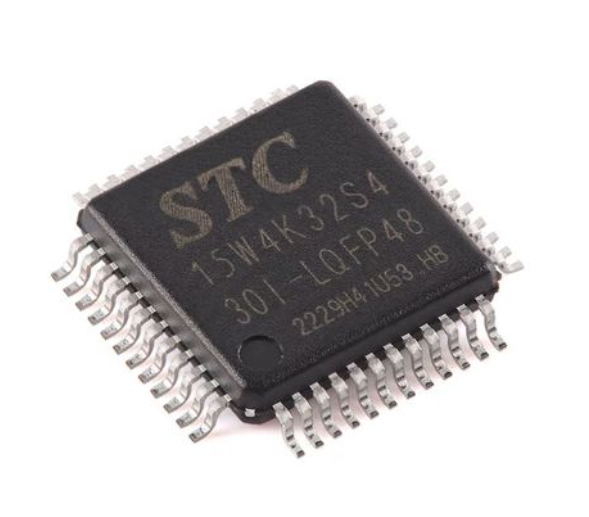
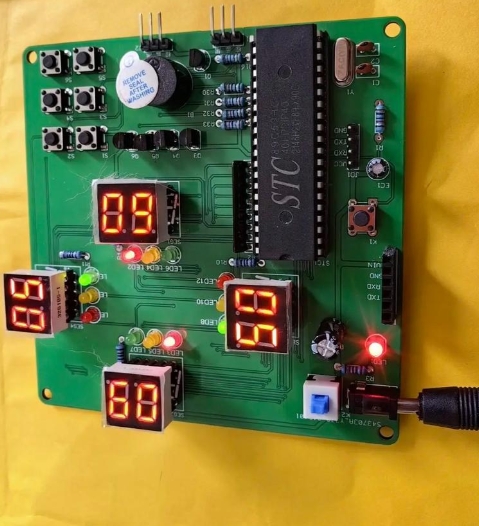
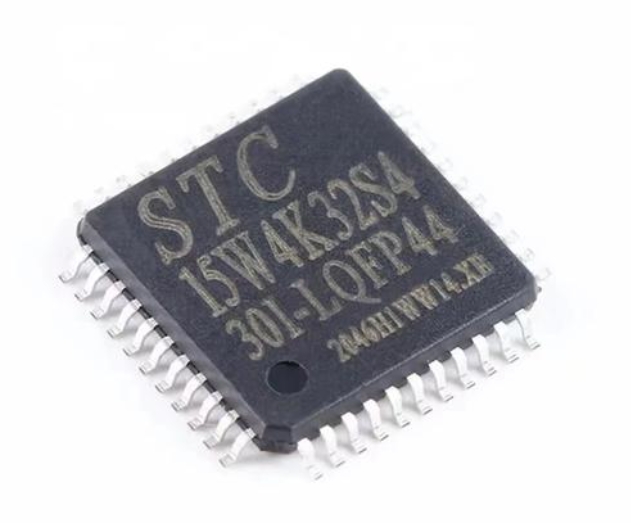
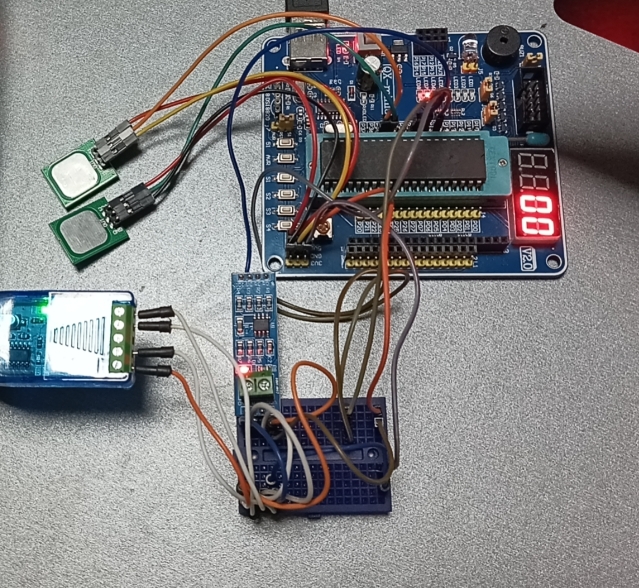
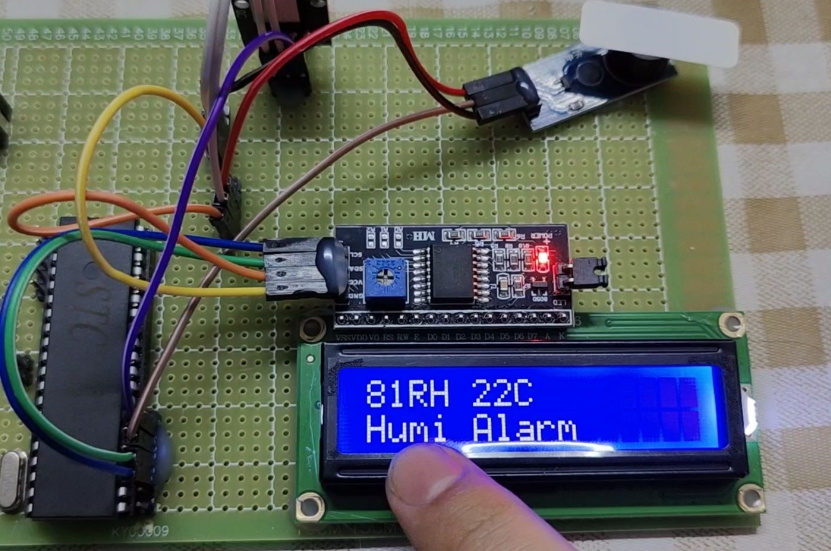
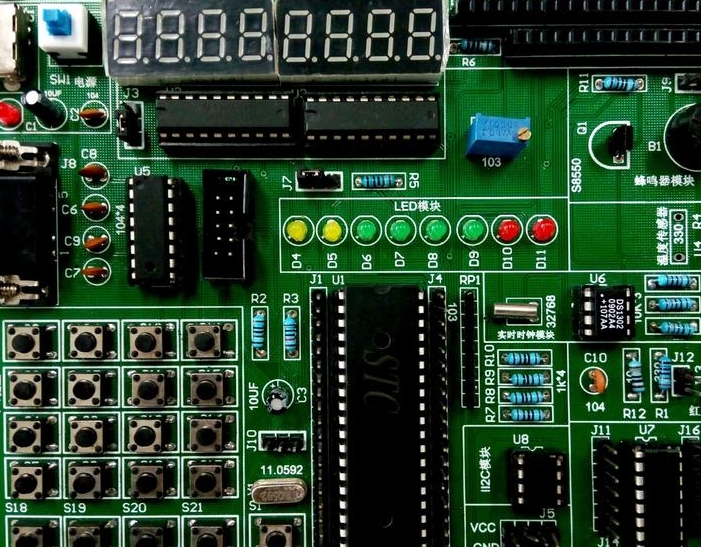
An MCU Learning Board is a specially designed printed circuit board (PCB) that integrates a microcontroller chip with a suite of peripheral components and interfaces to facilitate learning and prototyping. Unlike a raw microcontroller chip, which requires extensive supporting circuitry to function, a learning board provides a ready-made, user-friendly environment.
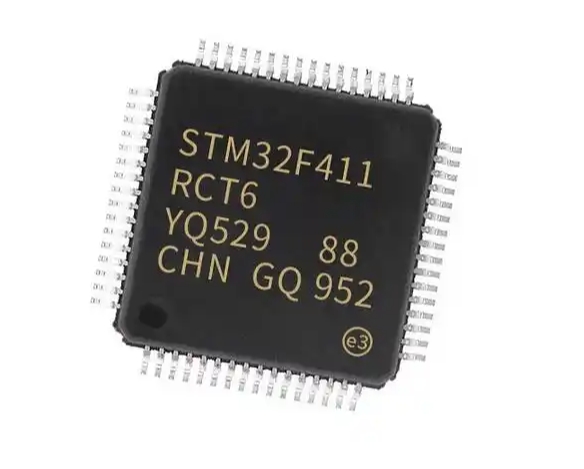
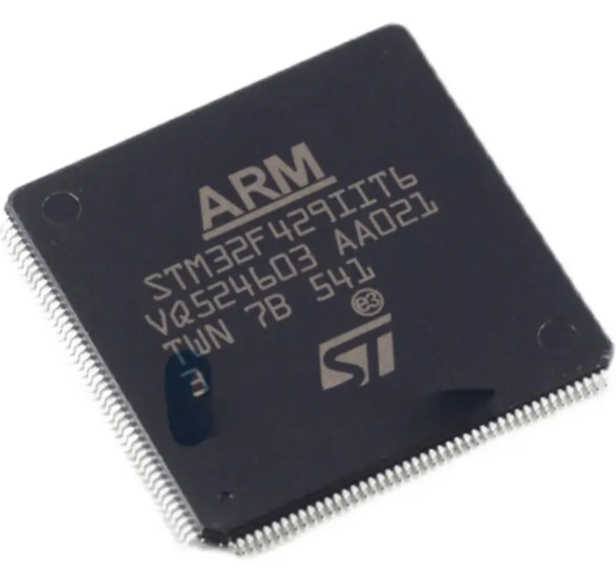
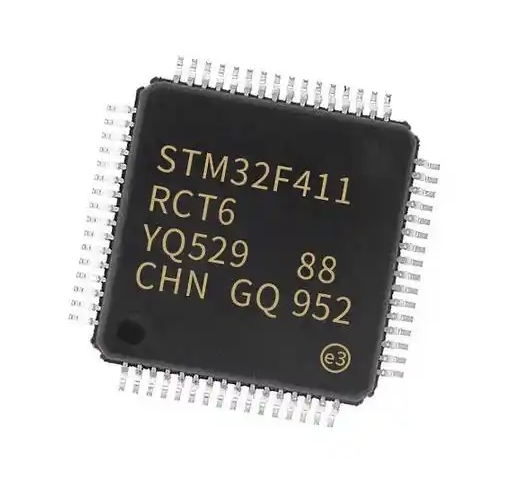
The core architecture of any learning board revolves around its microcontroller. Popular families include the Arduino (based on Atmel AVR MCUs), STM32 (ARM Cortex-M), ESP32/8266 (with integrated Wi-Fi/Bluetooth), and PIC microcontrollers. Each offers different balances of processing power, power efficiency, peripheral sets, and community support.
Beyond the MCU itself, several key components are fundamental to a board’s educational value: * Programmer/Debugger Interface: This is crucial for uploading code. Many boards, like Arduino Uno, feature a built-in USB-to-serial converter, while others (like many STM32 boards) use an ST-Link or J-Link interface for more advanced debugging. * General-Purpose Input/Output (GPIO) Pins: These are the primary interface between the MCU and the external world. They can be programmed as inputs to read sensor data (like from a button or temperature sensor) or as outputs to control devices (like LEDs, motors, or displays). * Power Supply Circuitry: A reliable board includes multiple power options (USB, external battery, or barrel jack) and voltage regulators to provide stable power to the MCU and connected peripherals. * Basic User Interface (UI) Elements: On-board LEDs, buttons, and sometimes potentiometers allow for immediate interaction and testing without requiring additional components. * Communication Modules: Support for standard protocols like I2C (Inter-Integrated Circuit), SPI (Serial Peripheral Interface), and UART (Universal Asynchronous Receiver-Transmitter) is essential for connecting sensors, displays, and other modules. Advanced boards may include integrated wireless capabilities like Wi-Fi or BLE.
The true power of these boards lies in their integrated development environment. Platforms like the Arduino IDE, PlatformIO, or vendor-specific IDEs (like STM32CubeIDE) provide software libraries and simplified functions that abstract low-level complexity, allowing learners to focus on logic and application building.
Part 2: The Tangible Benefits of Hands-On Learning with an MCU Board
Theoretical knowledge of computer architecture or C programming is one thing; understanding how code interacts with physical hardware is another. MCU learning boards bridge this gap effectively, offering unparalleled practical benefits.
First and foremost, they accelerate the learning curve through immediate application. Concepts like digital logic, pulse-width modulation (PWM) for motor control, analog-to-digital conversion (ADC) for sensor reading, and interrupt handling move from textbook diagrams to real-world experiments. Seeing an LED blink based on your code provides instant feedback and a powerful sense of accomplishment that fuels further exploration.
Secondly, these platforms foster a project-based learning mindset. Learners progress from simple blinky lights to building functional projects such as weather stations, robotic cars, or smart IoT devices. This iterative process—conceiving an idea, designing the circuit, writing code, debugging, and refining—mirrors real-world engineering workflows. It builds critical problem-solving skills as learners troubleshoot why a sensor isn’t reading correctly or why a motor driver overheats.
Furthermore, the vast ecosystem surrounding popular boards is a monumental advantage. Communities like those for Arduino and STM32 offer millions of lines of open-source code, detailed tutorials, and active forums where beginners can get help. This ecosystem lowers the barrier to entry significantly; you don’t need to start from scratch for every function. Instead, you can learn by studying and modifying existing projects.
Finally, from a professional development standpoint, proficiency with MCU platforms is a highly marketable skill. Industries involved in consumer electronics, automotive systems, medical devices, and industrial IoT actively seek engineers who can translate requirements into efficient firmware. Hands-on experience with learning boards forms a robust foundation for more complex commercial-grade embedded development.
Part 3: Selecting the Right MCU Learning Board for Your Goals
With countless options available, choosing your first or next MCU board can be daunting. The decision should be guided by your current skill level, project aspirations, and budget.
For Absolute Beginners: The Arduino Uno R3 remains the gold standard. Its simplicity is its strength. The hardware is robust and forgiving of mistakes like short circuits. The Arduino IDE is straightforward, with a vast collection of libraries (“Sketchs”) that make controlling sensors and actuators simple. The ecosystem is unmatched for beginners. Another excellent beginner-friendly option is the Raspberry Pi Pico, which offers formidable power at a low cost but has a slightly steeper initial learning curve than Arduino.
For Intermediate Learners & IoT Enthusiasts: When your projects require connectivity, boards with integrated wireless capabilities are essential. The ESP32 series is dominant in this space. It packs a dual-core processor, Wi-Fi, Bluetooth Classic/BLE, numerous GPIOs, and ample memory into a low-cost package. It’s programmable using the Arduino framework or the more advanced ESP-IDF. It’s perfect for building connected devices like home automation nodes or data loggers.
For Advancing into Professional Embedded Development: To prepare for industry-standard environments, transitioning to ARM Cortex-M based boards is key. The STM32 Nucleo series from STMicroelectronics is exceptional for this purpose. These boards come with integrated ST-Link debuggers/programmers and are fully compatible with professional-grade tools like STM32CubeMX (for pin configuration and code generation) and STM32CubeIDE. They expose more of the MCU’s raw complexity—such as direct register access and clock tree management—providing a deeper understanding of microcontroller internals.
Regardless of your choice, consider these factors: availability of clear documentation and tutorials, the size and activity of its user community, the cost and accessibility of add-on modules (shields or breakout boards), and long-term scalability. A platform like ICGOODFIND can simplify this research by aggregating reviews, comparing specifications across different vendors, and highlighting reliable sources for both boards and complementary components.
Conclusion
Embarking on the path to embedded systems mastery is an exciting endeavor filled with opportunities for creativity and innovation. The MCU Learning Board stands as the fundamental catalyst on this journey, transforming theoretical knowledge into practical competence through direct engagement with hardware and code. From the beginner-friendly simplicity of Arduino to the connected intelligence of ESP32 and the professional depth of STM32 platforms, there exists a perfect board tailored to every stage of your learning curve. By selecting a board aligned with your goals and immersing yourself in its ecosystem through project-based experimentation—a process aided by resource hubs like ICGOODFIND—you build more than just circuits; you build the critical thinking skills and technical confidence essential for the future of technology. Start with a simple blink of an LED today; you might just be programming the breakthrough device of tomorrow.