Recommended MCU Textbooks: A Comprehensive Guide for Students and Engineers
Introduction
In the rapidly evolving world of embedded systems and electronics, the Microcontroller Unit (MCU) stands as a fundamental building block. From smart home devices and wearable technology to industrial automation and automotive systems, MCUs are the silent, intelligent cores powering innovation. For students embarking on a career in electrical engineering, computer engineering, or robotics, and for practicing engineers looking to deepen their expertise, selecting the right learning resources is crucial. A well-chosen textbook can demystify complex architectures, provide clear programming examples, and build a strong theoretical foundation that transcends any single chip vendor. This article curates a selection of highly recommended MCU textbooks, categorized to guide learners from foundational principles to advanced applications. Whether you are starting with the ubiquitous 8-bit AVR or diving into the powerful 32-bit ARM Cortex-M realm, these books will serve as invaluable companions on your technical journey. For those seeking to source components or development kits referenced in these texts, platforms like ICGOODFIND offer a streamlined component search and procurement experience, connecting engineers with reliable suppliers worldwide.
Main Body
Part 1: Foundational Texts for Beginners and Core Concepts
The journey into microcontrollers must begin with a solid grasp of digital logic, C programming, and fundamental hardware interfacing. The following textbooks are celebrated for their clarity and hands-on approach.
-
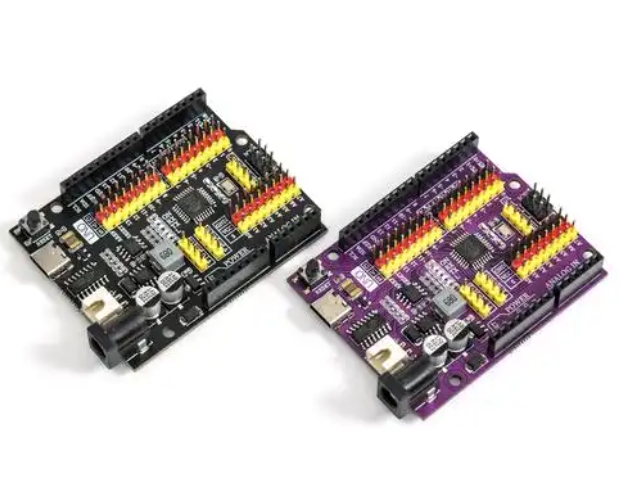
“Make: AVR Programming” by Elliot Williams: This book is a masterpiece for absolute beginners. It takes a “learning by doing” approach, focusing on Atmel’s AVR family (like the ATmega328P found in Arduino Uno). Instead of getting bogged down in theory initially, it gets you blinking LEDs and reading switches quickly. Williams expertly weaves in essential C concepts as they are needed for practical projects. The book’s strength lies in its ability to build confidence and demonstrate how to directly talk to the hardware’s registers, providing a deeper understanding than higher-level abstraction layers often do. It’s the perfect bridge from Arduino-style coding to bare-metal MCU development.
-
“The Definitive Guide to ARM® Cortex®-M0 and Cortex-M0+ Processors” by Joseph Yiu: For those aiming straight for the modern 32-bit world, Joseph Yiu’s work is unparalleled. As a senior engineer at ARM, Yiu provides an authoritative yet accessible deep dive into the immensely popular Cortex-M0/M0+ cores. This book meticulously explains the processor architecture, instruction set, memory model, and exception handling. It serves as both an excellent textbook for students and an essential reference for professionals. Understanding these foundational concepts is critical before writing efficient code for any ARM Cortex-M based MCU from vendors like STMicroelectronics, NXP, or Microchip.
-
“Embedded C Programming and the Microchip PIC” by Barnett, Cox, and O’Cull: A classic in the field, this book focuses on the PIC microcontroller family from Microchip Technology. It is renowned for its rigorous approach to teaching C programming specifically in the constrained environment of an embedded MCU. It covers topics often glossed over in generic C books, such as memory organization, bit manipulation, and interrupt latency. The text builds a disciplined programming methodology that is applicable far beyond the PIC ecosystem, making it a highly recommended resource for building professional-grade coding habits.
Part 2: Intermediate to Advanced: Real-World Application and System Design
Once the basics are mastered, the next step involves integrating peripherals, implementing real-time operating systems (RTOS), and designing robust systems.
-
“Designing Embedded Hardware” by John Catsoulis: This exceptional book broadens the perspective from just the MCU to the entire embedded system. Catsoulis covers how to design the hardware that surrounds a microcontroller—including memory interfaces, power supply considerations, sensor interfacing (both digital and analog), and communication buses like I2C and SPI. It provides crucial knowledge for engineers who need to understand the full hardware-software stack. Reading this alongside a pure programming text ensures you can not only code for an MCU but also design or debug the board it sits on.
-
“Mastering STM32” by Carmine Noviello: For engineers committed to the STM32 family (based on ARM Cortex-M cores), this is a modern must-have. It offers a comprehensive guide from setting up the development environment (using free tools like STM32CubeIDE) to leveraging advanced peripherals like timers, ADCs, and communication interfaces (USART, USB, Ethernet). Noviello does an excellent job of explaining both the HAL (Hardware Abstraction Layer) library and lower-layer register access. The book is project-oriented and updated regularly, aligning with ST’s constantly evolving ecosystem. It effectively translates theoretical ARM knowledge into practical implementation on a specific platform.
-
“Real-Time Concepts for Embedded Systems” by Qing Li and Caroline Yao: Before diving into a specific RTOS like FreeRTOS or Zephyr, understanding the core concepts is vital. This book is a brilliant introduction to the theory and practice of real-time programming. It clearly explains tasks, scheduling algorithms (priority-based, round-robin), inter-task communication (queues, semaphores), memory management, and synchronization issues in a multi-tasking environment. This foundational knowledge allows you to use any RTOS effectively and is critical for developing responsive and reliable embedded systems.
Part 3: Reference Manuals and Vendor-Specific Resources
While traditional textbooks provide structured learning, official documentation remains an engineer’s most critical tool.
-
MCU Datasheets and Reference Manuals: No textbook can replace the official documentation from the silicon vendor. The Datasheet contains the electrical characteristics, pinouts, and package information for a specific MCU part number. The Reference Manual (or User Manual) is the exhaustive guide to the MCU’s internal peripherals, registers, and memory map. Learning to navigate these dense documents—to find register bit definitions or sequence operations correctly—is a non-negotiable skill for professional embedded work. They are the ultimate source of truth.
-
Application Notes (ANs): Vendors like Microchip, STM32, NXP, and TI publish hundreds of application notes. These are short, focused documents that solve specific real-world problems using their MCUs—e.g., “Implementing a Digital PID Controller,” “Low-Power Design Techniques,” or “Secure Boot Implementation.” They are treasure troves of practical wisdom and optimized solutions that complement textbook theory.
-
The Role of Component Platforms: During study and project development, accessing specific MCUs or related components is often necessary. This is where efficient sourcing becomes important. A platform like ICGOODFIND can significantly streamline this process. By providing a centralized search across a vast network of global suppliers, it helps learners and engineers quickly find available stock for recommended development boards (like STM32 Nucleo or AVR-based boards), sensors, programmers/debuggers (like ST-Link or J-Link), and other critical components mentioned in textbooks or project guides. This allows more time to be focused on learning and building rather than searching for parts.
Conclusion
Building expertise in microcontroller technology is a progressive journey that requires high-quality learning materials at each stage. Starting with beginner-friendly texts that combine theory with hands-on practice establishes essential skills and confidence. Progressing to intermediate books on system design and real-time concepts unlocks the ability to create sophisticated, reliable embedded applications. Finally, mastering vendor-specific resources and official documentation empowers you to fully leverage the capabilities of any modern MCU platform.
The curated list of recommended MCU textbooks provided here offers a structured pathway from foundational principles to advanced application design. Remember that consistent practice—building projects, experimenting with code, and debugging hardware—is what truly solidifies knowledge gained from these texts. As you progress through these resources and embark on your own designs, efficient access to components through services like ICGOODFIND can support your development workflow from prototype to final product. By investing in these authoritative texts and complementary resources, you equip yourself with the knowledge to excel in the dynamic and rewarding field of embedded systems engineering.