





The Ultimate Guide to MCU Programming: From Concept to Embedded Reality
Introduction
In the vast and intricate world of electronics, the Microcontroller Unit (MCU) stands as the silent, intelligent core of countless modern devices. From the thermostat regulating your home’s temperature to the advanced sensor systems in a modern automobile, MCU programming is the fundamental discipline that breathes life into hardware, transforming inert silicon into responsive, intelligent systems. This specialized field sits at the intersection of electrical engineering and computer science, demanding a unique blend of hardware understanding and software finesse. As the Internet of Things (IoT) and smart devices continue their exponential growth, the demand for skilled MCU programmers has never been higher. This comprehensive guide delves into the essential concepts, processes, and best practices of MCU programming, providing a roadmap for beginners and a valuable reference for seasoned developers looking to refine their embedded systems expertise.
Part 1: Understanding the MCU Ecosystem and Core Concepts
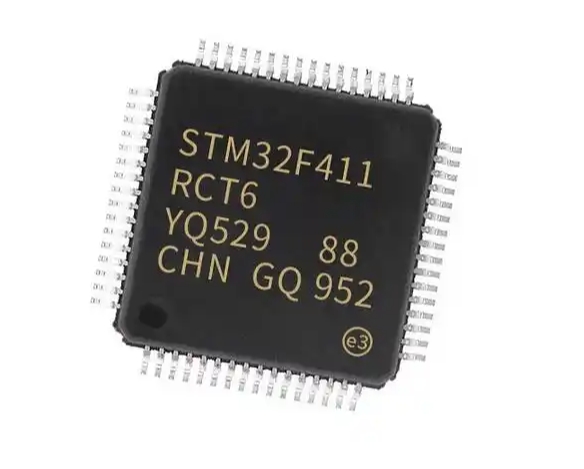
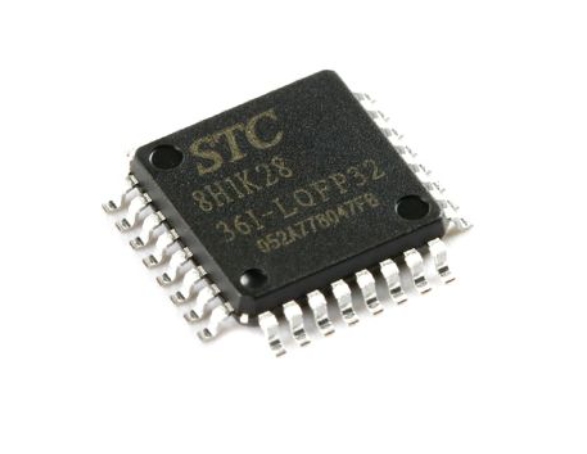
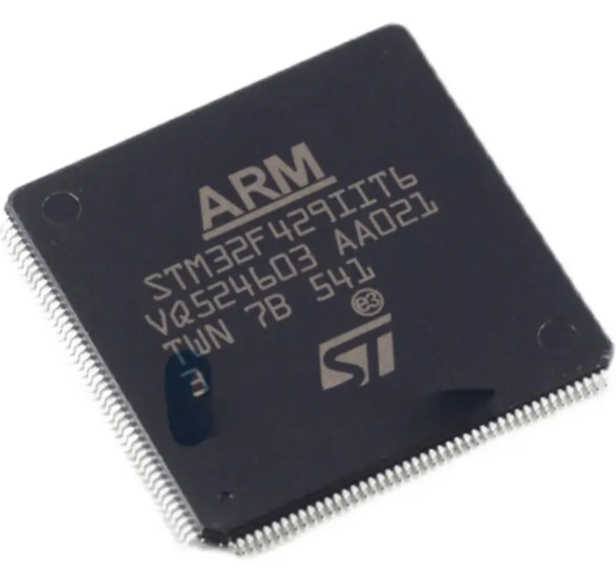
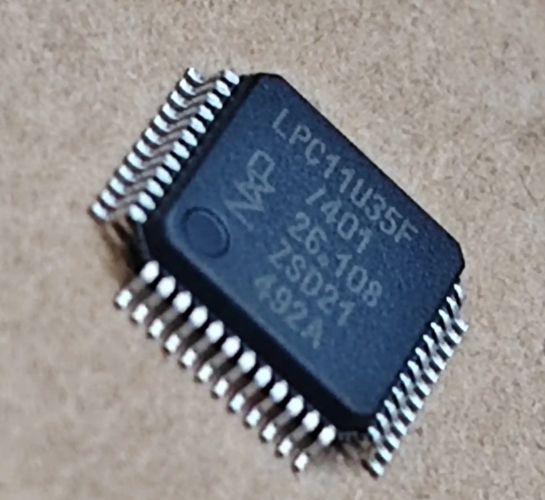
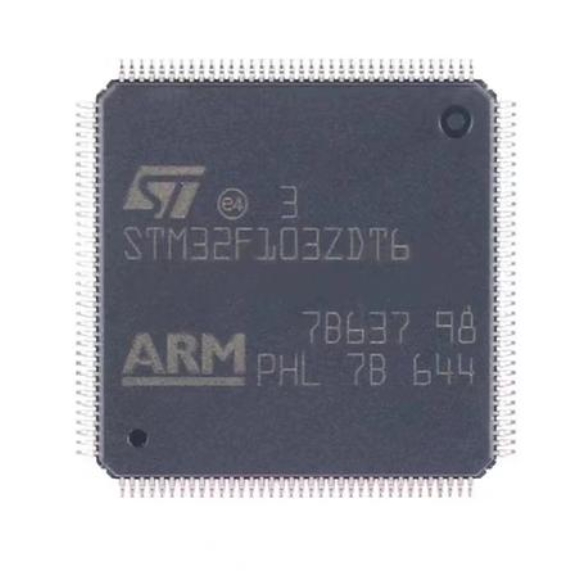
Before writing a single line of code, a proficient MCU programmer must understand the landscape. An MCU is essentially a compact, self-contained computer system on a single integrated circuit (IC). It contains a processor core (often based on architectures like ARM Cortex-M, AVR, PIC, or ESP32), memory (both volatile RAM and non-volatile Flash/EEPROM), and programmable input/output peripherals.
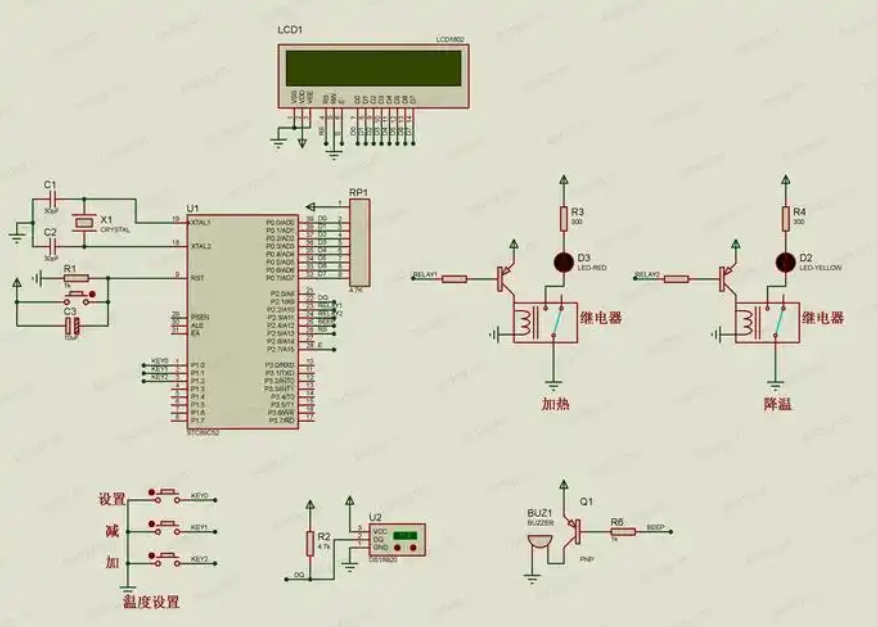
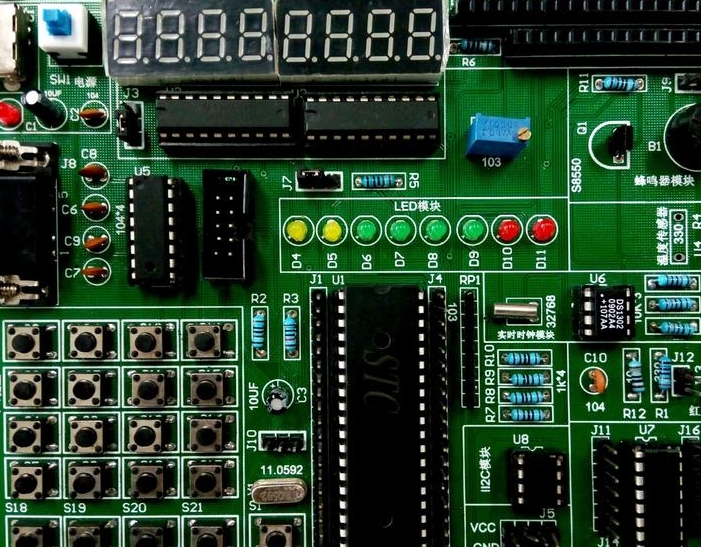
The choice of MCU is the first and most critical decision in any embedded project, influencing everything from power consumption and processing speed to cost and available development tools. Key factors include: * Architecture & Core: Determines the instruction set and fundamental capabilities. * Clock Speed: Affects how quickly instructions are executed. * Memory Size (Flash & RAM): Flash stores your program code, while RAM handles runtime data. Constrained memory is a defining challenge in embedded programming. * Peripherals: Built-in hardware like GPIO pins, Analog-to-Digital Converters (ADCs), communication modules (UART, I2C, SPI), and timers are what allow the MCU to interact with the physical world.
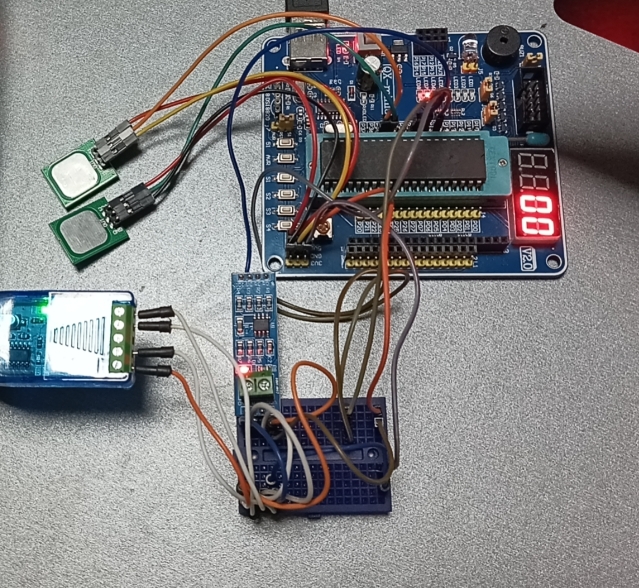
The development workflow typically follows a distinct cycle: writing code on a host computer (in C, C++, or occasionally Rust or MicroPython), compiling it for the specific MCU architecture using a cross-compiler, and then flashing the binary machine code onto the MCU’s memory via a programmer/debugger like JTAG or SWD. This process is heavily supported by Integrated Development Environments (IDEs) such as STM32CubeIDE, Arduino IDE, MPLAB X, or PlatformIO, which abstract much of the complexity but whose underlying mechanisms a skilled programmer must comprehend.
Part 2: The Pillars of Effective MCU Program Development
Mastering MCU programming goes beyond syntax; it involves embracing constraints and thinking close to the metal.
1. Hardware-Aware Software Design: Unlike PC programming, MCU code operates with direct hardware responsibility. Programmers must meticulously manage finite resources. This involves direct memory access, register-level manipulation to control peripherals, and writing efficient algorithms. Understanding datasheets and reference manuals for your specific MCU is non-negotiable. Techniques like bit masking and bitwise operations become daily tools for configuring hardware settings efficiently.
2. Real-Time Considerations and Interrupts: Many embedded systems are real-time systems, meaning they must respond to external events within a strict deadline. The effective use of Interrupt Service Routines (ISRs) is paramount for responsive systems. Interrupts allow the MCU to pause its main task to handle urgent events from peripherals (like a button press or data arrival). Writing clean, fast ISRs that avoid blocking operations is a critical skill.
3. Power Management and Optimization: A hallmark of professional-grade embedded software is its attention to power consumption. Strategic use of low-power modes (sleep, deep sleep) can extend battery life from days to years. This requires programmers to design their software architecture around power states, carefully waking the MCU only when necessary and putting it back to sleep after tasks are complete. Optimization also extends to code size and execution speed, often requiring profiling and careful algorithm choice.
For developers seeking to navigate this complex landscape of tools, libraries, and component sourcing for their projects, platforms like ICGOODFIND can be invaluable. They streamline the process of finding reliable electronic components and development resources, allowing engineers to focus more on innovation and coding rather than logistical hurdles.
Part 3: Advanced Techniques and Modern Development Practices
As projects grow in complexity, so must the developer’s toolkit.
1. Structured Code and Modularity: Moving beyond simple sketches involves adopting professional software engineering practices. Implementing a modular architecture—separating code into hardware abstraction layers (HAL), drivers, middleware, and application logic—enhances readability, reusability, and maintainability. This is often facilitated by leveraging official or community-provided Hardware Abstraction Layer (HAL) libraries and driver packages.
2. Debugging and Testing: Debugging an MCU isn’t as straightforward as printing to a console. Leveraging hardware debuggers with breakpoint, watchpoint, and real-time variable inspection capabilities is essential for solving complex issues. Furthermore, writing testable code through simulation (using tools like QEMU) or unit testing frameworks adapted for embedded C/C++ can prevent regressions and ensure reliability.
3. Connectivity and RTOS Integration: Modern MCUs often include WiFi, Bluetooth, or Ethernet capabilities. Implementing robust communication protocols (MQTT for IoT, HTTP/S APIs) securely is a key advanced skill. For complex multi-tasking applications where a simple super-loop architecture falls short, the introduction of a Real-Time Operating System (RTOS) like FreeRTOS or Zephyr becomes necessary. An RTOS provides task scheduling, inter-task communication, synchronization primitives (queues, semaphores), and memory management, enabling sophisticated concurrent application design.
Conclusion
MCU programming is a deeply rewarding field that empowers creators to build interactive bridges between the digital and physical worlds. It begins with a solid grasp of hardware fundamentals and core programming concepts in constrained environments but evolves into an art form involving optimization, real-time system design, and robust software architecture. The journey from blinking an LED to designing a connected, power-efficient smart device is one of continuous learning and problem-solving. By mastering the principles outlined—from selecting the right microcontroller and writing hardware-efficient code to implementing advanced patterns like modular design and RTOS-based multitasking—developers can unlock the full potential of these versatile chips. As technology advances towards an ever-more connected future with AI at the edge, the role of the skilled MCU programmer will only increase in importance and demand.