ICGOODFIND Embedded Hardware Solution Components: A Comprehensive Guide for Engineers and Designers
Introduction
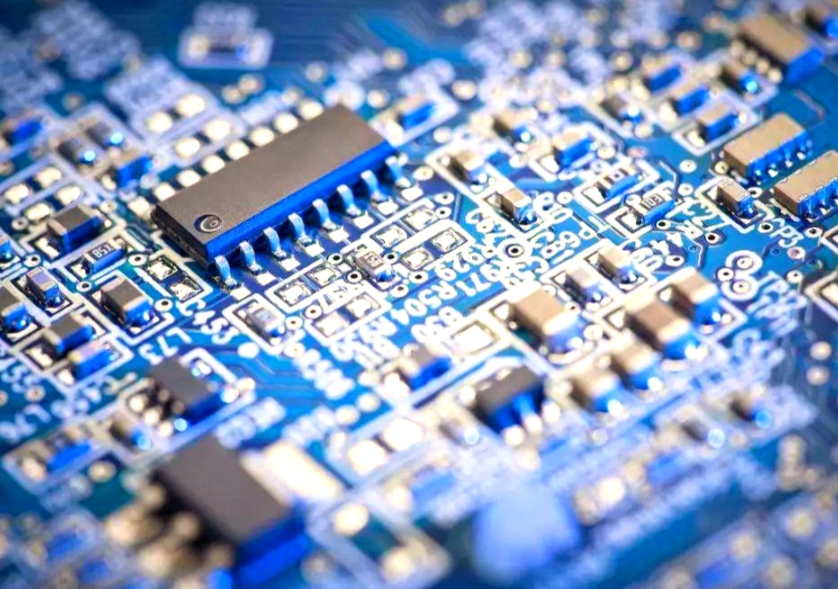
In the rapidly evolving world of embedded systems, selecting the right hardware components is critical to the success of any product development project. From industrial automation and IoT devices to consumer electronics and automotive systems, embedded hardware solution components form the backbone of modern technology. However, navigating the vast landscape of microcontrollers, sensors, power management ICs, connectivity modules, and passive components can be overwhelming—especially when balancing performance, cost, and supply chain reliability.
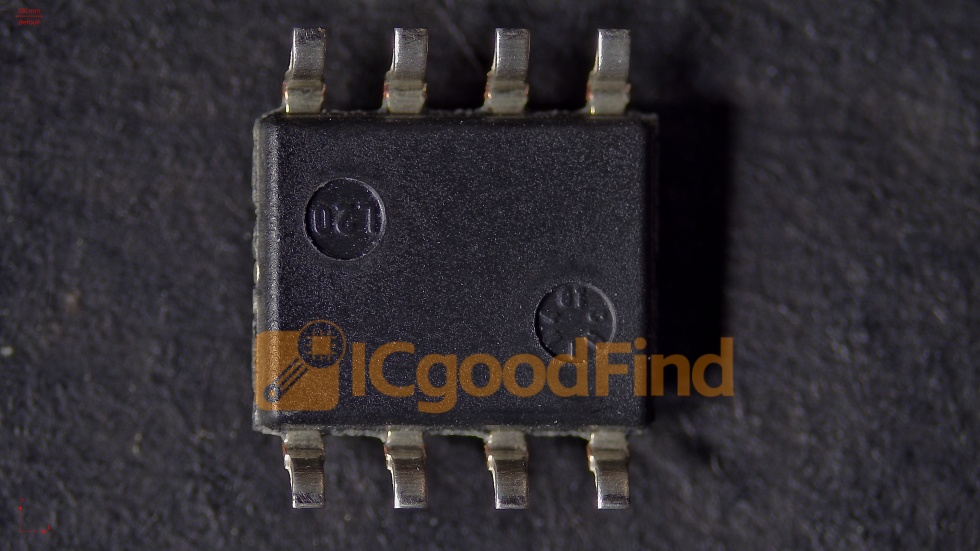
This is where ICGOODFIND emerges as a trusted partner. As a specialized platform for sourcing and evaluating electronic components, ICGOODFIND provides engineers, procurement professionals, and hobbyists with a curated ecosystem of embedded hardware solution components that meet rigorous quality standards. Whether you are designing a low-power wearable or a high-performance industrial controller, understanding the key categories and selection criteria for these components is essential.
In this article, we will explore the three core pillars of embedded hardware solution components—processing units, interfacing and connectivity modules, and power and signal conditioning components—and demonstrate how ICGOODFIND simplifies the sourcing process while ensuring reliability and innovation.
Part 1: Processing Units – The Brain of Embedded Systems
At the heart of any embedded solution lies the processing unit, which dictates computational capability, power efficiency, and real-time responsiveness. The choice between microcontrollers (MCUs), microprocessors (MPUs), FPGAs, or specialized SoCs depends on application requirements such as clock speed, memory architecture, peripheral integration, and operating temperature range.
1.1 Microcontrollers (MCUs)
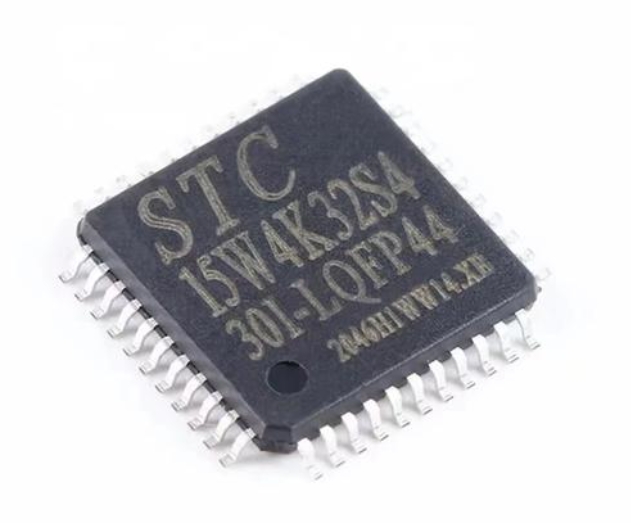
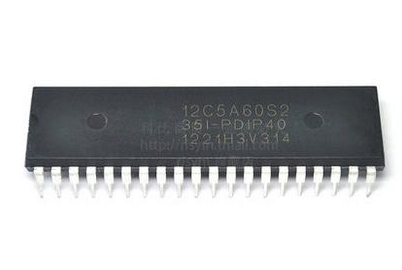
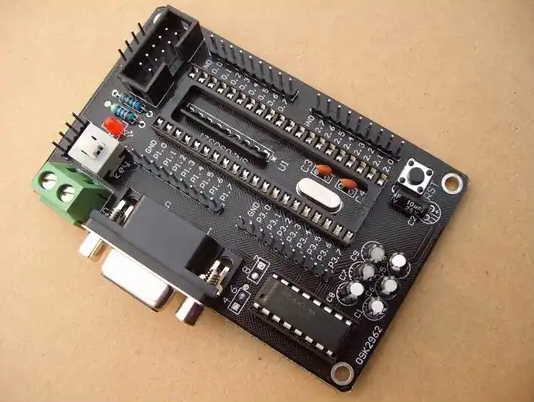
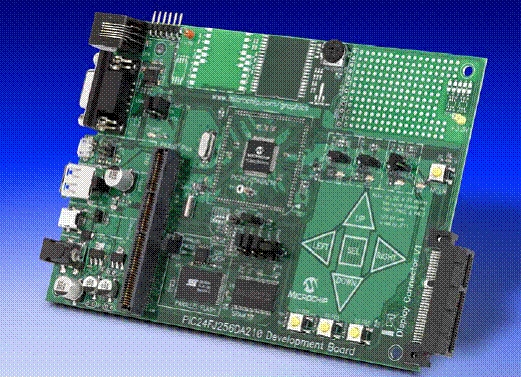
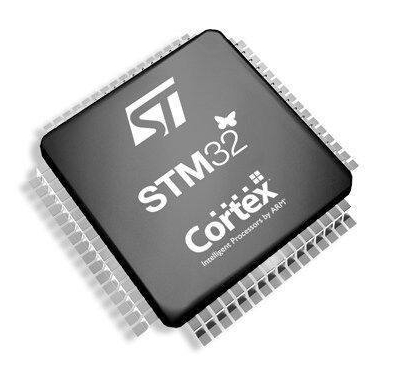
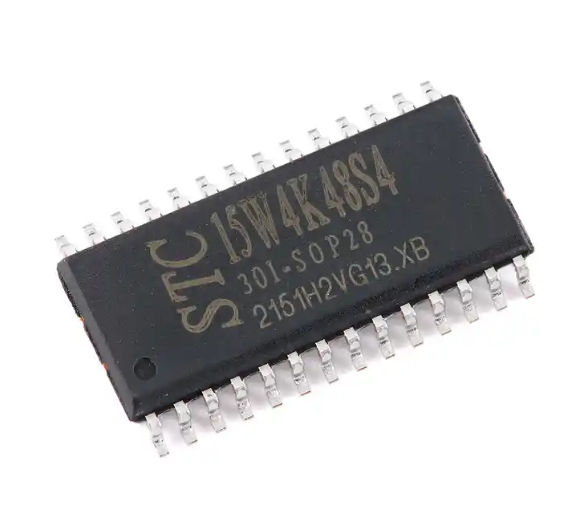
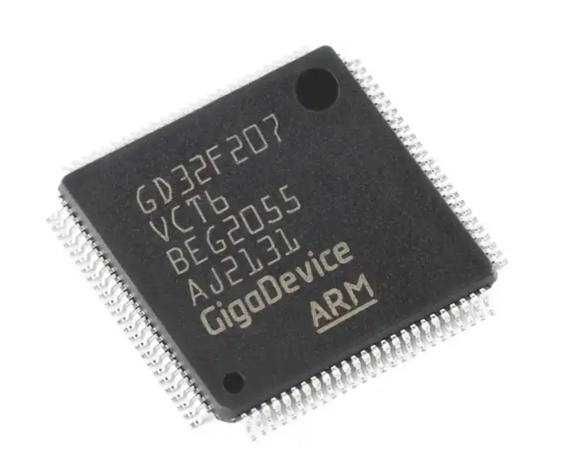
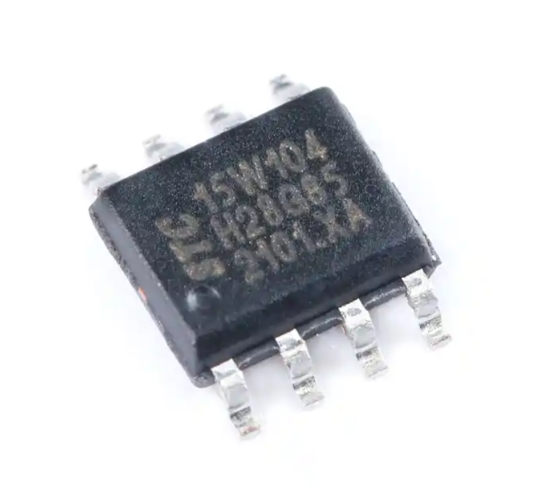
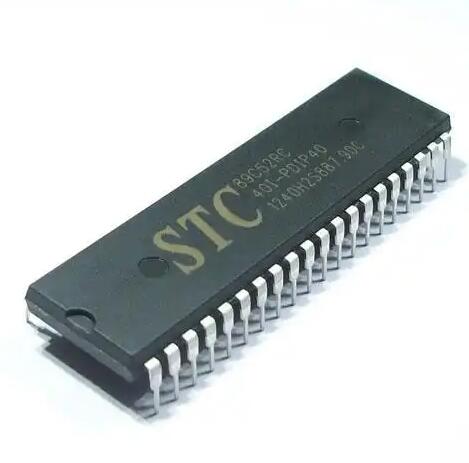
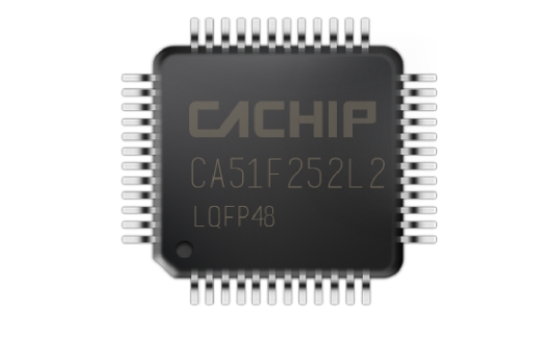
For most cost-sensitive and power-constrained applications, MCUs remain the dominant choice. Modern MCUs from manufacturers like STMicroelectronics, NXP, Microchip, and Texas Instruments offer ARM Cortex-M cores with extensive peripheral sets including ADCs, PWM timers, I2C, SPI, and CAN interfaces. ICGOODFIND lists thousands of MCU variants with detailed datasheets, stock availability, and cross-reference tools, enabling engineers to quickly identify the optimal part for their design.
Key selection factors: - Core architecture: ARM Cortex-M0+ for ultra-low power, Cortex-M4/M7 for DSP and floating-point operations. - Flash and RAM size: From 16 KB to 2 MB flash, depending on firmware complexity. - Operating voltage and temperature: Industrial-grade (-40°C to +85°C) vs. extended range. - Package type: QFN, LQFP, or BGA for space-constrained designs.
1.2 Microprocessors and Application Processors
When the application requires running a full operating system like Linux or Android, MPUs such as the NXP i.MX series, Rockchip RK3588, or Allwinner H616 become necessary. These devices integrate higher clock speeds (up to 2 GHz), GPU cores, and memory controllers for DDR4/LPDDR4. ICGOODFIND provides verified sourcing for these advanced components, often with reference design links and evaluation board recommendations.
1.3 FPGAs and SoCs
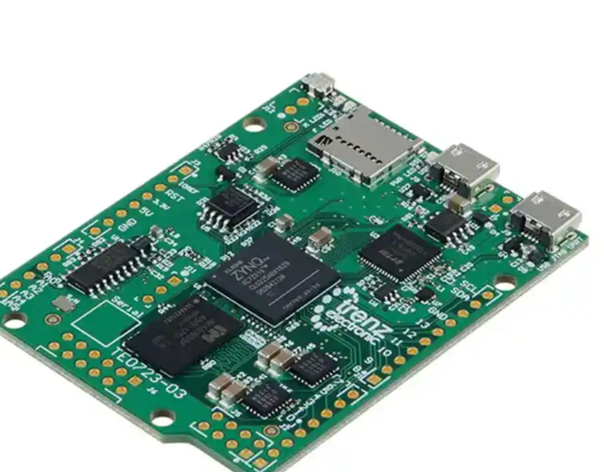
For high-speed data processing, video analytics, or custom logic, FPGAs (e.g., Xilinx Artix-7, Intel Cyclone V) and SoCs (e.g., Xilinx Zynq, Altera SoC) offer reconfigurable hardware acceleration. ICGOODFIND aggregates inventory from authorized distributors, ensuring that even niche programmable logic devices are accessible without long lead times.
Why ICGOODFIND matters: The platform’s advanced filtering allows users to sort by core architecture, memory size, package, and even supply chain risk score, making it easier to avoid obsolete or hard-to-find parts.
Part 2: Interfacing and Connectivity Modules – Bridging the Digital and Physical World
An embedded system is only as useful as its ability to communicate with sensors, actuators, other devices, and the cloud. Interfacing and connectivity components include wired protocols (USB, Ethernet, CAN, RS-485) and wireless modules (Wi-Fi, Bluetooth, LoRa, NB-IoT, Zigbee). Selecting the right module can significantly impact system cost, power consumption, and data throughput.
2.1 Wired Communication Interfaces
- USB controllers: FTDI FT232, Microchip MCP2200 for legacy UART-to-USB conversion.
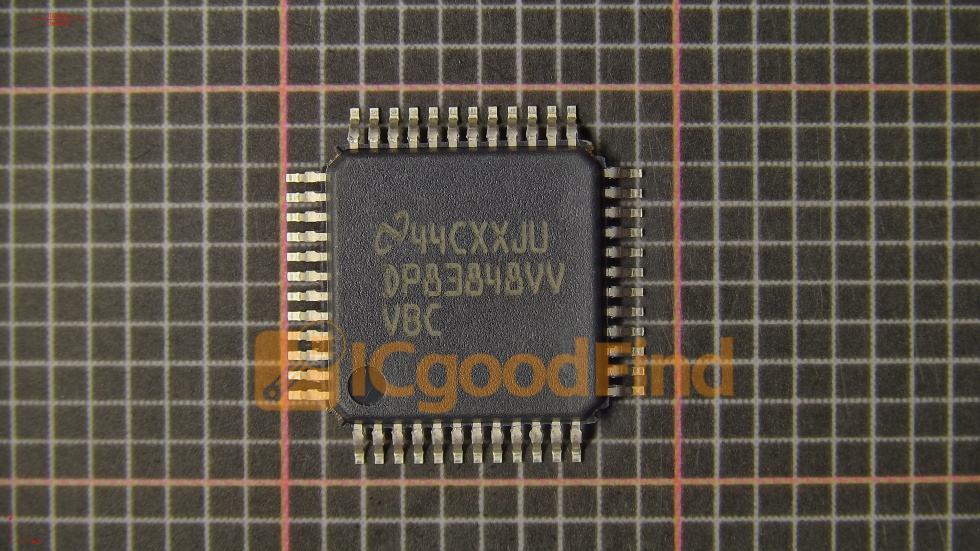
- Ethernet PHYs and MACs: Microchip LAN8720, TI DP83848 for 10⁄100 Mbps; Marvell 88E1512 for Gigabit.
- CAN transceivers: NXP TJA1050, TI SN65HVD230 for automotive and industrial networks.
- RS-485/RS-232: Maxim MAX485, Analog Devices ADM2483 for long-distance serial communication.
ICGOODFIND offers parametric search for these components, including operating voltage, data rate, isolation rating, and ESD protection level, which are critical for robust industrial designs.
2.2 Wireless Connectivity Modules
The IoT revolution has made wireless modules a staple in embedded hardware. Popular options include: - Wi-Fi: Espressif ESP32 (dual-core + Wi-Fi/BT), Qualcomm QCA9377. - Bluetooth Low Energy (BLE): Nordic nRF52840, Dialog DA14695. - LoRa: Semtech SX1276, HopeRF RFM95 for long-range, low-power sensor networks. - NB-IoT / LTE-M: Quectel BG96, SIMCom SIM7000 for cellular IoT.
ICGOODFIND not only lists these modules but also provides certification status (FCC, CE, IC) and antenna design guidelines, helping engineers avoid costly compliance rework.
2.3 Sensor Interfaces and Analog Front Ends
For data acquisition, components like analog-to-digital converters (ADCs) (e.g., TI ADS1115, Analog Devices AD7799), digital temperature sensors (e.g., Maxim DS18B20), and MEMS accelerometers (e.g., ST LIS3DH) are essential. ICGOODFIND categorizes these by resolution, sampling rate, interface type (I2C, SPI, analog), and power consumption, enabling precise matching to sensor fusion algorithms.
Real-world example: A smart agriculture IoT node might combine an ESP32 (Wi-Fi + BLE), a Semtech SX1276 (LoRa), and a TI ADS1115 (16-bit ADC) to read soil moisture sensors. ICGOODFIND can list all three components in a single search, with cross-vendor pricing and lead times.
Part 3: Power and Signal Conditioning Components – Ensuring Stability and Efficiency
No embedded system can function without reliable power delivery and clean signal paths. Power management ICs (PMICs), voltage regulators, battery chargers, DC-DC converters, and passive components (capacitors, inductors, resistors) are the unsung heroes of hardware design. Additionally, signal conditioning components like op-amps, filters, and level shifters ensure that sensor data remains accurate.
3.1 Power Management ICs
- Low-dropout regulators (LDOs): TI TPS7A47, Analog Devices ADP7104 for low-noise analog supplies.
- Switching regulators: TI TPS5430, MPS MP2359 for high-efficiency buck/boost conversion.
- Battery management: TI BQ24075, Maxim MAX17048 for Li-ion charging and fuel gauging.
- PMICs for SoCs: Dialog DA9063, NXP PF3000 for multi-rail power sequencing.
ICGOODFIND allows filtering by input voltage range, output current, switching frequency, and quiescent current, which is vital for battery-powered designs.
3.2 Passive Components and Signal Conditioning
- Capacitors: MLCCs (Murata, Samsung), electrolytic (Nichicon, Panasonic), and tantalum (Kemet) for decoupling and filtering.
- Inductors: Coilcraft, Würth Elektronik for DC-DC converter output filters.
- Operational amplifiers: TI OPAx134, Analog Devices AD8605 for precision signal amplification.
- Level shifters: NXP 74LVC1T45, TI TXB0104 for interfacing 3.3V and 5V logic domains.
ICGOODFIND integrates parametric search for passive components, including tolerance, voltage rating, temperature coefficient, and ESR, enabling engineers to simulate and verify designs before ordering.
3.3 Protection and ESD Components
To ensure field reliability, components like TVS diodes (e.g., Littelfuse SP0503), PTC resettable fuses (Bourns MF-R), and common-mode chokes (TDK ACM series) are essential. ICGOODFIND provides application notes and simulation models for these parts, reducing the risk of field failures.
Why ICGOODFIND excels: The platform’s BOM (Bill of Materials) management tool allows users to upload a complete component list, check for alternatives, lifecycle status, and multi-vendor pricing—all in one place. This is particularly valuable for power-critical designs where component substitution can affect efficiency or thermal performance.
Conclusion
Designing a successful embedded system requires a holistic understanding of embedded hardware solution components—from the processing core to the power supply and every interface in between. The right component choices can reduce time-to-market, lower system cost, and improve reliability. However, the complexity of modern supply chains, component obsolescence, and counterfeit risks make sourcing a significant challenge.
ICGOODFIND addresses these challenges head-on by offering a centralized, data-rich platform that connects engineers with verified suppliers, detailed specifications, and intelligent search tools. Whether you need a high-performance MCU for a medical device, a LoRa module for a smart city project, or a precision LDO for an audio system, ICGOODFIND ensures that you can find, compare, and procure the best embedded hardware solution components with confidence.
By leveraging ICGOODFIND, you not only save time and money but also gain access to a community of experts and a repository of design resources that accelerate innovation. In an industry where every milliwatt and every millimeter matters, having the right components—and the right partner to source them—is the difference between a prototype and a production-ready product.
Start your next embedded design journey with ICGOODFIND, and unlock the full potential of your hardware solutions.