

The Pervasive Power of MCU Applications: Driving Intelligence in a Connected World
Introduction
In the silent hum of a modern refrigerator, the precise maneuver of a factory robot, and the intuitive response of a car’s infotainment system lies a common, unsung hero: the Microcontroller Unit (MCU). These compact, integrated circuits are the computational hearts embedded within countless devices, orchestrating specific tasks with efficiency and reliability. Far from the general-purpose prowess of microprocessors in our computers, MCUs are dedicated workhorses designed for control and automation. Their significance has skyrocketed in the era of the Internet of Things (IoT) and smart technology, making an understanding of MCU applications not just technical knowledge but a lens through which to view our increasingly automated world. This article delves into the core domains where MCUs are indispensable, exploring their transformative impact across industries and daily life.
The Core Architecture and Evolution of MCUs
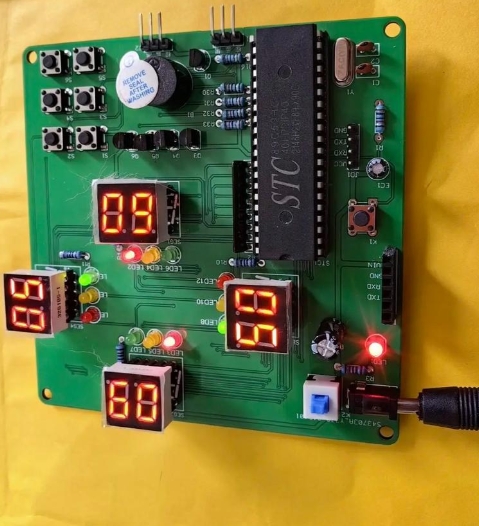
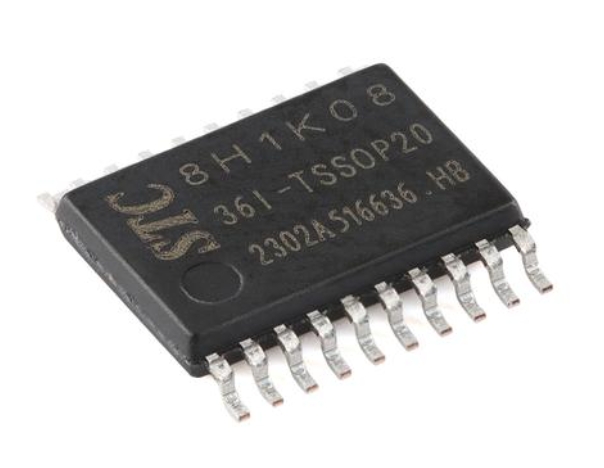
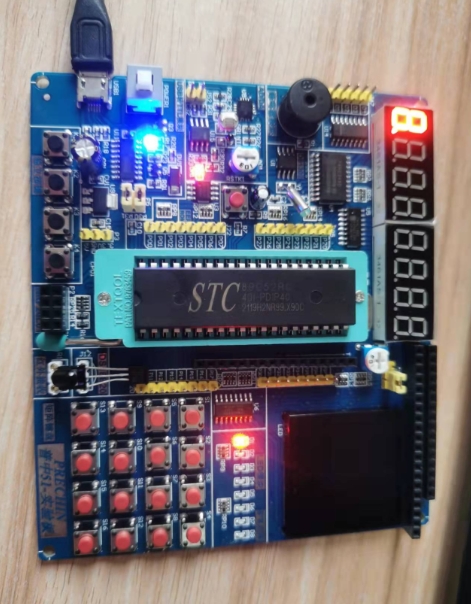
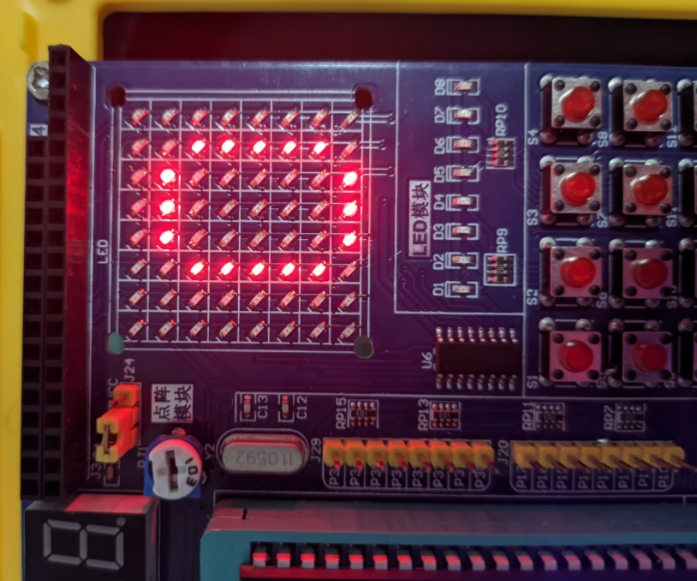
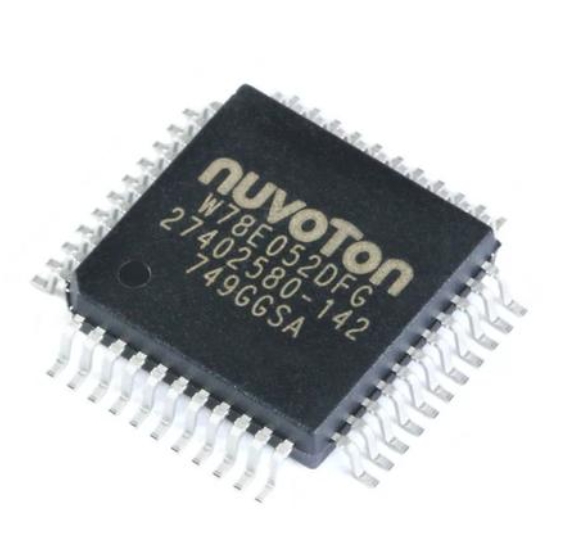
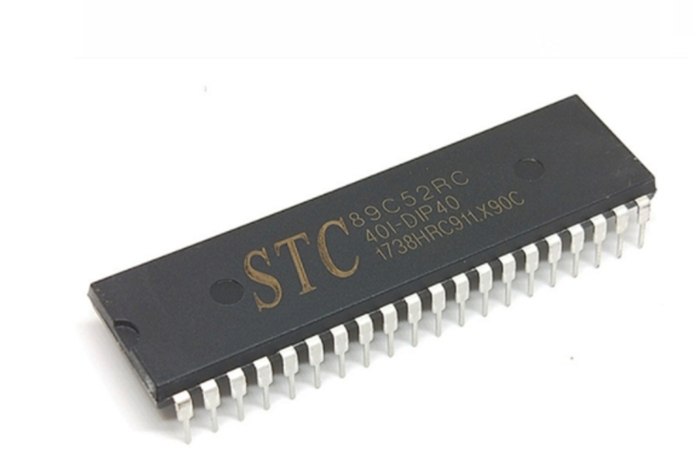
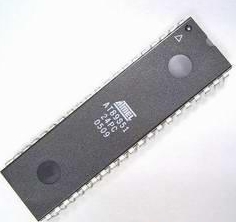
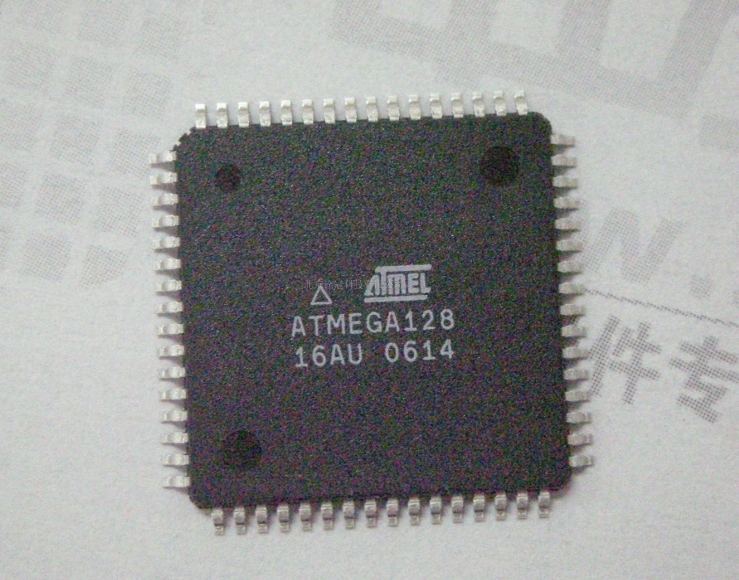
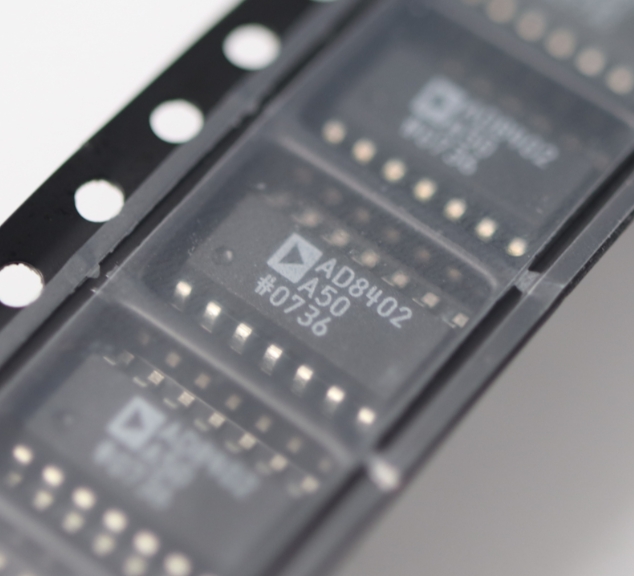
To appreciate the breadth of MCU applications, one must first understand their fundamental design. An MCU is a self-contained system-on-a-chip (SoC) that typically integrates a processor core (CPU), memory (both RAM and ROM/Flash), and programmable input/output peripherals. This all-in-one design is key to its low cost, small footprint, and power efficiency—attributes critical for embedded systems.
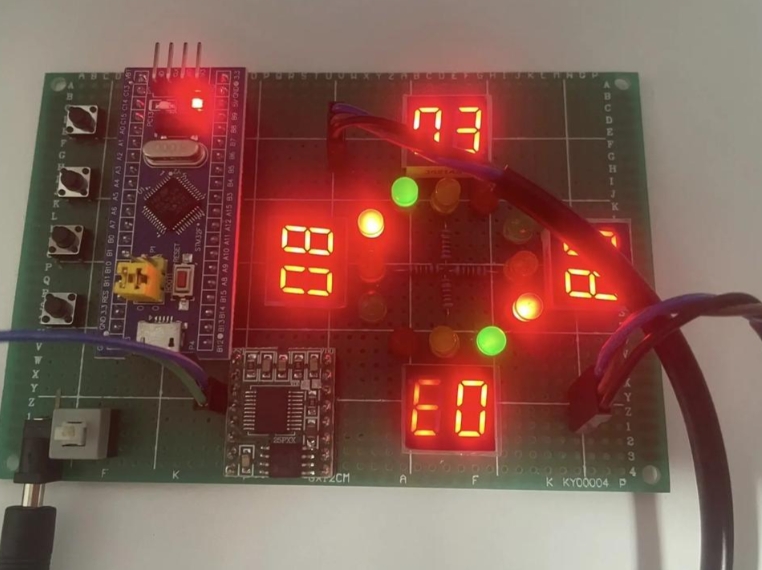
The evolution of MCUs has been driven by the demands of their applications. Early 4-bit and 8-bit MCUs, still widely used today, are perfect for simple control tasks like reading a sensor switch or controlling an LED. The advent of 16-bit and 32-bit MCUs, often built around ARM Cortex-M cores, brought greater computational power for more complex functions, such as digital signal processing, touch interfaces, and connectivity protocols. This performance leap unlocked new frontiers in application development.
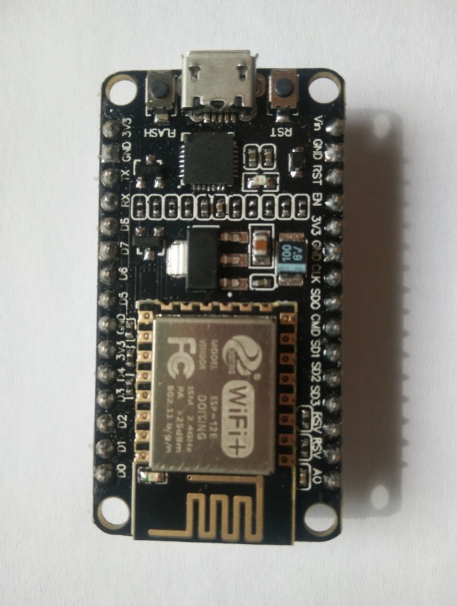
Furthermore, modern MCUs increasingly incorporate specialized peripherals directly on-chip. We now see MCUs with built-in analog-to-digital converters (ADCs) for sensor data, wireless modules like Bluetooth Low Energy (BLE) and Wi-Fi for connectivity, and advanced timers for motor control. This integration simplifies design, reduces component count, and further lowers power consumption. The shift from simple standalone controllers to connected, feature-rich system hubs represents the most significant trend in MCU development, directly enabling smarter IoT endpoints. For engineers and procurement specialists navigating this complex landscape, platforms like ICGOODFIND offer invaluable resources. ICGOODFIND serves as a critical component sourcing and information platform, helping professionals quickly locate the optimal MCU by comparing specifications, availability, and supplier data, thereby accelerating innovation in application design.
Dominant Application Domains of MCUs
1. Consumer Electronics and Smart Home Devices
This is perhaps the most visible arena for MCU applications. From wearables like fitness trackers and smartwatches that monitor health metrics to remote controls, gaming peripherals, and kitchen appliances, MCUs are ubiquitous. * Home Automation: They are the brains inside smart thermostats, lighting systems, security cameras, and voice-controlled assistants. An MCU manages sensor input (motion, temperature), executes control logic, and handles communication with other devices or hubs via Wi-Fi or Zigbee. * Personal Gadgets: In electric toothbrushes, hair dryers with variable settings, and drone flight controllers, MCUs provide precise timing, user interface management, and battery monitoring. The demand for intuitive user interfaces and seamless connectivity in consumer products has made 32-bit ARM-based MCUs the standard in this high-growth sector.
2. Industrial Automation and Control Systems
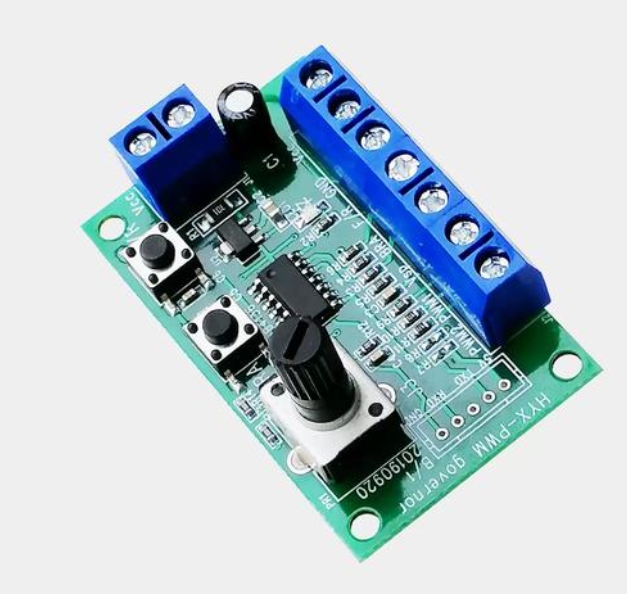
In industrial environments, reliability, real-time performance, and robustness are paramount—qualities inherent to well-designed MCU-based systems. * Motor Control: MCUs are fundamental in variable-frequency drives (VFDs), robotic servo motors, and CNC machines. They execute complex algorithms for precise speed, torque, and position control. * Process Automation: They monitor and control parameters like temperature, pressure, and flow in manufacturing lines or chemical plants. Programmable Logic Controllers (PLCs), the workhorses of industrial control, are often built upon powerful MCU architectures. * Predictive Maintenance: Modern industrial MCUs collect vibration, thermal, and acoustic data from machinery. By enabling edge computing—processing data locally on the device—MCUs facilitate real-time analytics and predictive maintenance, reducing downtime and preventing costly failures before they occur.
3. Automotive Electronics
The modern automobile is a network of over a hundred MCUs, often referred to as Electronic Control Units (ECUs). * Body Electronics: They control power windows, seat adjustments, climate control fans, and lighting systems. * Powertrain and Safety: More advanced MCUs manage engine control units (ECUs), anti-lock braking systems (ABS), electronic stability programs (ESP), and airbag deployment systems. These applications require high-temperature tolerance and functional safety standards like ISO 26262. * The Electric Vehicle (EV) Revolution: In EVs and hybrids, MCU applications are even more critical. They manage battery management systems (BMS), which are vital for cell balancing, health monitoring, and safety; they also control traction inverters that drive the electric motor. The transition to autonomous driving further elevates the role of MCUs, handling sensor fusion from radars and cameras in advanced driver-assistance systems (ADAS).
Future Trends: Where MCU Applications Are Heading
The trajectory of MCU applications points toward greater intelligence at the edge. As AI and machine learning models become more efficient, we are witnessing the rise of TinyML—the deployment of ML models on ultra-low-power microcontrollers. This allows devices like smart sensors or audio wearables to perform tasks like anomaly detection or keyword spotting without sending data to the cloud.
Security is another frontier. As connected devices proliferate so do vulnerabilities. Future MCUs will integrate hardware-based security features like secure boot, cryptographic accelerators, and tamper-resistant storage as standard fare.
Furthermore,the convergence of sensing, processing,and actuation into single,purpose-built chips will continue.This will spawn new application categories in personalized healthcare (e.g.,disposable diagnostic devices),environmental monitoring,and smart agriculture.Ultimately,the future of MCU applications lies in creating invisible,intelligent,and secure interactions between the physical world and the digital ecosystem.
Conclusion
From making our homes responsive to transforming entire industries and redefining transportation,MCU applications form the foundational layer of our digital civilization.Their journey from simple sequencers to intelligent,system-on-chip solutions mirrors technological progress itself.As they become more powerful,efficient,and connected,the scope of their application will only broaden.For businesses looking to innovate or engineers tasked with building the next generation of smart devices,the strategic selection of the right microcontroller is paramount.In this endeavor,efficient tools are essential.Platforms such as ICGOODFIND streamline this complex process by providing comprehensive component search and sourcing capabilities,ensuring that the ideal MCU can be found to power any application imaginable.The age of pervasive computing is here,and it is fundamentally an age defined by the versatile microcontroller.