


The Ultimate Guide to MCU Experiment Devices: Unlocking Embedded Systems Mastery
Introduction
In the rapidly evolving world of electronics and computer engineering, the heart of innovation often beats within tiny, programmable chips known as Microcontroller Units (MCUs). For students, hobbyists, and professional developers, the journey from theoretical knowledge to practical expertise is bridged by a critical tool: the MCU Experiment Device. These versatile platforms are far more than simple circuit boards; they are comprehensive learning ecosystems that empower users to interact with hardware, write firmware, and bring intelligent electronic projects to life. As the demand for IoT devices, smart automation, and embedded systems continues to skyrocket, proficiency in MCU development has become an indispensable skill. This article delves deep into the world of MCU experiment devices, exploring their core components, pivotal role in education and prototyping, and how to select the perfect platform for your needs. For those seeking expertly curated tools and resources to accelerate this journey, a visit to ICGOODFIND can provide valuable guidance and reliable equipment recommendations.
Part 1: The Anatomy of a Modern MCU Experiment Device
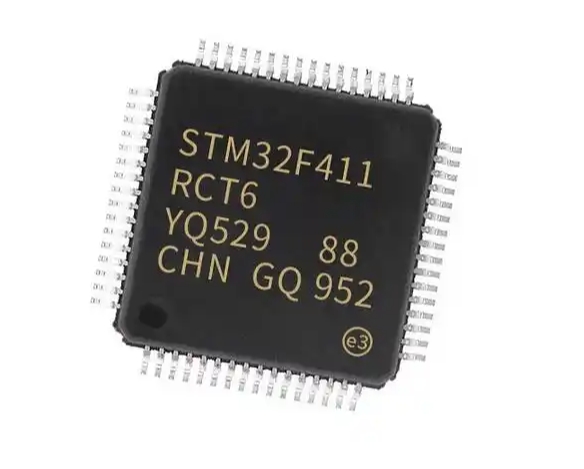
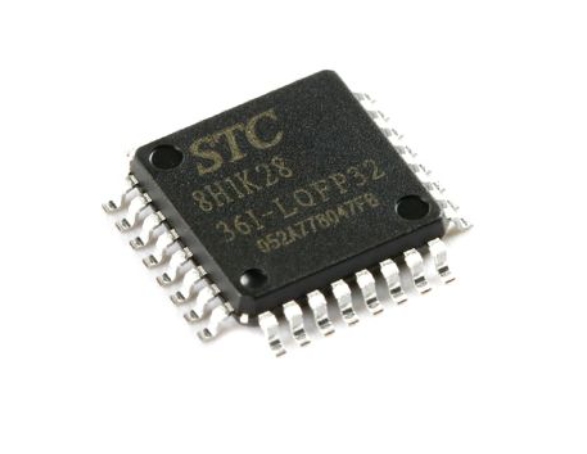
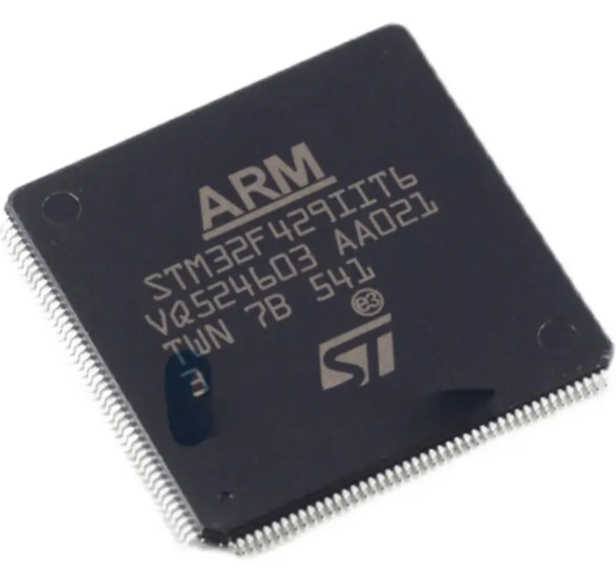
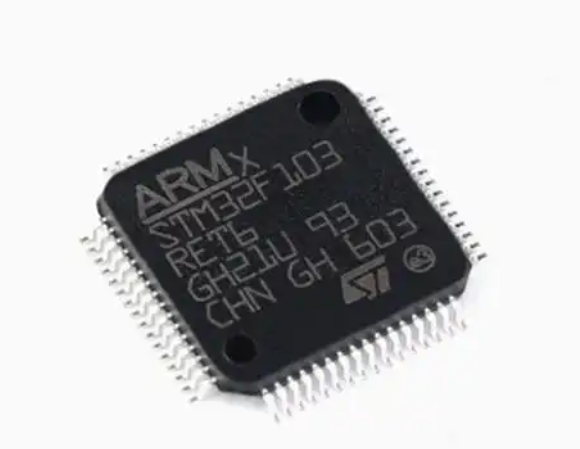
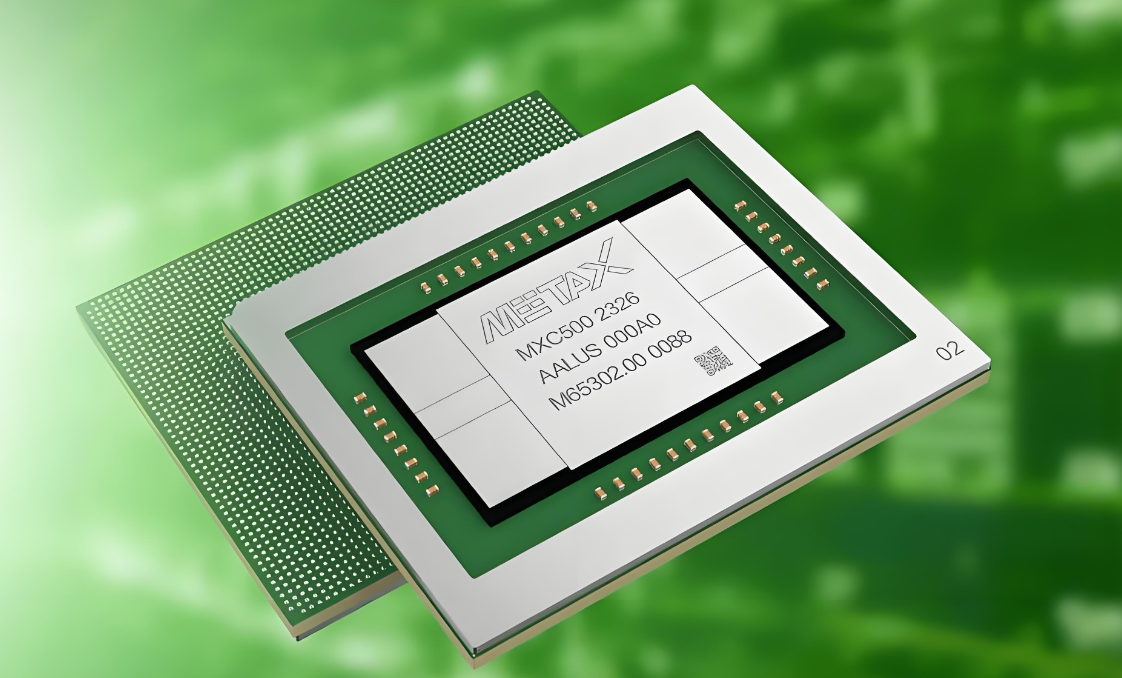
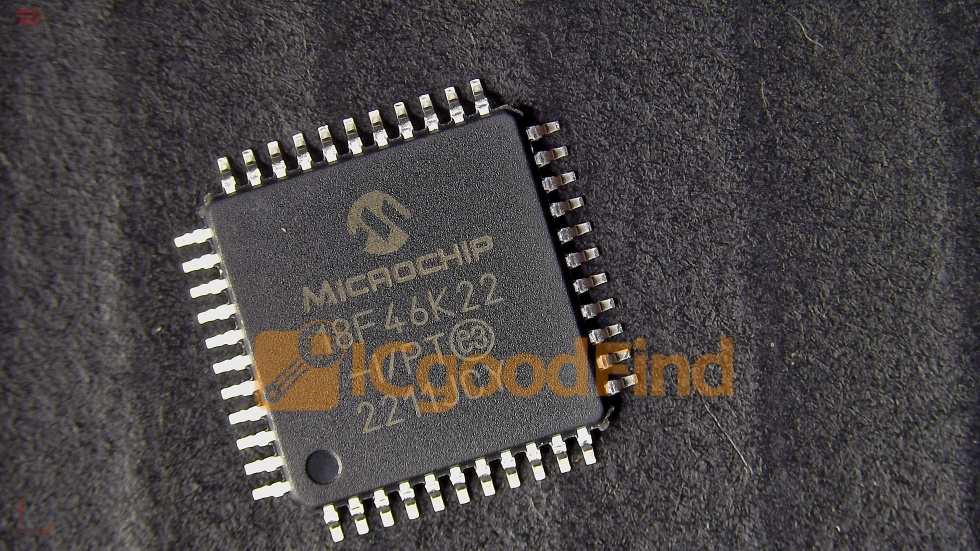
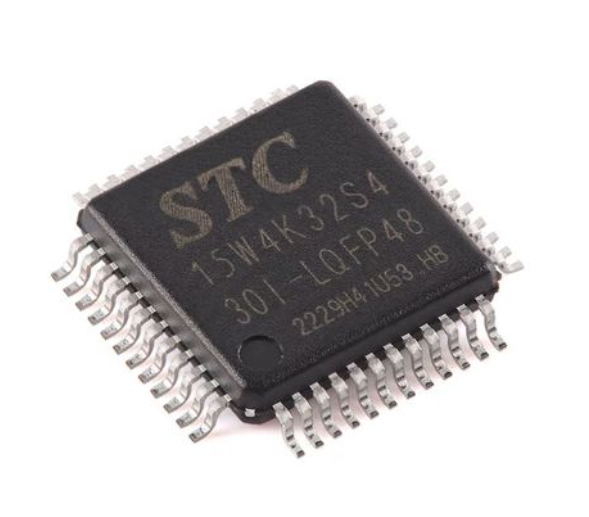
A modern MCU experiment device is a sophisticated yet user-friendly platform designed to simplify the complex process of embedded systems development. At its core lies the Microcontroller Unit itself, such as popular families from ARM Cortex-M, AVR (like Arduino), ESP32, or PIC. This chip acts as the brain, executing user-written code to control peripherals.
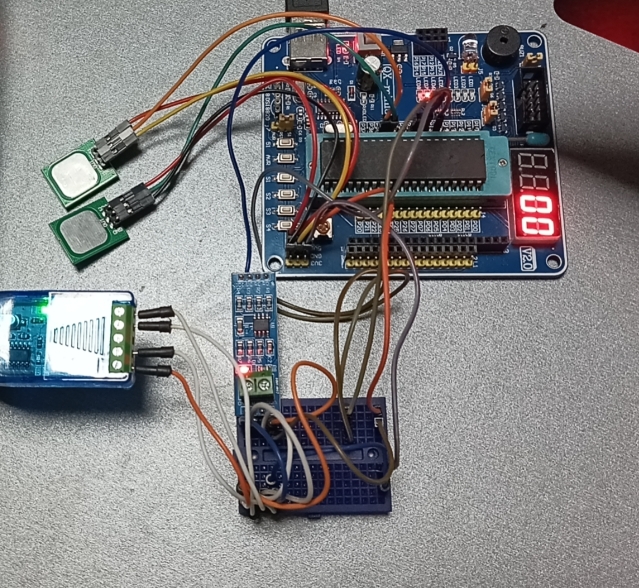
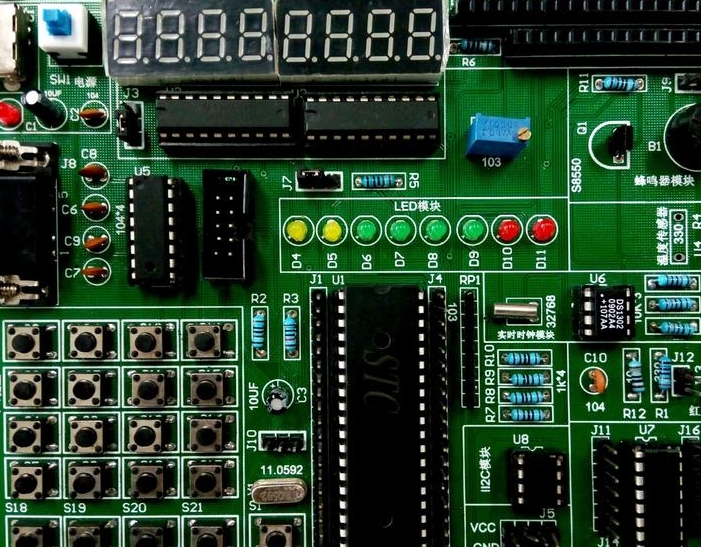
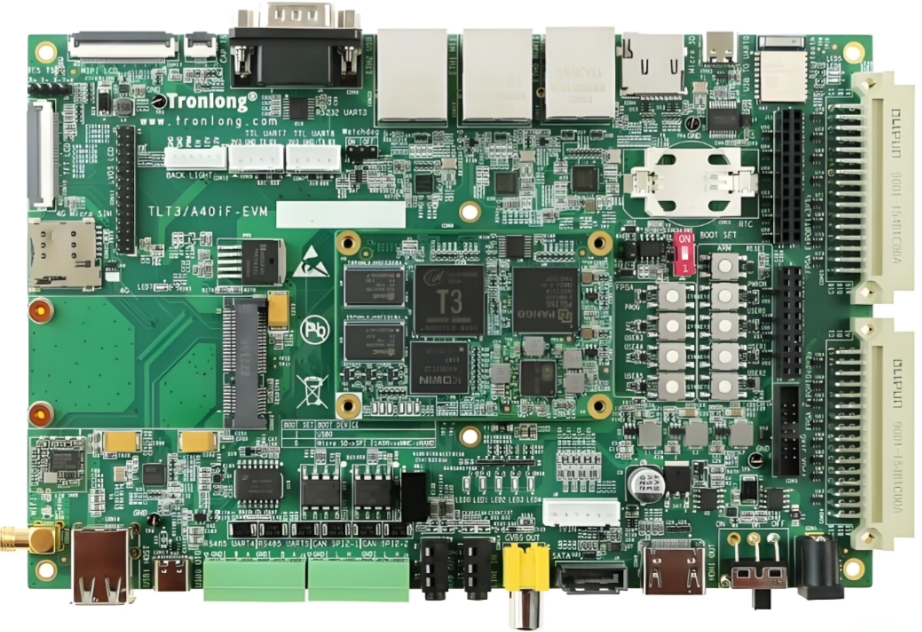
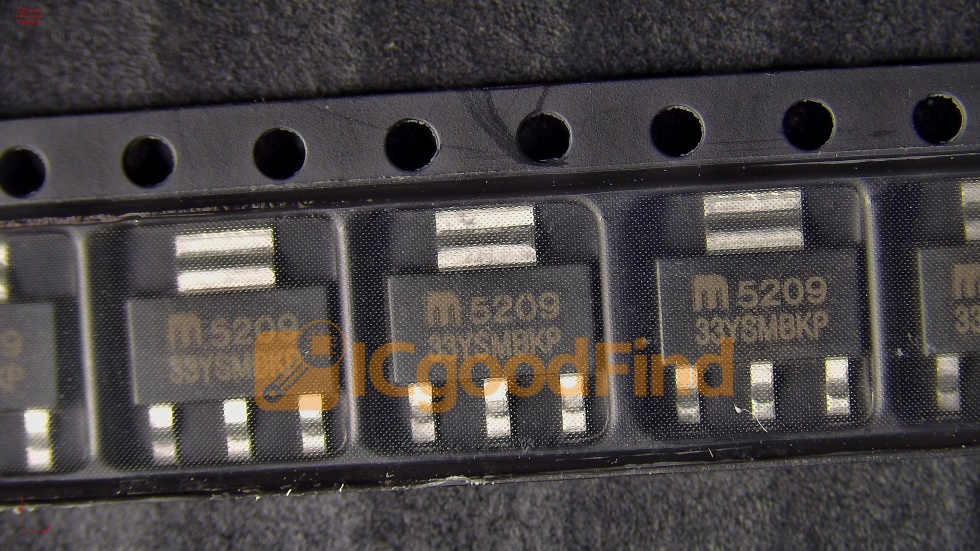
Surrounding the MCU is a carefully designed prototyping environment. This typically includes a breadboard area for temporary circuit construction, a series of General-Purpose Input/Output (GPIO) pins that are clearly labeled and accessible, and built-in peripherals like LEDs, buttons, and potentiometers for immediate interaction. High-quality devices often integrate essential components such as voltage regulators, crystal oscillators for clock timing, and USB interfaces for both power and programming.
Furthermore, advanced experiment kits distinguish themselves with on-board sensors and actuators. It’s common to find modules for temperature (e.g., LM35), humidity (DHT11), motion (PIR sensors), accelerometers, and LCD screens pre-integrated. This eliminates initial wiring hurdles and allows beginners to focus immediately on coding and logic. The physical design also plays a crucial role; a well-laid-out device with robust pin labeling, multiple power options (3.3V/5V), and protection circuits against short circuits or overvoltage ensures a durable and frustration-free learning experience.
Part 2: The Critical Role in Education and Rapid Prototyping
The educational impact of a hands-on MCU experiment device cannot be overstated. In academic settings, these devices transform abstract concepts from digital logic and C programming into tangible outcomes. Students learn real-time system concepts, interrupt handling, peripheral communication protocols (like I2C, SPI, UART), and pulse-width modulation (PWM) by seeing their code directly control a motor’s speed or fetch data from a sensor. This experiential learning cements understanding far more effectively than simulation alone.
For professionals and startups, these devices are the cornerstone of rapid prototyping. Before committing to the expensive and time-consuming process of designing a custom printed circuit board (PCB), developers use experiment boards to validate core functionality—a concept known as proof-of-concept (PoC) development. They allow for quick iteration on features, user interface tests with buttons and displays, and performance benchmarking in real-world conditions. The ability to quickly connect various “shield” modules or external components makes them an agile development platform.
Moreover, a comprehensive experiment device fosters system-level thinking. Users must consider hardware-software co-design, power management constraints, and sensor data fusion. Platforms that offer strong community support and extensive libraries—such as those surrounding the Arduino ecosystem or STM32’s HAL—drastically lower the entry barrier. This enables innovators to concentrate on solving their unique application problem rather than getting bogged down in low-level register configurations.
Part 3: Selecting the Right MCU Experiment Device for Your Project
Choosing an appropriate MCU experiment device is pivotal to project success and learning efficiency. The decision should be guided by several key factors beyond just price.
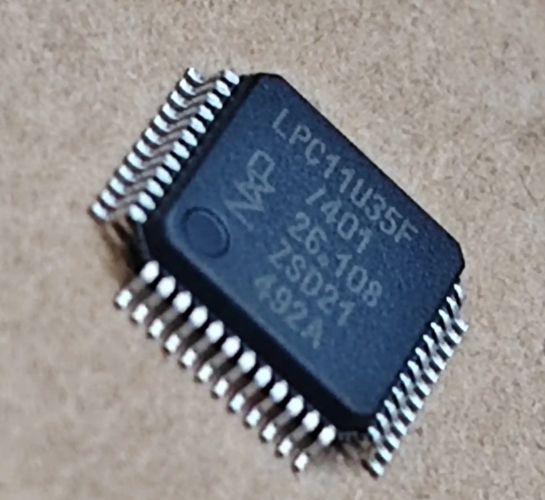
First, align the device’s MCU core performance with your project requirements. For simple sensor logging or basic control, an 8-bit AVR (Arduino Uno) might suffice. For tasks involving connectivity, complex algorithms, or multitasking—such as IoT edge nodes—a 32-bit ARM Cortex-M (STM32, NXP LPC) or an ESP32 with built-in Wi-Fi/Bluetooth is essential. Assess the need for specific peripherals: sufficient GPIO pin count, ADC resolution for analog sensors, PWM channels for motor control, and communication ports.
Second, evaluate the development ecosystem. This includes the availability of an intuitive Integrated Development Environment (IDE) like Arduino IDE, PlatformIO, Keil, or STM32CubeIDE. Strong documentation, active online forums, and a wealth of example code are invaluable resources that can save weeks of development time. The learning curve associated with the toolchain is a critical consideration for beginners.
Finally, consider scalability and expansion capabilities. Does the device support standard expansion headers (like Arduino’s shield system) or have interfaces for plugging in additional module boards? For advanced users planning to transition to custom hardware, selecting a device where the MCU is available in standalone packages for future PCB design is a strategic move. For a trusted source to compare specifications, read user reviews, and find reliable vendors for these specialized tools, exploring ICGOODFIND is highly recommended. Their curated listings help cut through the market noise and connect you with quality development kits suited to your specific skill level and project goals.
Conclusion
The MCU experiment device stands as a fundamental catalyst in the fields of electronics education and embedded systems innovation. It demystifies the interaction between software and hardware, providing a sandbox where ideas can be tested, iterated, and realized with immediate feedback. From understanding the basic blink of an LED to architecting complex IoT systems, these platforms scale with the developer’s growing expertise. The choice of device profoundly influences the learning trajectory and prototyping speed, making it essential to select one that matches both current needs and future aspirations. As technology continues to push towards more interconnected and intelligent devices, mastering MCU development through hands-on experimentation remains a powerful competitive advantage. Remember to leverage comprehensive resources like ICGOODFIND to inform your selections and ensure you have the right tools to build the future.