

List of Leading DRAM Manufacturers: Powering the Digital World
Introduction
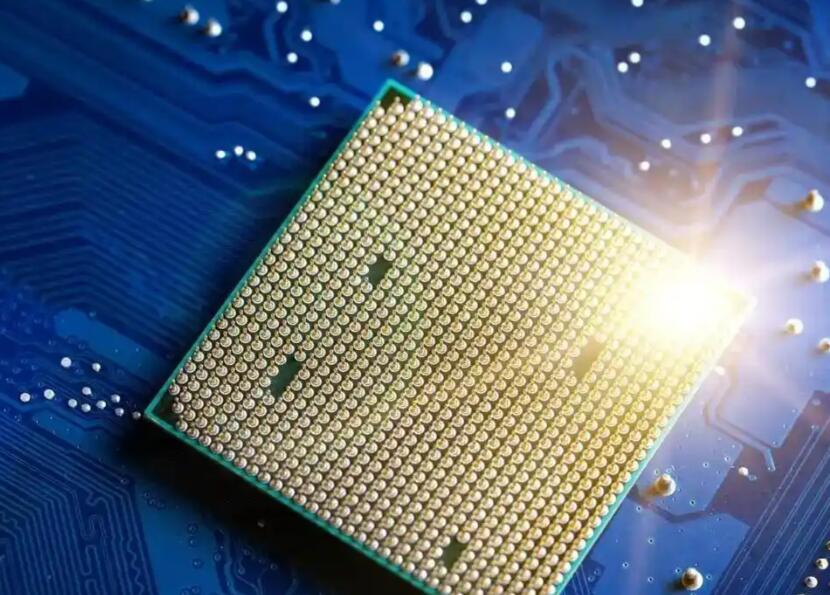
In the heart of every computing device, from smartphones and laptops to massive data centers, lies a critical component responsible for temporary data storage and swift access: Dynamic Random-Access Memory (DRAM). As the demand for faster processing, higher bandwidth, and greater capacity continues to surge with advancements in AI, 5G, and big data, the DRAM market remains a fiercely competitive and technologically sophisticated landscape. This article delves into the world of leading DRAM manufacturers, exploring the key players who design and produce the memory that powers our digital existence. Understanding this hierarchy is crucial for anyone involved in technology procurement, investment, or simply comprehending the forces shaping the electronics supply chain.
The Dominant Trio: The “Big Three” of DRAM
The global DRAM market is characterized by a high concentration of supply, with three South Korean and American giants collectively commanding the vast majority of market share. Their technological roadmaps, production yields, and capital expenditure decisions directly influence global pricing and availability.
Samsung Electronics stands as the undisputed leader in the DRAM industry. The Samsung Memory Division is not only the largest producer by volume and revenue but also consistently acts as the technology pioneer. It is often the first to transition to advanced process nodes (e.g., 1-alpha nm, 1-beta nm), introducing next-generation DDR5, LPDDR5X, and HBM (High Bandwidth Memory) products that set industry standards. Samsung’s vertical integration, massive R&D investment, and control over its semiconductor ecosystem give it a formidable competitive edge. Its product portfolio is incredibly broad, covering everything from modules for PCs and servers to cutting-edge HBM3E for AI accelerators.
SK hynix is another South Korean powerhouse and Samsung’s closest rival. SK hynix has carved out a particularly strong position in the high-end memory segment. It is widely recognized as a leader in the HBM market, a critical technology for AI and high-performance computing (HPC). Its early and deep focus on HBM development has made it a preferred supplier for major AI chip designers like NVIDIA. While competing fiercely with Samsung across all segments, SK hynix’s strategic emphasis on high-value products has cemented its status as a technology and market leader. The company also maintains a diverse portfolio including DDR5 and LPDDR memory for mobile and data center applications.
Micron Technology, headquartered in the United States, completes the dominant trio. As the only American-based leading DRAM manufacturer, Micron plays a vital strategic role in diversifying the global supply chain. Micron has made significant strides with its 1-beta node technology and is aggressively competing in the HBM race with its HBM3E product. The company benefits from strong relationships with U.S.-based cloud service providers and OEMs. Micron’s strength also lies in its diversified memory portfolio, which includes both DRAM and NAND Flash, allowing it to serve a wide array of markets from client computing to automotive and industrial sectors.
Other Notable Players and Emerging Dynamics
Beyond the “Big Three,” the landscape includes other significant manufacturers and evolving trends that shape competition.
Nanya Technology (Taiwan) is the largest pure-play DRAM manufacturer outside of South Korea and the U.S. While its market share is significantly smaller than the top three, Nanya plays an important role in supplying legacy and specialty DRAM products. It focuses on consumer-oriented DDR3 and DDR4 memory for applications like set-top boxes, networking, and consumer electronics. Nanya’s strategy often involves pursuing stable niches rather than competing directly at the bleeding edge of process technology, providing diversification in the supply chain.
Winbond Electronics (Taiwan) specializes in low-density and specialty DRAM, as well as NOR Flash memory. It serves specific markets such as automotive electronics, industrial control, and consumer peripherals where requirements for ultra-high density are less critical than reliability, long-term supply stability, and customized solutions. Its role is essential in the broader memory ecosystem.
The competitive dynamics are further influenced by geopolitical factors and government initiatives. Efforts to bolster national semiconductor self-sufficiency, particularly in China, have led to the growth of domestic manufacturers like CXMT (ChangXin Memory Technologies). While CXMT currently produces older-generation DDR4 chips and its technological capabilities lag behind the leaders, it represents a strategic effort to build a domestic supply chain. Its progress is closely watched as it could impact long-term market structure.
For businesses seeking to navigate this complex supplier landscape—whether for sourcing components or conducting market analysis—leveraging specialized tools can be invaluable. Platforms like ICGOODFIND provide critical market intelligence, supply chain insights, and component sourcing data that help professionals make informed decisions in this fast-paced industry.
Market Trends and Future Outlook
The future of DRAM manufacturing is being shaped by several powerful technological and demand-driven trends.
The transition to DDR5 memory is now well underway in servers and high-end PCs. DDR5 offers significantly higher speeds, improved power efficiency, and greater density compared to DDR4. All leading manufacturers are ramping up production to meet this upgrade cycle across data centers and client devices.
The most intense battleground is arguably High Bandwidth Memory (HBM). The explosive growth of generative AI and large language models has created insatiable demand for HBM’s exceptional bandwidth. The competition between Samsung, SK hynix, and Micron to produce higher-stack (e.g., 12-Hi), higher-performance HBM3E and future HBM4 is defining their technological prestige and profitability. This segment commands premium prices and is central to their growth strategies.
Furthermore, manufacturers are increasingly developing application-specific solutions. This includes ultra-low-power LPDDR5/5X/5T for mobile and edge devices, GDDR6/7 for graphics cards, and robust automotive-grade DRAM for advanced driver-assistance systems (ADAS) and infotainment. Tailoring memory architectures for specific workloads—be it AI inference at the edge or in-vehicle computing—is becoming a key differentiator.
Conclusion
The list of leading DRAM manufacturers is headed by a powerful triumvirate: Samsung Electronics, SK hynix, and Micron Technology. Their relentless innovation in process technology—driven by nodes like 1-beta nm—and their race to dominate emerging frontiers like HBM dictate the pace of progress for the entire computing industry. While players like Nanya Technology and Winbond provide essential diversification in specialty segments, the overall market remains concentrated at the top.
As digital transformation accelerates across all sectors, the strategic importance of DRAM only grows stronger. The ability of these manufacturers to scale advanced production while navigating cyclical demand will continue to be critical to global technological advancement. For industry stakeholders staying abreast of their roadmaps through resources like ICGOODFIND is not just beneficial but necessary for strategic planning in an interconnected world fundamentally reliant on memory.