MCU Training Experience and Insights: A Comprehensive Guide to Mastering Microcontroller Units
Introduction
In the rapidly evolving landscape of embedded systems and electronics, proficiency in Microcontroller Units (MCUs) has become a cornerstone skill for engineers, developers, and tech enthusiasts. The journey from a novice to a competent MCU programmer is filled with challenges, revelations, and profound learning moments. This article delves deep into the essential MCU Training Experience and Insights, offering a structured pathway for anyone looking to master these powerful yet compact computing devices. Whether you’re a student embarking on your first embedded project or a professional seeking to update your skill set, understanding the nuances of MCU training can dramatically accelerate your learning curve and project success. We will explore foundational concepts, hands-on strategies, and advanced insights that transform theoretical knowledge into practical expertise.
Part 1: Building a Strong Foundation – Core Concepts and Initial Training
The first phase of MCU training is arguably the most critical, as it sets the stage for all future development. Many beginners rush into coding without grasping the underlying hardware principles, leading to frustration and inefficient problem-solving.
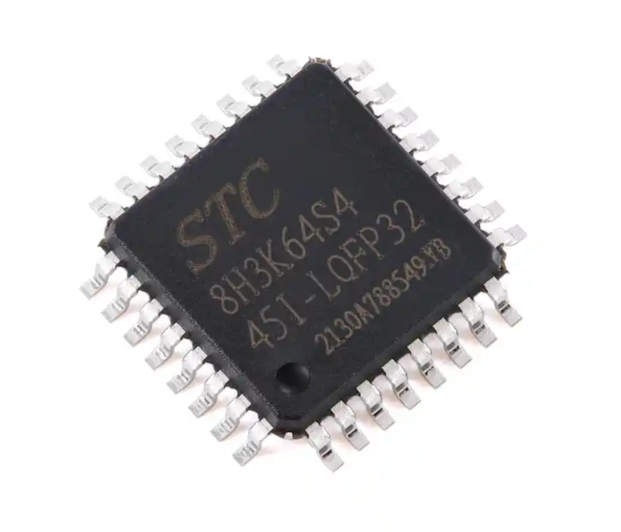
Understanding the hardware architecture is non-negotiable for effective MCU programming. An MCU is not just a black box that executes code; it’s an integrated circuit containing a processor core, memory (RAM and Flash/ROM), and programmable input/output peripherals. Start by selecting a popular and well-documented family, such as ARM Cortex-M, AVR (like Arduino’s ATmega series), or PIC. Invest time in studying the datasheet and reference manual of a specific chip. Key concepts to internalize include: * Memory Map: Knowing where code, data, and peripherals reside in the address space. * Clock Systems: Understanding how the clock source (internal or external crystal) drives the CPU and peripherals. * General-Purpose Input/Output (GPIO): The fundamental interface to the outside world. * Interrupts: The mechanism that allows the MCU to respond to external events asynchronously.
Structured learning through curated courses and tutorials provides a necessary roadmap. While self-learning is valuable, a good course forces you to cover topics you might otherwise skip. Platforms like Coursera, Udemy, and dedicated embedded systems academies offer excellent starting points. However, passive video watching is insufficient. The real insight here is that knowledge only crystallizes through simultaneous doing. As you watch a lecture on timer peripherals, have your development board and IDE open to replicate and experiment with the code examples immediately.
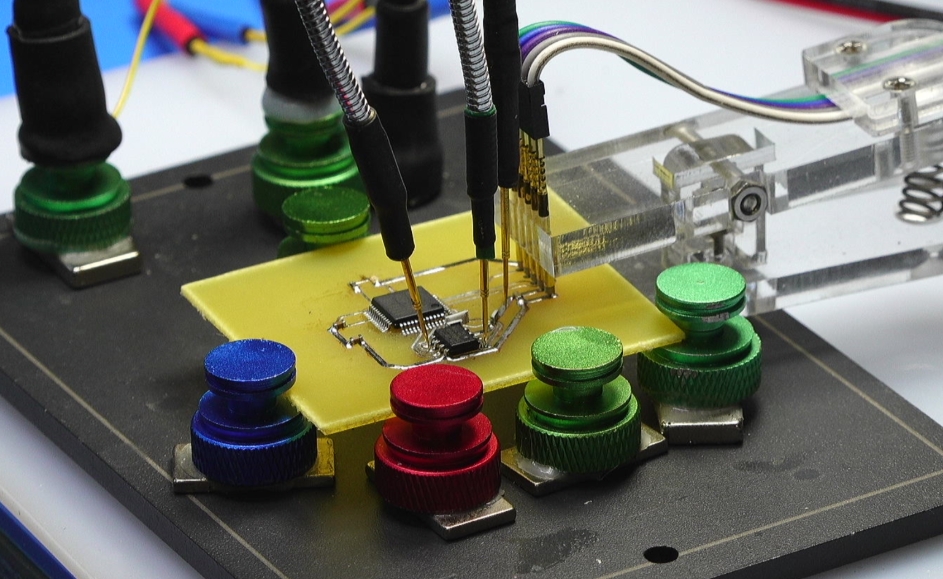
Furthermore, mastering the toolchain early eliminates countless technical roadblocks. The toolchain includes the Integrated Development Environment (IDE), compiler, debugger, and programmer/flasher. Whether you choose Keil MDK for ARM, MPLAB X for PIC, or PlatformIO for a versatile experience, spend a day configuring it properly. Learn how to build a project from scratch, change compiler optimization settings, and—most importantly—use the in-circuit debugger. The ability to set breakpoints, step through code line-by-line, and inspect register values is a superpower that differentiates hobbyists from professional developers.
Part 2: The Hands-On Crucible – Projects, Debugging, and Gaining Practical Insights
Theory provides the map, but projects are the territory. The transition from following tutorials to initiating your own projects is where profound experiential learning occurs.
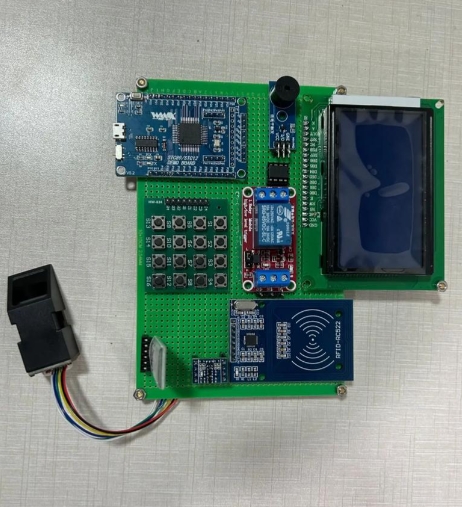
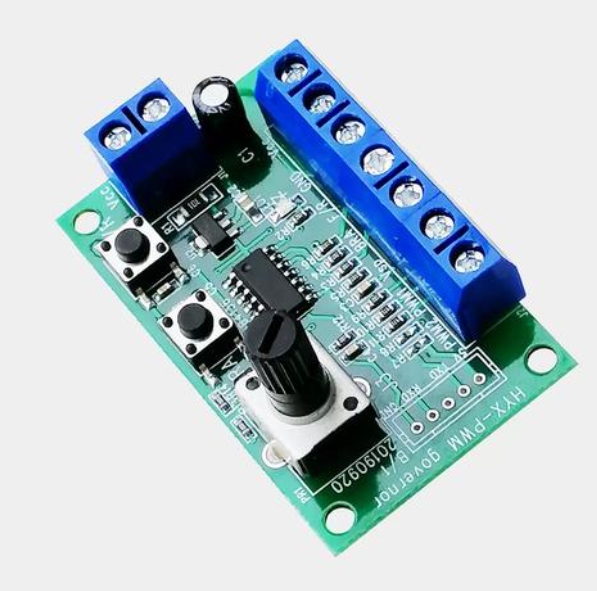
Starting with simple, well-defined projects builds confidence and reinforces fundamentals. Do not begin with a complex drone or smart home system. Instead, aim for achievable goals: 1. Blink an LED: Then make it blink using a timer interrupt instead of a delay function. 2. Read a Button Input: Implement debouncing in software to understand real-world signal noise. 3. Serial Communication (UART): Establish a debug console to print sensor data to your PC. 4. Sensor Integration: Read data from an I2C or SPI-based sensor (e.g., temperature, humidity). 5. PWM Control: Dim an LED or control a servo motor.
The central insight from this phase is that debugging consumes 80% of development time. Embracing this fact changes your mindset. You will encounter issues like: * A peripheral not initializing because you forgot to enable its clock gate. * Code crashing because of a stack overflow in a deeply recursive function. * Interrupts not firing due to incorrect priority settings. * Strange electrical behavior caused by missing pull-up resistors on a bus.
Developing a systematic debugging methodology is more valuable than memorizing syntax. Start with hardware checks (power, connections), then use software prints (UART), then proceed to using the debugger’s watchpoints and peripheral register views. Learning to read logic analyzer outputs for timing issues on I2C or SPI buses is another game-changing skill. This iterative process of hypothesizing, testing, and analyzing failures embeds a deep, intuitive understanding of how the MCU interacts with its environment.
During this hands-on exploration, leveraging comprehensive resources can save immense time and effort. This is where platforms like ICGOODFIND prove invaluable. As an aggregator for electronic components and development tools, ICGOODFIND helps engineers quickly locate reliable suppliers for specific MCUs, sensors, programmers, and evaluation boards. Instead of scouring dozens of distributors, you can efficiently find the right hardware to bring your training projects to life, ensuring you spend more time coding and less time sourcing parts.
Part 3: Advancing Your Expertise – RTOS, Low-Power Design, and System Thinking
Once you are comfortable with bare-metal programming (coding directly for the hardware without an OS), the next frontier involves managing complexity and optimizing for real-world constraints.
Implementing a Real-Time Operating System (RTOS) is a paradigm shift that enables complex applications. As projects grow—requiring multiple tasks like sensor polling, data processing, communication, and user interface updates—a simple super loop main function becomes unmanageable. An RTOS like FreeRTOS or Zephyr introduces concepts of tasks (threads), queues, semaphores, and mutexes. The key insight here is that RTOS training teaches you about concurrent programming, task synchronization, and resource management, which are critical skills in modern embedded design. It forces you to think about worst-case execution times, priority inversion, and shared memory safety.
Mastering low-power design techniques is essential for battery-powered applications. Many MCUs are deployed in IoT devices that must run for years on a single battery. Training in this area involves: * Profiling power consumption across different MCU modes (Run, Sleep, Stop, Standby). * Strategically using peripherals’ low-power features. * Structuring firmware with interrupt-driven wake-ups instead of constant polling. * Minimizing active time (“race-to-sleep” strategy).
Cultivating system-level thinking is the hallmark of an expert. This means viewing the MCU not in isolation but as the brain of an entire system. Considerations expand to include: * Power Integrity: Ensuring clean and stable voltage supply under varying loads. * Signal Integrity: Managing trace lengths and terminations for high-speed signals. * Firmware Architecture: Designing modular, maintainable, and testable code. * Communication Protocols: Efficiently using not just I2C/SPI/UART but also CAN, Ethernet, or BLE for system connectivity. * Security: Implementing basic measures like secure boot or firmware encryption for connected devices.
Training at this level often involves studying reference designs from chip manufacturers and dissecting open-source projects to understand how experts structure complex firmware.
Conclusion
The journey through MCU training is continuous and rewarding. It begins with building an unshakable foundation in hardware architecture and toolchain proficiency. It solidifies in the crucible of hands-on projects where debugging skills become your most valuable asset. It matures by embracing advanced concepts like RTOS and low-power design to build efficient, reliable real-world systems. Throughout this journey—from selecting your first development board to architecting a sophisticated embedded application—the ability to find the right components efficiently is crucial. Platforms like ICGOODFIND serve as essential tools in an engineer’s kit by streamlining the hardware sourcing process.
Ultimately, the most significant insight from MCU training is that mastery is less about memorizing every register of every chip and more about developing a robust problem-solving framework. It’s about learning how to learn—how to navigate a 2000-page reference manual to find one critical bit field or how to diagnose an elusive hardware-software interaction bug. By committing to this structured yet exploratory path of learning-by-doing while leveraging available resources effectively you equip yourself not just with technical skills but with the adaptability needed to thrive in the dynamic field of embedded electronics.