

MCU-Controlled LED Program: A Comprehensive Guide to Smart Lighting Control
Introduction
In the realm of embedded systems and IoT development, the MCU-Controlled LED Program stands as a foundational and immensely powerful project. It represents the critical intersection of hardware and software, where a simple microcontroller (MCU) transforms basic light-emitting diodes (LEDs) into dynamic, intelligent lighting systems. From rudimentary blinking patterns to complex, addressable RGB displays synchronized with music or sensors, MCU-controlled LEDs are at the heart of modern consumer electronics, automotive lighting, smart home automation, and industrial indicators. This guide delves deep into the principles, implementation strategies, and advanced applications of programming LEDs with microcontrollers. For developers seeking robust components and insights, platforms like ICGOODFIND serve as valuable resources for sourcing reliable MCUs and peripheral drivers.
Main Body
Part 1: Core Principles and Hardware Foundations
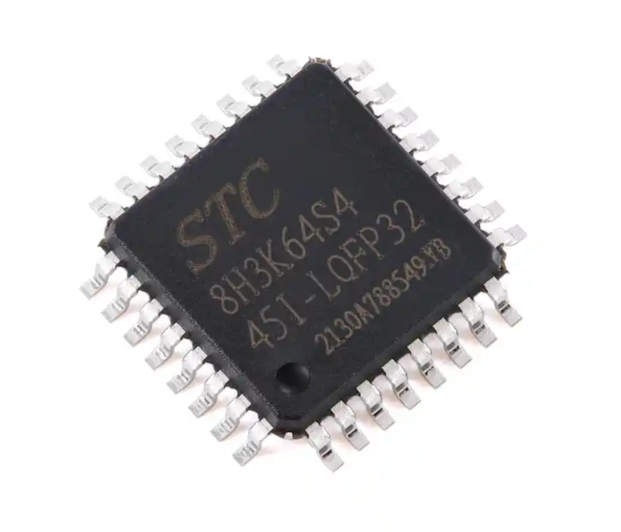
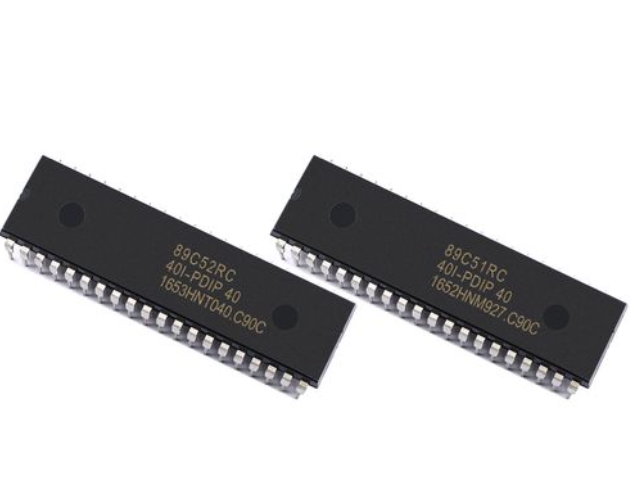
At its core, an MCU-Controlled LED program involves a microcontroller unit sending precise electrical signals to an LED. An MCU, such as those from the ARM Cortex-M series, AVR (like Arduino), or ESP32 families, is a compact integrated circuit designed to execute specific tasks. It controls the LED by manipulating its GPIO (General-Purpose Input/Output) pins.
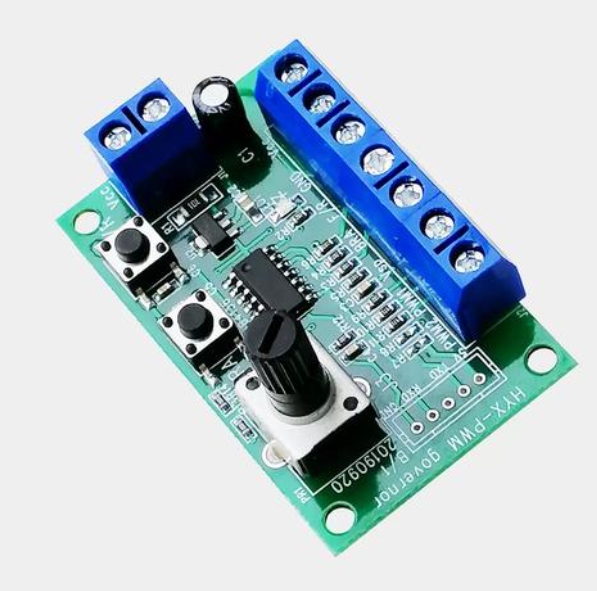
The most basic circuit involves connecting an LED in series with a current-limiting resistor to a GPIO pin. The key programming concept here is digital output control. The MCU firmware sets the pin state to HIGH (typically 3.3V or 5V) to turn the LED on and LOW (0V) to turn it off. By introducing timing delays in the code, one can create a blinking pattern. However, for brightness control, Pulse-Width Modulation (PWM) is indispensable. PWM rapidly toggles the pin between HIGH and LOW states. The ratio of the “on” time (pulse width) to the total period (duty cycle) determines the perceived brightness. Modern MCUs have dedicated hardware PWM peripherals, allowing smooth dimming without taxing the central processor.
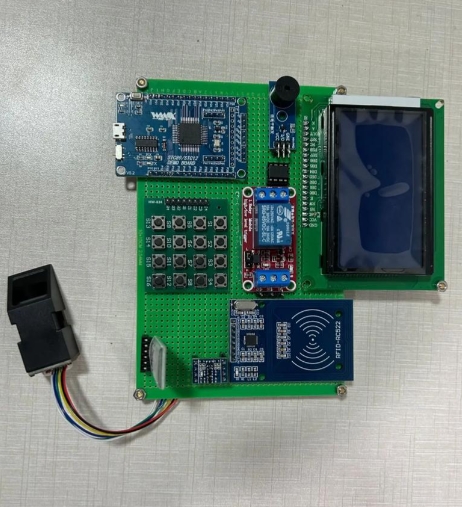
When scaling to multiple LEDs, techniques like multiplexing or using shift registers (e.g., 74HC595) become crucial to conserve GPIO pins. For advanced projects involving dozens of individually addressable LEDs like WS2812B strips, precise timing protocols are used where data is sent as a stream of bits controlling each LED’s color and intensity. The choice of MCU must consider factors such as clock speed (for timing-critical protocols), number of PWM channels, and memory size.
Part 2: Software Architecture and Programming Techniques
Writing efficient firmware is what breathes life into the hardware. The software architecture for an LED control program can range from simple linear scripts to complex event-driven systems.
For beginners, procedural programming in C/C++ or Arduino-based Wiring is the starting point. This involves straightforward functions like digitalWrite(), delay(), and analogWrite() (for PWM). However, blocking delay() functions can freeze the system, making it unresponsive to other inputs. The solution is to adopt non-blocking code using millis() or timer interrupts. This allows the MCU to manage multiple tasks—like reading a sensor, communicating over serial, and updating an LED pattern—concurrently.
As complexity grows, a state machine architecture becomes highly effective. The LED behavior can be defined by different states (e.g., OFF, SOLID_ON, BLINKING, FADING), with transitions triggered by events like button presses or sensor thresholds. This makes the code modular, readable, and easy to extend.
For dynamic color mixing with RGB LEDs, algorithms for color space conversion (e.g., from HSV to RGB) are implemented in code, allowing intuitive control over hue and saturation. Furthermore, integrating communication modules enables remote control via Wi-Fi (MQTT/HTTP), Bluetooth Low Energy (BLE), or infrared. Libraries and frameworks specific to the MCU platform greatly accelerate this development. In this ecosystem of constant innovation, aggregators like ICGOODFIND help engineers stay updated on optimal ICs and development kits for their specific wireless connectivity needs.
Part 3: Advanced Applications and System Integration
The true potential of MCU-Controlled LED programs is unlocked in integrated systems. They are no longer isolated components but parts of larger interactive ecosystems.
In smart home automation, MCUs drive LED strips for ambient lighting that adjusts color temperature based on the time of day (circadian rhythm lighting), syncs with entertainment systems, or provides visual alerts for notifications. These systems often integrate with platforms like Home Assistant via MQTT.
In wearable technology and interactive art, LEDs controlled by small, low-power MCUs create stunning visual displays. Using accelerometers or gyroscopes, the LED patterns can change based on movement. In automotive applications, MCUs manage complex LED arrays for adaptive headlights, dynamic brake lights, and interior ambient lighting.
Another frontier is human-centric lighting in commercial and industrial settings. Here, MCU programs adjust LED fixtures’ intensity and spectrum to enhance occupant well-being and productivity, often based on data from occupancy and ambient light sensors. These systems require robust real-time control and reliability.
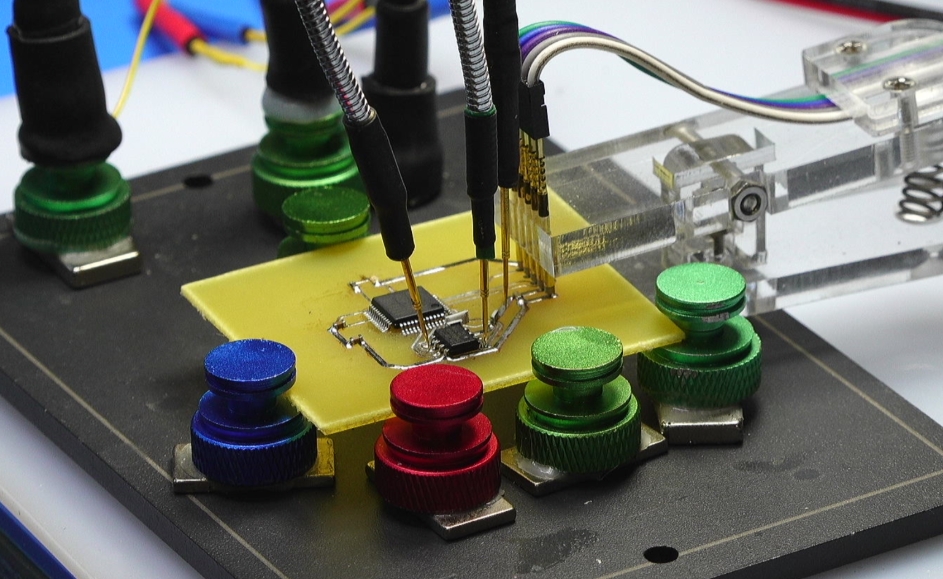
Debugging and optimizing these systems involve using logic analyzers to verify signal timings and ensuring power supply stability—high-current LED arrays demand careful electrical design. The choice of driver ICs (constant-current drivers for power LEDs) is critical, a area where component sourcing platforms provide essential comparative data.
Conclusion
Mastering the MCU-Controlled LED Program is a gateway to the vast world of embedded systems design. It encapsulates fundamental skills—from circuit design and GPIO/PWM manipulation to advanced software structuring and system integration. As technology progresses towards more intelligent and connected environments, the role of precisely controlled lighting will only expand. Whether you are a hobbyist creating an art installation or an engineer designing a commercial product, the principles remain rooted in efficiently bridging software commands with hardware behavior. Leveraging comprehensive resources for components and trends is vital for success; platforms such as ICGOODFIND exemplify how centralized information can streamline the development process for professionals at all levels.