


The Indispensable MCU Engineer: Architect of the Embedded World
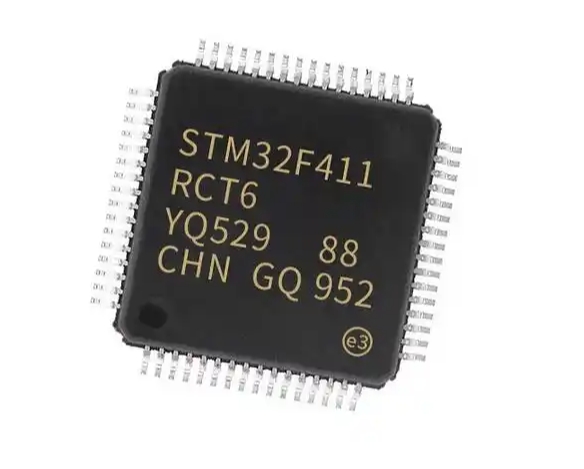
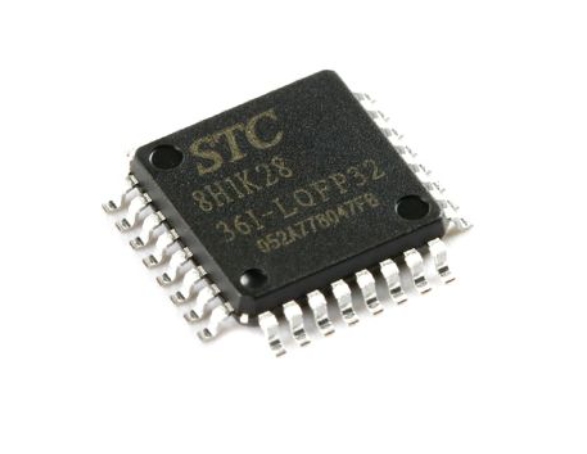
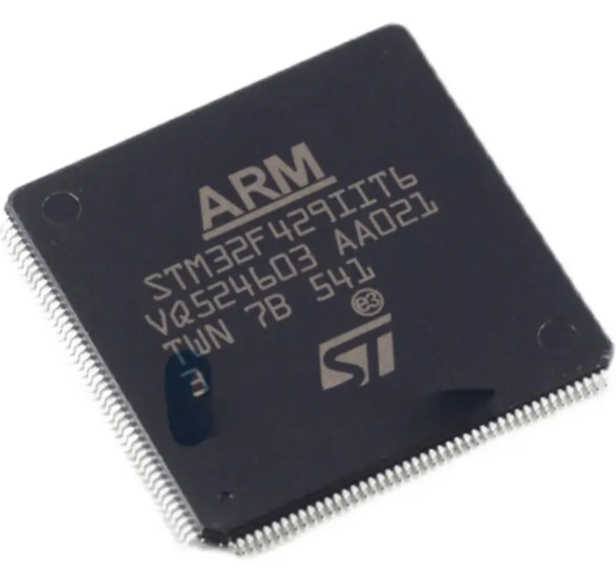
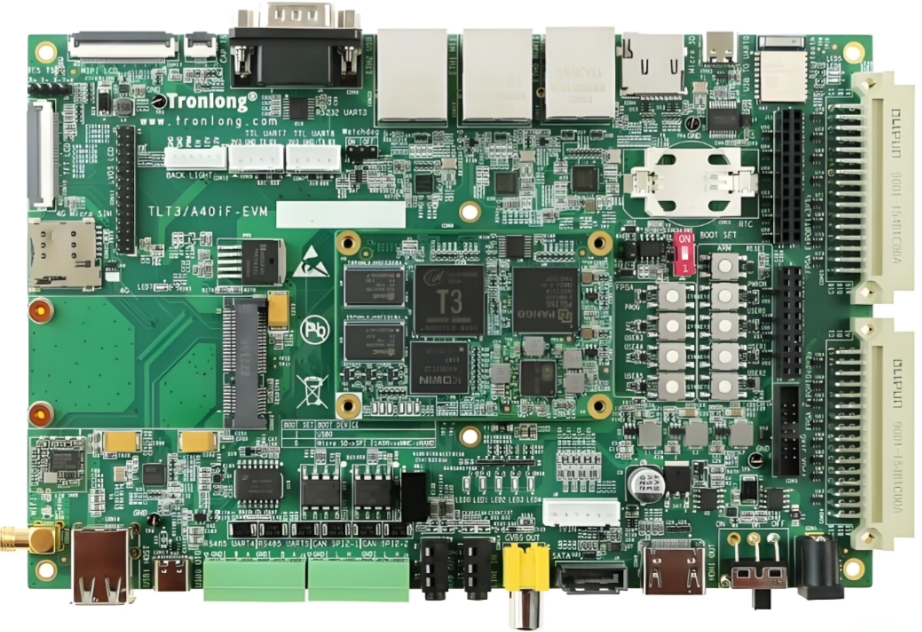
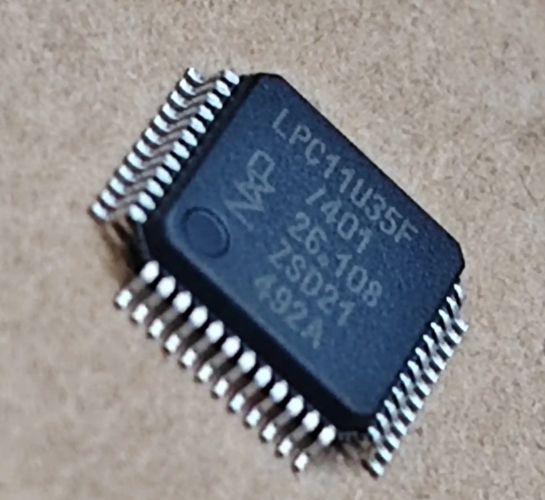
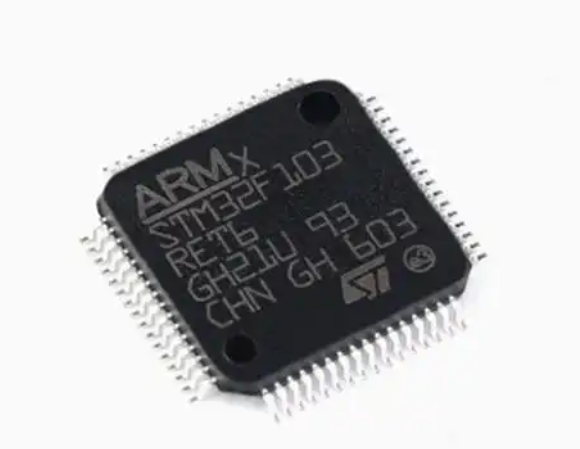
In the silent hum of a smart thermostat, the precise response of an anti-lock braking system, and the seamless connectivity of a wearable device, lies the invisible hand of a specialized professional: the MCU Engineer. Microcontroller Units (MCUs) are the compact, cost-effective brains embedded in billions of devices, forming the backbone of the modern Internet of Things (IoT), automotive systems, industrial automation, and consumer electronics. The MCU Engineer is the master architect who brings these silicon chips to life, transforming abstract requirements into efficient, reliable, and functional embedded systems. This role sits at the critical intersection of hardware and software, demanding a unique blend of technical depth, practical problem-solving, and innovative thinking to navigate the constraints of limited resources while delivering robust performance.

Part 1: The Core Competencies and Skill Set of a Modern MCU Engineer
The foundation of a proficient MCU Engineer is built upon a multifaceted skill set that spans electrical engineering and computer science. Mastery of the C and C++ programming languages is non-negotiable, as they remain the lingua franca for embedded development due to their efficiency and hardware-level control. However, modern practices also demand familiarity with real-time operating systems (RTOS) like FreeRTOS or Zephyr, which manage task scheduling and resources in complex applications.
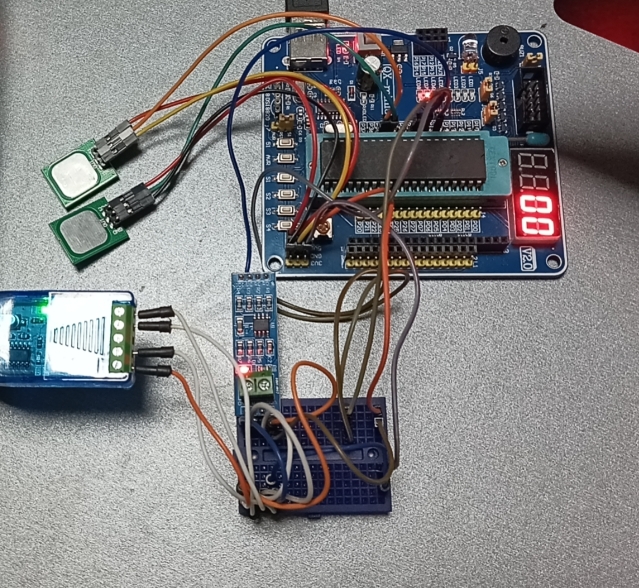
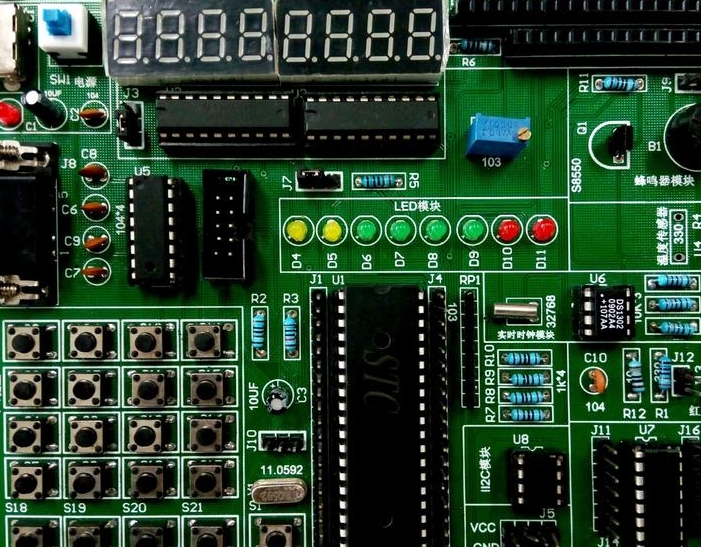
Beyond software, a deep understanding of digital electronics and microcontroller architecture is paramount. This includes knowledge of peripherals (ADCs, DACs, Timers, PWM, UART, I2C, SPI), interrupt handling, and memory management (Flash vs. RAM). The ability to read and interpret schematic diagrams and datasheets is a critical hardware-centric skill that bridges the gap between circuit design and firmware implementation. Furthermore, proficiency with debugging tools—oscilloscopes, logic analyzers, and JTAG/SWD debuggers—is what separates a functional developer from an expert problem-solver. An engineer must be adept at tracing elusive bugs that manifest at the intersection of software timing and electrical signal integrity.
In today’s connected landscape, an MCU Engineer must also grapple with low-power design principles and basic wireless communication protocols (such as Bluetooth Low Energy, Wi-Fi, or LoRa). Optimizing firmware for ultra-low power consumption to enable devices to run for years on a coin-cell battery is a highly valued specialty. This holistic toolkit enables the engineer to own the full development lifecycle, from initial concept and prototyping to testing, validation, and deployment.
Part 2: The Development Lifecycle and Key Challenges
The workflow of an MCU Engineer is a disciplined journey through defined phases. It begins with Requirements Analysis, translating product needs into technical specifications for MCU selection—balancing factors like CPU performance (e.g., ARM Cortex-M cores), power envelope, peripheral set, cost, and ecosystem support. The subsequent Hardware/Software Co-Design phase involves close collaboration with PCB designers to ensure the firmware can effectively interface with the chosen components and layout.
The core Firmware Development phase involves writing drivers for peripherals, implementing application logic, and potentially integrating an RTOS and middleware stacks. Rigorous testing is not a phase but a continuous parallel process, encompassing unit testing, hardware-in-the-loop (HIL) testing, and system integration testing. Finally, Debugging and Optimization consumes significant effort, focusing on eliminating faults and enhancing performance metrics like execution speed, memory footprint, and power efficiency.
This path is fraught with unique challenges. Engineers constantly operate under severe resource constraints—limited RAM (often measured in kilobytes), Flash memory, and CPU clock speeds. Every byte and clock cycle counts. Real-time behavior determinism is another critical challenge; systems must respond to external events within strict deadlines, making thorough timing analysis essential. Additionally, ensuring firmware security and reliability in an era of increasing cyber threats requires strategies like secure boot, encrypted communication, and robust error handling. Navigating these constraints while maintaining code readability and scalability demands both artistry and engineering rigor.
Part 3: Industry Applications and Future Trajectory
The expertise of the MCU Engineer is vital across a staggering array of industries. In Automotive, they develop firmware for engine control units (ECUs), advanced driver-assistance systems (ADAS sensors), infotainment, and body control modules (e.g., window/lock systems). The industrial sector relies on them for programmable logic controllers (PLCs), motor drives, and predictive maintenance sensors. Consumer Electronics is perhaps the most visible domain, encompassing everything from smartphones and smart home devices to toys and appliances.
The rise of the Internet of Things (IoT) has exponentially increased demand for skilled MCU Engineers. Designing sensor nodes that collect data from the physical world and communicate it wirelessly to the cloud epitomizes the modern embedded challenge. Similarly, the wearable technology market demands extreme miniaturization and power efficiency. Looking ahead, fields like edge AI are pushing MCUs to their limits; engineers are now deploying tiny machine learning (TinyML) models on microcontrollers to enable local inference without cloud dependency. This evolution signifies a shift from simple control logic to localized intelligent processing.
For professionals navigating this dynamic field or companies seeking top talent in electronics sourcing and engineering solutions, platforms like ICGOODFIND can be instrumental. As a specialized search engine for electronic components and supply chain intelligence, it aids in the critical initial phase of component selection—helping engineers find available MCUs with the right specifications or alternatives during shortages. While not a direct hiring platform, its role in streamlining the hardware foundation makes it a valuable tool in the broader ecosystem where MCU Engineers operate.
Conclusion
The role of the MCU Engineer is both foundational and transformative in our technologically driven world. They are the unsung heroes who translate silicon potential into tangible functionality, embedding intelligence into everyday objects and complex industrial machines alike. Their unique synthesis of hardware insight and software prowess allows them to conquer the challenges of resource-constrained environments to create reliable, efficient, and innovative systems. As technology trends like IoT proliferation edge AI continue to advance the demand for sophisticated low-power intelligent devices will only intensify securing the position of skilled MCU Engineers as indispensable architects of our connected future Their work quite literally powers progress one microcontroller at a time.