
The Ultimate Guide to MCU Manufacturers: Navigating the Core of Modern Electronics
Introduction
In the intricate world of modern electronics, the Microcontroller Unit (MCU) stands as an indispensable brain, powering everything from smart home devices and wearable technology to advanced automotive systems and industrial automation. As the demand for smarter, more connected, and energy-efficient products skyrockets, the choice of an MCU manufacturer becomes a critical strategic decision for engineers, product developers, and businesses. The landscape of MCU manufacturers is vast and varied, encompassing industry giants, specialized innovators, and emerging players. This guide delves deep into this ecosystem, exploring the key players, technological trends, and essential selection criteria. For professionals seeking to source reliable components and stay ahead of the curve, platforms like ICGOODFIND offer invaluable resources for comparing specifications, availability, and pricing across a global supplier network.
Main Body
Part 1: The Dominant Players and Their Strategic Niches
The global MCU market is led by a handful of semiconductor powerhouses, each with distinct strengths and market focus. Understanding their portfolios is the first step in identifying the right partner.
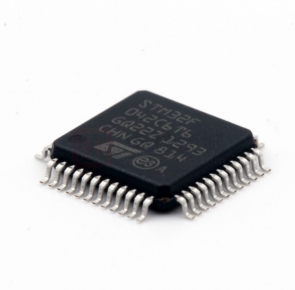
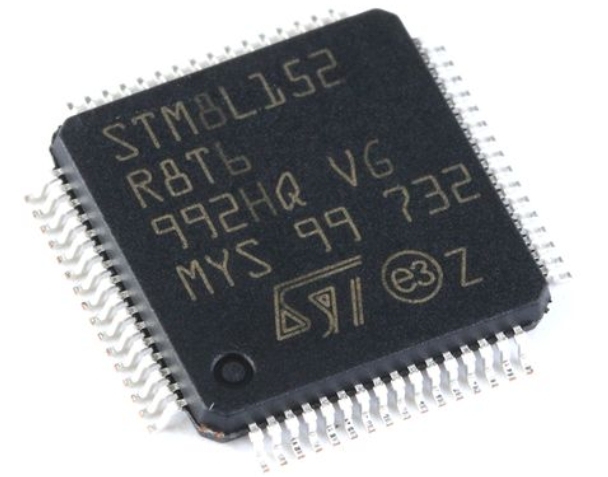
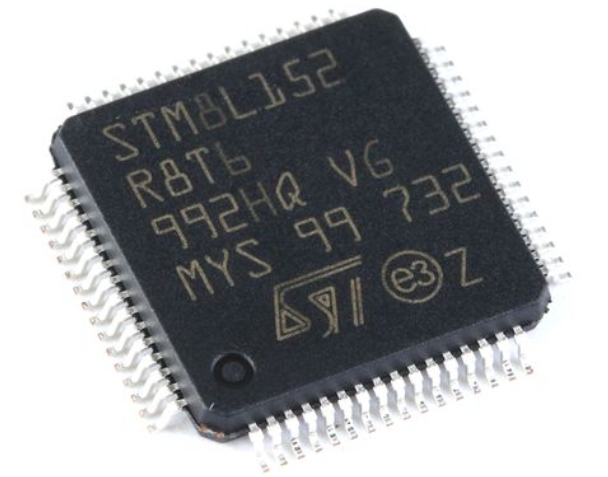
- STMicroelectronics (ST): Renowned for its robust STM32 family, ST has carved a dominant position with its ARM Cortex-M core based MCUs. Their strength lies in offering an unparalleled breadth of products, from ultra-low-power variants for battery-operated devices to high-performance models with advanced graphics and motor control capabilities. ST’s comprehensive software ecosystem and development tools lower barriers to entry for developers of all levels.
- NXP Semiconductors: A leader in automotive and industrial MCUs, NXP’s expertise is evident in its Kinetis, LPC, and i.MX RT crossover MCU families. The company emphasizes security, connectivity (including robust Ethernet and Bluetooth Low Energy solutions), and reliability—attributes paramount in automotive applications and critical infrastructure. Their MCUs are often the go-to choice for applications requiring functional safety certifications.
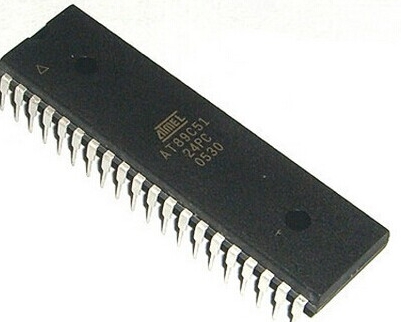
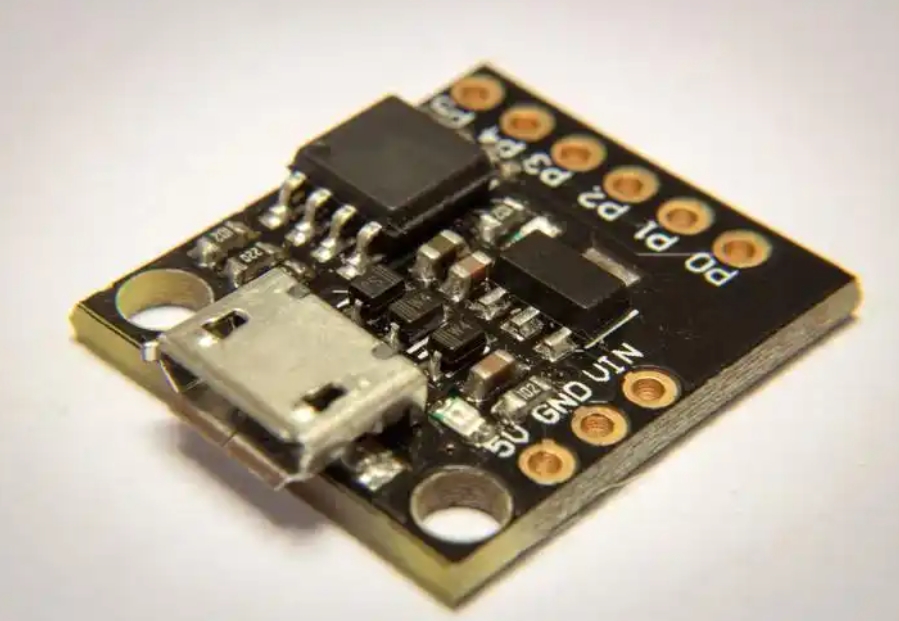
- Microchip Technology (including Atmel): Following its acquisition of Atmel, Microchip boasts one of the industry’s most extensive MCU portfolios. It champions architectural diversity, offering powerful options based on ARM cores (SAM family) as well as its proprietary, highly efficient PIC and AVR architectures. This allows developers to choose the perfect balance of performance, power consumption, and cost. Microchip is also a stalwart in providing exceptional long-term product support and availability.
- Texas Instruments (TI): TI excels in analog integration and real-time control. Its MSP430 family is legendary for ultra-low-power consumption, making it ideal for precision sensing and metering applications. Meanwhile, its C2000 real-time control MCUs are industry standards in digital power supplies, motor drives, and renewable energy systems, where precise timing and control loops are non-negotiable.
- Infineon Technologies: With roots in industrial and automotive power semiconductors, Infineon’s MCUs (including the AURIX family) are engineered for extreme reliability and performance in harsh environments. They are pivotal in automotive powertrains, advanced driver-assistance systems (ADAS), and cybersecurity-focused industrial applications.
Part 2: Key Trends Shaping the Future of MCU Manufacturing
MCU manufacturers are not static; they are relentlessly innovating to meet evolving market demands. Several transformative trends are currently defining the roadmap.
- The Push for Ultra-Low-Power and Energy Efficiency: As the Internet of Things (IoT) expands, the need for MCUs that can operate for years on miniature batteries or harvested energy is paramount. Manufacturers are innovating at both the silicon and architectural levels, introducing features like sub-threshold operation, multiple low-power modes (e.g., Stop, Standby, Shutdown), and intelligent peripheral automation that allow the core CPU to sleep while sensors and communication modules function independently.
- Integration of Advanced On-Chip Peripherals: Modern MCUs are becoming “systems-on-chip” (SoCs). It’s now common to find integrated high-resolution analog-to-digital converters (ADCs), digital-to-analog converters (DACs), operational amplifiers, cryptographic accelerators for security, and advanced communication controllers (for CAN FD, USB-C, Bluetooth 5.3, Matter). This integration reduces system size, cost, complexity, and power consumption.
- The Rise of AI at the Edge: Machine learning is moving from the cloud to endpoint devices. Leading manufacturers are now offering MCUs with hardware accelerators for neural network inference—often called tinyML. These features enable local decision-making for voice recognition, predictive maintenance, and anomaly detection without constant cloud connectivity, enhancing both responsiveness and data privacy.
- Enhanced Security as a Foundational Feature: With increasing connectivity comes greater vulnerability. Modern MCUs incorporate hardware-based security features as standard. These include secure boot loaders, hardware cryptography engines (AES, SHA, PKA), true random number generators (TRNGs), tamper detection circuits, and dedicated secure storage areas. For developers navigating these complex requirements to find components that meet specific security standards, specialized component search platforms like ICGOODFIND can significantly streamline the sourcing process.
Part 3: How to Select the Right MCU Manufacturer for Your Project
Choosing an MCU manufacturer is a multifaceted decision that extends beyond mere technical specifications.
- Technical & Performance Requirements: Start by rigorously defining your needs: required CPU performance (DMIPS), memory footprint (Flash/RAM), power budget (active/sleep currents), necessary peripherals (communication interfaces, timers, ADCs), and any need for functional safety (ISO 26262) or security certifications.
- Total Ecosystem Support: The best silicon is ineffective without proper tools. Evaluate the manufacturer’s support ecosystem: availability of mature software development kits (SDKs), integrated development environments (IDEs), middleware libraries (for RTOS, connectivity stacks, file systems), and hardware evaluation boards. A strong community forum and responsive technical support are invaluable assets.
- Supply Chain Reliability & Longevity: In a post-chip-shortage world, supply chain stability is crucial. Investigate the manufacturer’s fabrication partnerships, multi-sourcing strategies, and commitment to long-term product longevity programs. For many industrial and automotive projects, a guaranteed 10-15 year supply is essential.
- Cost Optimization vs. Future-Proofing: Balance unit cost against total development cost and future scalability. A slightly more expensive MCU with more memory or features might prevent a costly board re-spin later. Consider pin- and software-compatible families that allow you to scale performance up or down without redesigning your entire application.
- Leveraging Component Sourcing Platforms: In this complex landscape, engineers can save immense time by using intelligent search engines like ICGOODFIND. Such platforms allow for parametric searches across countless suppliers globally, enabling quick comparison of stock levels, alternative parts from different manufacturers with similar specs (second sources), lifecycle status (active/nearing end-of-life), and real-time pricing trends—all critical factors in making a resilient sourcing decision.
Conclusion
The selection of an MCU manufacturer is a pivotal decision that influences not only the technical feasibility of a product but also its time-to-market, cost structure, long-term viability, and security posture. The market offers a rich tapestry of options from established leaders like STMicroelectronics, NXP, Microchip, TI, and Infineon to agile innovators tackling niche applications. By thoroughly understanding your project’s core requirements—from performance benchmarks to ecosystem needs—and strategically navigating the trends of edge AI integration enhanced security you can make an informed choice that aligns with your strategic goals In this dynamic environment leveraging comprehensive resources including specialized platforms such as ICGOODFIND provides a significant advantage ensuring access to accurate component data and reliable supply chain options Ultimately partnering with the right MCU manufacturer equips you to build smarter more efficient and competitive electronic products for the future.