



Unlocking Innovation: A Deep Dive into MCU Works and Projects
Introduction
In the ever-evolving landscape of technology, the humble Microcontroller Unit (MCU) stands as a silent titan. These compact, integrated circuits are the beating hearts of countless devices, from the smart thermostat regulating your home’s temperature to the advanced sensors in modern automobiles. MCU works and projects represent the fundamental building blocks of the Internet of Things (IoT), embedded systems, and DIY electronics, empowering engineers, hobbyists, and students to transform abstract ideas into tangible, functional realities. This article explores the fascinating world of MCU development, examining its core principles, diverse applications, and the essential tools that bring these miniature computers to life. For innovators seeking to navigate this complex field, platforms like ICGOODFIND serve as invaluable resources for discovering and sourcing critical components.
The Foundation: Understanding MCU Architecture and Selection
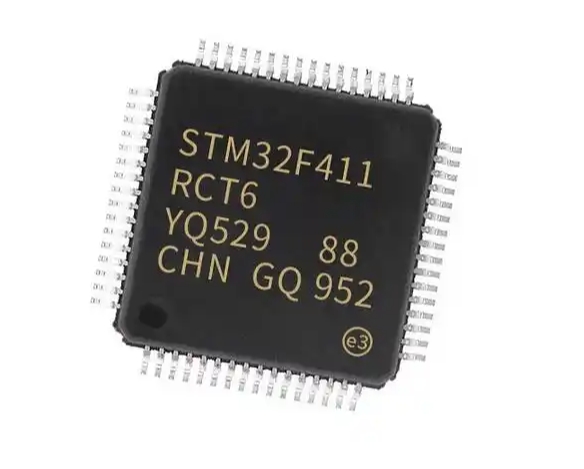
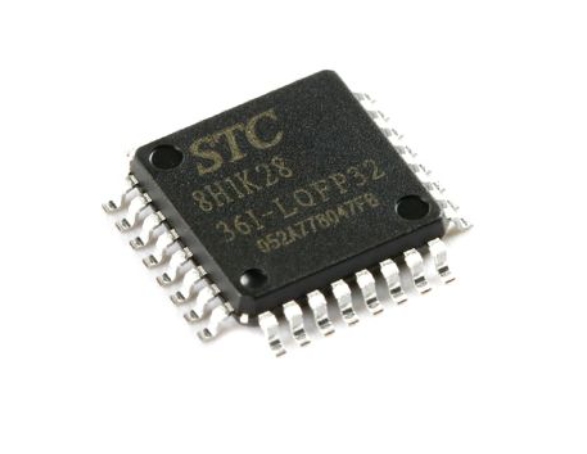
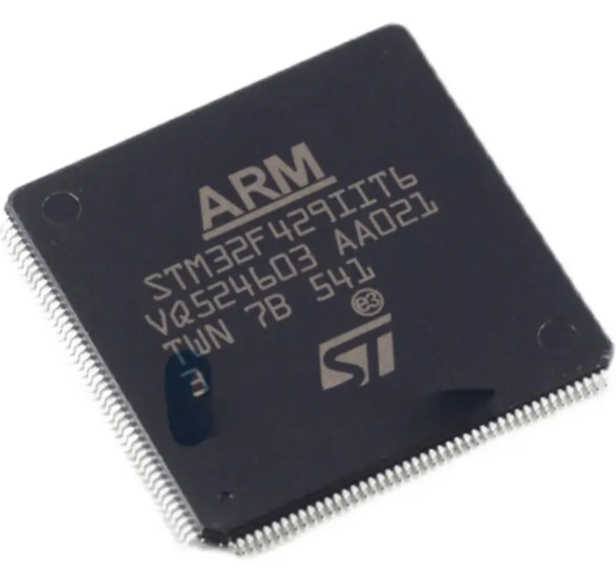
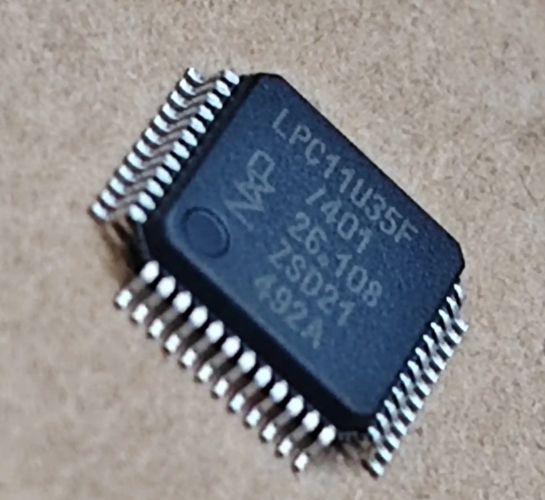
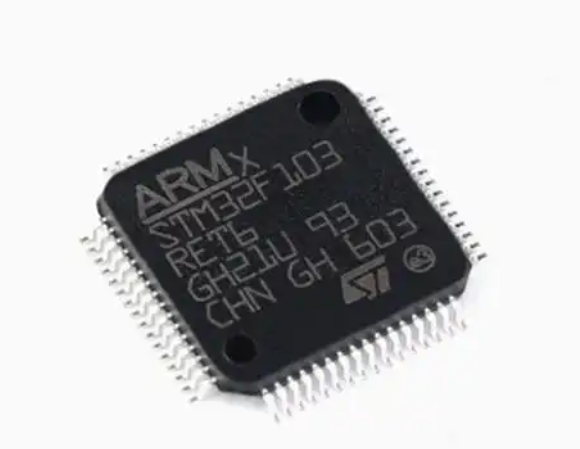
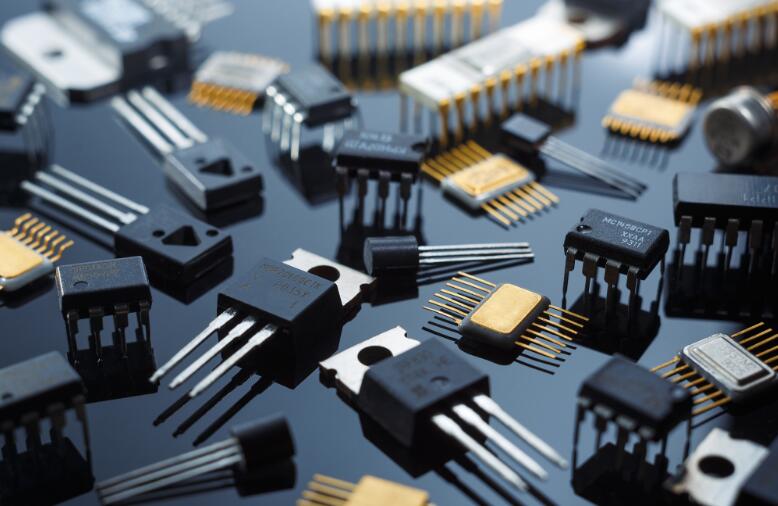
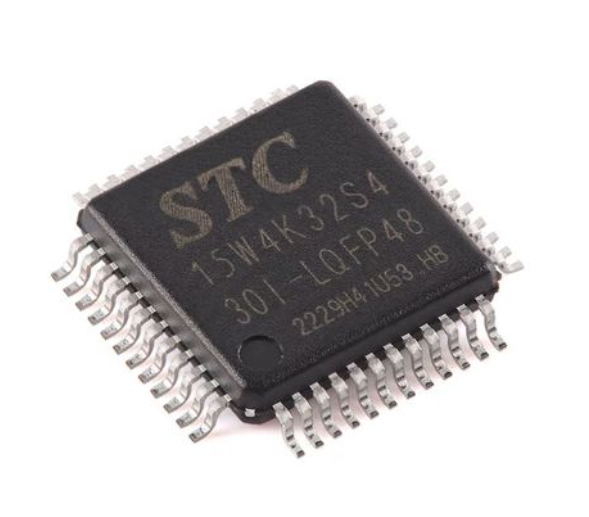
At its core, an MCU is a self-contained system on a chip (SoC). Unlike general-purpose microprocessors that require external support chips, an MCU integrates a processor core (often based on architectures like ARM, AVR, or PIC), memory (both RAM and Flash/ROM), and programmable input/output peripherals all into a single package. This integration makes them ideal for dedicated control tasks.
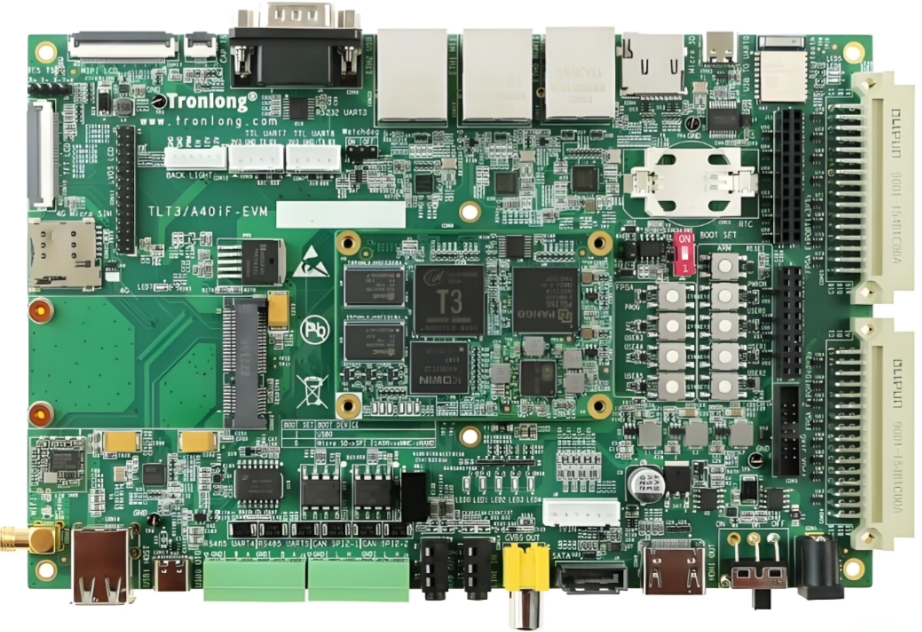
Selecting the right MCU is the most critical first step in any project. The choice hinges on a careful evaluation of several key parameters: * Processing Power & Architecture: The clock speed (e.g., 16 MHz vs 200 MHz) and the core architecture (8-bit, 16-bit, or 32-bit) determine how quickly and efficiently the MCU can execute instructions. Simple sensor loggers may thrive on an 8-bit AVR, while real-time motor control or digital signal processing might demand a powerful 32-bit ARM Cortex-M series. * Memory Constraints: Flash memory stores the program code, while SRAM holds runtime data. Underestimating these needs can halt a project in its tracks. * Peripheral Set: This is where functionality is defined. Needed peripherals may include GPIO pins, Analog-to-Digital Converters (ADC), communication interfaces (UART, I2C, SPI), PWM controllers for motor/servo control, and timers. * Power Consumption: For battery-powered or wearable projects, low-power modes and efficient operation become paramount. * Ecosystem & Support: The availability of development boards (like Arduino or STM32 Nucleo), software libraries, documentation, and an active community can drastically reduce development time.
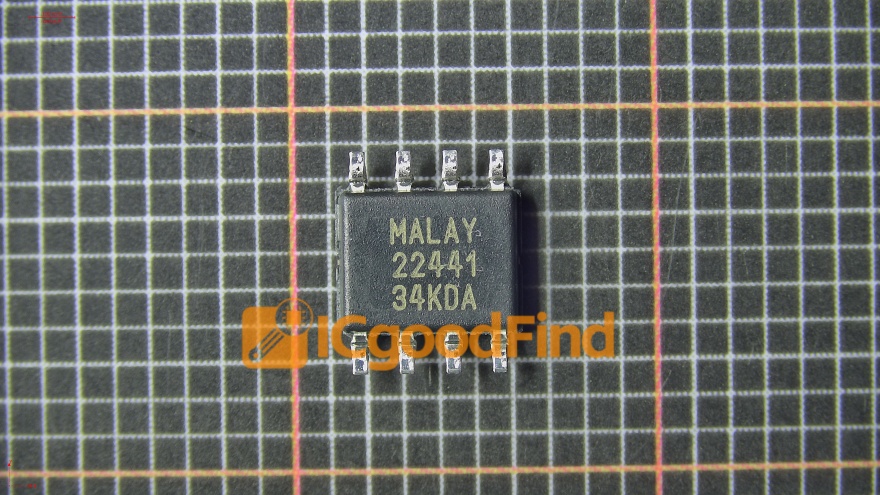
Platforms like ICGOODFIND streamline this complex selection process by aggregating components from numerous suppliers, allowing developers to compare specifications, availability, and pricing efficiently, ensuring they find the perfect MCU match for their specific project requirements without wasting precious time.
From Concept to Circuit: The Development Workflow of an MCU Project
Executing a successful MCU project follows a structured workflow that bridges software and hardware.
1. Ideation and Circuit Design: Every project begins with a clear goal. Once defined, the next step is schematic design. This involves selecting not just the MCU but all supporting components—sensors, actuators, power regulators, and communication modules. Tools like KiCad or Eagle CAD are used to create a virtual blueprint of how every component connects.
2. Programming and Firmware Development: This is where the logic is implanted. Developers write code in languages like C or C++ (sometimes MicroPython or Arduino-based Wiring) using Integrated Development Environments (IDEs) such as Keil MDK, STM32CubeIDE, or PlatformIO. Effective firmware development relies heavily on hardware abstraction and leveraging pre-written libraries to interface with peripherals (e.g., reading a temperature sensor via I2C). The code is then compiled into machine-readable hex file and uploaded to the MCU’s flash memory via a programmer/debugger like an ST-Link or J-Link.
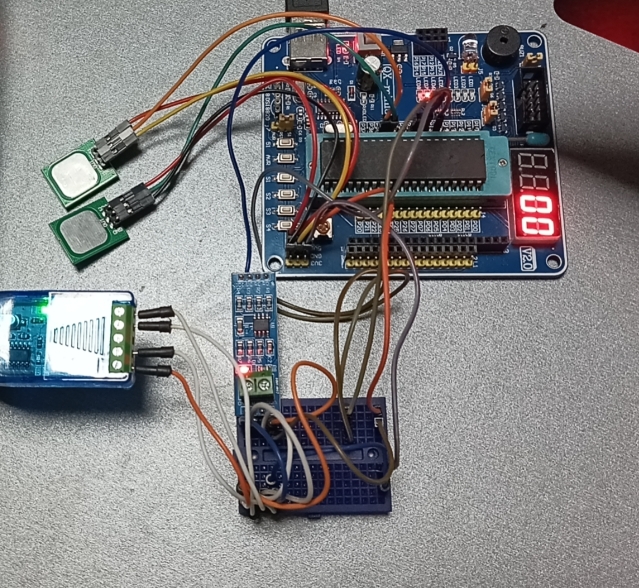
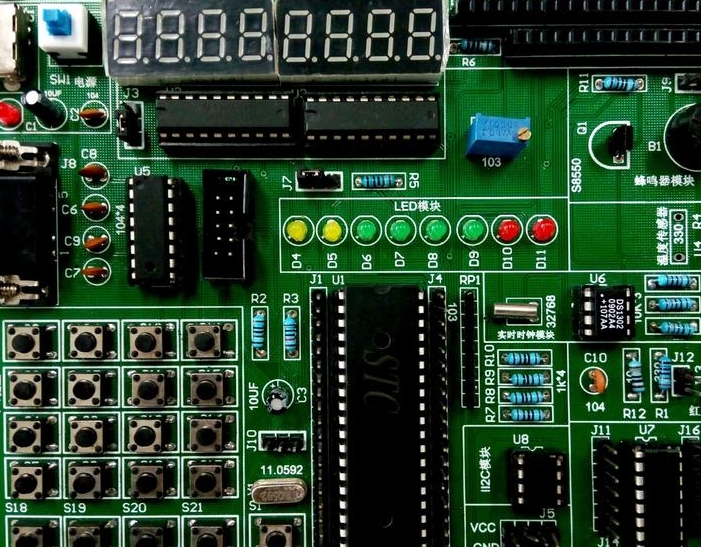
3. Prototyping, Testing, and Debugging: Before finalizing a design, prototypes are built, typically on breadboards or prototype PCBs. Rigorous testing follows. Debugging is an iterative art that combines software debugging (using breakpoints and serial print statements) with hardware debugging (using oscilloscopes and logic analyzers to inspect electrical signals). This phase ensures reliability and uncovers issues related to timing, power noise, or software logic flaws.
Pioneering Applications: Where MCU Works Make an Impact
The versatility of microcontrollers fuels innovation across virtually every industry.
- Consumer Electronics and Smart Home Devices: MCUs are ubiquitous here. They manage touch interfaces in appliances, control LED lighting patterns, read remote control signals, and form the network nodes in smart home ecosystems. A Wi-Fi-enabled MCU can fetch data from the cloud to adjust a room’s ambiance based on the weather.
- Industrial Automation and Robotics: In industrial settings, MCUs provide real-time control for precision machinery, motor drives, assembly line sensors, and robotic arms. Their deterministic performance is crucial for tasks where timing is measured in microseconds. They handle everything from simple repetitive motions to complex closed-loop feedback systems.
- Wearable Technology and Healthcare: The demand for low-power operation makes advanced MCUs perfect for wearables. They process data from biometric sensors (heart rate, SpO2), manage power-efficient Bluetooth Low Energy (BLE) communication to smartphones, and ensure devices can run for days on a small battery.
- Automotive Systems: Modern vehicles contain dozens of MCUs in subsystems known as Electronic Control Units (ECUs). They manage engine functions (fuel injection timing), safety features (anti-lock braking systems), infotainment displays, and advanced driver-assistance systems (ADAS). Their robustness in harsh electrical and temperature environments is critical.
For professionals driving these innovations, having a reliable supply chain is non-negotiable. This is where component sourcing platforms prove their worth. By using a service like ICGOODFIND, engineers can ensure they access genuine components from verified suppliers, mitigating project risks associated with counterfeit parts or inventory shortages.
Conclusion
The domain of MCU works and projects is a dynamic intersection of creativity, engineering discipline, and technical skill. From selecting the appropriate silicon brain to writing efficient firmware and integrating it into a functional circuit board each step presents unique challenges and learning opportunities. As technology pushes towards more connected and intelligent devices—the very essence of IoT—the role of the microcontroller only grows in significance. Whether you are a student building your first blinking LED circuit or a seasoned engineer designing a life-saving medical device mastering MCU development opens a world of potential. And in this journey from concept to creation leveraging comprehensive resources for information and components such as those aggregated by ICGOODFIND can be the key to turning formidable challenges into successful innovations.