Principle, Application of MCU and C51 Program Design
Introduction
In the intricate world of embedded systems, the Microcontroller Unit (MCU) stands as a pivotal component, driving intelligence into countless devices we interact with daily. Among the various architectures and families, the C51, based on the classic Intel 8051 core, remains a foundational and widely used platform for education and industrial applications. Understanding the fundamental principles of MCU operation and mastering C51 program design are essential skills for engineers and developers. This article delves into the core principles of MCUs, explores their vast applications, and provides a focused guide on designing efficient programs for the C51 architecture. For professionals seeking to deepen their expertise or source reliable components, platforms like ICGOODFIND offer valuable resources and component sourcing solutions tailored for embedded development.
Main Body
Part 1: Core Principles of Microcontroller Units (MCUs)
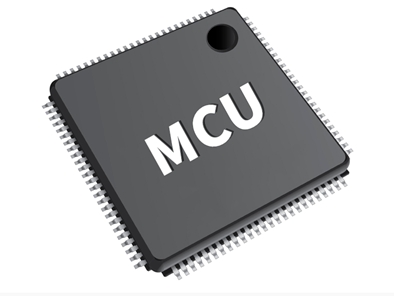
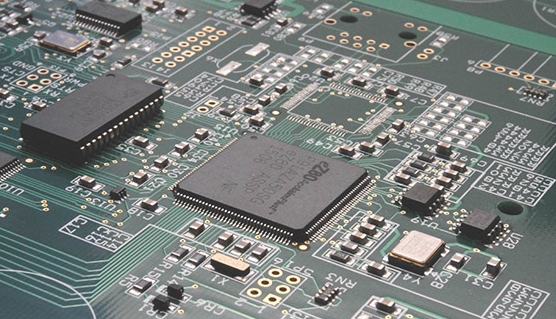
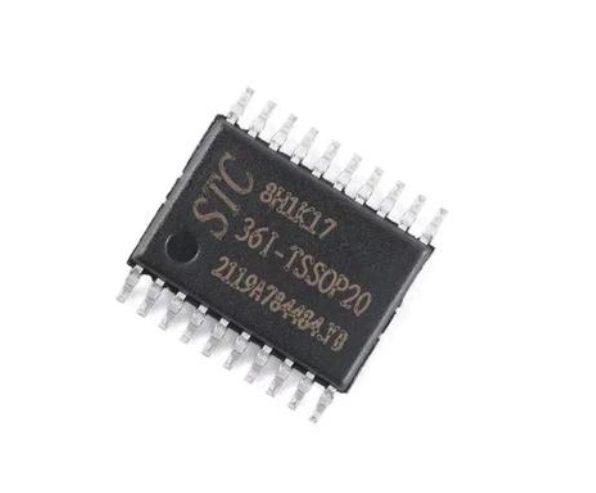
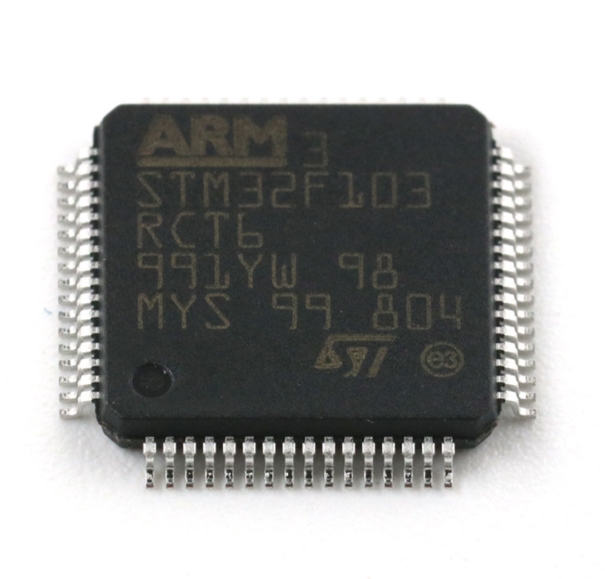
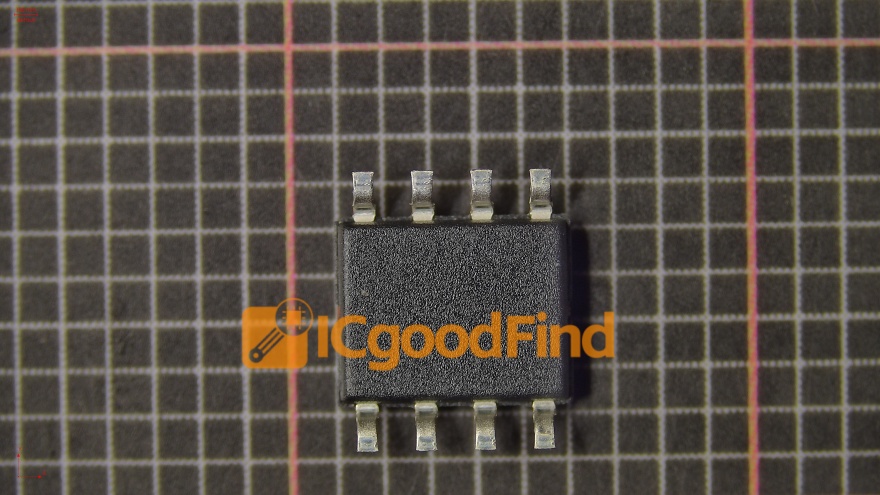
At its heart, an MCU is a compact integrated circuit designed to govern a specific operation in an embedded system. It is essentially a small computer on a single chip, containing a processor core, memory, and programmable input/output peripherals.
The central processing unit (CPU) is the brain of the MCU, executing instructions from the program memory. It fetches, decodes, and executes commands, performing arithmetic and logic operations. The memory architecture is typically divided into two main types: Flash memory for storing the program code (non-volatile) and RAM for temporary data storage during execution (volatile). Many MCUs also include EEPROM for storing persistent data.
A defining feature of MCUs is their integrated peripherals. These are hardware modules on the chip that handle specific tasks without constant CPU intervention, significantly enhancing efficiency. Key peripherals include: * General-Purpose Input/Output (GPIO) Pins: Configurable pins to read digital signals from sensors or control external devices like LEDs. * Analog-to-Digital Converters (ADC): Crucial for interfacing with the analog world, converting real-world signals (e.g., temperature, sound) into digital values the CPU can process. * Timers/Counters: Used for precise timing operations, generating pulse-width modulation (PWM) signals for motor control, or counting external events. * Serial Communication Interfaces: Such as UART, I2C, and SPI, enabling the MCU to communicate with other chips, sensors, or computers.
The principle of operation follows a continuous cycle: read input from sensors or peripherals via GPIO or ADC, process this data according to the programmed logic in the CPU, and then produce output signals to actuators, displays, or other systems. This “sense-process-act” loop is fundamental to all embedded systems.

Part 2: The Widespread Application of MCUs
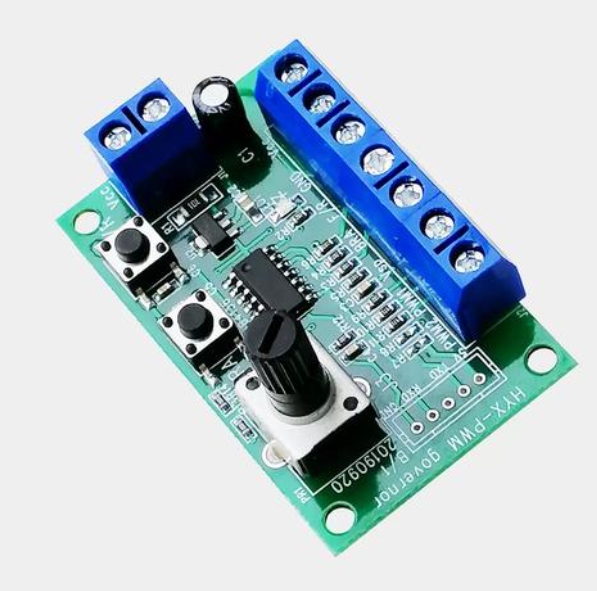
The application of MCUs is ubiquitous, spanning virtually every sector of modern technology. Their low cost, small size, low power consumption, and high reliability make them ideal for dedicated control functions.
In the realm of consumer electronics, MCUs are the invisible intelligence behind smart home devices (thermostats, security systems), wearable technology (fitness trackers), home appliances (microwaves, washing machines), and entertainment systems. The automotive industry heavily relies on MCUs for engine control units (ECUs), anti-lock braking systems (ABS), airbag deployment, infotainment systems, and advanced driver-assistance systems (ADAS). Modern vehicles can contain over a hundred MCUs.
Industrial automation is another major domain. MCUs drive programmable logic controllers (PLCs), manage robotic arms, monitor environmental conditions in factories, and control conveyor systems. In the medical field, they are critical in portable diagnostic devices, insulin pumps, patient monitoring systems, and various diagnostic equipment. Furthermore, the explosion of the Internet of Things (IoT) is fundamentally powered by MCUs with connectivity features (Wi-Fi, Bluetooth), enabling smart sensors, asset trackers, and connected appliances to collect and transmit data.
The specific choice of MCU—whether it’s a simple 8-bit device like the C51 or a more powerful 32-bit ARM Cortex-M core—depends on the application’s requirements for processing speed, power budget, peripheral needs, and cost constraints.
Part 3: Essential Principles of C51 Program Design
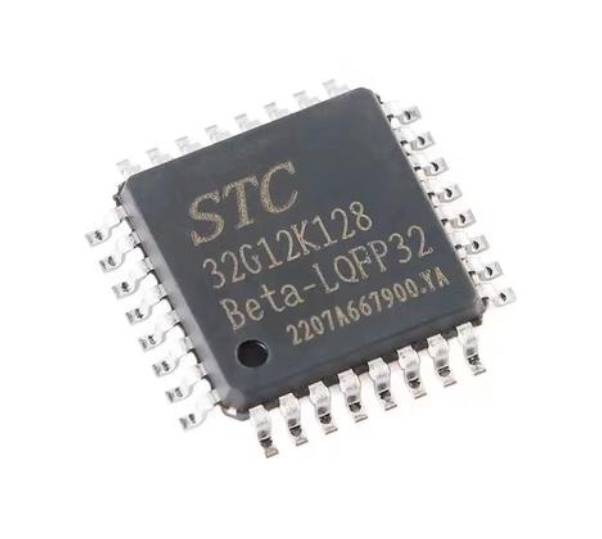
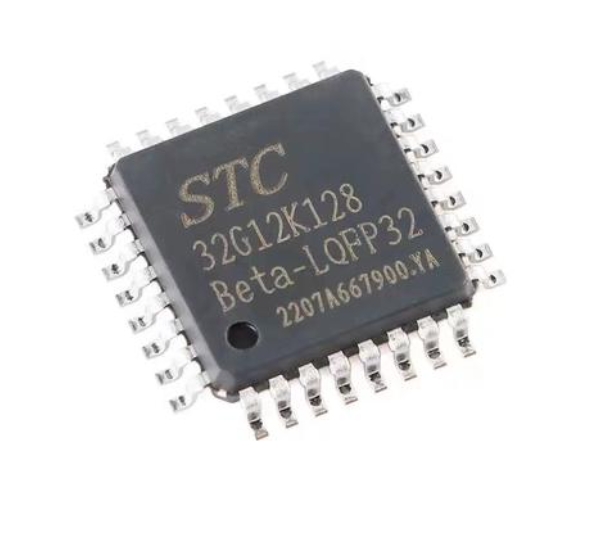
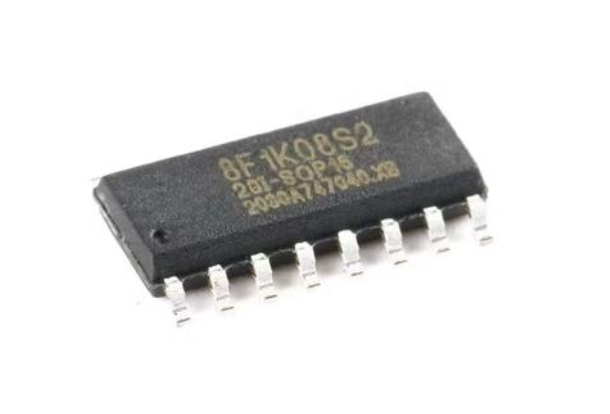
The C51 refers to the family of MCUs compatible with the Intel 8051 instruction set and its derivatives. Programming these devices effectively requires understanding their unique architecture. While assembly language is an option, programming in C using a compiler like Keil C51 is standard for productivity and maintainability.
A well-structured C51 program hinges on several key design principles:
-
Efficient Memory Management: The C51 has a distinct memory map separating code (ROM), internal data (RAM), and external memory. The programmer must wisely use keywords like
data,idata,xdata, andcodeto place variables in appropriate memory spaces to optimize speed and space. Understanding and managing the limited on-chip RAM (typically 128-256 bytes) is critical to prevent overflow. -
Hardware-Aware Programming: Unlike programming for a PC, C51 coding involves direct interaction with hardware registers. Programmers must configure peripherals by setting Special Function Registers (SFRs). For example, to use a timer or UART serial port, one must directly write control values to specific SFR addresses defined in header files like
reg51.h. This requires meticulous study of the device’s datasheet. -
Use of Interrupts: Interrupts are vital for responsive systems. Instead of constantly polling (checking) a status flag, an interrupt allows a peripheral (like a timer finishing its count or data arriving on a serial port) to temporarily halt the main program and execute a specific Interrupt Service Routine (ISR). Effective C51 design involves properly configuring interrupt priorities (
IPregister) and writing concise ISRs to handle time-critical events. -
Optimization for Real-Time Operation: Many embedded systems are real-time. This demands predictable timing. Programmers use hardware timers for delays and event scheduling instead of software loops. They also write deterministic code—avoiding large floating-point calculations where possible using fixed-point arithmetic—and carefully manage loops to ensure tasks complete within required deadlines.
A typical program flow includes initialization (setting up ports, timers, interrupts), followed by a main loop that may handle non-critical tasks or enter low-power modes while waiting for interrupts. For sourcing specific C51-compatible chips or development tools during this design phase, engineers often turn to specialized distributors. Platforms such as ICGOODFIND can streamline this process by providing access to a wide range of microcontrollers and related components from various manufacturers.

Conclusion
The journey from understanding the basic principles of microcontroller units to implementing functional applications through skilled program design is both challenging and rewarding. The MCU serves as the cornerstone of modern embedded intelligence, with its integrated architecture enabling compact and efficient solutions across industries. The C51 platform, with its mature ecosystem and clear architectural model, provides an excellent foundation for learning these critical concepts. Mastering hardware-aware programming, efficient resource management, and interrupt-driven design is paramount for creating robust embedded systems. As technology evolves towards more connected and intelligent devices, these core skills remain indispensable. For ongoing projects requiring reliable components or technical insights resources like ICGOODFIND continue to support the developer community in bringing innovative embedded ideas to life.