




MCU and Embedded System Applications: The Invisible Engine Powering Modern Technology
Introduction
In the intricate tapestry of modern technology, where smart devices whisper to each other and machines operate with silent precision, lies a foundational yet often overlooked component: the Microcontroller Unit (MCU). Embedded systems, built around these powerful chips, form the operational core of countless devices that define our daily lives. From the moment your smart thermostat adjusts the room temperature to the anti-lock braking system that ensures your safety on a rainy road, MCU-driven embedded systems are the invisible engineers of functionality. This article delves into the expansive world of MCU and embedded system applications, exploring their fundamental principles, transformative use cases across industries, and the emerging trends shaping their future. Understanding this synergy is crucial for innovators, engineers, and businesses aiming to develop intelligent, efficient, and connected solutions in an increasingly automated world.

The Core Synergy: MCUs as the Heart of Embedded Systems
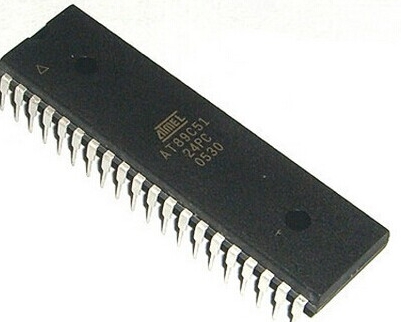
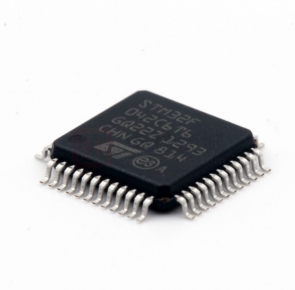
At its essence, an embedded system is a dedicated computing system designed to perform specific tasks within a larger mechanical or electrical system. Unlike general-purpose computers, it is embedded as an integral part of the complete device, often with real-time computing constraints. The Microcontroller Unit (MCU) is the compact, self-contained computer-on-a-chip that serves as the heart and brain of these systems. It integrates a processor core (CPU), memory (RAM and ROM/Flash), and programmable input/output peripherals onto a single integrated circuit.
This integration is what makes MCUs uniquely suited for embedded applications. Their design prioritizes low power consumption, cost-effectiveness, and real-time responsiveness over raw computational power. An MCU can be programmed to monitor sensors (input), process that data according to a defined logic, and execute precise actions (output) on actuators—all within stringent timing deadlines. For instance, in a wearable fitness tracker, the MCU continuously reads data from an accelerometer, processes it to count steps, manages power to extend battery life for weeks, and communicates results to a display or via Bluetooth. This self-contained operation eliminates the need for complex external components, enabling compact, reliable, and mass-producible designs. The success of any embedded application hinges on selecting the right MCU with the appropriate architecture (e.g., ARM Cortex-M, AVR, PIC), processing speed, memory footprint, and peripheral set—a decision critical for balancing performance with project constraints.

Transformative Applications Across Industries
The application of MCUs in embedded systems is so pervasive that it quietly powers entire sectors of the global economy. Their versatility allows for customization that meets vastly different requirements.
1. Consumer Electronics and Smart Home Devices: This is perhaps the most visible domain. MCUs are the workhorses inside smartphones (managing touchscreens and sensors), smart TVs, gaming consoles, and wireless headphones. In the smart home ecosystem, they enable the intelligence in Wi-Fi routers, voice-assisted smart speakers, connected thermostats, security cameras, and intelligent lighting systems. They process user inputs, manage wireless connectivity protocols (like Wi-Fi or Zigbee), and execute automated routines, making everyday objects interactive and responsive.
2. Automotive and Transportation: Modern vehicles are essentially networks of dozens, sometimes over a hundred, embedded systems. MCUs control everything from fundamental operations like engine control units (ECU), anti-lock braking systems (ABS), and airbag deployment to enhancing comfort and convenience through power windows, adaptive cruise control, and infotainment systems. The shift towards electric vehicles (EVs) and advanced driver-assistance systems (ADAS) further increases reliance on high-performance MCUs for battery management, motor control, and sensor fusion for autonomous driving features.
3. Industrial Automation and Internet of Things (IoT): This area represents a massive frontier for MCU innovation. In industrial settings, Programmable Logic Controllers (PLCs)—ruggedized embedded systems—use MCUs to automate assembly lines, robotic arms, and precision machinery. The Industrial IoT (IIoT) leverages MCUs as edge nodes to collect data from machinery sensors (temperature, vibration, pressure), perform initial analysis locally to reduce latency and cloud bandwidth (edge computing), and transmit critical insights for predictive maintenance. This minimizes downtime and optimizes production efficiency. Furthermore, platforms like ICGOODFIND can be instrumental for engineers and procurement specialists in sourcing the specific industrial-grade MCUs and embedded system components that meet rigorous reliability and longevity standards for such demanding environments.
4. Healthcare and Medical Devices: Reliability and precision are paramount here. MCUs are embedded in life-saving and life-enhancing devices such as portable insulin pumps, digital thermometers, heart rate monitors, pulse oximeters, and advanced imaging equipment. They ensure accurate sensor readings, deliver precise doses of medication, and maintain safe operational parameters. The rise of wearable health monitors and remote patient monitoring systems also heavily depends on low-power MCUs for continuous data acquisition and transmission.
Future Trends and Evolving Landscape
The landscape of MCU and embedded systems is dynamic, driven by relentless demands for greater intelligence, connectivity, and efficiency.
- AI at the Edge: Future MCUs are increasingly incorporating specialized cores (like ARM’s Ethos-U55) for tiny machine learning (TinyML). This allows embedded devices to run lightweight AI models directly on the MCU without constant cloud dependency. Imagine a security camera that can identify specific persons or anomalies locally or a vibration sensor that can diagnose machine failure patterns on-site.
- Enhanced Connectivity: While Wi-Fi and Bluetooth are staples, integration of low-power wide-area network (LPWAN) protocols like LoRaWAN and NB-IoT into MCUs is accelerating. This enables embedded devices in agriculture (soil sensors), logistics (asset trackers), and smart cities (utility meters) to transmit small packets of data over kilometers while operating on batteries for years.
- Focus on Security: As embedded systems become more connected, they become targets. Next-generation MCUs are embedding hardware-based security features such as secure boot, cryptographic accelerators, and hardware isolation zones to protect against remote exploits and ensure data integrity from chip to cloud.
- RISC-V Architecture: The open-standard RISC-V instruction set architecture is gaining traction as an alternative to proprietary cores. It offers designers greater customization freedom and potential cost reductions for specialized embedded applications.
Conclusion
The symbiotic relationship between Microcontroller Units (MCUs) and embedded systems forms an indispensable technological bedrock upon which modern innovation is built. From making our homes smarter and our cars safer to revolutionizing industrial productivity and advancing personal healthcare, these compact yet powerful systems perform dedicated tasks with unwavering reliability. As we move towards an increasingly interconnected and intelligent world—the realms of AIoT (AI + IoT), autonomous systems, and sustainable technology—the role of advanced MCUs will only become more central. Their evolution towards greater processing capability integrated with edge intelligence robust security robust security robust security robust security robust security robust security robust security robust security robust security robust security robust security robust security robust security robust security robust security robust security robust security robust security robust security robust security robust security robust security robust security robust security robust security robust security robust security robust security robust security ,and ultra-low power consumption will continue to unlock new possibilities across every sector For developers navigating this complex component landscape resources like ICGOODFIND provide valuable avenues for discovery ensuring access to the right MCU solutions that turn visionary embedded applications into tangible reality Ultimately understanding harnessing the potential of MCU technology is key to engineering the future one embedded system at a time.