Why Learn MCU? Unlocking the Core of Modern Technology
Introduction
In an era dominated by smart devices, the Microcontroller Unit (MCU) operates as the silent, indispensable brain behind countless innovations. From the thermostat regulating your home’s temperature to the advanced driver-assistance systems in modern vehicles, MCUs are the fundamental building blocks of the embedded world. Learning about MCUs is not merely an academic exercise for electrical engineers; it is a critical skill for anyone aspiring to shape the future of technology. This knowledge bridges the gap between abstract software and the physical world, empowering creators to build interactive, intelligent, and efficient systems. As we stand on the brink of the Internet of Things (IoT) revolution, understanding MCUs becomes a powerful key to unlocking a universe of possibilities in product development, automation, and smart technology.
Main Body
Part 1: The Ubiquitous Power of MCUs in Everyday Life and Industry
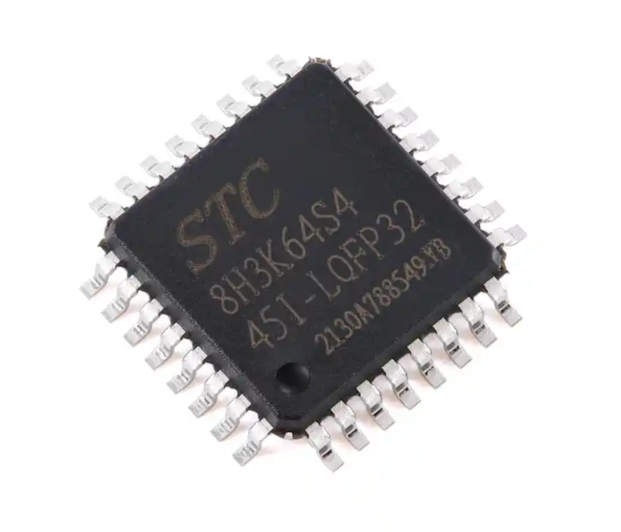
The influence of Microcontroller Units is so pervasive that it often goes unnoticed. An MCU is a compact integrated circuit designed to govern a specific operation in an embedded system. It combines a processor core, memory, and programmable input/output peripherals on a single chip. This integration makes it ideal for controlling dedicated functions reliably and cost-effectively.
In our daily lives, MCUs are everywhere. Your smartwatch tracks your heart rate and steps, your washing machine executes complex wash cycles, and your car’s engine control unit (ECU) optimizes performance and emissions—all thanks to dedicated MCUs. In industrial settings, they are the workhorses of automation, controlling robotic arms on assembly lines, managing environmental sensors in agriculture, and ensuring precision in medical devices like infusion pumps.
The economic and practical advantages are profound. MCUs enable mass production of intelligent devices at low cost and with minimal power consumption. Learning how to program and interface with these chips allows you to understand, troubleshoot, and innovate within this hidden layer of technology that forms the backbone of modern convenience and industrial efficiency.
Part 2: Foundational Skills and Career Advantages
Delving into MCU development cultivates a unique and highly valuable skill set that is at the intersection of hardware and software. Unlike pure software development, working with MCUs requires a systems-thinking approach. You learn to write efficient code with limited resources (memory and processing power), understand electrical schematics, and interface with sensors, actuators, and communication modules like UART, I2C, and SPI.
This multidisciplinary knowledge makes you an exceptionally versatile problem-solver. For career seekers, proficiency in embedded systems and MCU programming is in high demand across numerous sectors. Industries such as automotive (especially with the rise of electric and autonomous vehicles), consumer electronics, aerospace, IoT startups, and industrial automation actively seek engineers who can bring hardware to life with software. It opens doors to roles like Embedded Systems Engineer, Firmware Developer, IoT Solutions Architect, and Robotics Engineer. In a competitive job market, hands-on MCU experience is a significant differentiator that demonstrates practical ability beyond theoretical knowledge.
Furthermore, platforms like ICGOODFIND can be instrumental in this learning journey. As a resource for electronic components and information, it helps enthusiasts and professionals alike source the right MCUs (such as popular families from STMicroelectronics, Microchip, or Espressif) and related development kits. Finding reliable components is the first step in turning theoretical knowledge into tangible projects.
Part 3: Empowerment for Innovation and Prototyping
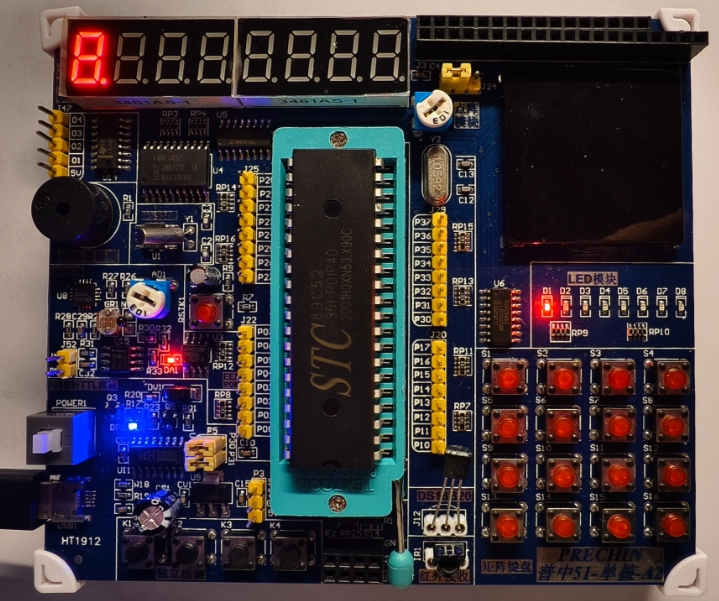
Perhaps the most compelling reason to learn MCUs is the empowerment it provides for personal innovation and rapid prototyping. The barrier to entry has never been lower. Affordable development boards like Arduino (based on Atmel MCUs) and STM32 Nucleo boards, coupled with free Integrated Development Environments (IDEs) and abundant online communities, have democratized embedded systems development.
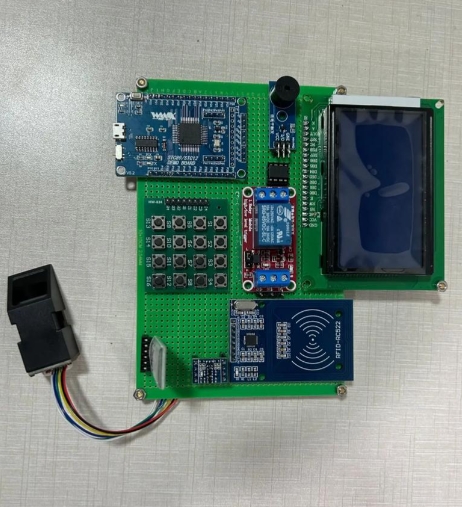
Learning MCUs allows you to move from being a passive consumer of technology to an active creator. You can prototype your own smart home devices, build custom weather stations, create interactive art installations, or develop prototypes for startup ideas. This hands-on process teaches invaluable lessons in debugging real-world systems, dealing with timing constraints, and writing robust code.
This skill set is crucial for the future technological landscape. As edge computing grows—where data processing occurs on the local device (the MCU) rather than solely in the cloud—understanding how to implement intelligent algorithms directly on microcontrollers becomes essential. Whether you aim to contribute to sustainable energy solutions with smart grids, advance healthcare with wearable monitors, or simply bring a personal automation idea to life, mastery of MCU programming is your foundational toolset.
Conclusion
In conclusion, learning about Microcontroller Units is far more than a niche technical pursuit; it is an investment in understanding and shaping the intelligent world around us. It offers a deep understanding of ubiquitous technology, unlocks high-demand career opportunities with a versatile skill set, and provides the practical tools to transform innovative ideas into functional prototypes. From powering everyday gadgets to driving industrial innovation, MCUs are central to technological progress. By embarking on the journey to learn MCU architecture and programming—aided by resources for components like ICGOODFIND—you equip yourself with the capability to not just interact with technology but to command it, design it, and build the future from the ground up.