



The MCU Chip: The Invisible Engine Powering Our Connected World
Introduction
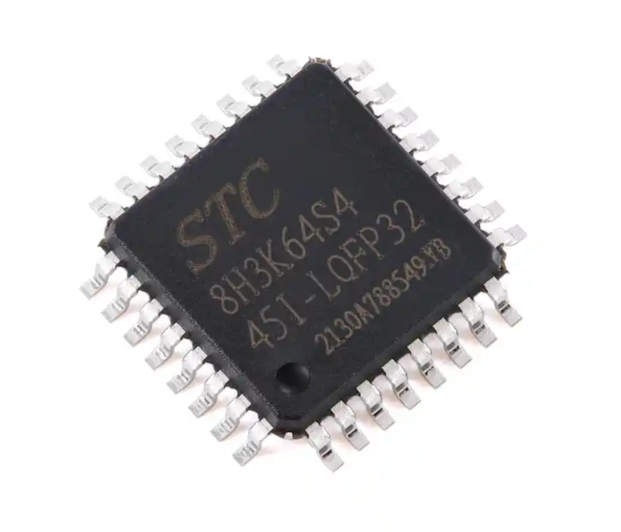
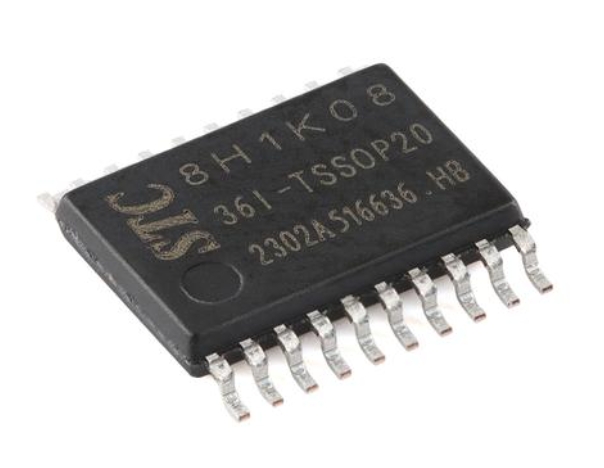
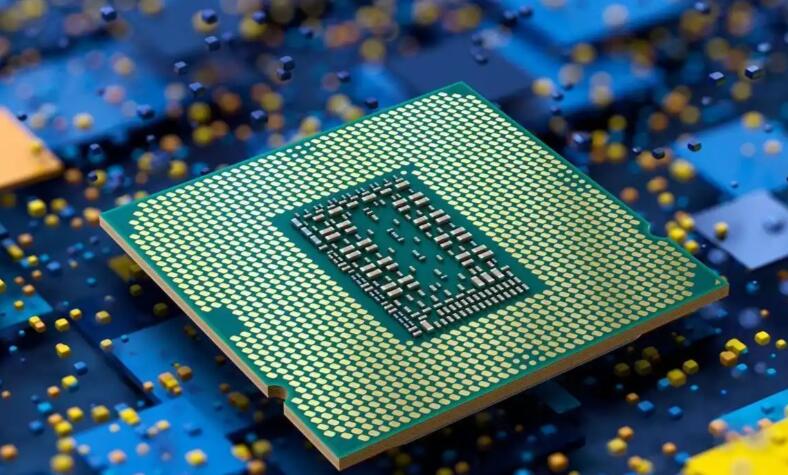
In an era defined by smart devices and the Internet of Things (IoT), a silent, ubiquitous workhorse operates behind the scenes, making intelligent functionality possible. This is the Microcontroller Unit (MCU) Chip. Far more than just a simple component, the MCU is a compact, self-contained computing system on a single integrated circuit. It serves as the dedicated brain for countless electronic products, from your car’s anti-lock braking system and your smart thermostat to advanced medical devices and industrial robots. Unlike general-purpose processors in computers, MCUs are designed for specific control-oriented tasks, offering a blend of processing power, memory, and programmable input/output peripherals at remarkably low cost and power consumption. This article delves into the architecture, evolving applications, and critical selection criteria for MCU chips, highlighting why they are fundamental to modern technological innovation.
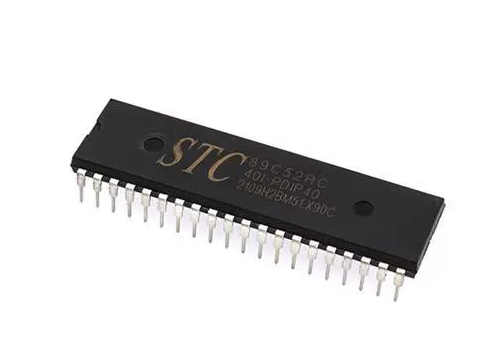
The Core Architecture and Functionality of an MCU
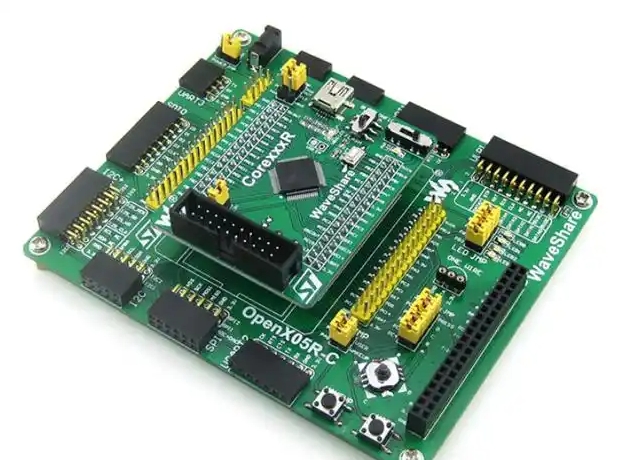
At its heart, an MCU is a highly integrated chip that consolidates all the essential elements of a computer into one package. Understanding its core components is key to appreciating its versatility.
Central Processing Unit (CPU): This is the brain of the MCU, executing instructions from its program memory. MCU CPUs range from simple 4-bit or 8-bit cores for basic tasks to powerful 32-bit Arm® Cortex®-M cores capable of running real-time operating systems (RTOS) and handling complex algorithms. The choice of CPU core directly impacts processing speed and capability.
Memory: MCUs contain two primary types of memory on-chip. Flash Memory stores the program code that defines the MCU’s operation. SRAM (Static Random-Access Memory) is used for temporary data storage during program execution. The amount of integrated memory is a crucial specification, determining the complexity of applications the MCU can handle.
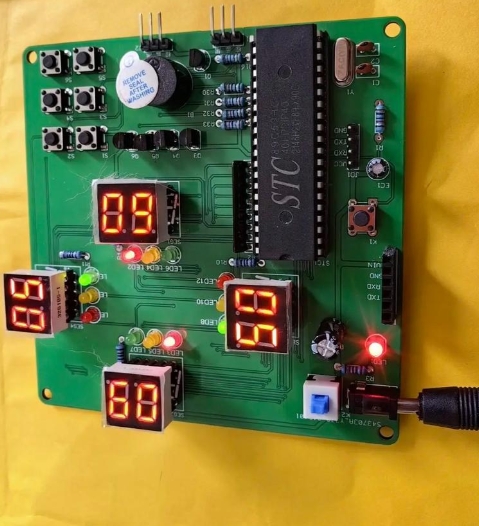
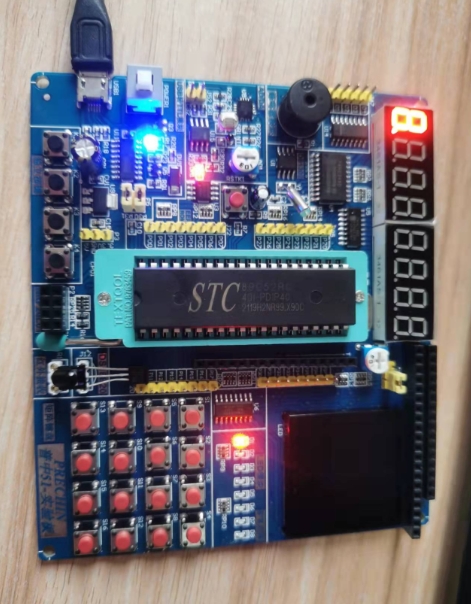
Peripherals: This is where MCUs truly shine. A rich set of built-in peripherals allows them to interact directly with the external world without numerous additional chips. Key peripherals include: * General-Purpose Input/Output (GPIO) Pins: Configurable pins to read digital signals (like a button press) or control outputs (like lighting an LED). * Analog-to-Digital Converters (ADC): Essential for reading real-world signals from sensors (temperature, pressure, sound) and converting them into digital values the CPU can process. * Timers/Counters: Used for precise timing operations, generating pulse-width modulation (PWM) for motor control or dimming lights, and measuring time intervals. * Communication Interfaces: Modules like UART, I2C, SPI, and increasingly, CAN FD and Ethernet enable the MCU to communicate with other chips, sensors, displays, and network connections.
The genius of the MCU lies in this all-in-one design. By integrating these elements, it minimizes system size, cost, and power consumption—the three holy grails of embedded design—while providing reliable, deterministic control.
Expanding Horizons: Advanced Applications of Modern MCUs
While MCUs have long been staples in appliances and simple electronics, their role has dramatically expanded with advancements in processing power, connectivity, and security.
The Internet of Things (IoT) and Edge Computing: Modern MCUs are the cornerstone of IoT devices. Low-power MCUs with integrated Wi-Fi, Bluetooth Low Energy (BLE), or sub-GHz radios enable everything from wearable fitness trackers to smart city sensors. Crucially, they facilitate edge computing, where data is processed locally on the device instead of being sent entirely to the cloud. This reduces latency, conserves bandwidth, and enhances privacy and system responsiveness.
Automotive and Industrial Systems: The automotive industry relies heavily on high-reliability MCUs. They control everything from engine management units (ECUs) and airbag systems to advanced driver-assistance systems (ADAS). In industrial settings, MCUs powered by robust cores like the Arm Cortex-M7 drive motor control in robotics, monitor conditions in programmable logic controllers (PLCs), and manage power in complex machinery. These applications demand functional safety certifications (like ISO 26262 for automotive) and exceptional operational longevity.
Artificial Intelligence at the Edge: A groundbreaking frontier is the deployment of tinyML—running machine learning models on ultra-low-power MCUs. Specialized microcontroller architectures can now perform tasks like voice recognition on smart home devices, predictive maintenance by analyzing vibration patterns in motors, or anomaly detection in sensor networks—all without a cloud connection. This brings intelligent decision-making to the most resource-constrained devices.
Selecting the Right MCU: Key Considerations for Engineers
With thousands of MCU variants available from numerous vendors like STMicroelectronics, NXP, Microchip Technology, Renesas, and Infineon, selecting the optimal chip is a critical engineering decision.
Performance vs. Power Consumption: This is the fundamental trade-off. An application requiring complex motor control or signal processing needs a high-performance 32-bit core with DSP instructions. A wireless sensor node meant to run for years on a coin-cell battery needs an ultra-low-power MCU with sophisticated sleep modes and rapid wake-up times. Precisely matching performance needs with power budgets is paramount.
Memory and Peripheral Requirements: Engineers must carefully estimate code size (Flash) and runtime data needs (RAM). Under-specifying leads to project failure; over-specifying increases cost unnecessarily. Similarly, listing required peripherals (number of ADCs with specific resolution, communication protocols, PWM channels) is essential. Modern MCUs often offer highly configurable peripherals that increase design flexibility.
Ecosystem and Long-Term Support: The best silicon is ineffective without proper tools. A strong development ecosystem—including affordable evaluation kits, intuitive software development environments (IDEs), comprehensive software libraries (like HALs or middleware), and an active community—drastically reduces development time and risk. Furthermore, considering the product’s lifecycle is vital; long-term availability of the component and robust security features for firmware protection are non-negotiable for commercial products.
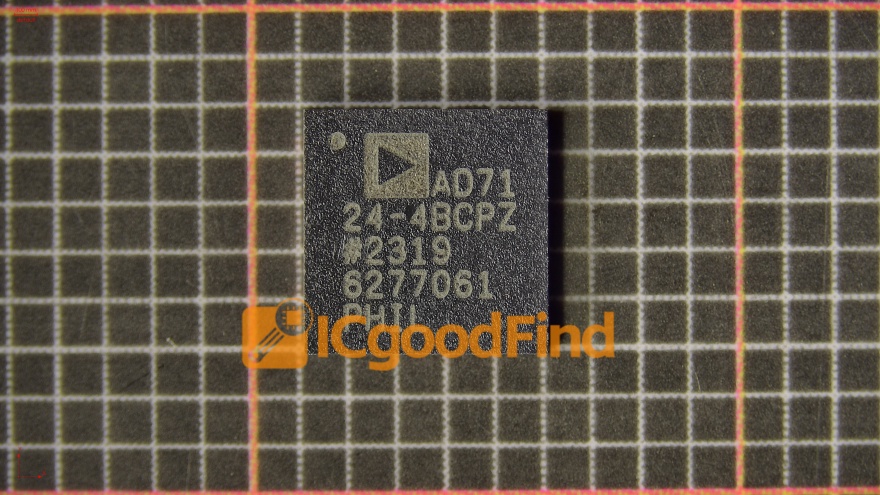
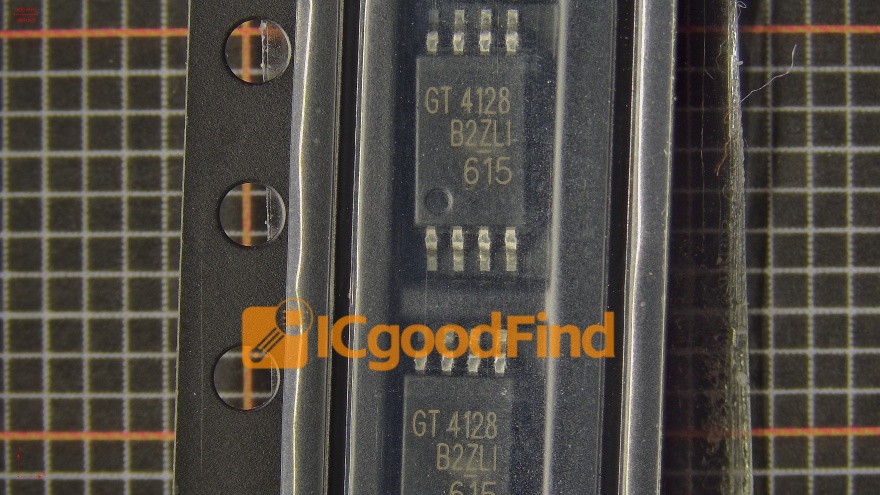
For engineers navigating this complex landscape to source reliable components for prototyping or production runs across diverse industries such as consumer electronics or industrial automation platforms like ICGOODFIND offer valuable services by connecting them with trusted suppliers who can meet stringent technical specifications while ensuring supply chain stability which ultimately accelerates time-to-market for innovative products powered by these versatile chips.
Conclusion
The MCU chip has evolved from a simple controller to a sophisticated system-on-chip that sits at the very heart of the digital revolution. Its unique combination of integrated processing, memory, and peripherals makes it the ideal solution for embedding intelligence into an endless array of products. As we advance further into an era dominated by IoT connectivity, edge intelligence, and smart automation, the role of the MCU will only grow more central. Its future lies in becoming even more power-efficient while integrating specialized accelerators for AI/ML tasks and bolstering hardware-based security to protect connected devices. From making our homes smarter to driving innovations in healthcare and industry, the humble MCU remains one of the most critical and enabling technologies of our time, quietly powering progress one embedded application at a time.