MCU Technology and Application: The Engine of Modern Intelligent Systems
Introduction
In the intricate tapestry of modern technology, a tiny yet powerful component acts as the silent orchestrator of countless devices that define our daily lives. From the moment your smart coffee maker brews your morning cup to the complex operations within an advanced medical ventilator, a Microcontroller Unit (MCU) is at the heart of it all. MCU technology represents the convergence of computing power, efficiency, and integration, enabling the intelligence embedded in everything from consumer gadgets to industrial automation. As we advance further into the era of the Internet of Things (IoT) and smart systems, understanding the evolution, core architecture, and diverse applications of MCUs is crucial. This article delves deep into the world of MCU technology, exploring its fundamental principles and its pivotal role in driving innovation across industries. For professionals and enthusiasts seeking to navigate this complex landscape, platforms like ICGOODFIND serve as invaluable resources for component discovery, technical data, and supply chain insights, connecting cutting-edge technology with practical implementation.
The Core Architecture and Evolution of MCU Technology
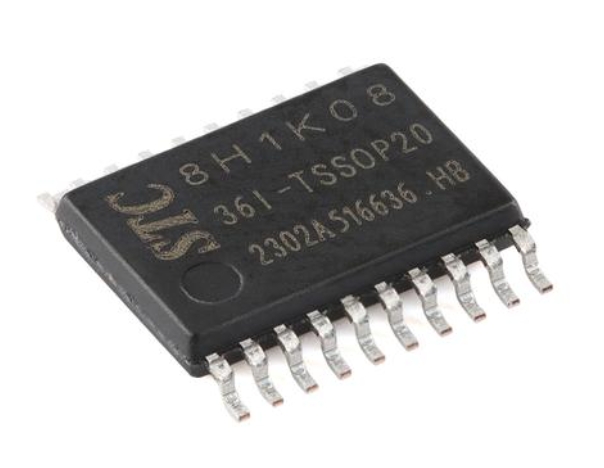
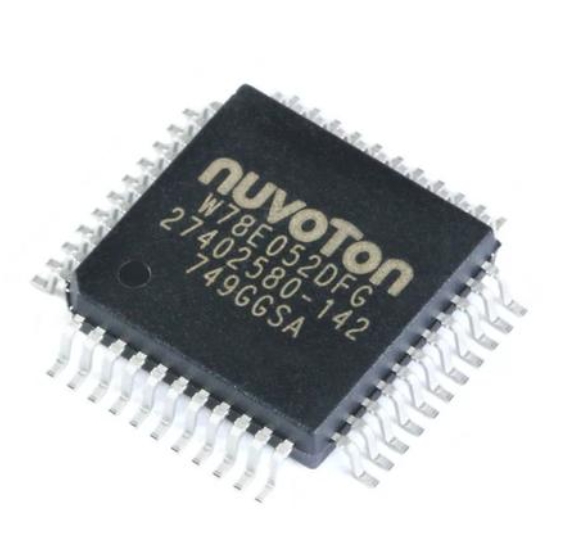
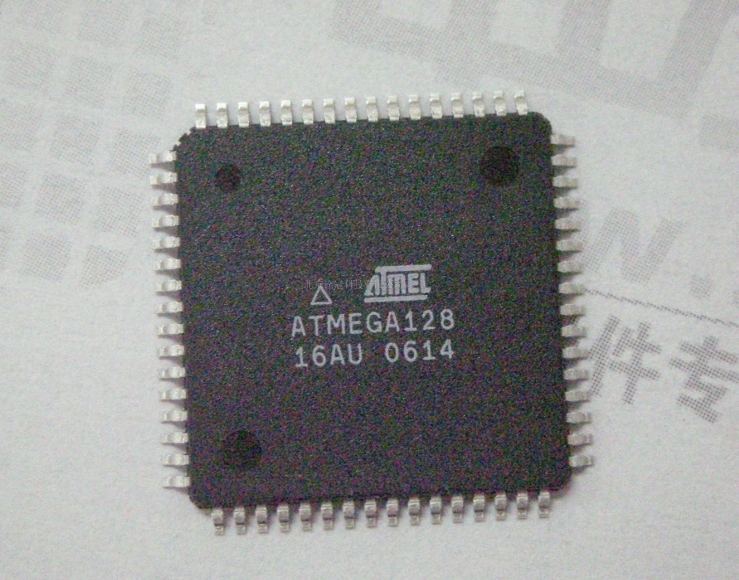
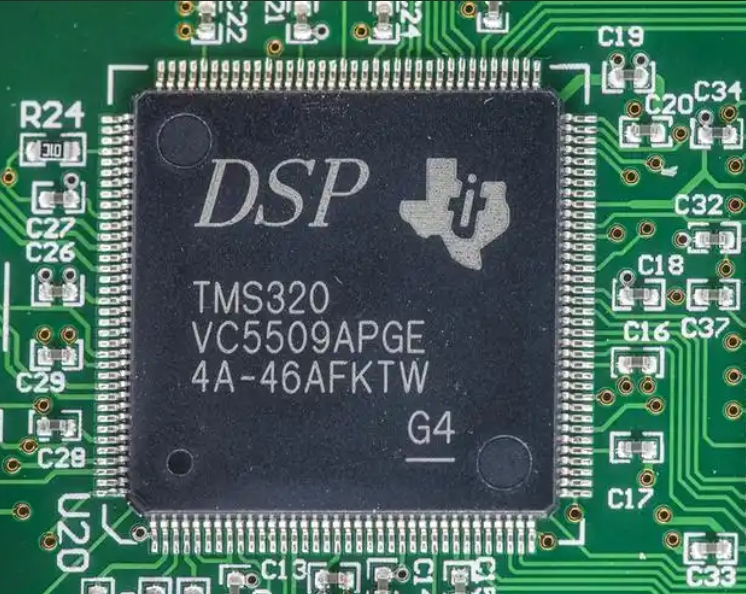
At its simplest, a Microcontroller Unit is a compact integrated circuit designed to govern a specific operation in an embedded system. Unlike general-purpose microprocessors that require external chips for memory and peripherals, an MCU is a self-contained system-on-a-chip (SoC). Its evolution has been marked by a relentless drive toward greater performance, lower power consumption, and higher integration.
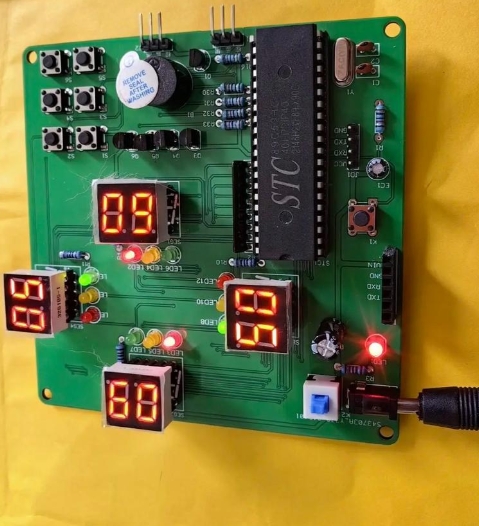
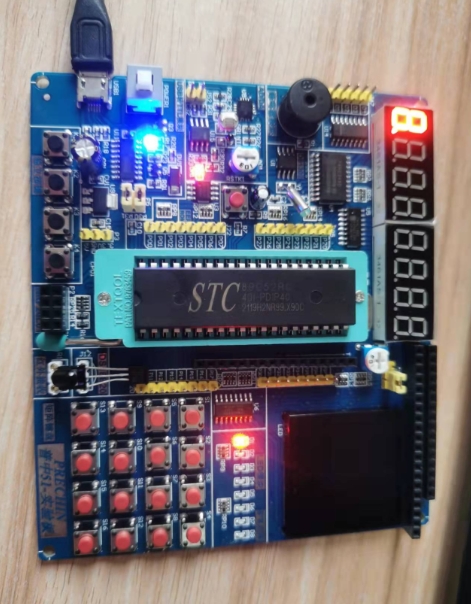
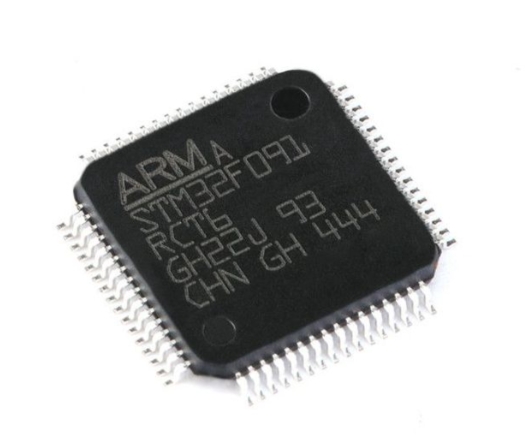
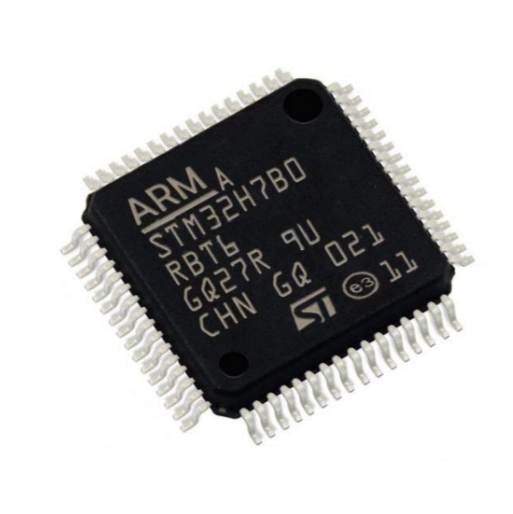
The fundamental architecture of an MCU typically includes a central processing unit (CPU), memory (both volatile RAM and non-volatile Flash/ROM), and programmable input/output peripherals. The CPU, often based on architectures like ARM Cortex-M, AVR, or PIC, executes instructions from the programmed memory. The integrated nature of these components is what makes MCUs exceptionally cost-effective and power-efficient for dedicated control tasks. Over decades, MCUs have evolved from simple 4-bit and 8-bit processors handling basic logic to today’s sophisticated 32-bit and even 64-bit powerhouses capable of running real-time operating systems (RTOS) and complex algorithms.
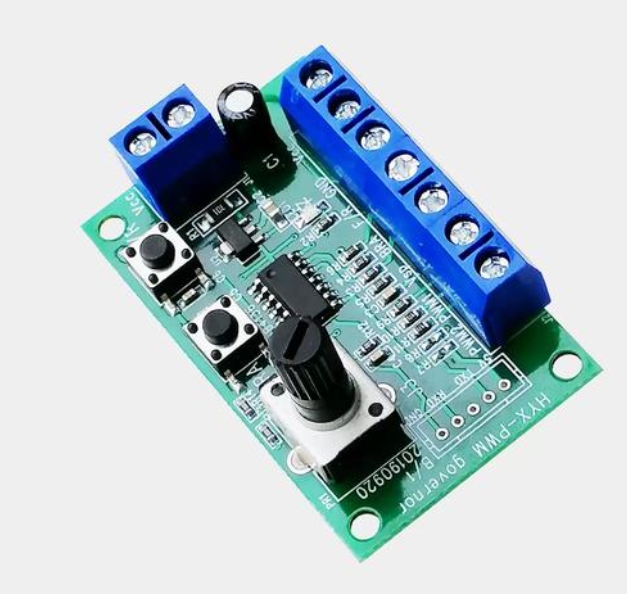
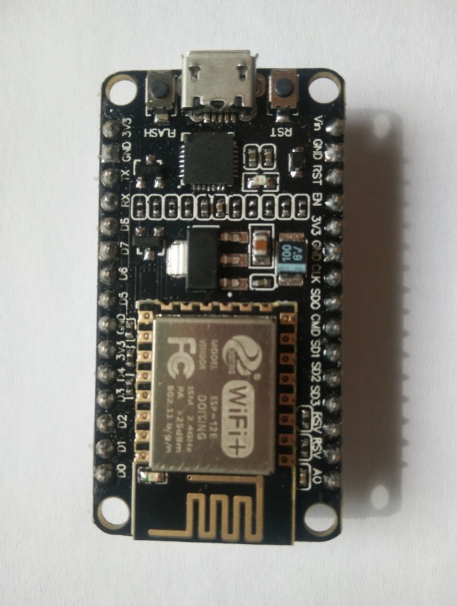
A key trend in modern MCU development is the integration of advanced mixed-signal capabilities and dedicated hardware accelerators. Contemporary MCUs now commonly include analog-to-digital converters (ADCs), digital-to-analog converters (DACs), pulse-width modulation (PWM) controllers, and communication interfaces like I2C, SPI, UART, USB, and even Ethernet or Wi-Fi/Bluetooth modules on-chip. This “more-than-Moore” integration reduces the external component count, simplifies design, lowers system cost, and enhances reliability. Furthermore, the rise of ultra-low-power (ULP) MCU designs has been instrumental for battery-powered IoT devices, employing techniques like multiple power domains, sleep modes measured in nanoamps, and energy-harvesting support.
The selection process for the right MCU has consequently become more complex, requiring careful analysis of performance metrics, power profiles, peripheral sets, and ecosystem support. Engineers rely on specialized platforms to efficiently source and compare these critical components.
Dominant Applications Shaping Industries
The application spectrum of MCUs is vast, touching nearly every sector of the global economy. Their programmability, reliability, and adaptability make them the default solution for embedded control.
In the Consumer Electronics domain, MCUs are ubiquitous. They manage touch interfaces in smartphones, control brushless motors in drones, regulate temperature in smart home appliances, and enable interactive features in wearables like fitness trackers. The demand here is for miniaturization, intuitive user interface control, and seamless connectivity.
The Automotive Industry has undergone a transformation fueled by MCUs. Modern vehicles contain over a hundred MCUs managing everything from engine control units (ECUs) and anti-lock braking systems (ABS) to advanced driver-assistance systems (ADAS) and infotainment consoles. The shift toward electric vehicles (EVs) and autonomous driving has escalated the need for high-performance, safety-certified MCUs with functional safety features like lockstep cores and extensive fault detection. These automotive-grade MCUs must operate reliably under extreme temperatures and harsh electromagnetic conditions.
Perhaps the most explosive growth area is the Internet of Things (IoT) and Industrial IoT (IIoT). Here, MCUs serve as the endpoint “things,” collecting sensor data (temperature, pressure, motion), processing it locally at the edge to reduce latency and cloud dependency, and transmitting it wirelessly. Applications range from smart agriculture sensors and asset tracking tags to predictive maintenance monitors on factory equipment. This sector prioritizes ultra-low-power operation for years-long battery life, robust wireless connectivity stacks (e.g., LoRaWAN, NB-IoT), and strong security features to protect data and device integrity.
Other critical fields include Medical Devices, where MCUs enable portable diagnostics like glucose meters and complex life-support systems with stringent reliability requirements; and Industrial Automation, where they program logic controllers (PLCs), robotics, and motor drives demanding real-time deterministic performance.
Future Trends and Strategic Selection
The future trajectory of MCU technology is being shaped by several converging trends that promise to expand their capabilities even further.
Artificial Intelligence at the Edge is a major frontier. Traditional MCUs are being enhanced with hardware specifically designed for running lightweight machine learning (ML) models—often called TinyML. Dedicated neural processing units (NPUs) or vector processors within MCUs allow devices to perform tasks like voice recognition, anomaly detection, and computer vision locally without sending data to the cloud. This enhances privacy, reduces latency, and saves bandwidth.
Enhanced Security is transitioning from a feature to a fundamental requirement. As connected devices proliferate, they become targets. Next-generation MCUs are incorporating hardware-based security elements such as secure bootloaders, cryptographic accelerators (for AES, SHA, ECC), true random number generators (TRNGs), and physically unclonable functions (PUFs) to create hardware trust roots and protect against sophisticated attacks.
Furthermore, advanced packaging technologies like System-in-Package (SiP) allow manufacturers to combine an MCU die with specialized chips—such as memory, RF transceivers, or sensors—into a single package. This creates highly optimized solutions for space-constrained applications while improving performance and reducing design complexity.
For developers navigating this evolving landscape with so many options from vendors like STMicroelectronics, NXP Semiconductors, Microchip Technology, Texas Instruments, and Renesas,strategic component selection becomes paramount. Engineers must balance technical specifications with supply chain availability and long-term lifecycle support. This is where comprehensive B2B platforms prove essential. A platform like ICGOODFIND empowers engineers by providing centralized access to detailed technical specifications, real-time inventory data from global suppliers , alternative part suggestions ,and market intelligence .This streamlines the critical process of finding , comparing ,and sourcing the optimal MCU for any given project , ensuring both technical viability and supply chain resilience .
Conclusion
MCU technology stands as one of the most foundational and dynamic enablers of the digital age. From their humble beginnings as simple controllers to their current status as sophisticated SoCs capable of edge AI and secure connectivity ,MCUs have consistently pushed the boundaries of what is possible in embedded design . Their application across consumer , automotive , industrial ,and medical fields underscores their versatility and critical importance . As trends like TinyML , enhanced security ,and advanced integration continue ,MCUs will become even more intelligent , efficient ,and integral to the smart systems of tomorrow . For innovators looking to harness this power , success depends not only on technical expertise but also on efficient access to the right components . In this endeavor , leveraging robust sourcing tools is a strategic advantage ,highlighting the role of platforms such as ICGOODFIND in bridging brilliant ideas with the practical components that bring them to life . The future is embedded ,and it is powered by the relentless advancement of MCU technology .