



MCU and Embedded Systems: The Engine of Modern Innovation
Introduction
In the invisible fabric of our daily lives, from the moment a smart thermostat adjusts your home’s temperature to the instant your car’s anti-lock brakes engage, a silent, powerful force is at work. This force is driven by Microcontroller Units (MCUs) and Embedded Systems, the fundamental building blocks of the digital age. Unlike general-purpose computers designed for a multitude of tasks, these specialized computing systems are dedicated to specific functions within larger mechanical or electrical systems. Their omnipresence is staggering, powering everything from consumer electronics and industrial robots to medical devices and telecommunications infrastructure. This article delves into the core of MCU and embedded systems technology, exploring their architecture, pivotal applications across industries, and the emerging trends shaping their future. Understanding this technology is not just for engineers; it’s key to comprehending the operational heartbeat of our modern world.
The Architectural Core: Understanding MCU and Embedded Systems
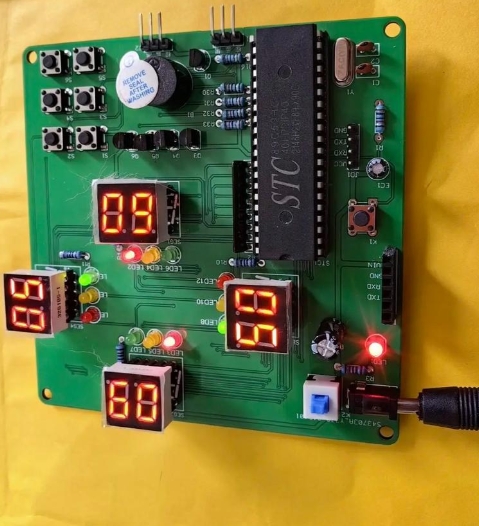
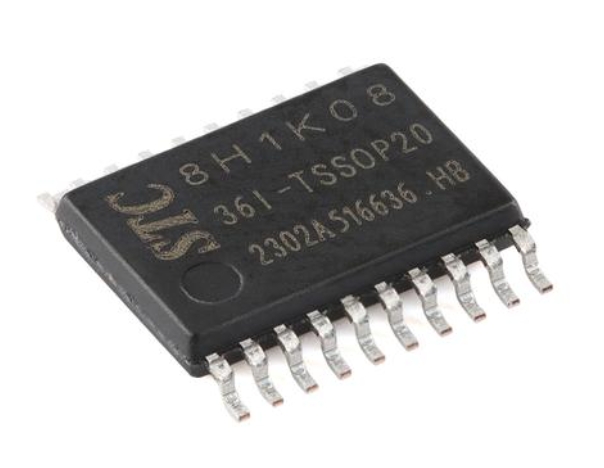
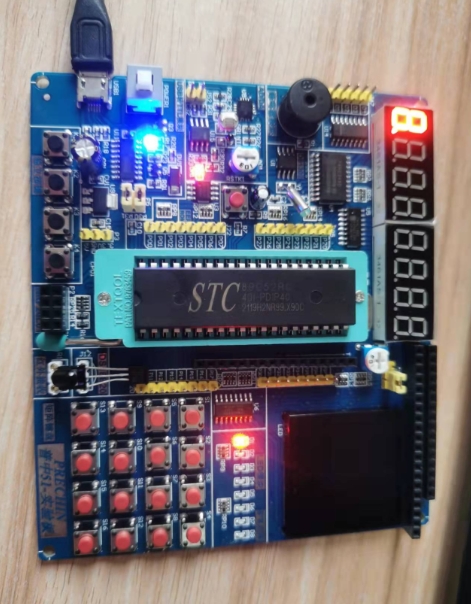
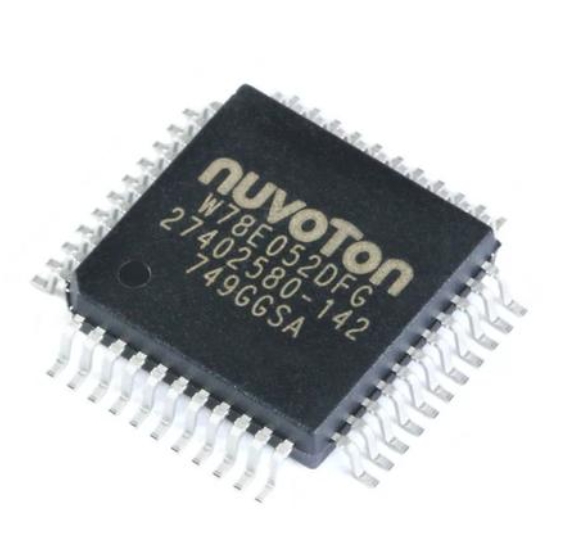
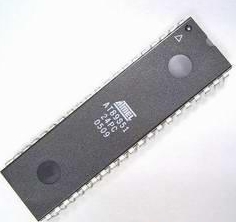
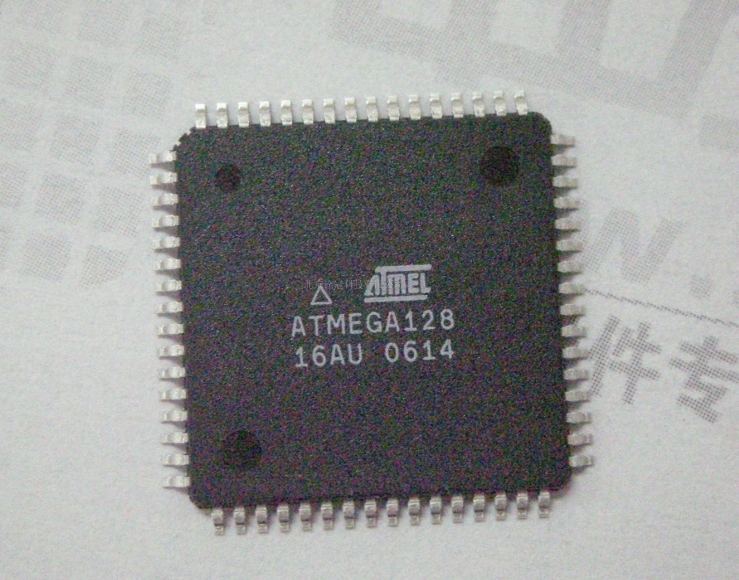
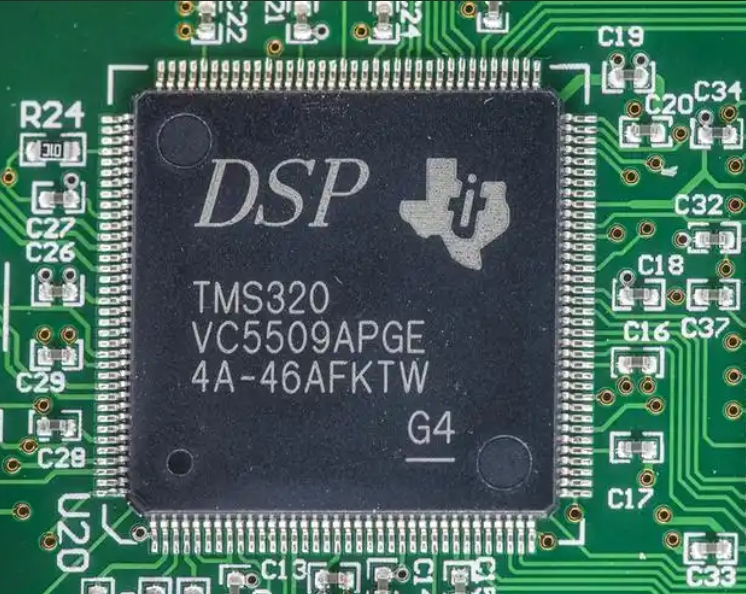
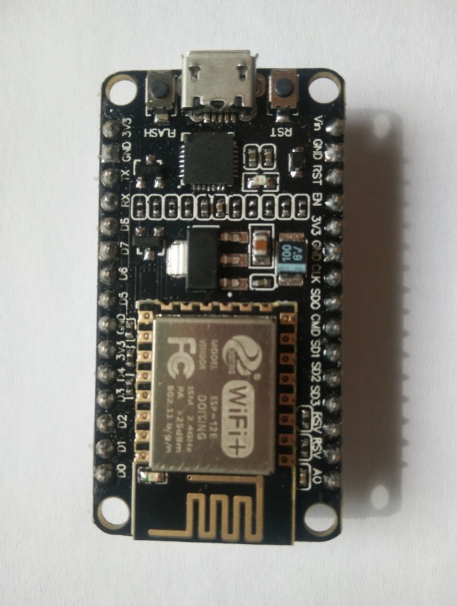
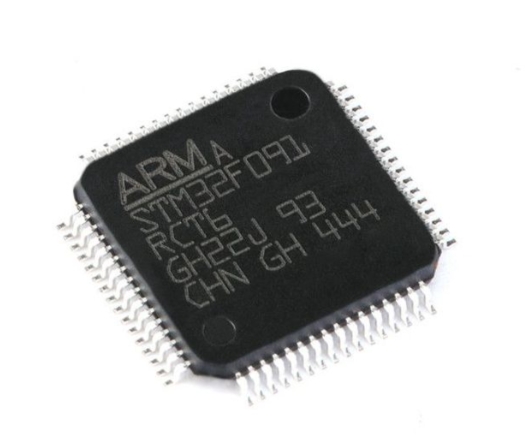
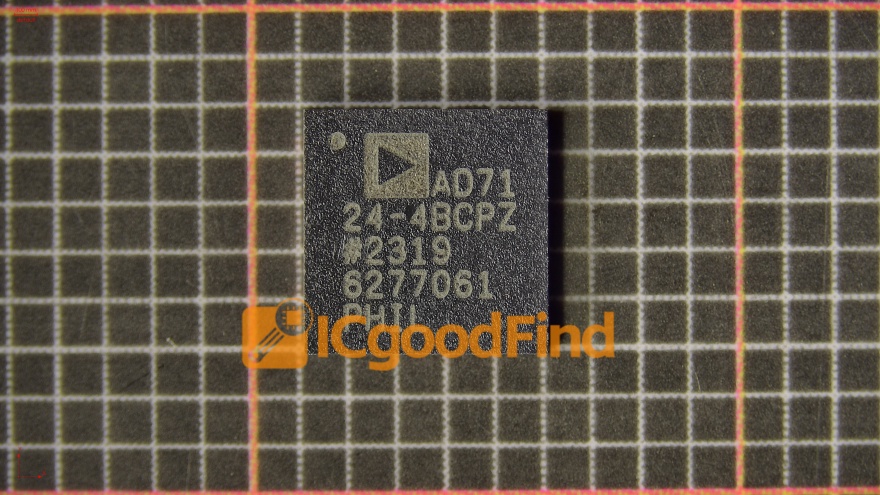
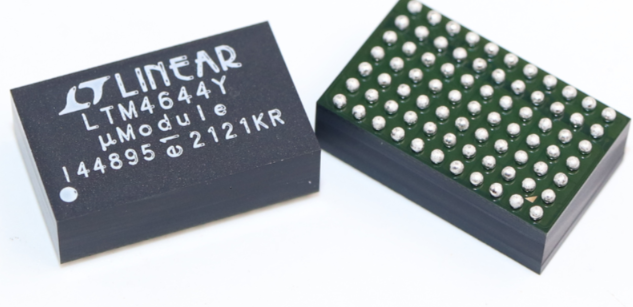
At its simplest, an embedded system is a combination of computer hardware and software, and sometimes additional mechanical or other parts, designed to perform a dedicated function. The Microcontroller Unit (MCU) is the integrated brain at the heart of most embedded systems. It is a compact, self-contained computer on a single integrated circuit (IC), containing a processor core, memory (both volatile RAM and non-volatile Flash/ROM), and programmable input/output peripherals.
The defining characteristic of embedded systems is their dedication to specific, pre-defined tasks. This specialization allows for significant optimization in terms of size, cost, power consumption, reliability, and performance. For instance, the MCU controlling a microwave oven is meticulously programmed to manage timers, power levels, and sensor inputs—nothing more, nothing less. This contrasts sharply with a desktop CPU, which must be capable of running a vast array of unpredictable software.
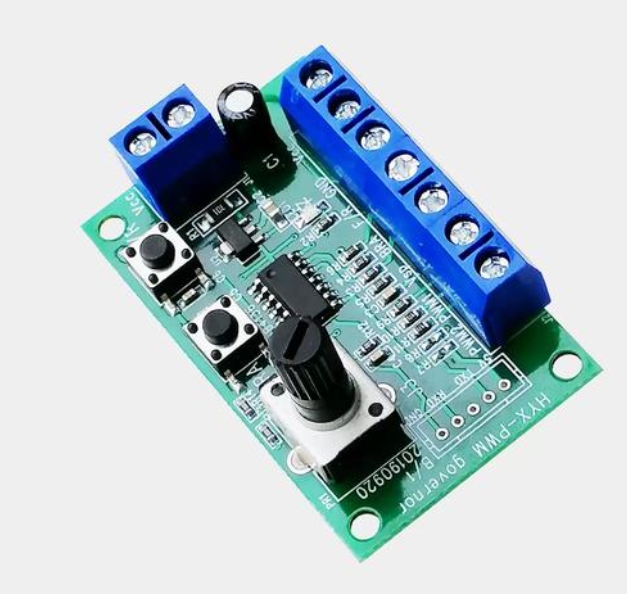
A typical embedded system architecture comprises several key components beyond the MCU: * The MCU/MPU: The central processing unit. An MCU includes everything on-chip, while a Microprocessor Unit (MPU) requires external memory and peripherals. * Memory: Stores the firmware (the permanent software programmed into the device) and operational data. * Input/Output Interfaces: These allow the system to interact with the external world—sensing through buttons, sensors, or networks, and acting through displays, motors, or communication modules. * Real-Time Operating System (RTOS) or Bare-Metal Code: Many complex systems use a lightweight RTOS to manage tasks and timing. Simpler systems often run “bare-metal” code without an OS for maximum direct control and efficiency.
The design philosophy emphasizes extreme efficiency and reliability. Every byte of memory and every milliwatt of power is often accounted for, especially in battery-operated or mission-critical applications. This efficient, purpose-driven nature is what makes embedded systems so pervasive and powerful.
Dominant Applications: Where Embedded Systems Power Progress
The application landscape for MCUs and embedded systems is virtually limitless. They are the cornerstone of digital transformation across every sector.
1. Consumer Electronics and the Internet of Things (IoT): This is perhaps the most visible domain. Every smart device—from wearables like fitness trackers and smartwatches to home automation gadgets like smart lights, security cameras, and voice assistants—relies on an MCU. These systems handle sensor data collection (e.g., heart rate, temperature, motion), local processing, connectivity (Bluetooth, Wi-Fi), and user interface management. The explosive growth of the IoT is fundamentally a story about the proliferation of low-power, connected embedded systems creating an intelligent network of physical objects.
2. Automotive Industry: Modern vehicles are essentially networks of dozens, sometimes over a hundred, embedded systems. They control critical functions such as engine management units (ECUs) for optimal fuel efficiency, anti-lock braking systems (ABS), airbag deployment, infotainment systems, and advanced driver-assistance systems (ADAS). The evolution towards autonomous driving is pushing this further, requiring high-performance MCUs/MPUs capable of processing vast amounts of sensor data from cameras, LiDAR, and radar in real-time.
3. Industrial Automation and Control: Factories and industrial plants are driven by Programmable Logic Controllers (PLCs)—ruggedized embedded systems designed to automate electromechanical processes. They control machinery on assembly lines, monitor industrial robots, manage power grids, and oversee building environmental systems. Here, robustness, real-time performance, and extreme reliability are non-negotiable requirements to ensure continuous operation and safety.
4. Medical Devices: Embedded systems have revolutionized healthcare with life-saving and life-enhancing devices. They are integral to portable insulin pumps, digital thermometers, advanced imaging machines (MRI, CT scanners), patient monitoring systems in hospitals, and implantable devices like pacemakers. In this field, fail-safe design, precision, and data integrity are paramount.
For engineers and procurement specialists navigating this complex ecosystem to source reliable components or find specialized technical solutions for these applications platforms like ICGOODFIND can be instrumental in streamlining the process.
Future Trends: The Next Evolution of Embedded Intelligence
The frontier of MCU and embedded systems technology is being shaped by several converging trends that promise even greater integration and intelligence.
1. The Rise of AI at the Edge: Moving artificial intelligence from centralized cloud servers to the device itself—”the edge”—is a major shift. Modern MCUs are increasingly equipped with hardware accelerators for machine learning (TinyML). This allows devices like security cameras to perform real-time object recognition locally or sensors to detect anomalies without constant cloud communication. The benefits are profound: reduced latency enhanced data privacy lower bandwidth requirements, and improved reliability in offline scenarios.
2. Enhanced Connectivity Integration: Future embedded systems will be “born connected.” Beyond standard Wi-Fi and Bluetooth, integration with low-power wide-area networks (LPWAN) like LoRaWAN or NB-IoT for long-range communication and 5G for ultra-reliable low-latency links will become commonplace. This seamless connectivity is essential for large-scale IoT deployments in smart cities, agriculture, and logistics.
3. Focus on Security by Design: As embedded systems become more connected and critical, they become bigger targets for cyberattacks. Future developments heavily emphasize hardware-based security features directly within MCUs—such as secure bootloaders hardware cryptographic accelerators tamper detection circuits, and trusted execution environments—to protect firmware integrity data confidentiality,and system functionality from chip level up.
4. Energy Harvesting and Ultra-Low-Power Design: To support decades-long deployments of IoT sensors maintenance-free operation new frontiers in power management are being explored.This includes designing MCUs that can operate on minuscule amounts of power harvested from ambient sources like light vibration or thermal differences pushing the boundaries of energy efficiency even further.
Conclusion
MCUs and Embedded Systems form the indispensable technological substrate of our contemporary existence.They are the silent intelligent force within machines granting them purpose awareness,and autonomy.From their optimized architectural core to their transformative applications across every industry they demonstrate how specialized focused computation can yield extraordinary outcomes in efficiency reliability,and capability.As trends like AI at the edge advanced connectivity,and hardened security mature these systems will evolve from being mere executors of commands to becoming truly intelligent collaborative nodes in a globally interconnected intelligent fabric.The ongoing innovation in this field promises not only smarter devices but also foundational advancements in how we solve problems manage resources,and enhance human experience across the globe.