




The Ultimate Guide to MCU Development: From Concept to Deployment
Introduction
In the ever-evolving landscape of embedded systems, Microcontroller Unit (MCU) development stands as a cornerstone of modern electronics. From smart home devices and wearable technology to industrial automation and automotive systems, MCUs are the silent, powerful brains behind countless innovations. The process of MCU development, however, is a complex journey that intertwines hardware design, software engineering, and system integration. This guide delves deep into the critical phases, best practices, and tools that define successful MCU projects. As the demand for smarter, more connected, and energy-efficient devices skyrockets, mastering MCU development is no longer a niche skill but a fundamental competency for engineers and developers shaping the future of technology.
Part 1: Foundational Stages of MCU Development
The journey begins long before a single line of code is written. A successful project is rooted in meticulous planning and strategic decision-making.
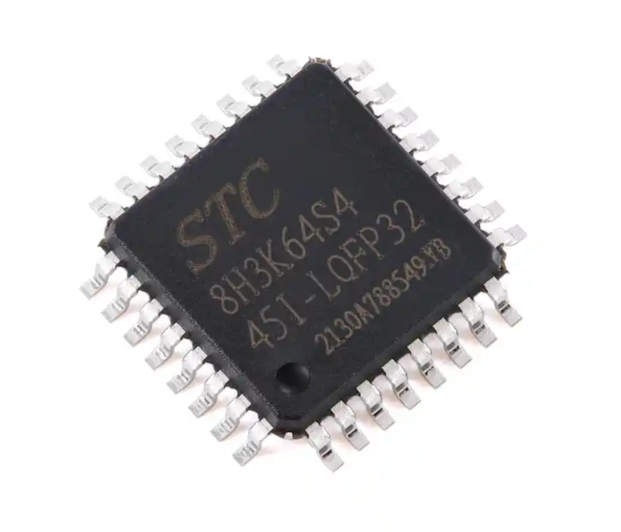
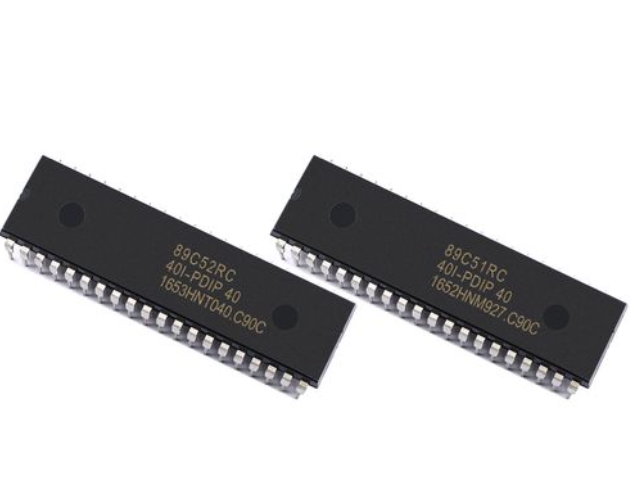
Selecting the Right MCU is arguably the most critical hardware decision. Engineers must balance a matrix of requirements including processing power (clock speed, architecture like ARM Cortex-M, RISC-V), memory footprint (Flash for code, RAM for data), power consumption (critical for battery-operated devices), peripheral set (ADC, DAC, Timers, Communication interfaces like UART, SPI, I2C, USB, CAN), cost, and package size. An under-specified MCU can cripple functionality, while an over-specified one erodes profit margins.
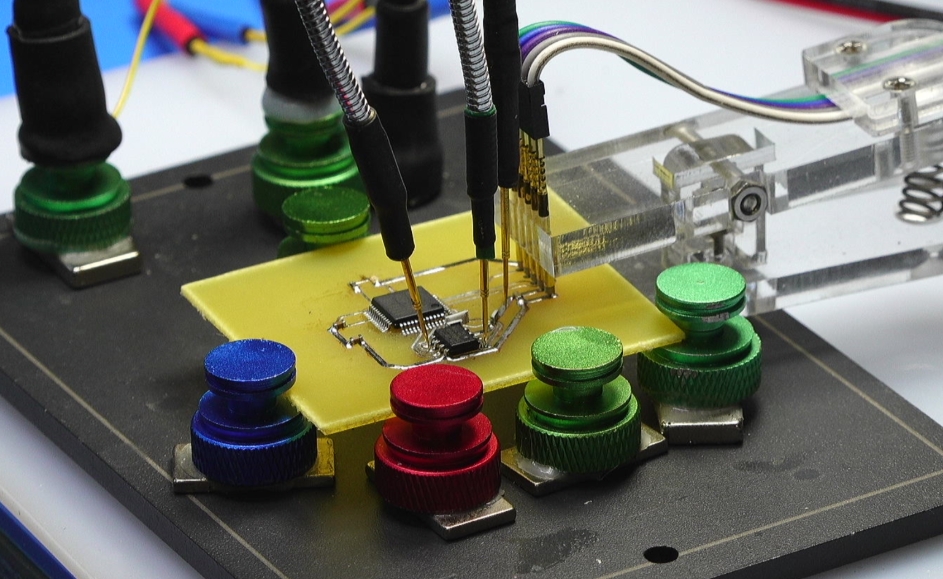
Following selection, Setting Up the Development Environment creates the ecosystem for creation. This involves choosing an Integrated Development Environment (IDE) such as Keil MDK, IAR Embedded Workbench, or free alternatives like STM32CubeIDE or PlatformIO. The toolchain—compiler, assembler, linker—is configured next. Crucially, developers must establish a robust debugging and programming setup using tools like JTAG/SWD debug probes (e.g., ST-Link, J-Link). This stage also includes configuring version control systems like Git to manage code evolution—a practice often overlooked in embedded projects but vital for team collaboration and project history.
The third pillar of the foundation is Firmware Architecture and Design. Moving beyond ad-hoc coding requires a structured approach. This often involves implementing hardware abstraction layers (HAL) to decouple application logic from specific MCU hardware, making code portable and reusable. Developers must decide on a scheduling paradigm, whether it’s a simple super-loop (foreground/background) or a real-time operating system (RTOS) like FreeRTOS or Zephyr for managing multiple tasks. Early attention to power management strategies, such as utilizing low-power sleep modes and interrupt-driven design instead of polling, is essential for optimal performance.
Part 2: Core Development Processes and Best Practices
With foundations set, the core development cycle begins—an iterative process of coding, testing, and refining.
Efficient and Reliable Coding is paramount in resource-constrained environments. Developers must write lean, optimized C or C++ code (the dominant languages for MCUs). This includes direct register manipulation for maximum performance where needed, alongside using vendor-provided libraries for convenience. Implementing rigorous interrupt service routines (ISRs) that are short and non-blocking is crucial for system responsiveness. Furthermore, adhering to coding standards (like MISRA-C) enhances readability, maintainability, and safety, especially in mission-critical applications.
No firmware is complete without Comprehensive Testing and Debugging. This multi-layered approach starts with unit testing isolated functions using frameworks like Unity or CppUTest. Hardware-in-the-Loop (HIL) testing validates software against the actual or simulated hardware components. Using debuggers to step through code, set breakpoints, and examine memory and register values is daily practice. Perhaps most importantly, leveraging MCU peripherals like serial output or dedicated trace interfaces (ETM) for real-time system logging provides invaluable insight into runtime behavior that static analysis cannot reveal.
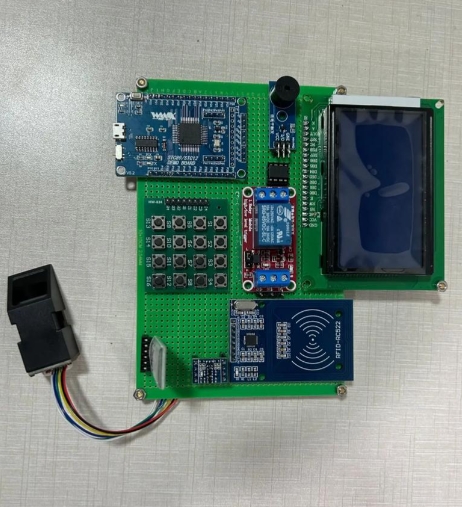
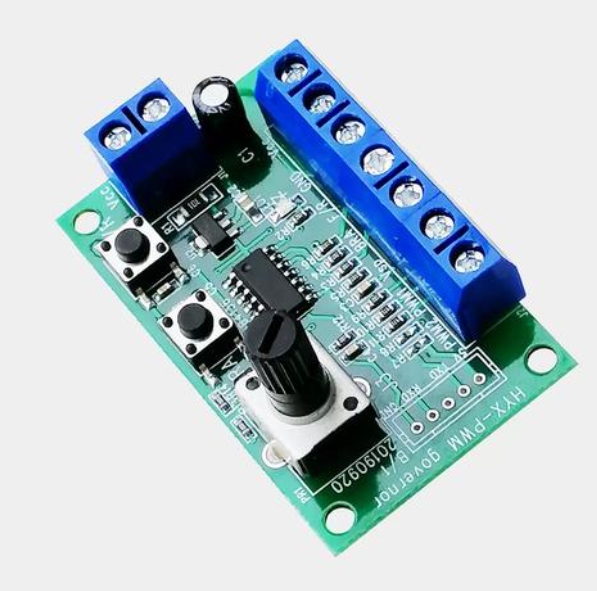
As the project matures, System Integration and Optimization take center stage. Here, all software modules are combined and tested as a whole on the target hardware. Developers focus on optimizing for key constraints: minimizing memory usage through code size optimization compiler flags and efficient data structures; maximizing execution speed by profiling code to identify bottlenecks; and fine-tuning power consumption by meticulously managing peripheral states and CPU active time. This phase often reveals subtle interactions between subsystems that must be carefully resolved.
Part 3: Advanced Considerations and Deployment
Moving from a working prototype to a deployable product introduces another set of challenges that separate hobbyist projects from professional solutions.
Security in MCU Development has become non-negotiable. With increased connectivity comes greater vulnerability. Developers must incorporate measures such as secure boot to ensure only authenticated code runs, encryption for data storage and communication (using AES accelerators if available), and protected firmware updates (OTA - Over-The-Air updates) to patch vulnerabilities in the field. Neglecting security can lead to catastrophic failures in products ranging from medical devices to industrial controllers.
The Deployment and Lifecycle Management phase ensures the product’s longevity. Creating a factory programming flow using mass production programmers is essential. Establishing a clear process for field firmware updates is critical for bug fixes and feature additions post-launch. Furthermore, planning for end-of-life scenarios, including part obsolescence management by designing with modularity or using families of pin-compatible MCUs, protects against future supply chain disruptions.
Finally, no developer works in a vacuum. Navigating the vast ecosystem of tools, libraries, and support can be daunting. This is where leveraging expert resources accelerates development and mitigates risk. For teams seeking to streamline their workflow or overcome specific technical hurdles in their MCU development projects, tapping into specialized knowledge platforms can be transformative. For instance, exploring curated resources and solutions at platforms like ICGOODFIND can connect developers with essential components, reference designs, and technical insights, helping to bridge the gap between concept and reliable production efficiently.
Conclusion
MCU development is a multifaceted discipline that blends electrical engineering with computer science within severe constraints of power, memory, and cost. The journey from selecting the appropriate silicon brain to deploying a secure, robust, and optimized product demands a structured approach, embracing both foundational principles and advanced strategies. By focusing on careful planning, disciplined coding, rigorous testing, and forward-thinking deployment practices, developers can harness the full potential of microcontrollers to create innovative and reliable embedded systems that power our connected world. As technology continues its rapid advance, continuous learning and leveraging the broader ecosystem—including platforms that aggregate critical resources—will remain key to success in this dynamic field.