

Advantages of MCU: Powering the Intelligent Core of Modern Electronics
Introduction
In the intricate tapestry of modern technology, where devices are becoming smarter, more connected, and more efficient, there exists a silent yet ubiquitous powerhouse: the Microcontroller Unit (MCU). Often overshadowed by their more complex cousins like CPUs and GPUs, MCUs are the dedicated, task-oriented brains embedded in countless everyday products. From the precise temperature control in your coffee maker and the responsive touch interface of your smartwatch to the sophisticated engine management system in your car, MCUs make intelligent automation possible. Their significance lies not in raw computational brute force, but in their optimized design for specific, real-world control tasks. This article delves into the fundamental advantages of MCUs, exploring why they remain the cornerstone of embedded systems and a critical driver of innovation across industries. For engineers and procurement specialists seeking reliable sources for these essential components, platforms like ICGOODFIND offer a streamlined gateway to a vast inventory of MCUs from global suppliers, simplifying the critical component sourcing process.
The Core Advantages of Microcontroller Units
1. Integrated Design and Cost-Effectiveness
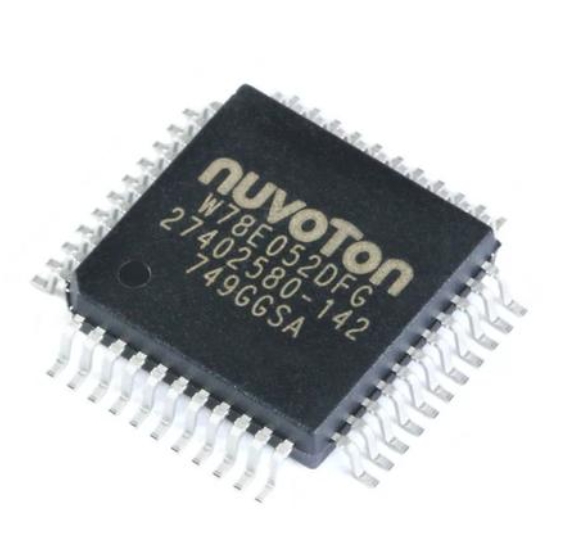
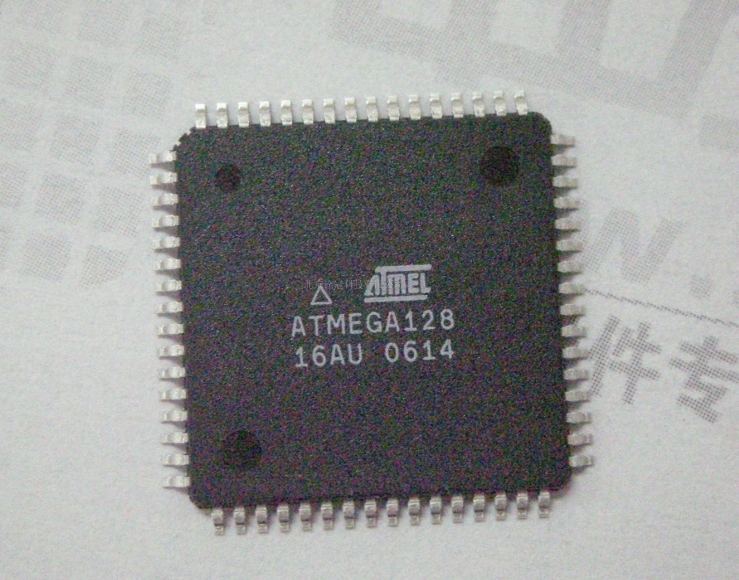
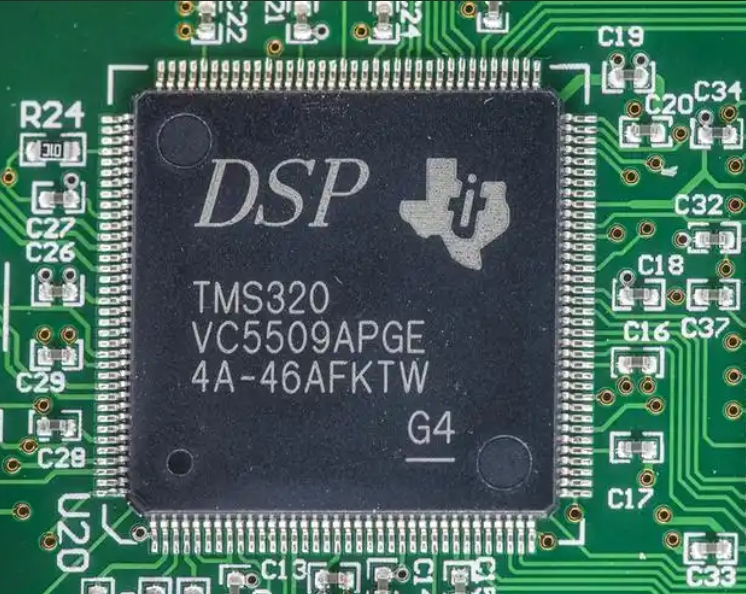
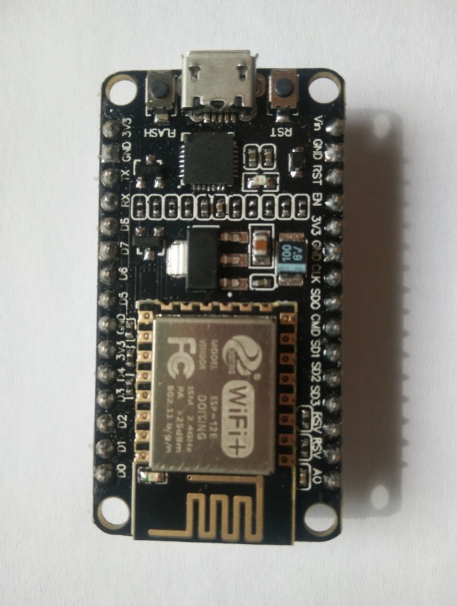
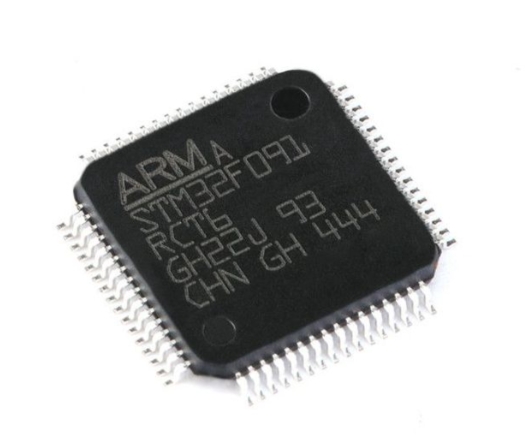
The foremost advantage of an MCU is its all-in-one, highly integrated architecture. Unlike a general-purpose microprocessor that requires external chips for memory, input/output (I/O) management, and timing functions, an MCU consolidates these elements onto a single silicon chip.
- System-on-a-Chip (SoC) Architecture: A typical MCU integrates a processor core (like ARM Cortex-M, AVR, or PIC), volatile memory (RAM), non-volatile memory (Flash/ROM for program storage), programmable I/O ports, and various peripherals. These peripherals can include timers/counters, Analog-to-Digital Converters (ADCs), Digital-to-Analog Converters (DACs), serial communication interfaces (UART, I2C, SPI), and sometimes even specialized modules for pulse-width modulation (PWM) or direct memory access (DMA).
- Reduced Bill of Materials (BOM): This high level of integration drastically reduces the number of external components required to build a functional system. Fewer chips mean a simpler printed circuit board (PCB) design, lower assembly costs, and a more compact final product footprint.
- Inherent Reliability: With fewer solder joints and inter-chip connections, the overall system reliability increases. The tightly coupled nature of an MCU’s components also allows for optimized data transfer speeds within the chip, enhancing performance for control-oriented tasks.
This integration translates directly into significant cost savings at scale, making MCUs the economically viable choice for high-volume consumer electronics, industrial sensors, and automotive subsystems.
2. Low Power Consumption and Energy Efficiency
In an era dominated by portable and battery-powered devices, power efficiency is not just a feature—it’s a mandate. MCUs excel in this domain through sophisticated architectural and operational strategies.
- Power-Saving Modes: Modern MCUs are designed with multiple operational states beyond simple “on” and “off.” These include Sleep, Deep Sleep, Standby, and Power-Down modes, where non-essential peripherals and even the core clock are selectively shut down, reducing power consumption to microamp or even nanoamp levels. The MCU can be awakened by external events (like a button press or sensor trigger) or internal timers.
- Clock Gating and Dynamic Scaling: MCUs can dynamically adjust their operating frequency and voltage based on the computational load. For simple monitoring tasks, they can run at a low clock speed, consuming minimal energy, and only ramp up to full speed when complex processing is required.
- Optimized for Duty Cycling: Many embedded applications don’t require constant processing. An MCU can wake up periodically (e.g., every second), take a sensor reading, perform a quick calculation, send an instruction or data packet, and then return to sleep. This duty-cycling approach enables devices like wireless sensors to operate for years on a single coin-cell battery.
This exceptional energy efficiency is why MCUs are indispensable in the Internet of Things (IoT), wearable technology, remote environmental monitors, and medical implants.
3. Real-Time Performance and Deterministic Control
The essence of an embedded control system is its ability to interact with and respond to the physical world in a predictable and timely manner. MCUs are engineered for this real-time operation.
- Deterministic Execution: Unlike general-purpose operating systems where task scheduling can be non-deterministic, programs on MCUs often run on bare metal or use Real-Time Operating Systems (RTOS). This allows for precise timing control. Engineers can guarantee that a specific interrupt service routine (ISR) will be executed within a known number of clock cycles after an event occurs.
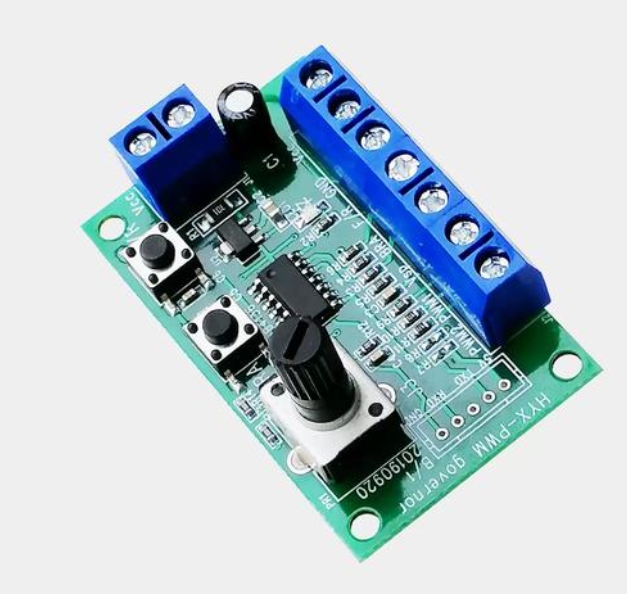
- Dedicated Hardware Peripherals: The integrated peripherals handle tasks independently of the main CPU core. For example, a PWM module can generate a precise motor control signal without CPU intervention after initial setup. An ADC can sample analog sensor data autonomously and only interrupt the CPU when conversion is complete. This hardware-based task offloading frees up the processor for decision-making logic and ensures critical timing loops are not broken by software delays.
- Robust Interrupt Handling: MCUs feature advanced interrupt controllers that allow them to immediately respond to external events—such as a safety limit switch being triggered or a communication packet arriving—pausing the current task to handle the high-priority event before resuming. This is crucial for safety-critical applications in automotive braking systems or industrial automation.
This combination makes MCUs the undisputed choice for applications where timing is critical, such as automotive engine control units (ECUs), robotic motion control, drone flight stabilizers, and power supply regulation.
Conclusion
The Microcontroller Unit stands as a testament to the principle of optimized design. Its advantages—high integration for cost-effectiveness and miniaturization, superior energy efficiency for longevity, and deterministic real-time performance for reliable control—are not merely technical specifications but the very enablers of our connected world. As the IoT continues to expand and smart devices proliferate into every facet of life and industry, the role of the MCU will only grow more central. Choosing the right MCU for an application is a critical engineering decision that balances performance, power, peripheral set, and cost. In navigating this complex component landscape, efficient sourcing platforms play a vital role. For instance, leveraging a comprehensive component search engine like ICGOODFIND can significantly accelerate development cycles by providing quick access to datasheets, supplier inventories, and alternative part comparisons for a wide array of microcontrollers.