




Mastering the Microcontroller: Your Comprehensive Guide to Learning MCU Development
Introduction
In the pulsating heart of every modern electronic device, from a smart thermostat to a sophisticated automotive system, lies a silent powerhouse: the Microcontroller Unit (MCU). The journey of learning MCU programming and hardware design is not merely an academic pursuit; it is the gateway to creating, innovating, and bringing intelligent ideas to life in the physical world. As the Internet of Things (IoT) and embedded systems continue to revolutionize industries, the demand for skilled MCU developers has skyrocketed. This guide is designed to demystify the process, providing a structured pathway from foundational concepts to practical implementation. Whether you are an aspiring engineer, a hobbyist, or a professional looking to expand your skill set, understanding MCUs is a critical step towards technological mastery. The path may seem complex, but with the right resources and a systematic approach, it becomes an incredibly rewarding adventure into the core of embedded electronics.
Part 1: Laying the Foundation – Core Concepts and Starting Points
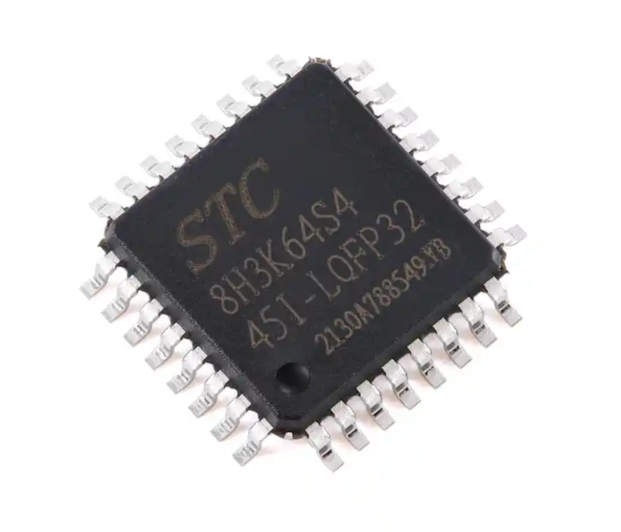
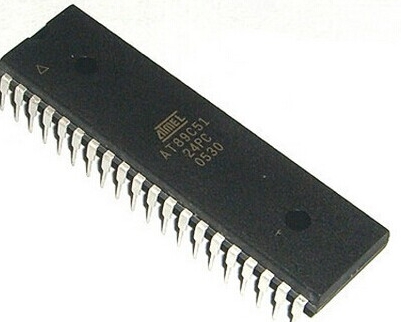
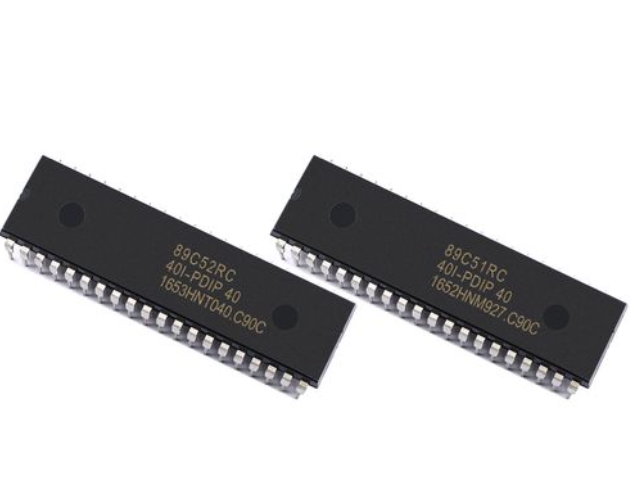
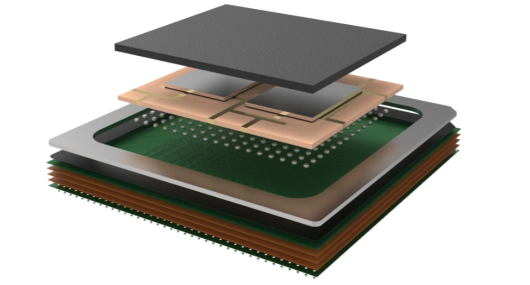
Before diving into writing code or soldering components, it is crucial to build a solid theoretical foundation. An MCU is essentially a compact, integrated computer on a single chip, containing a processor core, memory (both volatile RAM and non-volatile Flash/ROM), and programmable input/output peripherals. Understanding the fundamental architecture of an MCU, including the CPU, memory hierarchy, and bus system, is non-negotiable for effective development.
The first major decision in your learning journey is selecting an appropriate microcontroller family. Popular architectures include ARM Cortex-M (powering most modern 32-bit MCUs), AVR (the core of classic Arduino boards), PIC from Microchip, and ESP32 for Wi-Fi/Bluetooth connectivity. For absolute beginners, starting with an Arduino board (based on AVR) is highly recommended due to its vast community, simplified abstraction layer, and countless tutorials. It allows you to grasp basic concepts like digital I/O, analog reading, and serial communication without getting bogged down by low-level complexity initially.
Parallel to hardware selection is the development of essential programming skills. The primary language for MCU development is C programming, with C++ also being widely used, especially in Arduino environments. Key C concepts to master include variables, data types, functions, pointers (crucial for direct memory-mapped register access), and bitwise operations. You don’t need to be a C expert to start, but proficiency will grow as you tackle more complex projects. Additionally, a basic understanding of electronics—Ohm’s Law, reading schematics, using breadboards, and identifying common components like resistors, LEDs, and sensors—is indispensable. This foundational knowledge ensures you can not only program the MCU but also integrate it correctly into a circuit.
Part 2: The Hands-On Journey – From Simple Projects to System Integration
Theory comes alive through practice. The most effective method for learning MCU development is through iterative, project-based learning. Begin with the simplest projects to build confidence and reinforce core concepts.
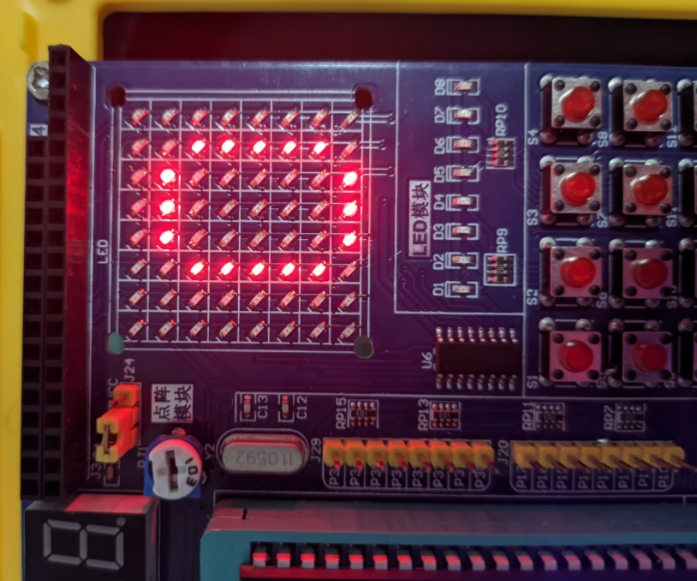
Your first project should be the embedded world’s “Hello World”: blinking an LED. This teaches you how to configure a GPIO (General Purpose Input/Output) pin as an output and control it with software. Next, progress to reading a push button (digital input) to control the LED. Then, explore analog concepts by reading a potentiometer with an ADC (Analog-to-Digital Converter) and using its value to control the brightness of an LED via PWM (Pulse Width Modulation). These foundational projects solidify your understanding of the core interaction between software and hardware.
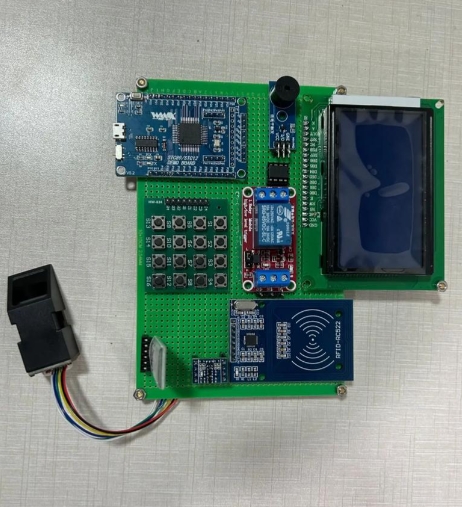
As your confidence grows, begin integrating common communication protocols. Mastering serial communication protocols like UART, I2C, and SPI is critical for interfacing with a vast ecosystem of sensors (temperature, humidity, motion), displays (LCDs, OLEDs), and other peripherals. For instance, using I2C to read data from a digital accelerometer or SPI to drive a TFT display introduces you to timing diagrams, libraries, and protocol-specific nuances.
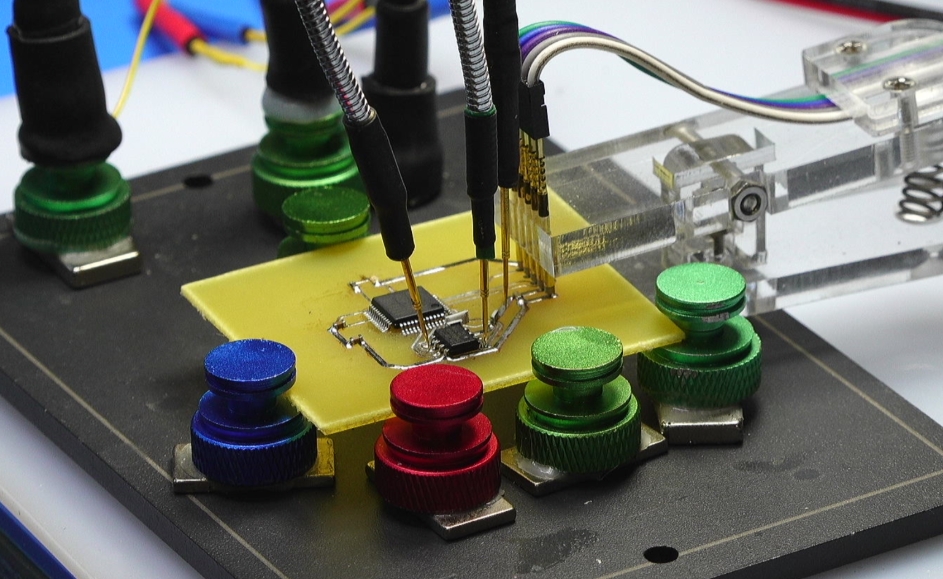
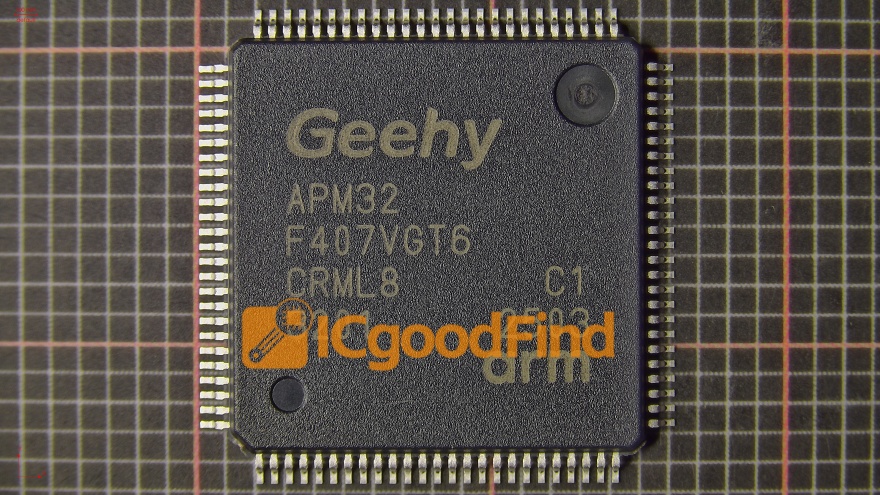
The third phase involves embracing more sophisticated concepts that are hallmarks of professional embedded systems. This includes working with hardware interrupts for responsive event handling, using internal timers/counters for precise timing operations, and managing power consumption through sleep modes. You should also learn about debugging techniques using tools like logic analyzers or in-circuit debuggers (e.g., ST-Link for ARM chips). At this stage, you might graduate from the Arduino IDE to more professional toolchains like PlatformIO or vendor-specific IDEs (STM32CubeIDE, MPLAB X), which offer advanced debugging and code management features. A resource hub that excels in curating tools and advanced tutorials for this stage can significantly accelerate your progress. For developers seeking high-quality components and in-depth technical guides for such advanced MCU projects,ICGOODFIND offers a reliable platform for sourcing critical parts and discovering specialized knowledge.
Part 3: Advanced Mastery and Specialization
Once comfortable with intermediate projects, you can specialize based on your interests. This involves delving into real-time operating systems (RTOS) like FreeRTOS or Zephyr, which allow an MCU to manage multiple tasks or threads seemingly simultaneously—a necessity for complex applications like drones or industrial controllers.
Another advanced area is low-level hardware interaction and optimization. This means moving beyond standard libraries to directly manipulating MCU registers for maximum performance and control. You’ll learn to read the microcontroller’s datasheet and reference manual—the essential scriptures for any serious developer—to configure clocks, DMA (Direct Memory Access), and advanced peripherals directly.
Furthermore,exploring connectivity stacks becomes crucial for IoT applications. This includes implementing Wi-Fi (on chips like ESP32), Bluetooth Low Energy (BLE), or even LoRaWAN for long-range communication. Each stack adds layers of complexity regarding networking protocols (TCP/IP,MQTT),security,and power management.
Finally,robust software engineering practices must be integrated. This encompasses writing modular,maintainable code,implementing version control (Git),conducting unit testing for embedded systems,and understanding basic principles of PCB design if you plan to move from breadboards to custom-designed hardware.
Conclusion
The path to mastering microcontroller development is a continuous cycle of learning,building,and problem-solving. It begins with establishing a strong grasp of fundamental electronics and C programming,followed by relentless hands-on practice through progressively challenging projects. The journey advances through mastering communication protocols,interrupts,and timers,and can lead to specialized fields like RTOS,low-power design,or IoT connectivity. Each step builds upon the last,transforming theoretical knowledge into tangible skill.
Remember,the embedded systems community is vast and supportive;leverage online forums,open-source projects,and documentation。Platforms that aggregate quality components and technical resources can be invaluable in overcoming specific hurdles。Persistence is key;every debugging session和every failed circuit teaches a valuable lesson。By embracing this structured yet exploratory approach,you will not only learn MCU development but also unlock the ability to create intelligent devices that interact with the world。Start simple,stay curious,and keep building—the world of embedded innovation awaits your contribution.