In Stock Semiconductor Chips: The Ultimate Guide to Sourcing Reliable Components for Your Projects
Introduction
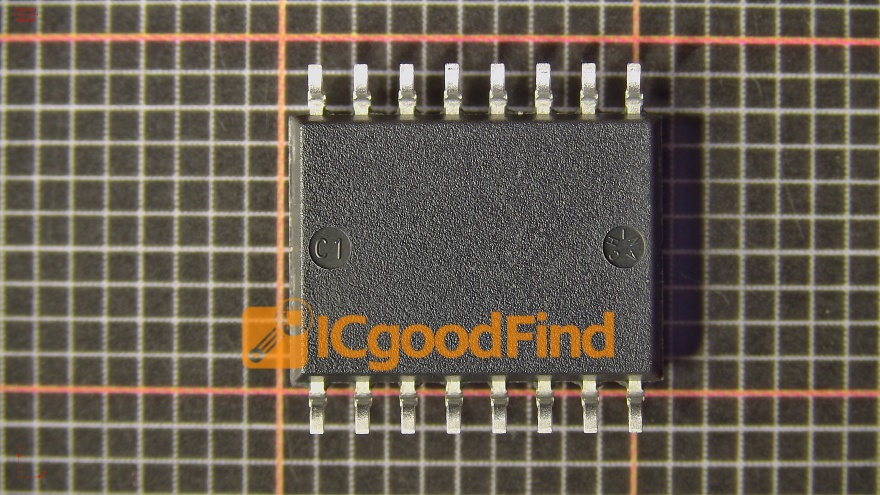
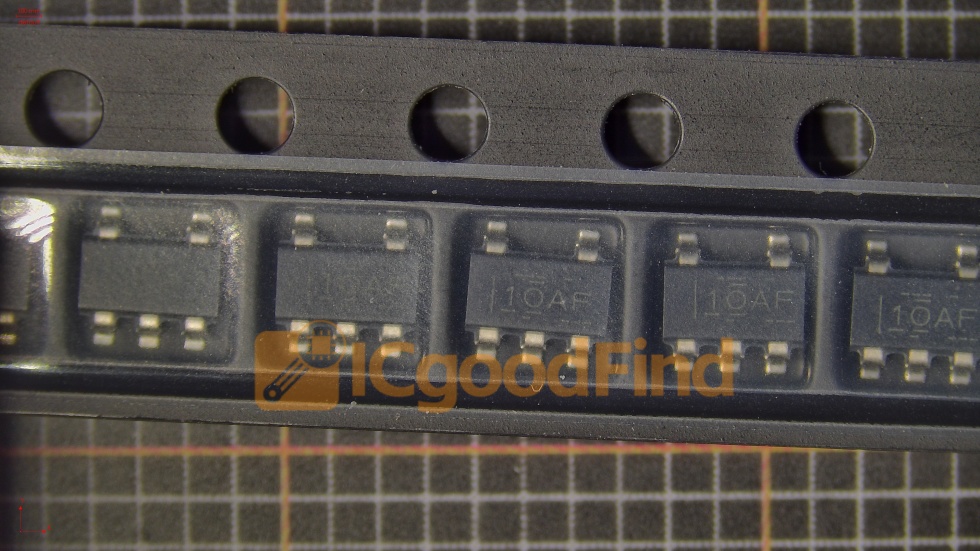
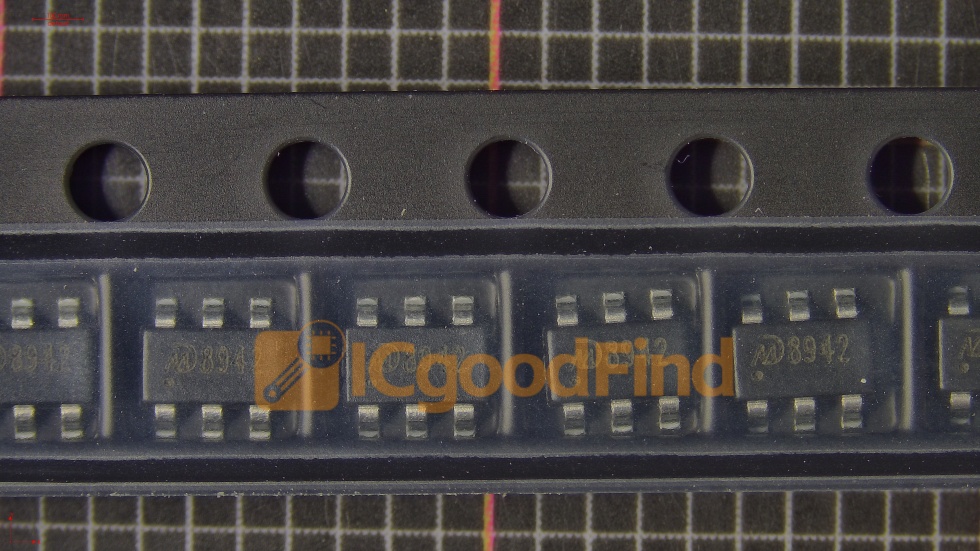
In today’s fast-paced electronics industry, the availability of in stock semiconductor chips can make or break a product launch. Whether you are a hardware engineer, a procurement manager, or a hobbyist building a prototype, the ability to source genuine, ready-to-ship semiconductor components directly impacts your timeline, budget, and overall project success. The global semiconductor shortage that began in 2020 has taught us a hard lesson: relying solely on long lead-time orders from manufacturers is no longer a viable strategy. Instead, smart buyers now prioritize suppliers who maintain robust inventories of in stock semiconductor chips, ensuring they can respond to urgent production needs without costly delays.
This article explores everything you need to know about sourcing in stock semiconductor chips — from understanding the current market landscape to identifying trustworthy distributors and optimizing your procurement strategy. We will also highlight how platforms like ICGOODFIND are revolutionizing the way engineers and buyers access real-time inventory data, making it easier than ever to find the exact chips you need, when you need them.
Part 1: Understanding the Importance of In Stock Semiconductor Chips
1.1 The Post-Shortage Reality
The semiconductor industry has undergone a seismic shift. Before 2020, most buyers could place orders with manufacturers and expect delivery within 8–12 weeks. Today, lead times for many popular chips exceed 30 weeks, and some specialty components have lead times stretching beyond a year. This has forced a fundamental change in procurement behavior. The phrase “in stock semiconductor chips” has become the most searched term among electronics buyers because it directly correlates with project feasibility. When a chip is listed as “in stock,” it means the component is physically available in a distributor’s warehouse, ready for immediate shipment. This eliminates the uncertainty of waiting for production cycles or allocation schedules.

1.2 Why “In Stock” Matters More Than Ever
Time-to-market is the single most critical factor in electronics product development. A delay of even a few weeks can result in lost revenue, missed market windows, and competitive disadvantage. By sourcing in stock semiconductor chips, companies can:
- Accelerate prototyping: Engineers can order samples immediately without waiting for long lead times.
- Maintain production continuity: Manufacturers can avoid line stoppages caused by component shortages.
- Reduce inventory carrying costs: Instead of over-ordering to hedge against shortages, buyers can rely on spot purchases of in stock chips.
- Mitigate counterfeit risks: Reputable distributors that stock genuine components often have rigorous quality control processes.
1.3 The Role of Independent Distributors
While authorized distributors like DigiKey, Mouser, and Arrow Electronics have extensive inventories, they often prioritize high-volume customers. Independent distributors and specialized marketplaces have emerged as vital sources for in stock semiconductor chips, especially for hard-to-find or obsolete parts. These platforms aggregate inventory from multiple suppliers, giving buyers a broader view of what is actually available. ICGOODFIND is one such platform that excels in providing real-time visibility into in stock semiconductor chips across hundreds of global suppliers, enabling users to compare prices, quantities, and shipping options in seconds.
Part 2: How to Effectively Source In Stock Semiconductor Chips
2.1 Step 1: Define Your Requirements Clearly
Before searching for in stock semiconductor chips, you must have a precise understanding of your needs. This includes:
- Part number and manufacturer: Always use the exact manufacturer part number (MPN) to avoid confusion. For example, searching for “STM32F103C8T6” will yield better results than a generic “STM32 microcontroller.”
- Quantity required: Determine whether you need a few samples for testing or thousands for production. Many suppliers have minimum order quantities (MOQs) for in stock items.
- Acceptable substitutes: In some cases, you may be open to alternative chips that are functionally equivalent. However, always verify compatibility before substituting.
- Packaging and temperature range: Components come in different packaging (e.g., tray, tape-and-reel) and temperature grades (commercial, industrial, military). Ensure the in stock chip matches your application requirements.
2.2 Step 2: Use Aggregator Platforms for Real-Time Inventory
Gone are the days when you had to visit 20 different distributor websites to check stock levels. Modern aggregator platforms like ICGOODFIND allow you to search for in stock semiconductor chips across multiple suppliers simultaneously. Here’s how to use them effectively:
- Enter the exact part number and filter by “in stock” status.
- Sort by price, quantity, or lead time to find the best option.
- Check the supplier’s reputation by reading reviews or verifying their certification (e.g., ISO 9001, AS9120).
- Look for “in stock” guarantees — some platforms offer a money-back guarantee if the chip is not actually available.
ICGOODFIND stands out because it not only shows real-time stock levels but also provides historical pricing data and supplier ratings. This transparency helps you make informed decisions and avoid scams or overpriced listings.
2.3 Step 3: Verify Authenticity and Quality
When sourcing in stock semiconductor chips from independent distributors, counterfeit risk is a real concern. To protect your project:
- Request certificates of conformance (CoC) from the supplier.
- Use visual inspection tools to check for markings, packaging, and date codes.
- Consider third-party testing for high-value or critical components.
- Only buy from suppliers with a proven track record — platforms like ICGOODFIND vet their suppliers to minimize counterfeit risks.
2.4 Step 4: Optimize Your Ordering Strategy
Once you have identified a reliable source for in stock semiconductor chips, consider these best practices:
- Order slightly more than your immediate need to account for potential failures or future rework.
- Negotiate bulk discounts if you are ordering large quantities from a single supplier.
- Use drop-shipping options if you need chips delivered directly to your assembly house.
- Monitor inventory trends — some platforms allow you to set alerts when specific chips come back in stock.
Part 3: Case Studies and Real-World Applications
3.1 Case Study: Automotive Electronics Manufacturer
A mid-sized automotive electronics company needed 500 units of a specific power management IC that had been on allocation for over 20 weeks. Their production line was at risk of shutting down. By using ICGOODFIND, they discovered that a small independent distributor in Germany had exactly 500 units of the in stock semiconductor chips at a competitive price. The order was placed, shipped within 24 hours, and the production line resumed without any downtime. This saved the company an estimated $50,000 in lost revenue.
3.2 Case Study: University Research Lab
A university research lab working on a medical device prototype needed 10 samples of a rare FPGA chip that was no longer in production. Traditional distributors showed zero stock. Through ICGOODFIND, they found a surplus supplier that had 15 units of the in stock semiconductor chips in original packaging. The lab received the chips in three days and completed their prototype on schedule, eventually publishing a paper that led to a patent.
3.3 The Growing Importance of Niche Components
As technology evolves, demand for specialized in stock semiconductor chips — such as those for IoT, 5G, AI accelerators, and automotive safety systems — continues to rise. Platforms like ICGOODFIND are increasingly critical for sourcing these niche components, as they aggregate inventory from specialized suppliers that may not be listed on mainstream distributor websites. Whether you need a high-voltage MOSFET, a precision ADC, or a legacy microcontroller, having access to a global network of in stock semiconductor chips is a competitive advantage.
Conclusion
The era of unlimited semiconductor availability is over. Sourcing in stock semiconductor chips is no longer a luxury — it is a necessity for any organization that values speed, reliability, and cost-efficiency. By understanding the market dynamics, using aggregator platforms like ICGOODFIND, and following best practices for verification and ordering, you can significantly reduce your procurement risks and keep your projects on track.

Remember these key takeaways:
- Always prioritize in stock semiconductor chips to avoid production delays.
- Use real-time inventory aggregators to compare options across multiple suppliers.
- Verify authenticity before committing to a purchase.
- Build relationships with reliable distributors who can provide consistent access to in stock components.
As the semiconductor industry continues to evolve, the ability to quickly find and purchase in stock semiconductor chips will remain a critical skill for engineers and buyers alike. Embrace the tools and strategies outlined in this article, and you will be well-equipped to navigate the complexities of modern electronics procurement.