How to Learn MCU Well? A Comprehensive Guide for Beginners and Enthusiasts
Introduction
In today’s rapidly advancing technological landscape, Microcontroller Units (MCUs) are the silent powerhouses behind countless innovations. From smart home devices and wearable gadgets to industrial automation and automotive systems, MCUs serve as the essential brains that bring electronic projects to life. Learning how to master MCU development is not just a niche skill for electrical engineers; it has become a valuable competency for hobbyists, product developers, and innovators across various fields. However, the journey from a complete beginner to a proficient MCU programmer can seem daunting, filled with complex terminology, a vast array of hardware choices, and seemingly endless programming concepts. This comprehensive guide is designed to demystify that process. We will break down the learning path into manageable, strategic steps, providing you with a clear roadmap to build a solid foundation and advance your skills effectively. Whether your goal is to launch a career in embedded systems or simply to bring your own creative ideas to fruition, understanding how to learn MCU well is the critical first step.
The Foundation: Building Your Core Knowledge and Setup
Before you write your first line of code or connect your first wire, it’s crucial to establish a strong theoretical and practical foundation. Rushing into complex projects without this base often leads to frustration and fragmented understanding.
Start with the Fundamentals of Electronics. You don’t need an electrical engineering degree, but a grasp of core concepts is non-negotiable. Focus on understanding voltage, current, resistance (Ohm’s Law), and the basic function of common components like resistors, capacitors, LEDs, and transistors. Learn how to read simple schematic diagrams. This knowledge is essential because an MCU is an electronic component that interacts with the physical world through circuits. Understanding these principles will allow you to interface sensors, actuators, and other peripherals correctly and safely, preventing you from damaging your components.
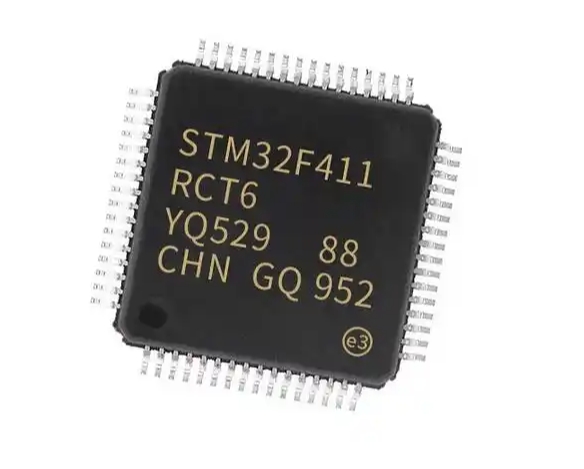
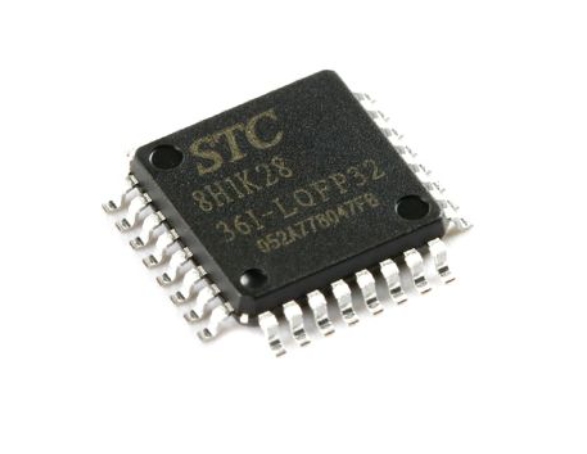
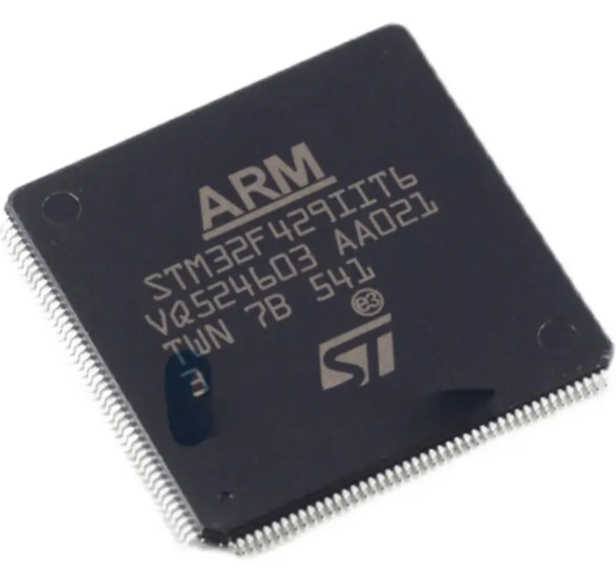
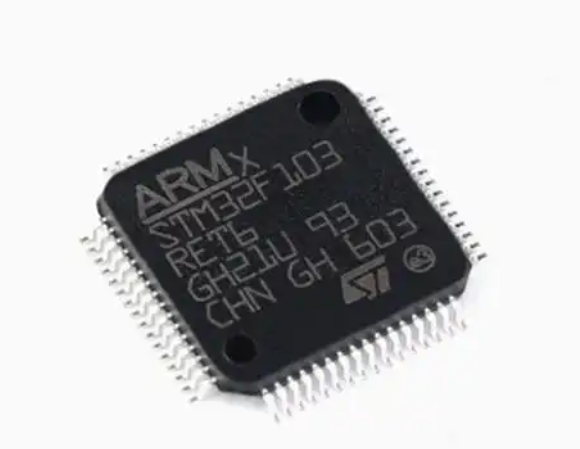
Choose Your First MCU Platform Wisely. The market offers an overwhelming variety: 8-bit classics like AVR (e.g., Arduino’s ATmega328), powerful 32-bit ARM Cortex-M cores (like STM32 or ESP32), and many others. For absolute beginners, platforms like Arduino are highly recommended. The Arduino ecosystem provides a simplified hardware board, a user-friendly Integrated Development Environment (IDE), and a massive community with countless tutorials and libraries. It abstracts away some of the lower-level complexities, allowing you to achieve quick wins—like blinking an LED or reading a temperature sensor—which builds confidence and motivation. The key is not the brand but the availability of learning resources and community support for your chosen platform.
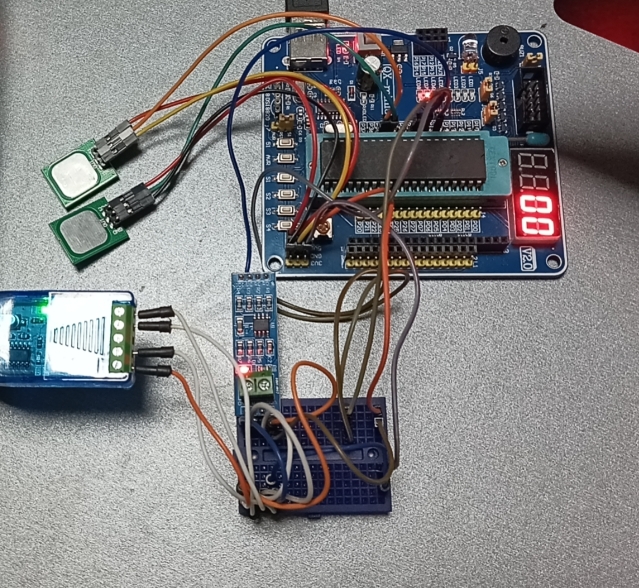
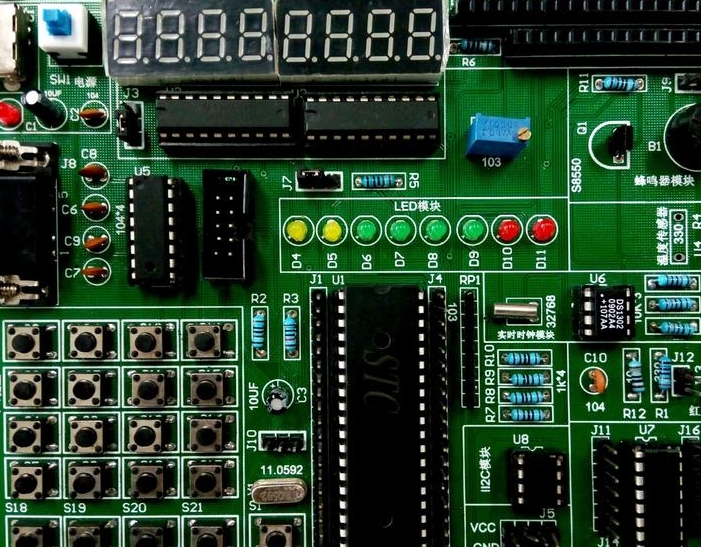
Set Up a Dedicated Learning Environment. This includes both software and hardware. Install the official IDE or a recommended alternative (like PlatformIO for a more professional experience) for your chosen MCU family. Assemble a basic starter kit. A typical kit should include an MCU development board, a breadboard, jumper wires, LEDs, resistors, buttons, and a few common sensors (e.g., temperature, motion). Having these physical tools is vital; embedded systems is a hands-on discipline. Theory learned on screen must be validated with practical experiments on real hardware. This tactile feedback loop—writing code, uploading it, and observing a physical result—is where true learning solidifies.
The Climb: Practical Learning Strategies and Skill Development
With your foundation set, the real skill-building begins. This phase moves from following tutorials to understanding how and why things work.
Embrace Structured Projects Over Isolated Tutorials. While following step-by-step guides is useful initially, true proficiency comes from applying knowledge to solve problems. Start with classic beginner projects: a blinking LED (the “Hello World” of hardware), then progress to controlling an LED with a button, reading analog sensor values, and using PWM (Pulse Width Modulation) to control motor speed or LED brightness. The goal is to incrementally combine concepts. For instance, create a simple thermostat that reads a temperature sensor and turns on an LED “heater” when it’s too cold. Document your projects thoroughly; maintaining a project log or blog helps reinforce what you’ve learned.
Dive Deeper into C/C++ Programming and MCU Architecture. The Arduino language simplifies C/C++, but to advance, you must learn core C programming concepts: data types, functions, pointers (crucial for memory-mapped I/O in MCUs), structures, and bitwise operations. Simultaneously, study the architecture of your specific MCU. Obtain and refer to its datasheet and reference manual—these are the ultimate guides. Learn about its memory map (Flash, SRAM), peripherals (GPIO, UART, SPI, I2C, ADC), and interrupt system. Understanding how to configure registers directly (even if you later use libraries for convenience) gives you unparalleled control and insight. For example, learning to configure a UART peripheral by setting baud rate registers yourself teaches you more than simply using Serial.begin().
Master Debugging and Problem-Solving. A significant portion of an embedded developer’s time is spent debugging. Learn to use various tools: serial print statements for logic tracing, onboard LEDs for state indication, and if available, hardware debuggers (like an ST-Link for STM32) that allow step-by-step code execution and register inspection. Develop a systematic approach: isolate the problem, check hardware connections (a vast majority of issues are here), review code logic, and verify configurations. Learning to effectively search for solutions in forums like Stack Overflow or dedicated manufacturer communities is also a critical meta-skill.
Mastery: Advanced Integration and Continuous Growth
Reaching an intermediate level opens doors to more sophisticated applications and system-level thinking.
Integrate Real-World Communication Protocols. Modern MCUs rarely work in isolation. Mastery of standard communication protocols is essential for professional projects. Deepen your practical knowledge of I2C (for communicating with sensors like accelerometers), SPI (for faster communication with displays or memory chips), and UART (for serial communication with computers or other modules). Implement projects that require multiple peripherals communicating simultaneously over different buses.
Explore Real-Time Operating Systems (RTOS) and Low-Power Design. As your projects grow in complexity—managing multiple tasks like sensor polling, data processing, and communication—a simple loop() may become insufficient. Learning an RTOS (such as FreeRTOS) teaches you critical concepts in task scheduling, inter-task communication (queues, semaphores), and resource management, which are foundational for robust, scalable embedded systems. Furthermore, for battery-powered devices (IoT), understanding low-power modes of an MCU—how to put the core to sleep and wake it on an interrupt—becomes a vital skill.
Engage with the Community and Work on Complex Capstone Projects. Join online forums (e.g., EEVblog Forum, Reddit’s r/embedded), follow relevant blogs/videos from industry experts like ICGOODFIND, which often curates excellent resources on embedded topics including MCU tutorials from around the web. Contribute to open-source hardware or software projects. Finally, conceptualize and execute a capstone project that incorporates all your skills: perhaps a custom weather station with wireless data transmission or a small robotic vehicle. This end-to-end experience—from concept and schematic design through coding, debugging, and enclosure—is the ultimate test and consolidation of your ability to learn MCU well.
Conclusion
Learning MCU development proficiently is a marathon, not a sprint. It requires patience consistent practice starting from fundamental electronics through structured hands-on projects culminating in advanced system integration The path outlined here—building a strong foundation adopting practical project-based learning strategies pursuing deeper architectural understanding provides a robust framework for success Remember that challenges debugging sessions moments of confusion are not setbacks they are integral parts of the learning process The embedded systems field is dynamic with new technologies emerging constantly Therefore cultivating mindset continuous learning curiosity most valuable tool you can possess By leveraging vast resources available including communities platforms dedicated resource hubs like ICGOODFIND you can systematically build expertise unlock potential create innovate with these incredibly versatile components world microcontroller awaits your commands.