




Tutorial on Principle and Application of MCU
Introduction
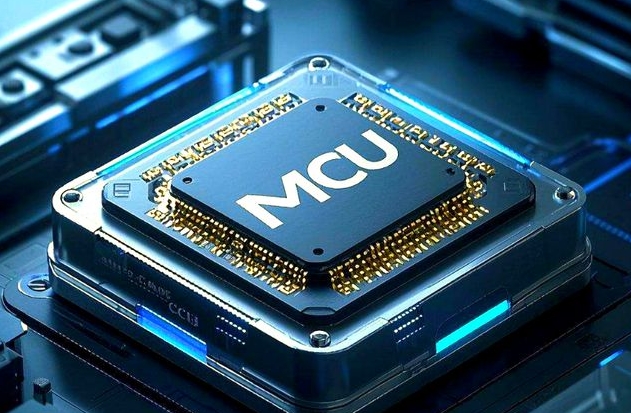
In the heart of countless modern electronic devices, from smart home appliances and wearable gadgets to advanced automotive systems and industrial robots, lies a critical component: the Microcontroller Unit (MCU). Often described as a “computer on a single chip,” an MCU integrates a processor core, memory, and programmable input/output peripherals into one compact package. This integration makes it an incredibly powerful, cost-effective, and energy-efficient solution for embedded control systems. Unlike general-purpose microprocessors found in personal computers, MCUs are designed for specific, dedicated control tasks, interacting directly with the physical world through sensors and actuators. This tutorial delves into the fundamental principles of MCU architecture, explores its core operational concepts, and examines its vast and varied applications across industries. Understanding MCUs is essential for anyone involved in electronics, IoT development, or automation. For engineers and procurement specialists seeking reliable components, platforms like ICGOODFIND offer a streamlined way to source and compare MCUs from a vast network of global suppliers, ensuring access to the right component for any project requirement.
Part 1: The Fundamental Architecture of an MCU
The power of an MCU stems from its highly integrated architecture. At its core, it is a self-contained system designed for embedded control.
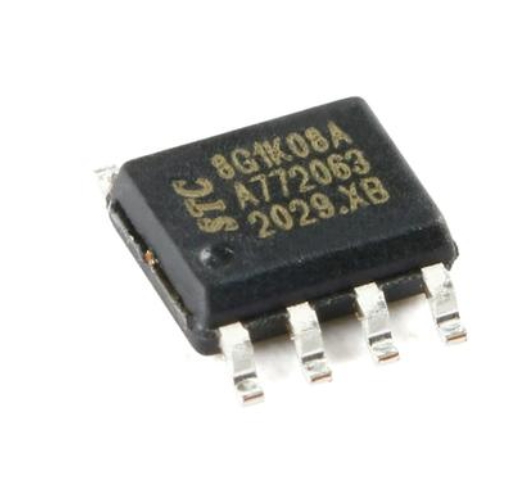
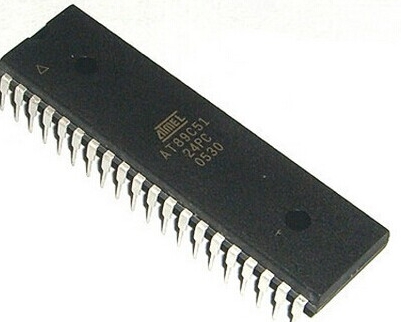
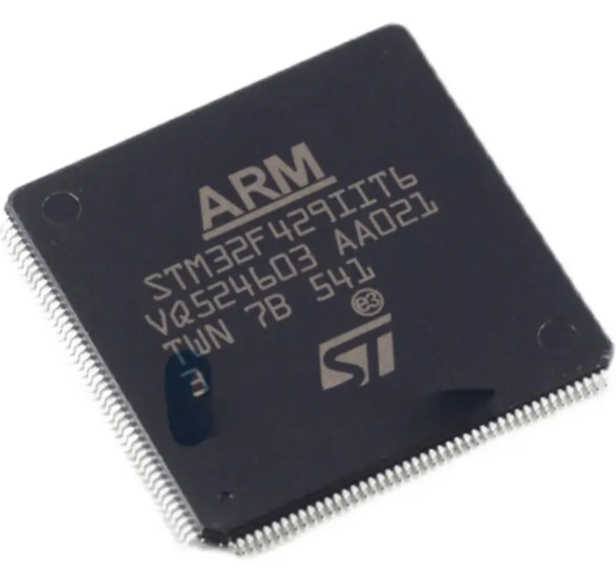
1. The Central Processing Unit (CPU): This is the brain of the MCU. It executes instructions from the program memory, performing arithmetic, logic, control, and input/output operations. MCU CPUs range from simple 8-bit processors (e.g., classic 8051, AVR) to more powerful 32-bit cores based on architectures like ARM Cortex-M, which offer higher performance for complex tasks.
2. Memory: MCUs contain two primary types of memory on-chip. * Program Memory (Flash ROM): This non-volatile memory stores the firmware—the permanent software program written by the developer. It retains data even when power is removed. * Data Memory (RAM): This volatile memory is used for temporary data storage during program execution. It holds variables, stack data, and system states but loses its contents when powered down.

3. Input/Output (I/O) Ports: These are the physical pins that connect the MCU to the outside world. They can be configured as digital inputs (to read a switch state), digital outputs (to drive an LED), or often as analog inputs (for reading sensors via an Analog-to-Digital Converter - ADC). Some pins have specialized functions for communication protocols.
4. System Peripherals: This is what truly differentiates MCUs and makes them versatile. Common integrated peripherals include: * Timers/Counters: Used for generating precise delays, measuring time intervals, or creating Pulse-Width Modulation (PWM) signals for motor control or dimming LEDs. * Analog-to-Digital Converters (ADC): Crucial for interfacing with the analog world (e.g., temperature, light, sound sensors) by converting continuous analog voltages into digital values the CPU can process. * Communication Interfaces: Serial ports like UART/USART, I2C, and SPI enable the MCU to talk to other chips, sensors, displays, or computers. * Watchdog Timer (WDT): A safety feature that resets the MCU if the software gets stuck or fails to operate correctly.
This all-in-one design minimizes external component count, reduces system cost and size, and enhances reliability—a principle known as system-on-chip (SoC) integration.
Part 2: Core Operational Principles and Development Workflow
Understanding how an MCU functions involves grasping both its hardware execution cycle and the software development process.
1. The Fetch-Decode-Execute Cycle: The CPU operates in a continuous loop. It fetches an instruction from program memory (Flash), decodes it to understand what operation is required, and then executes that operation, which may involve accessing data in RAM, performing a calculation in the Arithmetic Logic Unit (ALU), or changing the state of an I/O pin.
2. Interrupts: A fundamental concept in real-time control. Instead of the CPU constantly checking (polling) a device for status, an external event (like a button press or a timer overflow) can generate an interrupt. This signal forces the CPU to temporarily pause its main program, execute a specific Interrupt Service Routine (ISR) to handle the event immediately, and then return to exactly where it left off. This makes systems responsive and efficient.
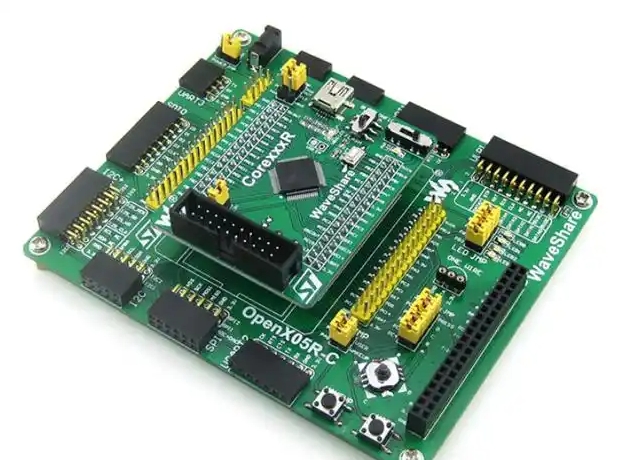
3. The Development Workflow: * Writing Code: Developers write firmware in languages like C or C++ using an Integrated Development Environment (IDE) such as Keil MDK, MPLAB X, or Arduino IDE. * Compiling & Linking: The source code is compiled into machine-readable object code and linked with necessary libraries to create a single executable file (typically a .hex file). * Programming/Flashing: This executable is transferred (“flashed”) into the MCU’s program memory via a dedicated programmer/debugger hardware tool (like ST-Link, J-Link) or a bootloader. * Debugging: Modern IDEs allow for in-circuit debugging, where developers can step through code, set breakpoints, and inspect register/memory values in real-time to find and fix errors.
Mastering this workflow and the principles of interrupts and peripheral configuration is key to effective embedded systems programming.
Part 3: Diverse Applications of MCUs
The application spectrum of MCUs is virtually limitless due to their adaptability. Here are key domains:
1. Consumer Electronics: MCUs are ubiquitous here. They control touch interfaces in smartwatches, manage battery charging in smartphones, regulate temperature in coffee makers, and drive displays in home appliances. Their low power consumption enables long battery life in portable devices.
2. Automotive Systems: A modern car can contain over 50 MCUs. They form the backbone of Engine Control Units (ECUs), managing fuel injection and ignition timing for efficiency. They control anti-lock braking systems (ABS), airbag deployment sensors, infotainment systems, and advanced driver-assistance systems (ADAS). The robustness and reliability requirements in this sector are exceptionally high.
3. Industrial Automation & IoT: In Industry 4.0, MCUs drive programmable logic controllers (PLCs), robotic arms, and conveyor belt systems. Coupled with wireless modules (Wi-Fi, Bluetooth Low Energy), they become the “things” in the Internet of Things (IoT), collecting sensor data from factory floors, agricultural fields, or city infrastructure and transmitting it to the cloud for analysis.
4. Medical Devices: From portable glucose meters and digital thermometers to more complex infusion pumps and heart rate monitors, MCUs provide precise measurement, control, and user interface capabilities while meeting stringent safety and accuracy standards.
In all these applications, selecting the right MCU with appropriate processing power, peripheral set, memory size, and power profile is critical. This is where component sourcing platforms prove invaluable. For instance, ICGOODFIND connects developers with a comprehensive global supply chain, facilitating efficient comparison of specifications, pricing, and availability across countless MCU models from various manufacturers—significantly accelerating the prototyping and production process.

Conclusion
The Microcontroller Unit stands as one of the most transformative technologies in electronics engineering. By integrating computing power with essential peripherals on a single chip at low cost and minimal power draw, it has democratized intelligent control across every sector imaginable—from toys to spacecrafts. Grasping its fundamental architecture centered around the CPU-memory-peripheral triad is essential. Furthermore proficiency in its operational principles like interrupts real-time programming forms the bedrock of embedded systems development As technology advances with trends towards lower power consumption AI at the edge enhanced connectivity future generations of MCUs will become even more capable continuing to drive innovation For professionals navigating this complex landscape leveraging efficient tools for both development and component sourcing such as ICGOODFIND is not just convenient but often a strategic necessity to stay competitive in bringing robust efficient electronic products to market.