Principle, Application and Technology of MCU: The Brain Behind Modern Electronics
Introduction
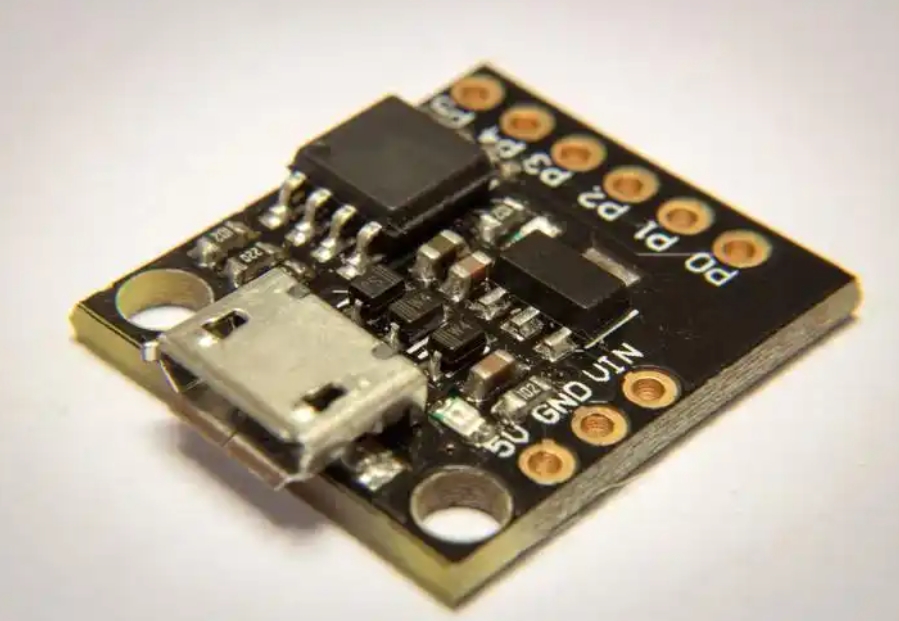
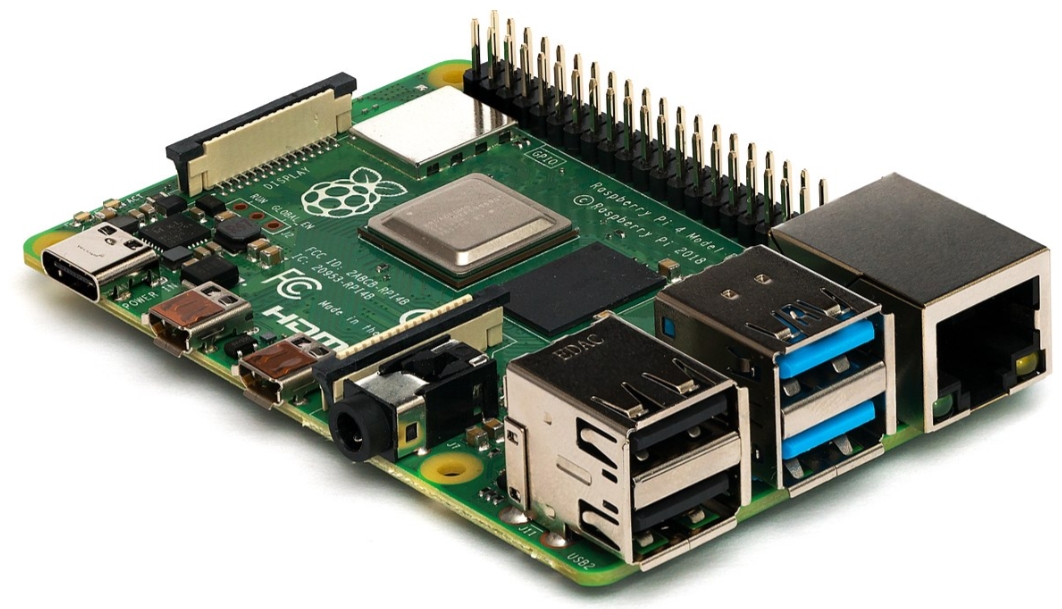
In the invisible fabric of our digital world, a tiny yet powerful component acts as the central nervous system for countless devices. The Microcontroller Unit (MCU) is a compact integrated circuit designed to govern a specific operation in an embedded system. From the moment you wake up to a smart alarm, brew coffee with a programmable machine, drive a car with engine control, to using a smartphone, MCUs are silently at work. This article delves into the core principles that make MCUs function, explores their vast and transformative applications, and examines the cutting-edge technologies driving their future. Understanding MCUs is key to comprehending the technological revolution shaping our everyday lives and industrial landscapes.
Part 1: The Fundamental Principle of MCU
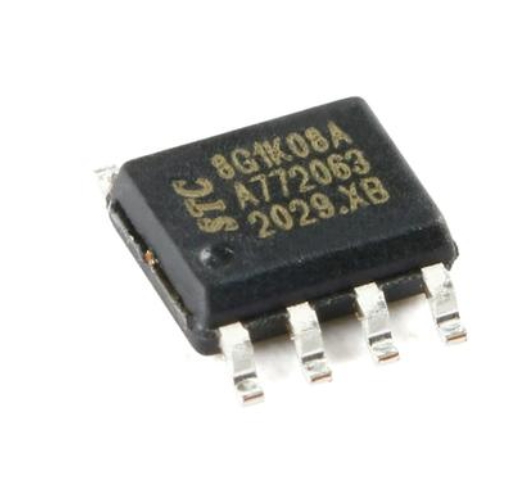
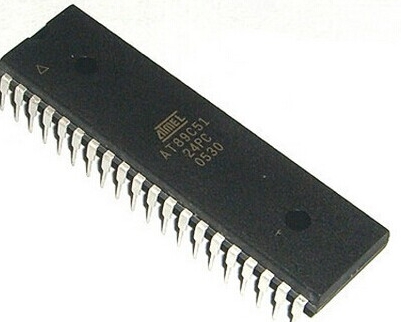
At its heart, an MCU is a self-contained system-on-a-chip (SoC). Its principle revolves around executing specific tasks by processing input data and controlling output devices based on a pre-programmed set of instructions. The core architecture is built around several key subsystems working in harmony.
The Central Processing Unit (CPU) serves as the brain, fetching, decoding, and executing instructions from memory. Unlike general-purpose processors in PCs, MCU CPUs are often based on efficient architectures like ARM Cortex-M, RISC-V, or proprietary 8/16/32-bit cores, optimized for low-power, real-time control.
Memory is bifurcated into Program Memory (typically Flash ROM) and Data Memory (RAM). The Flash stores the firmware—the permanent software code that defines the MCU’s operation. The RAM provides volatile space for temporary data storage during program execution.
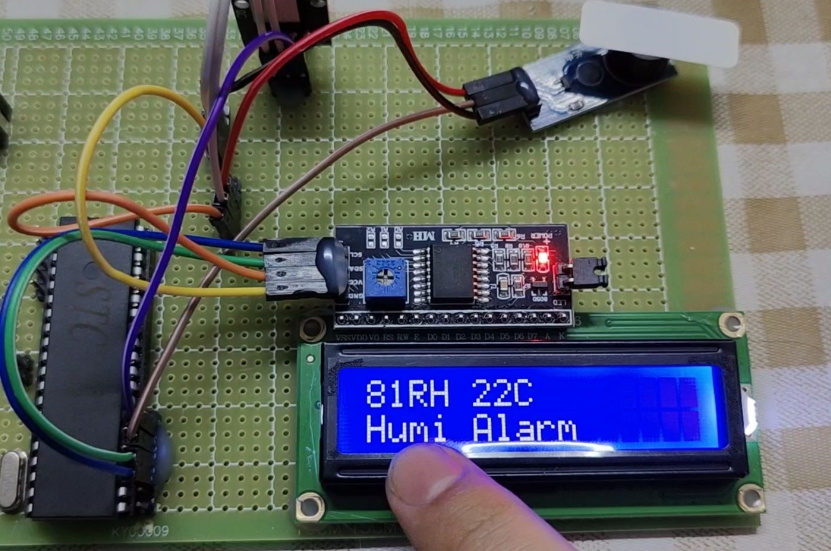
Peripherals are what truly define an MCU’s capability and specialization. These are integrated circuits within the chip that interface with the outside world. Critical peripherals include: * General-Purpose Input/Output (GPIO) Pins: Configurable pins to read digital signals (e.g., a button press) or send control signals (e.g., light an LED). * Analog-to-Digital Converters (ADC): Essential for reading real-world analog signals from sensors (temperature, pressure, sound) and converting them into digital values the CPU can process. * Timers/Counters: Used for precise timing operations, generating pulse-width modulation (PWM) for motor control or dimming LEDs, and measuring time intervals. * Communication Interfaces: Such as UART (serial), I2C, and SPI, which enable the MCU to talk to other chips, sensors, displays, or network modules.
The operational principle follows a continuous “fetch-decode-execute” cycle, managed by internal clocks. It’s this elegant integration of core computing elements with dedicated peripherals on a single chip that makes the MCU a cost-effective, power-efficient, and reliable solution for embedded control. For engineers seeking the optimal MCU for a specific project, navigating these principles to match core performance, memory size, and peripheral mix with application requirements is crucial. Resources like ICGOODFIND can be instrumental in this selection process, offering detailed component comparisons and sourcing information.
Part 2: Pervasive Applications of MCU
The application scope of MCUs is virtually limitless, embedded deep within consumer, industrial, automotive, and medical ecosystems. Their low cost, small size, and programmable nature make them the default choice for intelligent control.
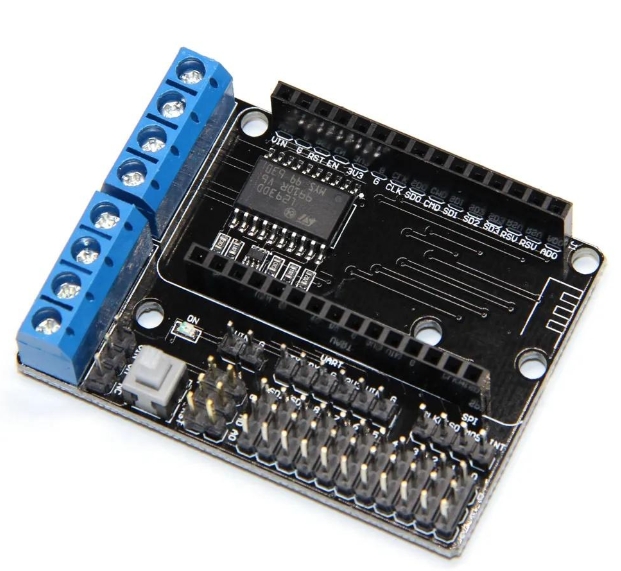
In Consumer Electronics, MCUs are ubiquitous. They manage touch interfaces in smart home devices, control washing machine cycles, regulate drone flight stability, and handle user input in gaming consoles. The Internet of Things (IoT) revolution is fundamentally powered by low-power wireless MCUs that collect sensor data and communicate via Wi-Fi, Bluetooth, or LoRa to the cloud.
The Automotive Industry is a major adopter of MCUs. A modern vehicle can contain over 100 MCUs, managing everything from basic functions like power windows and lighting to critical systems like Engine Control Units (ECUs), Anti-lock Braking Systems (ABS), airbag deployment, and Advanced Driver-Assistance Systems (ADAS). The trend towards electric vehicles (EVs) and autonomous driving further increases reliance on high-performance, safety-certified MCUs.
Industrial Automation and Control rely heavily on robust MCUs for precision and reliability. They serve as the brains in Programmable Logic Controllers (PLCs), robotic arms, motor drives, and complex process control systems. Here, features like real-time performance, extensive communication protocols (Ethernet, CAN bus), and resilience in harsh environments are paramount.
Medical devices increasingly leverage MCUs for portability and intelligence. From digital thermometers and insulin pumps to portable ECG monitors and advanced diagnostic imaging equipment interiors, MCUs ensure accurate sensing, data processing, and safe operation. This sector demands the highest levels of reliability and often stringent regulatory certification.
Part 3: Advancing Technology Trends in MCU Development
MCU technology is not static; it evolves rapidly to meet new application demands. Several key technological trends are shaping the next generation of microcontrollers.
The push for Ultra-Low-Power consumption is dominant, especially for battery-powered IoT and wearable devices. Modern MCUs feature advanced power management architectures with multiple sleep modes (deep sleep, standby) where power consumption can drop to microamps or even nanoamps. Techniques like dynamic voltage and frequency scaling allow the CPU to use minimal energy when full performance isn’t required.
Enhanced Processing Power and Core Integration is another trend. While simple 8-bit MCUs remain popular for basic tasks, there is a significant shift towards 32-bit ARM Cortex-M cores, which offer much higher performance for complex algorithms, digital signal processing (DSP), and even rudimentary machine learning tasks at the edge. Furthermore, the adoption of RISC-V open-source architecture is gaining momentum, offering customization freedom and potential cost benefits.
Increased Integration (“More than Moore”) sees MCUs becoming more than just controllers; they are evolving into complete system solutions. It’s now common to find MCUs with integrated high-resolution ADCs/DACs, advanced cryptography accelerators for security, touch-sensing controllers (Capacitive Touch), and even on-chip radio transceivers for Bluetooth Low Energy (BLE) or Wi-Fi connectivity. This high level of integration reduces system size, cost, and design complexity.
The rise of AI at the Edge is pushing MCUs into new territory. Newer microcontroller families are being equipped with hardware accelerators for neural network processing (tinyML), enabling devices to run machine learning inference locally—such as voice recognition or predictive maintenance—without relying on cloud connectivity. This enhances speed, privacy, and reliability.
Conclusion
The Microcontroller Unit stands as one of the most influential inventions in modern electronics. Its fundamental principle—integrating a processor core with memory and programmable peripherals on a single chip—has created an engine for innovation across every sector. From simplifying daily chores through smart appliances to enabling life-saving medical devices and driving forward industrial automation and connected intelligence in IoT ecosystems,the application of MCUs is profoundly transformative. As technology trends continue to push towards greater power efficiency,higher integration,and embedded intelligence,the humble MCU will undoubtedly remain at the core of our increasingly digital world,powering smarter,more responsive,and more interconnected solutions for years to come.