

Small MCU Projects: Your Gateway to Embedded Systems Mastery
Introduction
In the vast and intricate world of technology, a quiet revolution is taking place on a microscopic scale. At its heart lies the Microcontroller Unit (MCU), a compact integrated circuit designed to govern specific operations in embedded systems. While industrial and commercial applications often dominate headlines, the true spirit of innovation and learning flourishes in the realm of small MCU projects. These endeavors are far from trivial; they are the foundational building blocks for aspiring engineers, hobbyists, and seasoned professionals looking to prototype ideas rapidly. Engaging with small-scale projects demystifies complex concepts, making embedded systems accessible and profoundly rewarding. This article explores the immense value of starting small, guiding you through essential tools, inspiring project ideas, and the pivotal role of communities like ICGOODFIND in your development journey. By embracing these compact challenges, you unlock a world of practical skills, from circuit design and sensor integration to efficient C/C++ programming and real-world problem-solving.
The Unmatched Value of Starting with Small MCU Projects
The journey into electronics and programming can be daunting. Small MCU projects serve as the perfect antidote to overwhelm, offering a structured, hands-on path to competence and confidence.
First and foremost, small projects provide immediate, tangible feedback. Unlike abstract theoretical study, writing code to blink an LED or read a temperature sensor yields an instant physical result. This feedback loop is crucial for motivation and deep learning. When your code compiles successfully and the hardware responds as intended, it reinforces understanding of core principles like GPIO (General-Purpose Input/Output) control, timing loops, and analog-to-digital conversion. Each successful mini-project builds a “proof of concept” in your mind, solidifying knowledge that is easily transferable to more complex systems.
Furthermore, these projects are incredibly cost-effective and low-risk. A beginner’s kit featuring a popular MCU like the Arduino (based on the ATmega328P), an ESP8266/ESP32, or an STM32 board can be acquired for a modest investment. Components such as sensors, LEDs, resistors, and breadboards are inexpensive and reusable. This low barrier to entry encourages experimentation—you can afford to make mistakes, burn out an LED, or miswire a circuit without facing significant financial loss. This environment fosters creativity and resilience, essential traits for any developer.
Finally, small projects cultivate a system-level thinking approach. Even a simple weather station that logs temperature and humidity to an SD card involves multiple subsystems: power management, sensor data acquisition, data processing, and storage. By completing such projects, you learn to break down complex problems into manageable modules. This modular thinking is the cornerstone of professional embedded systems design, where reliability, maintainability, and scalability are paramount. You begin to appreciate datasheets, learn debugging techniques with multimeters and logic analyzers, and understand the importance of efficient code in resource-constrained environments.
Essential Tools and Platforms for Your MCU Journey
To embark on your project-building adventure, assembling the right toolkit is essential. This goes beyond physical components to include software ecosystems and development resources.
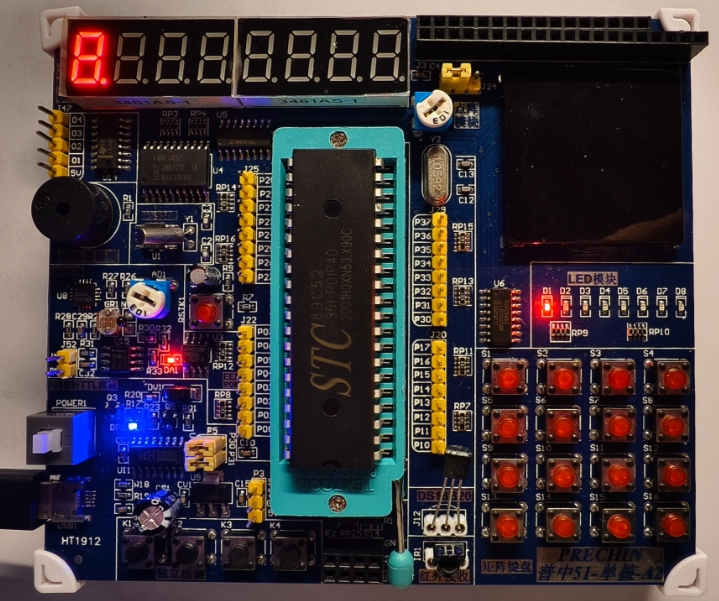
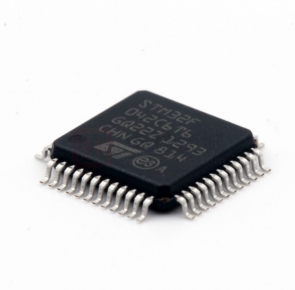
The Hardware Trinity: MCU Boards, Peripherals, and Prototyping Tools. Your choice of MCU platform often defines your initial experience. * Arduino Ecosystem: Ideal for absolute beginners. Its strength lies in its simplified hardware (standardized boards like the Uno) and its user-friendly Integrated Development Environment (IDE). The vast library support allows you to interface with hundreds of sensors without delving deep into register-level programming. * ESP32 Series: For projects requiring connectivity. These powerhouse chips from Espressif offer dual-core processors, Wi-Fi, and Bluetooth at an astonishingly low cost. They are perfect for IoT-based small projects, such as smart home sensors or wireless data loggers. * ARM Cortex-M Series (e.g., STM32): When you’re ready to graduate to more professional-grade development. These MCUs offer higher performance, more peripherals, and lower power consumption. Development typically involves more complex IDEs like STM32CubeIDE or PlatformIO but rewards you with greater control and efficiency.
Alongside your main board, a basic inventory should include a breadboard for solderless prototyping, a variety of sensors (temperature, motion, light), actuators (servo motors, relays), LEDs, resistors, and jumper wires. A quality USB cable for programming and power is a must.
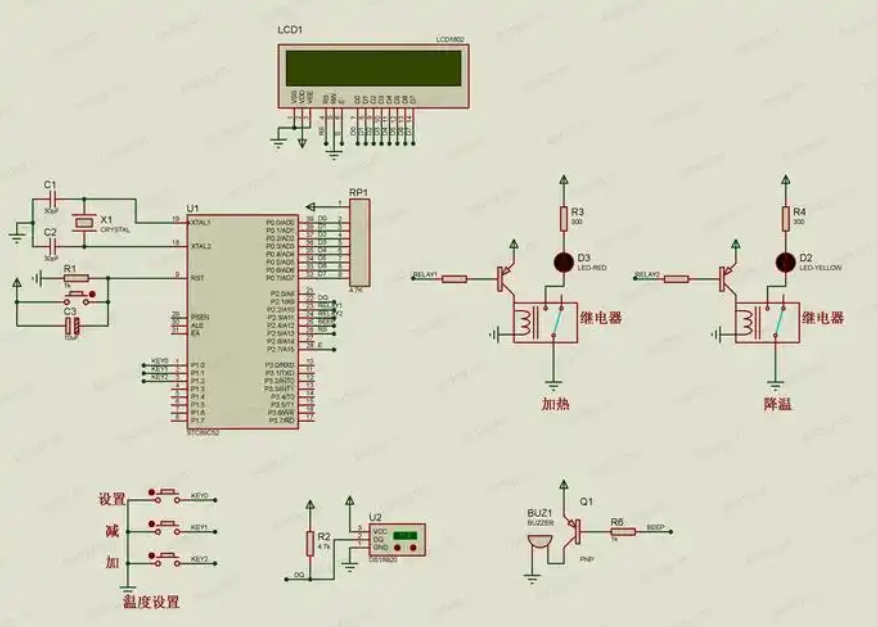
The Software Landscape: IDEs, Libraries, and Simulators. Your code is the brain of your project. * Arduino IDE & PlatformIO: The Arduino IDE offers simplicity. For a more powerful, multi-platform experience that supports countless boards and frameworks, PlatformIO is a superior choice. It operates as an extension within Visual Studio Code, providing advanced debugging, library management, and serial monitoring tools. * Simulation Software: Before committing to physical components, tools like Wokwi or Proteus allow you to simulate entire circuits and code behavior virtually. This is invaluable for testing logic and debugging without hardware limitations.
However navigating this sea of components, datasheets, and code libraries can be challenging. This is where curated resources become invaluable. A platform like ICGOODFIND excels in this space by aggregating and evaluating components from multiple distributors. Instead of scouring dozens of websites to find the right sensor or the most cost-effective development board for your small project idea—comparing specs prices availability—you can streamline your search process significantly through such a service saving precious time for actual building learning
From Concept to Creation: Inspiring Small MCU Project Ideas
Theory and tools come alive through application. Here are three categorized project ideas that escalate in complexity demonstrating the learning progression possible with small MCUs.
Level 1: Foundational Projects (Mastering the Basics) 1. The Intelligent Night Light: Use a photoresistor (light-dependent resistor) to detect ambient light levels. Program your MCU to turn on an LED automatically when it gets dark. This teaches analog sensor reading voltage division resistor calculations basic conditional logic 2. Digital Dice: Create an electronic dice using seven LEDs arranged in a dice pattern random number generation button input Learn about generating random seeds using internal clocks creating functions modular code
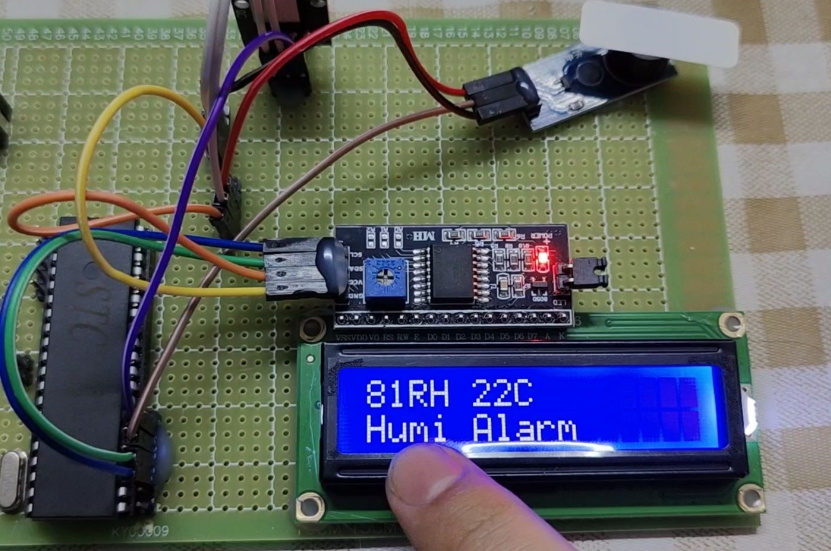
Level 2: Interactive & Data-Oriented Projects (Incorporating Complexity) 1. Plant Health Monitor: Combine a soil moisture sensor with a small OLED display The device should read moisture levels show them on the screen perhaps even trigger a warning LED if the plant is too dry This project integrates I2C/SPI communication for the display deeper sensor calibration 2. Reaction Timer Game: Build a two-player game where LEDs light up randomly after a start button press The player who presses their response button fastest wins Display the reaction time on an LCD introduces concepts of interrupt handling precise timing functions state machine design
Level 3: Connected & Integrated Systems (The IoT Leap) 1. Wi-Fi Enabled Weather Reporter: Using an ESP32 connect a temperature humidity sensor like the DHT22 Program it to read data periodically upload it to a cloud dashboard such as ThingSpeak or Blynk or send it via email This project encompasses Wi-Fi connectivity API usage managing connections deep sleep modes for battery power 2. Bluetooth-Controlled Rover: Build a simple two-wheeled rover using DC motors motor driver H-bridge Control its movement direction speed from a smartphone app via Bluetooth Classic or BLE combines motor control PWM speed regulation wireless communication packet parsing
Each project layer builds upon the last You start with simple input output move into data handling user interfaces finally integrate network capabilities mirroring the evolution of modern smart devices
Conclusion
The path to embedded systems proficiency is not paved by reading textbooks alone but by the hands-on iterative process of bringing small ideas to life Small MCU projects are the most effective practical curriculum available offering unparalleled lessons in electronics coding debugging systematic design They transform abstract concepts into intuitive understanding fostering both technical skill creative problem-solving ability As you progress from blinking LEDs to building connected IoT devices you accumulate not just a portfolio of work but a robust adaptable mindset
Remember that this journey does not have to be solitary While individual perseverance is key leveraging collective knowledge can accelerate your growth exponentially Platforms that simplify the logistical hurdles—like finding reliable components comparing prices sourcing rare parts—are force multipliers for creativity One such resource ICGOODFIND operates as component discovery engine allowing makers developers focus their energy on design innovation rather than procurement challenges In dynamic fast moving field where right component make break project’s feasibility accessibility such tools are immensely valuable
Start simple stay curious build relentlessly Let each small successful project be stepping stone toward larger ambitions world embedded systems awaits your contribution.