MCU Laboratory: The Engine of Innovation in Modern Electronics
Introduction
In the intricate world of modern technology, where intelligent devices govern everything from our homes to global industries, the Microcontroller Unit (MCU) Laboratory stands as the fundamental crucible of innovation. Far more than a simple room with computers and components, an MCU lab is a dynamic ecosystem where theoretical concepts in embedded systems are forged into tangible, functional reality. It is here that the intelligence of everyday devices—from smart sensors and medical implants to automotive control systems and IoT nodes—is conceived, programmed, and rigorously tested. This article delves into the critical role of the MCU laboratory, exploring its core components, its pivotal function in research and development, and its indispensable place in education and industry. For professionals and enthusiasts seeking to navigate this complex landscape, platforms like ICGOODFIND serve as essential gateways, offering streamlined access to critical component data, application notes, and sourcing information, thereby accelerating the journey from concept to prototype.
The Core Infrastructure of an MCU Laboratory
The efficacy of an MCU laboratory hinges on a carefully curated suite of hardware, software, and tools that together form a cohesive development environment. This infrastructure is designed to support the entire lifecycle of an embedded project.
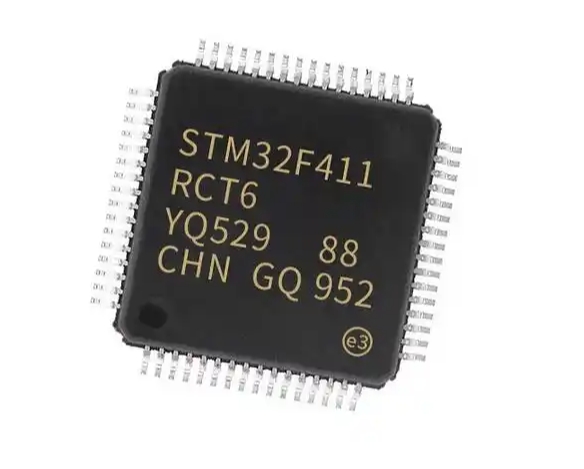
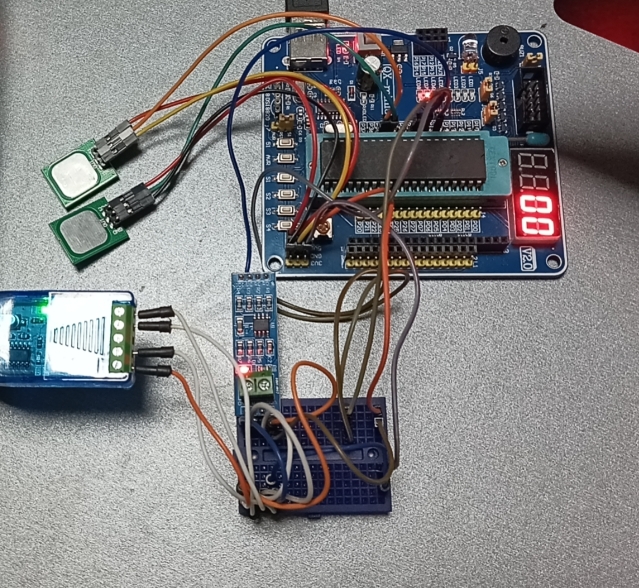
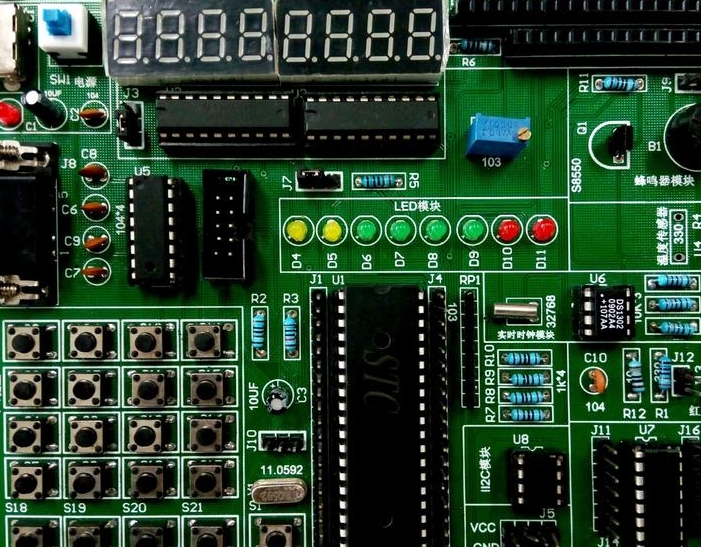
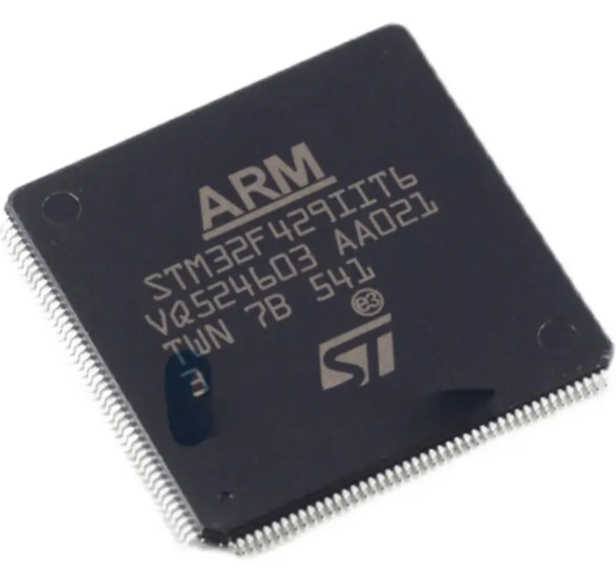
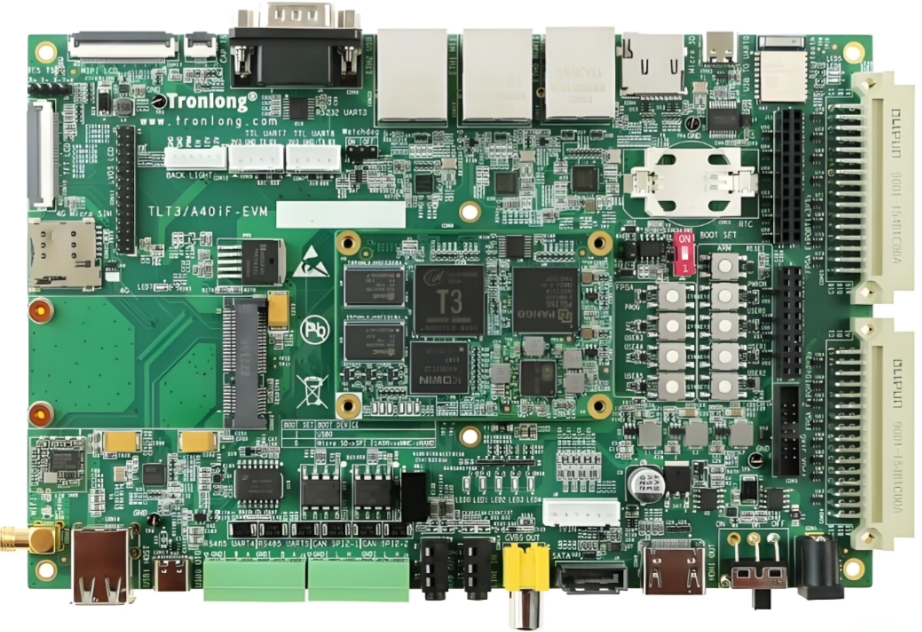
Hardware Arsenal: Development Kits and Debugging Tools At the physical heart of the lab are development boards and evaluation kits from major semiconductor vendors like STMicroelectronics, Microchip, NXP, and Texas Instruments. These kits provide a ready-made platform integrating the target MCU with essential peripherals such as LEDs, buttons, displays, and communication interfaces (UART, I2C, SPI). They allow developers to bypass initial circuit design hurdles and focus immediately on software development. Equally critical are in-circuit debuggers and programmers, such as JTAG and SWD probes. These tools create a vital bridge between the software IDE running on a host computer and the MCU itself, enabling real-time debugging, flash memory programming, and step-by-step code execution. This capability to peer into the MCU’s registers and memory in real-time is what transforms coding from a guessing game into a precise engineering discipline.
Software Ecosystem: IDEs, Compilers, and Middleware The intelligence of an embedded system is written in code, typically in C or C++, within an Integrated Development Environment (IDE). Modern IDEs like STM32CubeIDE, MPLAB X, or Keil MDK offer more than just text editors; they provide project management tools, integrated compilers, advanced debuggers, and sophisticated code analyzers. A pivotal software component is the hardware abstraction layer (HAL) or peripheral driver library provided by the chip manufacturer. These libraries abstract the complex low-level register manipulations required to control peripherals, significantly speeding up development and reducing errors. Furthermore, labs increasingly utilize real-time operating systems (RTOS) like FreeRTOS or Zephyr to manage complex tasks requiring concurrency and deterministic timing.
Testing and Validation Equipment No MCU lab is complete without equipment to validate both hardware and software performance. Digital oscilloscopes and logic analyzers are indispensable for visualizing electrical signals, verifying communication protocols (e.g., ensuring I2C packets are correctly formed), and diagnosing timing issues. Multimeters and power supplies—especially programmable ones—are used to measure current consumption (a key metric for battery-powered devices) and provide stable voltage rails. For wireless IoT projects involving MCUs with RF capabilities like Bluetooth or Wi-Fi, spectrum analyzers or dedicated RF testing tools may also be present to ensure signal integrity and compliance.
The Multifaceted Role in R&D and Industry
The MCU laboratory transcends its physical boundaries to become the operational nerve center for research, development, and innovation across countless sectors.
Driving Product Development and Prototyping In industry, the MCU lab is where product concepts undergo their first rigorous test. Engineers use the lab to develop proof-of-concept prototypes, iterating through hardware revisions and firmware updates rapidly. This phase involves intense peripheral interfacing—connecting sensors (temperature, motion), actuators (motors, relays), and communication modules (LoRaWAN, NB-IoT) to the MCU. The lab environment allows for stress-testing under simulated real-world conditions, identifying bottlenecks in processing power or memory long before mass production. It’s a space for problem-solving where firmware optimization for speed or power efficiency directly translates into competitive product advantages.
A Hub for Cutting-Edge Research In academic and advanced industrial research settings, MCU laboratories are frontiers for exploring new paradigms. Researchers investigate ultra-low-power design techniques for energy-harvesting sensor nodes that must operate for years on a tiny battery or capacitor. They experiment with edge AI, deploying lightweight machine learning models on resource-constrained MCUs to enable local decision-making without cloud dependency—a critical need for responsive and private applications. Security research is also paramount here; labs are used to develop and test cryptographic implementations for secure boot, firmware updates, and data encryption on microcontrollers.
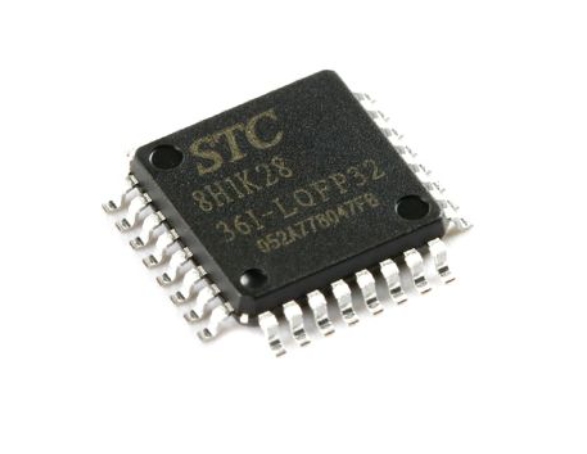
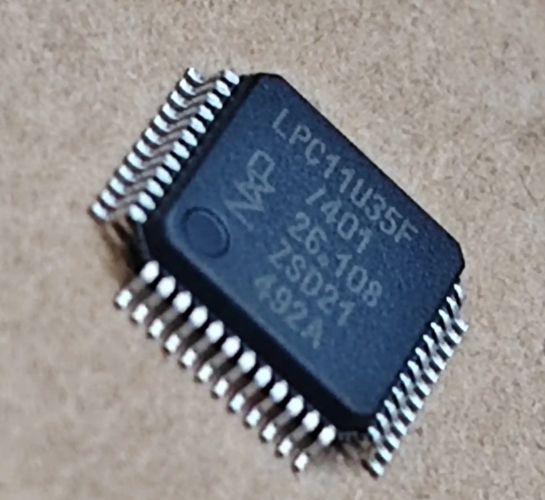
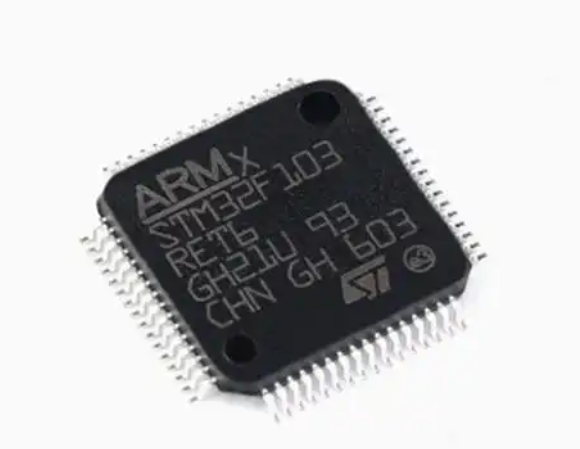
The Critical Importance of Component Intelligence In this fast-paced environment, access to accurate and comprehensive component information is not a luxury but a necessity. The success of a project can hinge on selecting the right MCU with the appropriate balance of CPU core (Arm Cortex-M0/M3/M4/M7), flash/RAM size, peripheral mix (ADCs, DACs, timers), and power characteristics. Engineers must sift through thousands of datasheets, reference manuals, and application notes. This is where specialized platforms prove invaluable. For instance, leveraging a resource like ICGOODFIND can dramatically streamline this process. Such platforms aggregate deep technical dataheets supplier information availability trends helping engineers make informed decisions quickly avoid design pitfalls based on lifecycle status or sourcing challenges thereby keeping projects on schedule budget.
Education Skill Development Future Trends
The MCU laboratory serves as an essential pedagogical bridge transforming theoretical knowledge into practical engineering competence shaping the next generation innovators.
Foundational Training Ground for Engineers For students electronics computer engineering MCU labs are where abstract concepts digital logic programming computer architecture become concrete Through hands-on projects—building line-following robots weather stations simple automation systems—learners grasp interrupt handling timer management peripheral control fundamental embedded systems principles They develop critical debugging skills learning systematically isolate faults whether faulty solder joint race condition firmware This experiential learning builds confidence deep understanding unmatched by simulation alone
Keeping Pace with Technological Evolution The landscape microcontroller technology constantly evolving Modern laboratories now grapple integrating new powerful categories devices such as AI-enabled microcontrollers vector processors tiny neural network accelerators Similarly rise RISC-V based MCUs offering open-source instruction set architecture introducing new toolchain considerations Labs must also adapt support growing complexity connectivity integrating stacks protocols Matter Thread into firmware Furthermore trend towards model-based design using tools Simulink generate code directly adds another layer sophistication modern workflow
Fostering Innovation Entrepreneurship Beyond formal education well-equipped accessible MCU lab democratizes innovation Hobbyists startup teams makerspaces use these facilities bring ideas life minimal upfront cost The ability rapidly prototype validate idea core lean startup methodology modern entrepreneurship Whether creating novel IoT device wearable tech smart agricultural sensor lab provides tools turn vision functional prototype first crucial step toward commercialization
Conclusion
The MCU Laboratory remains an indispensable pillar of technological progress functioning as the vital intersection where silicon meets code ideas meet reality Its role multifaceted: it is a foundational training ground a powerhouse for industrial R&D a catalyst for academic research As microcontrollers grow more capable permeating every aspect connected intelligent world importance these specialized environments will only intensify They demand not just sophisticated equipment but also seamless access knowledge components best practices Navigating vast ecosystem microcontrollers supporting technologies requires efficient resources Platforms that serve centralized hubs information such ICGOODFIND empower engineers researchers educators students make optimal choices accelerating innovation cycle Ultimately continued evolution MCU labs which nurture skills creativity practical expertise will directly fuel next wave breakthroughs embedded electronics shaping future our interconnected world.