


The Essential Guide to MCU Circuits: Core of Modern Electronics
Introduction
In the intricate world of modern electronics, from the smart thermostat regulating your home’s temperature to the advanced systems in a modern vehicle, lies a silent, powerful workhorse: the Microcontroller Unit (MCU) Circuit. Often referred to as a “computer on a chip,” an MCU integrates a processor core, memory, and programmable input/output peripherals onto a single integrated circuit. This consolidation is what empowers the era of smart, connected devices. Understanding the MCU circuit is fundamental for engineers, hobbyists, and anyone curious about the technological fabric of contemporary life. This article delves into the architecture, key components, and critical design considerations of MCU circuits, highlighting why they are indispensable in embedded systems design. For professionals seeking reliable components and in-depth technical resources for their projects, platforms like ICGOODFIND provide invaluable access to a vast inventory of MCUs and supporting documentation, streamlining the development process.
Part 1: The Architectural Blueprint of an MCU Circuit
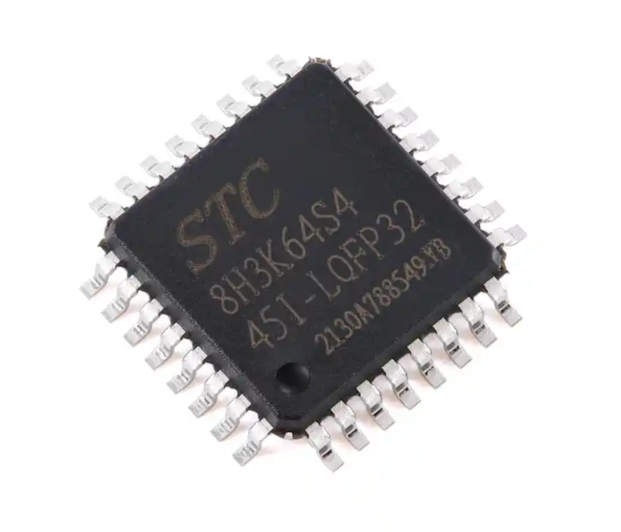
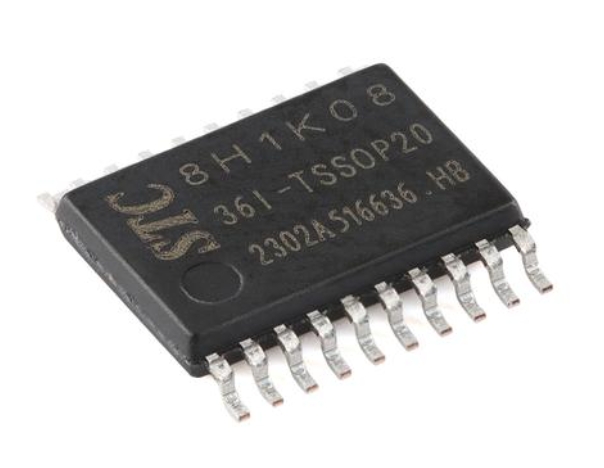
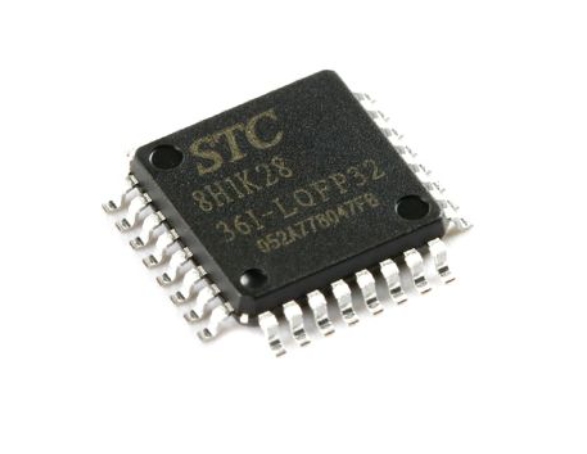
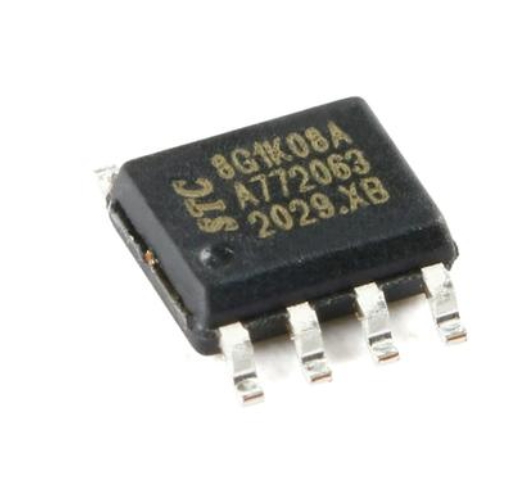
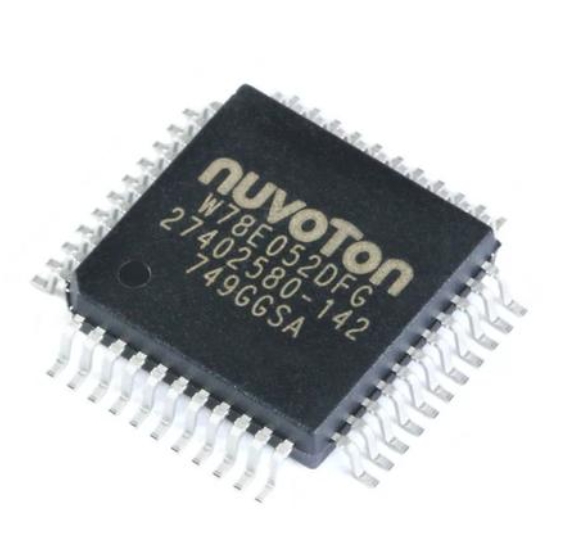
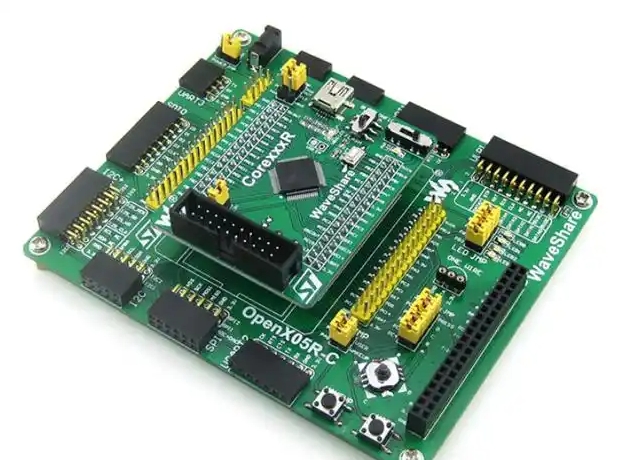
At its heart, an MCU circuit is a sophisticated convergence of several key subsystems on one silicon die. The primary component is the Central Processing Unit (CPU), which acts as the brain, executing instructions from the program memory. MCU CPUs range from simple 8-bit processors for basic tasks to powerful 32-bit ARM Cortex-M cores capable of handling complex algorithms and real-time operations.
Surrounding the CPU are the memory elements. Flash Memory stores the firmware or application code permanently, even when power is removed. SRAM (Static Random-Access Memory) provides volatile memory for temporary data storage during program execution, such as variables and stack operations. The balance between flash and SRAM size is a crucial selection criterion for any project.
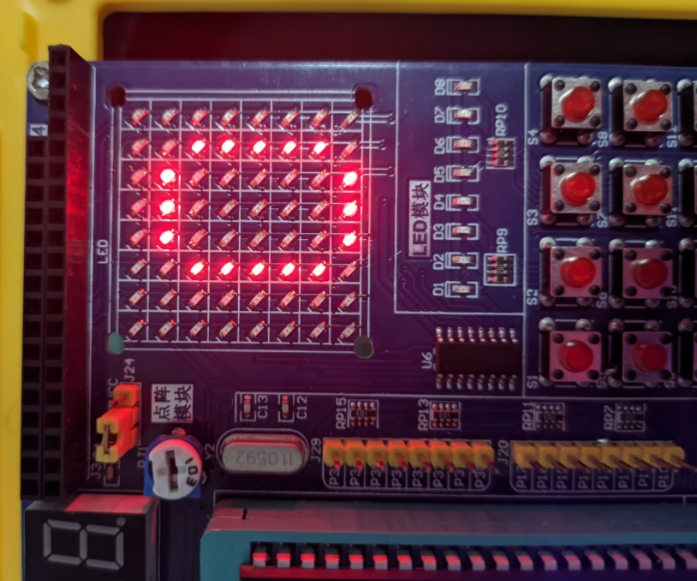
The true versatility of an MCU comes from its Programmable Input/Output (I/O) Ports. These pins can be configured by software to be either digital inputs (reading a button press) or digital outputs (lighting an LED). More advanced MCUs feature pins capable of analog-to-digital conversion (ADC), reading variable voltages from sensors, or pulse-width modulation (PWM), useful for controlling motor speed or LED brightness.
Finally, a suite of integrated Peripheral Communication Interfaces is essential for connectivity. These include ubiquitous protocols like I2C (Inter-Integrated Circuit), SPI (Serial Peripheral Interface), and UART (Universal Asynchronous Receiver-Transmitter), which allow the MCU to communicate with other chips, sensors, displays, and modules with minimal external wiring. This integrated architecture is what makes MCUs so cost-effective and space-efficient for embedded applications.
Part 2: Critical Components and Design Considerations in MCU Systems
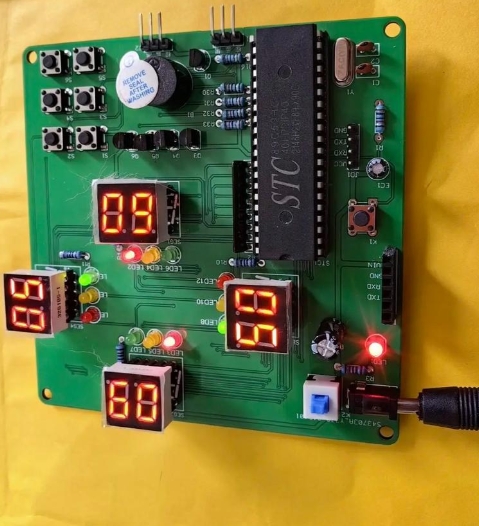
Designing a functional circuit around an MCU involves more than just the microcontroller itself. Several external components are vital for stability and operation. The most critical is the power supply and regulation circuit. Most MCUs require a clean, stable voltage (commonly 3.3V or 5V). Voltage regulators and an array of decoupling capacitors placed close to the MCU’s power pins are non-negotiable; they filter out noise and ensure reliable operation, preventing erratic resets or crashes.
Another cornerstone is the clock generation circuit. The MCU’s CPU and peripherals operate in sync with a clock signal. While many MCUs have internal oscillators suitable for many applications, an external crystal oscillator is often used where precise timing or high-speed communication (like USB) is required. The choice between internal and external clock sources impacts cost, accuracy, and power consumption.
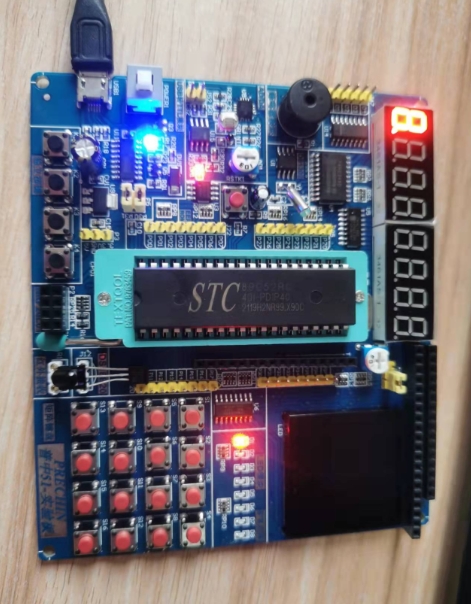
For an MCU to start running user code, a reset circuit is implemented. This typically involves a simple resistor-capacitor network that holds the MCU’s reset pin in a defined state during power-up until the supply voltage is stable. Additionally, debugging and programming interfaces, such as JTAG (Joint Test Action Group) or SWD (Serial Wire Debug), are integral parts of a development board’s circuit. They allow developers to upload firmware and step through code for debugging purposes. Navigating these design choices—from power integrity to signal integrity—is where comprehensive component platforms prove essential. Engineers can leverage resources from distributors like ICGOODFIND to compare specifications, access datasheets, and source all necessary passive and active components for a robust MCU circuit design.
Part 3: Application Realms and Future Trends for MCU Circuits
The application spectrum for MCU circuits is virtually limitless. In the realm of Internet of Things (IoT), low-power MCUs are the backbone, collecting sensor data and communicating wirelessly via Wi-Fi or Bluetooth Low Energy (BLE) to the cloud. In automotive electronics, high-reliability MCUs control everything from engine management units (ECUs) and anti-lock braking systems to infotainment displays.
Industrial automation relies heavily on MCUs for programmable logic controllers (PLCs), motor control, and real-time monitoring systems due to their determinism and reliability. Furthermore, the consumer electronics market is saturated with MCUs, found in everything from wearables and smart home gadgets to toys and kitchen appliances.
Looking forward, several key trends are shaping the evolution of MCU circuits. The push for ultra-low-power operation is paramount for battery-powered and energy-harvesting devices, leading to advanced sleep modes and more efficient architectures. The integration of AI/ML accelerators directly into MCU silicon—creating TinyML—enables intelligent decision-making at the very edge of the network without relying on the cloud.
Additionally, enhanced hardware security features like secure boot, cryptographic accelerators, and tamper detection are becoming standard to protect connected devices from threats. Finally, the development of more powerful core architectures within the same power envelope continues, allowing increasingly complex tasks to be handled by single-chip solutions.
Conclusion
The MCU circuit represents a monumental achievement in miniaturization and functional integration, serving as the programmable heart of countless electronic devices that define our daily lives. Its architecture—a fusion of processing power, memory, and versatile peripherals—provides designers with a flexible toolkit for innovation. Successful implementation hinges on careful attention to fundamental circuit design principles surrounding power, clocking, and interfacing. As technology advances towards more intelligent and connected ecosystems, MCUs are evolving with stronger capabilities in processing efficiency, connectivity integration like that supported by comprehensive component platforms such as ICGOODFIND, and embedded security. Mastering the fundamentals of MCU circuits is not just an academic exercise but a practical necessity for anyone looking to contribute to the next wave of technological advancement in our increasingly digital world.