



The Versatile World of MCUs: Powering Modern Innovation
Introduction
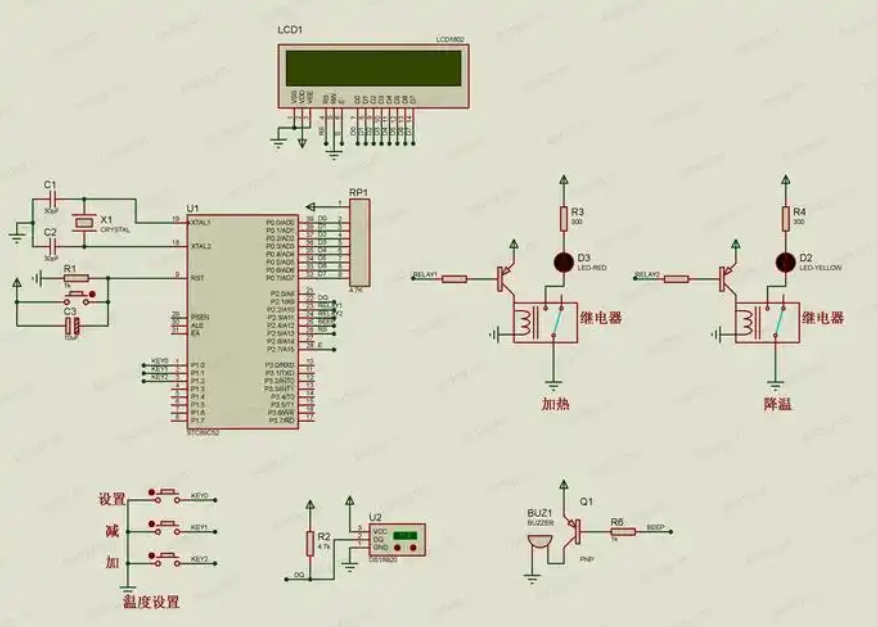
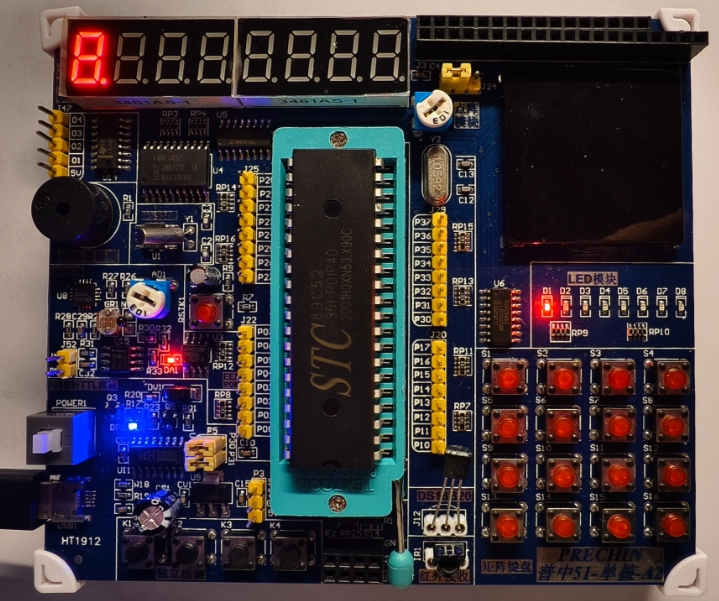
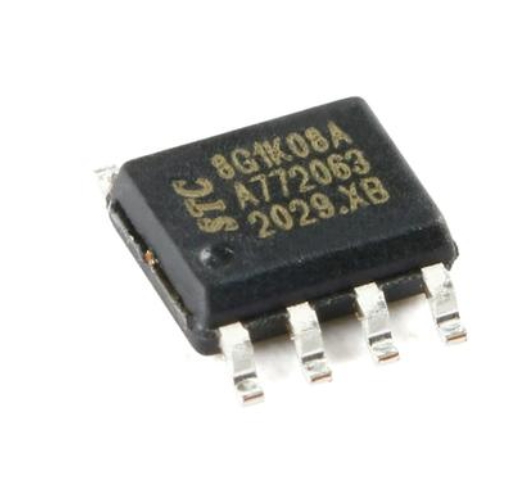
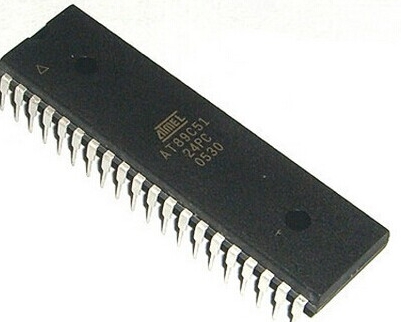
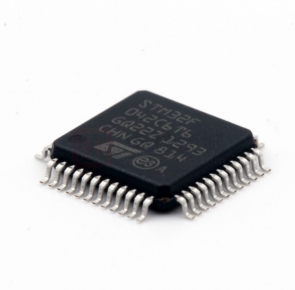
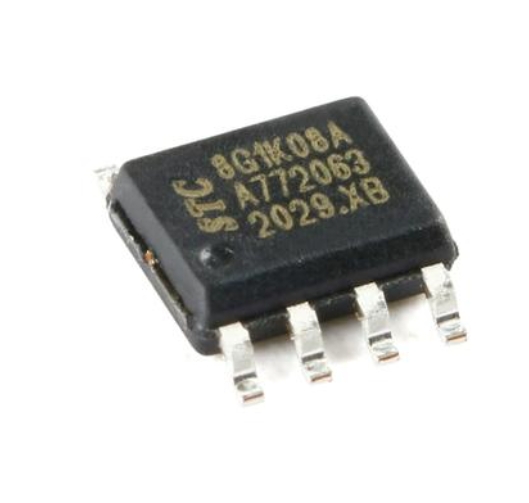
In the intricate tapestry of modern technology, a tiny, unassuming component acts as the silent orchestrator of countless devices that define our daily lives: the Microcontroller Unit, or MCU. Far more specialized than their general-purpose microprocessor cousins, MCUs are compact, self-contained computing systems on a single integrated circuit. They combine a processor core, memory (both program and data), and programmable input/output peripherals, all designed to execute specific control-oriented tasks. From the moment you brush your teeth with an electric toothbrush to your commute in a modern automobile, and throughout your interaction with smart home devices, MCUs are tirelessly at work. This article delves into the profound and diverse uses of MCU technology, exploring how these silicon workhorses drive innovation across industries and underpin the functionality of the connected world. For engineers and procurement specialists seeking reliable sources for these critical components, platforms like ICGOODFIND streamline the process of identifying and sourcing the perfect MCU for any application.
Main Body
Part 1: Ubiquity in Consumer Electronics and Smart Homes
The most visible and widespread application of MCUs is in the realm of consumer electronics, where they provide intelligent control, user interface management, and energy efficiency.
- Everyday Appliances: Modern household appliances are marvels of efficiency, largely thanks to MCUs. In a washing machine, an MCU controls motor speed, water inlet valves, detergent dispensers, and heating elements based on the selected cycle, all while displaying remaining time and diagnosing errors. Similarly, microwave ovens use MCUs to manage power levels, timers, and turntable motors with precision. Air conditioners and refrigerators employ them for temperature regulation and compressor control, significantly optimizing power consumption.
- Personal Gadgets: From digital watches and fitness trackers to wireless earbuds and game controllers, MCUs are the brain behind their core functions. They process sensor data (like heart rate or steps), manage Bluetooth connectivity, control LED displays, and handle button inputs. Their low-power capabilities are crucial here, enabling devices to run for weeks or months on a single charge or small battery.
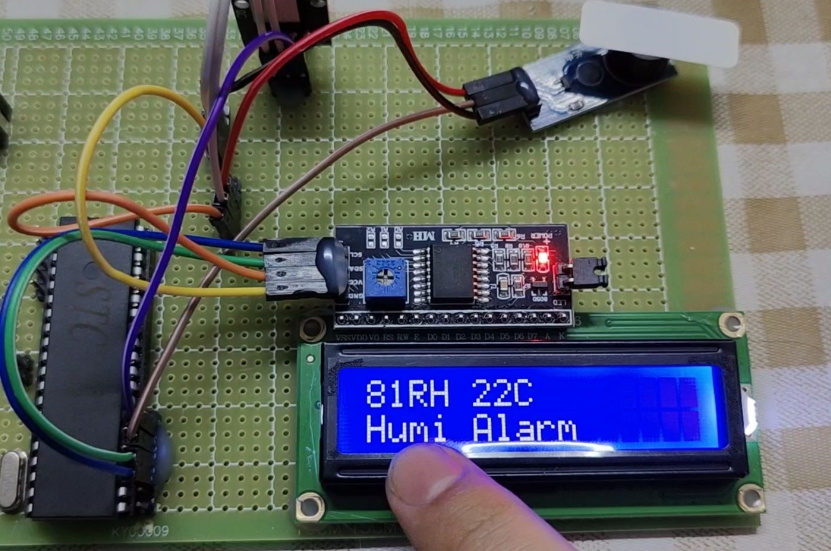
- The Smart Home Ecosystem: This is where MCUs truly shine as enablers of connectivity. In smart lighting systems, an MCU interprets commands from a smartphone or voice assistant via Wi-Fi or Zigbee modules and adjusts LED color and brightness accordingly. Smart thermostats use MCUs to process data from temperature/humidity sensors and learn user patterns to automate climate control. Security systems, including smart locks, cameras, and motion sensors, rely heavily on robust MCU performance for real-time data processing, local decision-making (like triggering an alarm), and secure communication. The ability to operate reliably 24⁄7 with minimal power makes MCUs indispensable for the Internet of Things (IoT) nodes that populate our homes.
Part 2: Industrial Automation, Automotive Systems, and Medical Devices
Beyond consumer spaces, MCUs form the critical backbone of more demanding sectors where reliability, real-time performance, and safety are non-negotiable.
- Industrial Automation: Modern factories are landscapes of automated systems where MCUs serve as localized control points. They are embedded in Programmable Logic Controllers (PLCs), robotic arms, conveyor belt systems, and precision sensors. An MCU in an industrial robot might control servo motors for precise movement, monitor torque feedback for safety, and communicate with a central supervisory system. In predictive maintenance applications, MCUs collect vibration, temperature, and acoustic data from machinery, enabling early detection of potential failures—a concept central to Industry 4.0.
- Automotive Revolution: The average modern vehicle contains dozens of MCUs, managing everything from basic functions to advanced driver-assistance systems (ADAS). They control engine management units (fuel injection, ignition timing), anti-lock braking systems (ABS), airbag deployment, power windows, infotainment displays, and climate control. As vehicles evolve toward electrification and autonomy, the role of MCUs expands into managing battery systems in EVs (BMS), processing data from radar/LiDAR/camera sensors for ADAS features like automatic emergency braking (AEB) and adaptive cruise control. Their robustness to operate in harsh temperature and electromagnetic environments is vital.
- Medical Technology: In healthcare, MCUs contribute to both diagnostic and therapeutic devices with an emphasis on accuracy and safety. Portable blood glucose monitors, digital thermometers, and pulse oximeters use low-power MCUs to process sensor signals and display results. More complex devices like infusion pumps rely on them to deliver precise fluid volumes at controlled rates. Wearable health monitors and implantable devices (like pacemakers) depend on ultra-low-power MCUs for continuous monitoring and intervention, often incorporating specialized security features to protect sensitive patient data.
Part 3: The Engine of Innovation: IoT Edge Devices & Emerging Frontiers
The explosion of the Internet of Things has catapulted MCUs into a new role as the intelligence at the “edge” of the network.
- IoT Edge Intelligence: While connectivity is key in IoT, sending all raw sensor data to the cloud is inefficient in terms of bandwidth and latency. Modern advanced MCUs now perform edge computing, where they pre-process data locally—filtering noise, running basic algorithms (like detecting an anomaly in vibration patterns), or making immediate decisions (like turning off a valve). This reduces cloud dependency saves energy on communication modules.
- Wireless Connectivity Integration: A significant trend is the rise of System-on-Chip (SoC) solutions that integrate powerful microcontroller cores with wireless radios like Wi-Fi 4/6/6E Bluetooth Low Energy (BLE), LoRaWAN or NB-IoT onto a single chip. This integration simplifies design reduces board space lowers overall system cost for connected products—from asset trackers to smart agriculture sensors.
- Machine Learning at the Edge: Perhaps one of the most exciting frontiers is TinyML—the deployment of machine learning models on resource-constrained microcontrollers. Specialized AI/ML accelerator cores are now being integrated into high-end MCUs enabling tasks like voice recognition for keyword spotting on smart home devices visual anomaly detection on factory lines or predictive maintenance analytics all performed locally without an internet connection ensuring privacy responsiveness.
Conclusion
From simplifying daily chores to driving industrial productivity safeguarding health enabling smarter cities Microcontroller Units have proven to be one of the most transformative technologies of our digital age Their evolution from simple 8-bit controllers to sophisticated 32-bit powerhouses with integrated connectivity AI capabilities underscores their adaptability central role in technological progress As we move towards an increasingly automated interconnected future demand for smarter more efficient secure versatile MCUs will only intensify For developers innovators navigating this complex component landscape leveraging comprehensive platforms becomes essential A resource like ICGOODFIND provides invaluable access to detailed specifications supplier networks market intelligence helping turn visionary ideas into tangible next-generation products powered by the humble yet mighty MCU