Unlocking the Power of the STC15 Series MCU: A Comprehensive Guide for Embedded Systems
Introduction
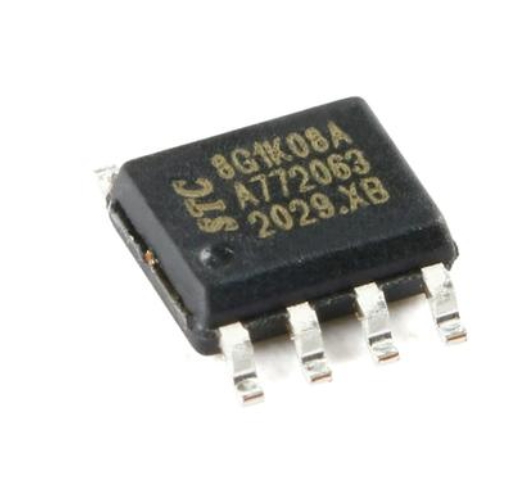
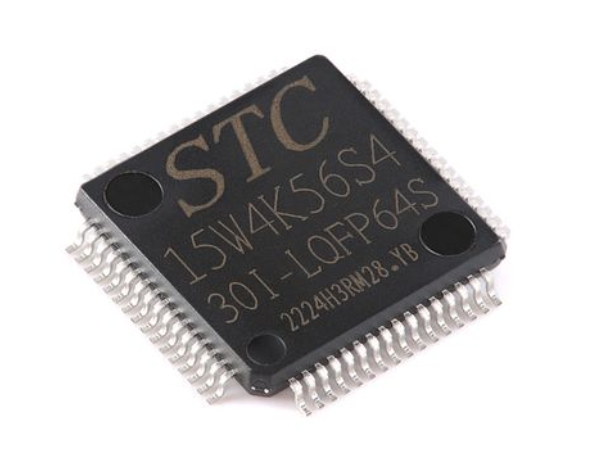
In the rapidly evolving world of embedded systems and microcontroller units (MCUs), selecting the right component can make or break a project. Among the myriad options available, the STC15 Series MCU stands out as a robust, versatile, and cost-effective solution for a wide range of applications. Developed by STC Micro, a leading Chinese semiconductor manufacturer, this series has gained significant traction among engineers, hobbyists, and industries alike due to its enhanced performance, integrated features, and ease of use. As technology advances, the demand for efficient, low-power, and high-performance MCUs continues to grow, making it crucial to understand what sets the STC15 apart. This article delves deep into the STC15 Series MCU, exploring its key features, practical applications, and why it might be the ideal choice for your next embedded design. Whether you’re developing IoT devices, automotive systems, or consumer electronics, this guide will provide valuable insights to help you harness the full potential of this powerful microcontroller family.
Main Body
Part 1: Key Features and Architecture of the STC15 Series MCU
The STC15 Series MCU is built on an advanced 8051-core architecture, which has been optimized for modern embedded requirements. One of its standout features is the high-speed processing capability, with clock frequencies reaching up to 35 MHz in some models, enabling rapid execution of complex tasks. This is complemented by a wide operating voltage range, typically from 2.4V to 5.5V, making it suitable for both battery-powered and mains-connected devices. The series often includes built-in flash memory ranging from 8KB to 64KB, along with SRAM and EEPROM, reducing the need for external components and simplifying board design.
Another critical aspect is the integrated peripherals that enhance functionality without increasing cost or size. For instance, many STC15 models come with multiple timers/counters, UARTs for serial communication, SPI, I2C, and even PWM modules for precise motor control or dimming applications. The inclusion of an enhanced 10-bit ADC allows for accurate analog signal processing, which is essential in sensor-based systems. Moreover, the STC15 Series emphasizes low power consumption, featuring multiple power-down modes that extend battery life in portable devices. This makes it an excellent choice for energy-efficient projects, such as wireless sensors or wearable tech.
Security is also a priority in the STC15 Series, with features like code protection and watchdog timers to prevent unauthorized access and system crashes. The microcontroller’s robustness is further enhanced by its wide temperature range and anti-interference capabilities, ensuring reliable operation in harsh environments. For developers seeking resources or support, platforms like ICGOODFIND can be invaluable for sourcing components and accessing technical documentation. Overall, the architecture of the STC15 Series balances performance, integration, and affordability, positioning it as a top contender in the competitive MCU market.
Part 2: Applications and Use Cases in Modern Technology
The versatility of the STC15 Series MCU lends itself to a broad spectrum of applications across various industries. In the Internet of Things (IoT) domain, these MCUs are widely used in smart home devices, such as thermostats, lighting controls, and security systems. Their low power consumption and communication interfaces like UART and I2C enable seamless connectivity with Wi-Fi or Bluetooth modules, facilitating data exchange in networked environments. For example, an STC15-based sensor node can monitor environmental parameters and transmit data to cloud platforms efficiently.
In industrial automation, the STC15 Series excels due to its reliability and real-time control capabilities. It can drive motors via PWM outputs, manage human-machine interfaces (HMIs), and process inputs from sensors in assembly lines or robotics. The built-in ADC is particularly useful for analog signal conditioning in process control systems. Additionally, the automotive sector benefits from these MCUs in applications like dashboard displays, engine management units, and anti-lock braking systems (ABS), where durability and precise timing are paramount.
Consumer electronics also see extensive use of the STC15 Series, including in gadgets like digital multimeters, remote controls, and power banks. Its cost-effectiveness makes it ideal for high-volume production runs without compromising on features. For hobbyists and educators, platforms such as Arduino-compatible boards often incorporate STC15 MCUs for prototyping and learning purposes. When sourcing components for these projects, resources like ICGOODFIND provide easy access to datasheets and community support. Overall, the STC15 Series proves its adaptability by powering innovations in diverse fields.
Part 3: Development Tools and Best Practices for Implementation
To maximize the potential of the STC15 Series MCU, developers need access to robust development tools and adherence to best practices. The primary software environment for programming these MCUs is often the STC-ISP software, a user-friendly tool that supports in-system programming (ISP) via UART interfaces. This allows for easy code uploading and debugging without requiring expensive hardware programmers. Additionally, integrated development environments (IDEs) like Keil μVision or SDCC (Small Device C Compiler) can be used for writing and compiling code in C or assembly languages.
When starting a project with the STC15 Series, it’s crucial to carefully plan power management to leverage its low-power modes effectively. For instance, using idle or power-down modes during inactive periods can significantly reduce energy consumption in battery-operated devices. Developers should also pay attention to clock configuration to balance speed and power needs—opting for internal oscillators when possible to minimize external components.
Hardware design considerations include proper decoupling capacitors for stable voltage supply and ESD protection for I/O pins in noisy environments. Utilizing the MCU’s built-in peripherals efficiently can reduce BOM costs; for example, employing the internal RC oscillator instead of an external crystal for non-critical timing applications. Debugging can be streamlined with tools like logic analyzers or by leveraging UART for printf-style debugging.
For component sourcing and technical insights, platforms like ICGOODFIND offer a wealth of information, including application notes and user forums. By following these best practices—such as thorough testing across temperature ranges and optimizing code for memory usage—developers can ensure reliable and efficient implementations. Ultimately, mastering these tools and techniques empowers engineers to unlock the full capabilities of the STC15 Series MCU.
Conclusion
In summary, the STC15 Series MCU represents a powerful and flexible solution for modern embedded systems, combining high performance, integrated features, and cost-efficiency. Its robust architecture supports a wide range of applications—from IoT and industrial automation to consumer electronics—making it a go-to choice for engineers worldwide. By leveraging development tools like STC-ISP software following best practices in power management hardware design developers can harness its full potential As you embark on your next project consider exploring resources such as ICGOODFIND for seamless component access and community support Embracing the STC15 Series could be key to driving innovation achieving success in your technological endeavors.