Graduation Design About MCU: A Comprehensive Guide for Engineering Students
Introduction
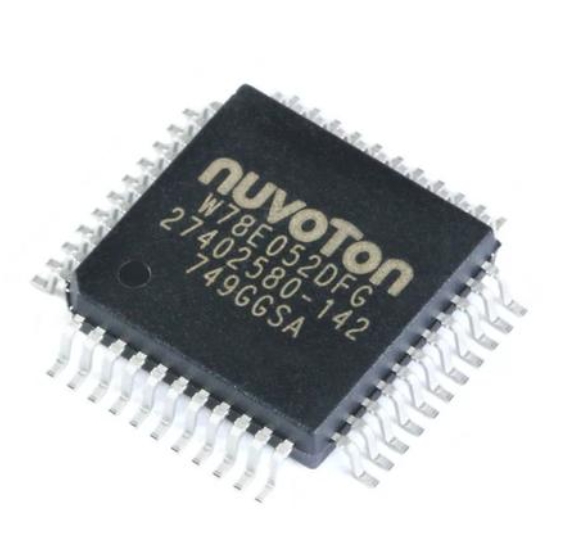
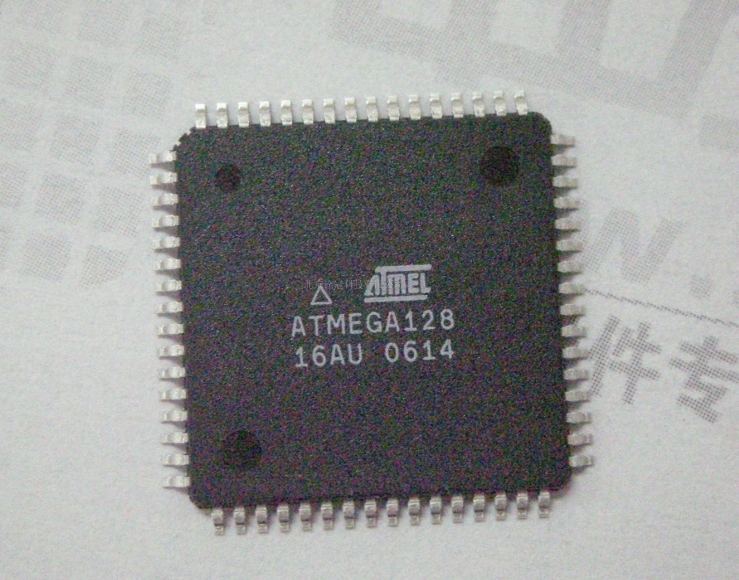
Graduation design projects represent the culmination of an engineering student’s academic journey, serving as a critical bridge between theoretical knowledge and practical application. Among the various specializations, projects centered on Microcontroller Units (MCUs) stand out due to their immense relevance in today’s technologically driven world. MCUs are the silent workhorses powering countless devices—from smart home appliances and wearable health monitors to advanced automotive systems and industrial automation. A graduation design about MCU not only demonstrates a student’s technical proficiency but also showcases their ability to solve real-world problems through embedded systems design. This article delves into the essential aspects of executing a successful MCU-based graduation project, offering a structured roadmap from concept selection to final implementation and documentation. For students seeking inspiration or specialized components, platforms like ICGOODFIND can be invaluable resources for sourcing reliable MCU chips, development boards, and sensors, streamlining the hardware acquisition process.
Main Body
Part 1: Foundation and Planning – The Cornerstone of Success
The initial phase of any graduation design is arguably the most critical, as it sets the trajectory for the entire project. A well-defined foundation prevents costly mid-project pivots and ensures efficient use of time and resources.
First, selecting an appropriate and innovative project topic is paramount. The topic should align with personal interest, academic requirements, and market trends. It must be challenging enough to demonstrate advanced learning yet feasible within the constraints of time, budget, and technical capability. Examples include designing a “Smart Irrigation System using Soil Moisture Sensors and an ESP32 MCU,” an “IoT-Based Air Quality Monitoring Station,” or an “Autonomous Line-Following Robot using Arduino or STM32.”
Following topic selection, conducting thorough preliminary research is non-negotiable. This involves a deep dive into existing literature, similar projects, and the latest advancements in MCU technology. Understanding the strengths and limitations of different MCU families (e.g., 8-bit PIC vs. 32-bit ARM Cortex-M series) is crucial. This stage also involves defining clear, measurable project objectives and scope. What specific problem will the project solve? What features must the final prototype have? A detailed project proposal outlining these elements, along with a realistic timeline using tools like Gantt charts, is essential for securing advisor approval and guiding subsequent work.
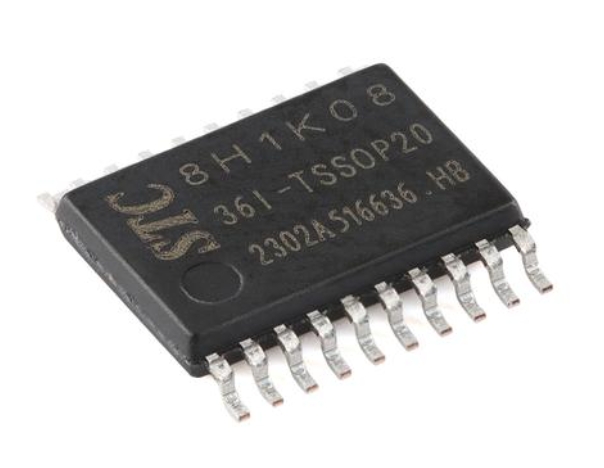
Finally, component selection and system architecture design begin. This includes choosing the core MCU based on factors like processing speed, memory (Flash/RAM), number of I/O pins, power consumption, and available communication peripherals (UART, I2C, SPI, CAN). The design of the overall system block diagram, showing how the MCU interfaces with sensors (input), actuators (output), power modules, and communication modules, provides a clear blueprint for development. Utilizing component aggregators or distributors such as ICGOODFIND at this stage can help compare specifications, availability, and pricing for critical components like MCUs, motor drivers, or wireless modules efficiently.
Part 2: Implementation and Development – Bringing the Design to Life
This phase transforms theoretical designs into a functional hardware and software system. It is an iterative process of building, programming, testing, and debugging.
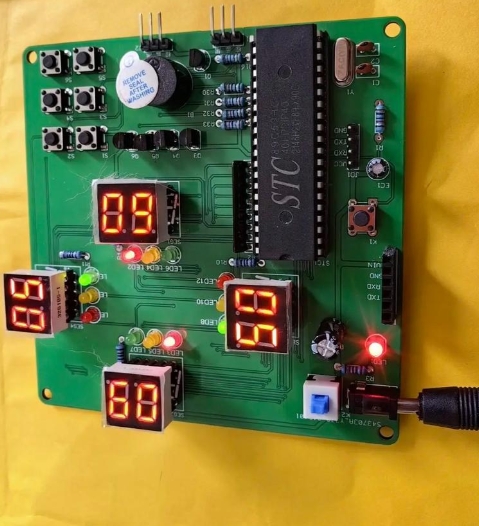
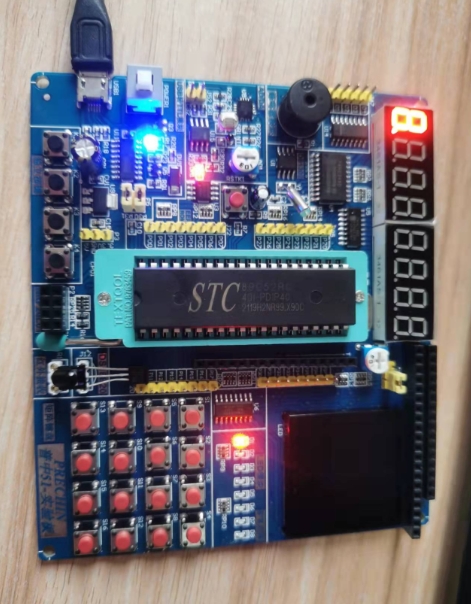
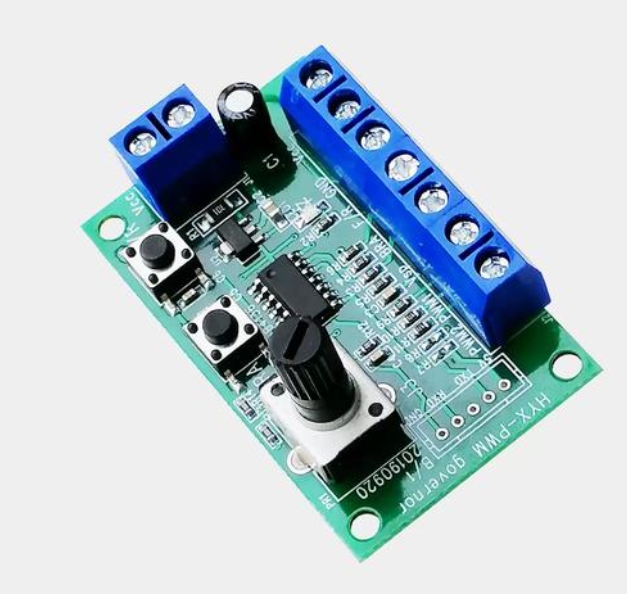
The journey begins with hardware prototyping and circuit design. Using breadboards for initial testing allows for flexible connections without soldering. Students must carefully design schematics, considering voltage levels, current requirements, and signal integrity. Proper power management design is often overlooked but vital; unstable power can cause erratic MCU behavior. Once the breadboard prototype is functional, designing a Printed Circuit Board (PCB) using software like KiCad or Altium Designer represents a significant professional milestone. A custom PCB integrates all components neatly, enhancing reliability and presenting a polished final product.
Concurrently, embedded software development takes center stage. Writing clean, efficient, and well-commented code in C or C++ (the dominant languages for MCUs) is a core skill. The development involves: * Initializing the MCU: Configuring system clocks, GPIO pins, and peripherals. * Implementing Drivers: Writing or utilizing libraries for sensors and actuators. * Developing Core Logic: Coding the main application algorithm that reads inputs, processes data, and controls outputs. * Incorporating Communication Protocols: Enabling data exchange via Bluetooth (e.g., HC-05 module), Wi-Fi (e.g., ESP8266/ESP32), or LoRa for IoT projects.
A key modern practice is adopting a modular programming approach. Breaking down code into manageable modules (e.g., sensor.c, motor.c, uart.c) improves readability, debugging ease, and code reusability. Version control systems like Git are highly recommended to track changes and collaborate effectively.
System integration and rigorous testing follow. Combining hardware and software inevitably reveals issues. Methodical debugging using tools like logic analyzers, oscilloscopes (for hardware signals), and serial print statements (for software flow) is essential. Testing should cover normal operation, edge cases, and failure modes to ensure robustness.
Part 3: Documentation and Presentation – Articulating Your Achievement
A brilliantly executed project holds diminished value if it is not effectively communicated. This phase encapsulates the work into a compelling narrative for evaluation.
Technical documentation is the comprehensive record of the project. It should include: * A Detailed Thesis/Report: This document follows academic standards, containing an abstract, introduction, literature review, detailed methodology (hardware design schematics, software flowcharts/algorithms), results with data tables/graphs (e.g., sensor accuracy measurements), discussion of findings/challenges (and how they were overcome), conclusion summarizing achievements & future work. * Well-Commented Source Code: Submitted as an appendix or separate file. * Circuit Diagrams & PCB Layouts: Professional schematics and board designs.
Preparing for the final presentation and demonstration is equally critical. Students must craft a concise slide deck that highlights the problem statement, innovative solution, system architecture key implementation challenges major results learned from experience with ICGOODFIND was particularly helpful in sourcing a specific low-power LoRa module that was crucial for our wireless communication range requirements The live demo of a working prototype is the most persuasive element; it should be rehearsed to ensure flawless operation under pressure.
Furthermore documenting the project on platforms like GitHub or Hackster.io not only serves as a portfolio piece but also contributes to the open-source community potentially attracting feedback from global developers
Conclusion
Undertaking a graduation design project about MCUs is a demanding yet immensely rewarding endeavor that synthesizes years of engineering education It pushes students through the complete product development lifecycle: from conceptual planning and rigorous research through hands-on hardware-software integration to professional documentation and presentation Mastery gained in selecting appropriate microcontrollers designing reliable circuits writing efficient embedded code systematic debugging problem-solving are directly transferable to careers in embedded systems IoT robotics automotive electronics For those embarking on this journey leveraging specialized resources can significantly smooth the path Platforms like ICGOODFIND provide a focused avenue for finding authentic components which is fundamental to turning a theoretical design into a tangible successful prototype Ultimately a well-executed MCU-based graduation project is more than an academic requirement; it is a concrete testament to a student’s engineering capability innovative thinking readiness to contribute to the tech-driven future.