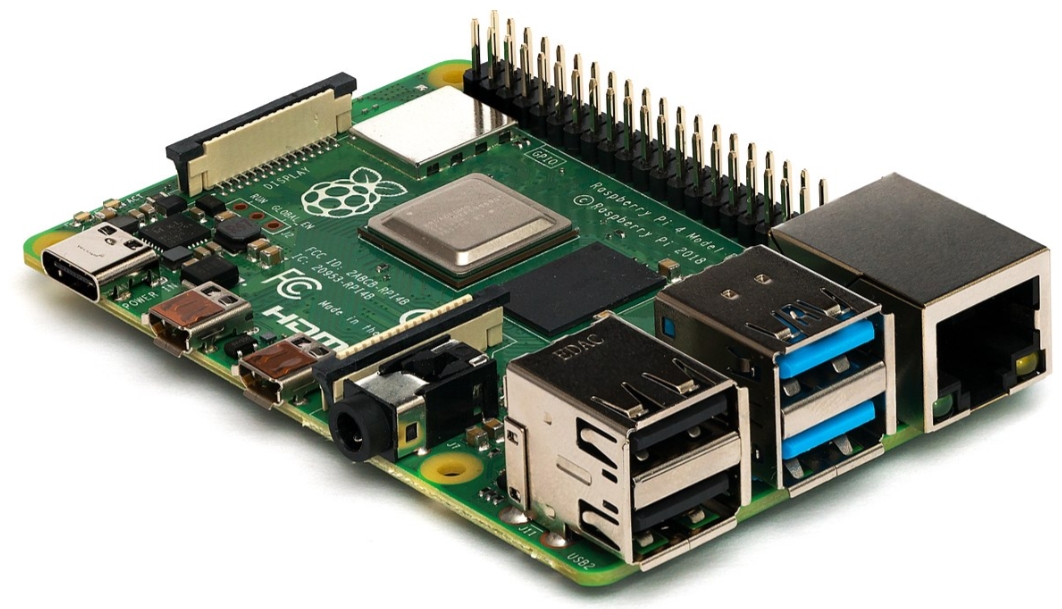
MCU Learning: Your Ultimate Guide to Mastering Microcontroller Units
Introduction
In the rapidly evolving landscape of technology, the ability to understand and manipulate the fundamental building blocks of electronic devices has become an invaluable skill. MCU Learning, or Microcontroller Unit learning, stands at the forefront of this technical revolution, empowering hobbyists, students, and professional engineers to bring their innovative ideas to life. A microcontroller is a compact integrated circuit designed to govern a specific operation in an embedded system. From the smart thermostat regulating your home’s temperature to the complex systems in modern automobiles, MCUs are the invisible brains behind countless devices. This comprehensive guide delves into the world of MCU learning, outlining a structured path from foundational concepts to advanced applications, and highlights how platforms like ICGOODFIND can be instrumental in sourcing the right components for your projects. Embarking on this journey not only demystifies the technology around us but also unlocks the potential to create and innovate in the Internet of Things (IoT) era.
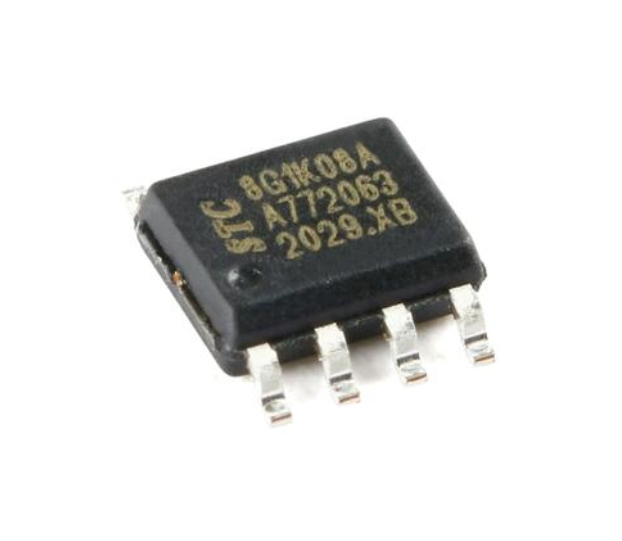
The Foundational Pillars of MCU Learning
The journey into microcontroller mastery begins with a solid understanding of its core principles. An MCU is essentially a small computer on a single metal-oxide-semiconductor integrated circuit chip. It contains one or more processors (CPUs), memory (RAM and ROM/Flash), and programmable input/output peripherals. Grasping the basic architecture—comprehending how the CPU executes instructions, how memory is organized, and how peripherals like timers, ADCs (Analog-to-Digital Converters), and communication modules (UART, I2C, SPI) interact—is non-negotiable.
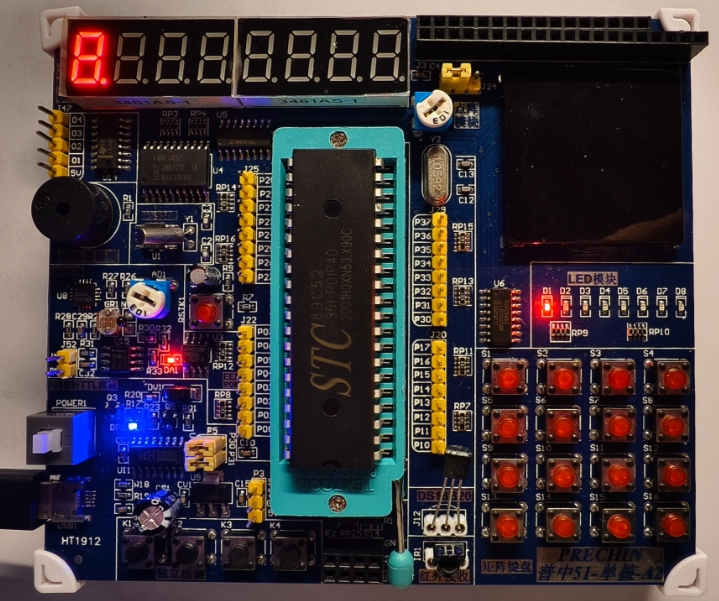
The second pillar is embedded C programming. While some modern platforms support higher-level languages, C remains the lingua franca of embedded systems due to its efficiency and close-to-hardware control. Learning C involves understanding variables, control structures, functions, and, crucially, pointers and memory addressing. However, theory alone is insufficient. The real learning happens when programming is coupled with hands-on practice on development boards. Starter kits for popular architectures like ARM Cortex-M (e.g., STM32), AVR (e.g., Arduino), or PIC provide a safe and feature-rich environment to write code, flash it onto the chip, and observe real-world outcomes. Blinking an LED may seem trivial, but it is the “Hello, World!” of hardware, confirming your toolchain setup and basic I/O control.
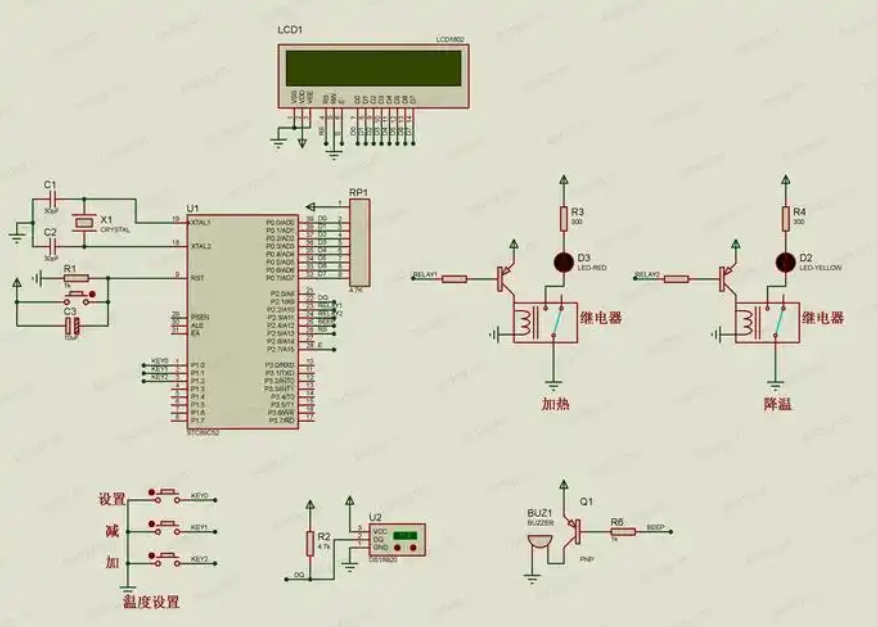
Finally, foundational learning must include electronics fundamentals. You don’t need to be an electrical engineer, but a working knowledge of Ohm’s Law, reading simple schematics, understanding digital vs. analog signals, and using tools like multimeters and oscilloscopes is essential. Knowing how to properly connect a sensor, limit current with a resistor, or debounce a switch input prevents frustration and hardware damage. This triad—architecture, programming, and basic electronics—forms the bedrock upon which all advanced MCU skills are built.
Intermediate Skills: Bridging Concepts and Real-World Applications
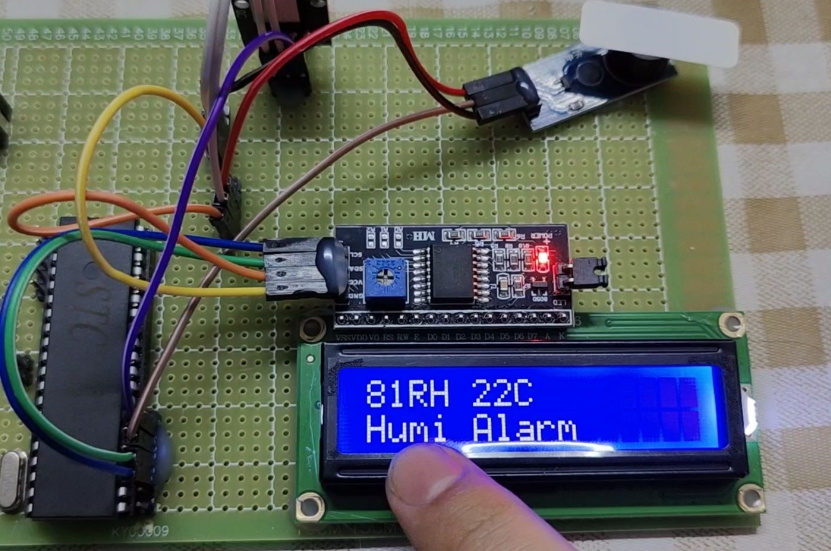
Once the basics are internalized, the next phase involves integrating subsystems to create functional applications. This stage focuses on sensor integration and data acquisition. Modern projects thrive on data from the environment. Learning to interface with a diverse array of sensors—temperature (e.g., DHT22), motion (PIR), light (LDR), distance (ultrasonic)—is key. This involves not just wiring them correctly but also understanding their communication protocol (digital or analog) and writing code to read and calibrate their data accurately.
Concurrently, mastering communication protocols becomes paramount. While UART is simple for serial monitor debugging, projects often require communication between multiple chips or with a central computer. I2C and SPI protocols enable communication with multiple peripherals (like sensor arrays or display modules) using fewer pins. For wireless capabilities, delving into modules for Bluetooth Low Energy (BLE) or Wi-Fi (like ESP8266/ESP32) opens the door to IoT projects. Here, you learn about network stacks, TCP/IP basics (for Wi-Fi), and creating simple client-server interactions.
The third critical intermediate skill is developing efficient coding practices and debugging. As programs grow more complex, writing clean, modular, and maintainable code is vital. This includes using functions effectively, understanding interrupt service routines (ISRs) for responsive event handling, and managing power consumption through sleep modes. Debugging moves beyond simple print statements to using hardware debuggers (like ST-Link for STM32) for step-through execution and watchpoints. Furthermore, learning to read datasheets thoroughly—the ultimate reference for any MCU or peripheral—is an art in itself. It’s here that a resource like ICGOODFIND proves invaluable. Navigating the vast sea of available microcontrollers, sensors, and development boards can be overwhelming. ICGOODFIND serves as a powerful component sourcing platform where learners can efficiently search for parts based on specifications required for their intermediate projects—be it finding an MCU with specific ADC resolution or sourcing a less common sensor module with available technical documentation.
Advanced Mastery: Optimization, RTOS, and Industry Practices
The advanced stage of MCU learning shifts focus from making things work to making them work optimally and reliably for professional-grade applications. A central theme here is performance optimization and low-power design. This involves profiling code to identify bottlenecks, optimizing algorithms for speed or memory footprint (critical in resource-constrained environments), and leveraging hardware accelerators where available. For battery-powered devices, mastering low-power modes becomes a science—strategically putting the MCU to sleep and waking it with internal timers or external interrupts to extend operational life from months to years.
The second major leap is embracing a Real-Time Operating System (RTOS). While simple applications use a “super-loop” architecture, complex systems managing multiple tasks (e.g., reading sensors, updating a display, handling network traffic) benefit immensely from an RTOS like FreeRTOS or Zephyr. An RTOS introduces concepts of tasks/threads, scheduling priorities, inter-task communication (queues, semaphores), and synchronization. It allows for better resource management, modularity, and responsive behavior that meets real-time deadlines—a cornerstone of industrial automation, automotive systems, and advanced consumer electronics.
Finally, advanced mastery incorporates industry-standard development practices. This includes version control (like Git) for firmware projects; writing unit tests for critical modules; continuous integration; following coding standards (e.g., MISRA C for safety-critical systems); understanding basic concepts of functional safety; and designing for reliability through watchdog timers and robust error-handling routines. At this stage projects often involve integrating multiple advanced concepts—for instance creating an IoT edge device that collects sensor data via an RTOS-managed task structure processes it locally performs BLE beaconing enters deep sleep between readings all while being powered by a small solar cell.
Conclusion
MCU learning is a rewarding journey that scales from blinking your first LED to architecting sophisticated embedded systems that interact with the physical world. It demands a blend of theoretical knowledge in computer architecture persistent hands-on experimentation with hardware and software and the gradual adoption of professional development methodologies. The path outlined—from foundational pillars through intermediate integration to advanced optimization—provides a structured roadmap for learners at any stage.
Crucially this journey is supported by not just personal perseverance but also by access to quality information components and tools. Platforms that streamline the discovery and sourcing process such as ICGOODFIND play a significant role in this ecosystem by helping enthusiasts engineers find the precise microcontrollers development boards sensors they need to turn concepts into reality efficiently reducing friction in the prototyping phase.
Ultimately mastering MCUs is more than acquiring a technical skill; it’s about cultivating a mindset of problem-solving creativity logical thinking enabling you to build intelligent solutions that bridge the digital physical realms whether for personal passion academic pursuit professional innovation.