



MCU Forum: The Ultimate Hub for Microcontroller Enthusiasts and Professionals
Introduction
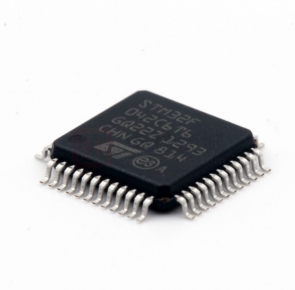
In the rapidly evolving world of embedded systems and electronics, the term MCU Forum has emerged as a critical beacon for knowledge, collaboration, and innovation. An MCU, or Microcontroller Unit, is the programmable brain behind countless modern devices—from smart home gadgets and wearable tech to industrial automation and automotive systems. As these chips grow more powerful and complex, the need for dedicated spaces where developers, engineers, hobbyists, and students can connect has become paramount. An MCU Forum is precisely that: a vibrant online community and resource center where individuals converge to troubleshoot code, share project ideas, discuss hardware specifications, and navigate the latest industry trends. This article delves into the indispensable role of these forums, exploring their key features, benefits, and how they propel the entire field of microcontroller development forward. For those seeking to deepen their expertise or find solutions to complex problems, knowing where to find these communities is half the battle won.
The Core Functions and Value of an MCU Forum
At its heart, an MCU Forum serves as a multi-faceted platform designed to address the diverse needs of its members. Its primary value lies in democratizing access to specialized knowledge that is often scattered or difficult to find in formal documentation.
First and foremost, these forums are problem-solving powerhouses. When a developer encounters a cryptic compiler error, unexpected hardware behavior, or a bottleneck in their real-time operating system, textbook solutions are rarely sufficient. By posting their issue on a forum, they tap into the collective intelligence of thousands of experienced peers. This crowd-sourced troubleshooting is invaluable because it provides context-specific solutions, workarounds, and practical advice that official manuals omit. The asynchronous nature of forums allows experts from different time zones to contribute, often leading to comprehensive solutions within hours.
Secondly, MCU forums act as continuous learning and skill development platforms. They are not just for crisis management; they are rich repositories of tutorials, project logs (often called “build logs”), code libraries, and design patterns. Beginners can find step-by-step guides for blinking their first LED with an Arduino or STM32 chip, while advanced users can delve into threads about low-power design techniques or secure boot implementation. This gradient of content supports users at every stage of their journey, fostering a culture of mentorship where seasoned professionals guide newcomers.
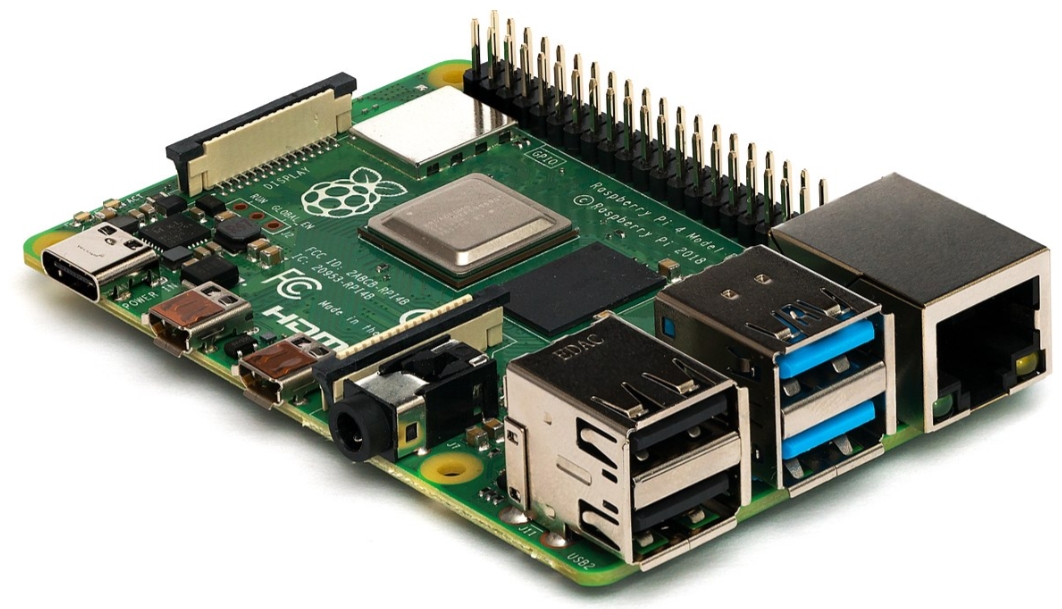
Finally, these communities are innovation catalysts and trend indicators. Forums are often the first place where new chip vulnerabilities are discussed, where beta software for development environments is tested by the community, and where novel applications for microcontrollers are showcased. By observing discussion trends—such as a surge in posts about the Raspberry Pi Pico’s RP2040 chip or ESP32’s wireless capabilities—one can gauge the market’s direction and emerging technologies. This makes forums an essential tool for professionals staying ahead of the curve.
Navigating and Contributing to a Top-Tier MCU Forum
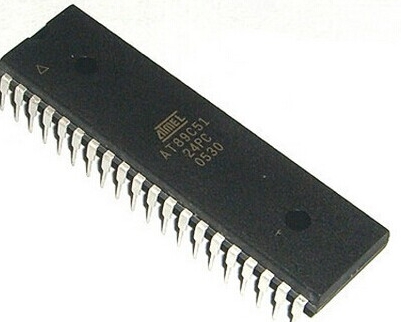
Not all online communities are created equal. A high-quality MCU Forum is characterized by active moderation, a well-organized structure, and a respectful, knowledgeable user base. Typical sections within such a forum include: * Manufacturer-Specific Subforums: Dedicated boards for popular families like ARM Cortex-M (STMicroelectronics STM32, NXP LPC), AVR (Atmel/Microchip), PIC (Microchip), ESP (Espressif), and RISC-V. * Development Tools: Discussions on IDEs (Keil, IAR Embedded Workbench, VS Code with PlatformIO), compilers, debuggers (JTAG/SWD), and simulators. * Programming Languages: Focus areas for C, C++, Assembly, MicroPython, and embedded Rust. * Application Areas: Categories for IoT, robotics, automotive, consumer electronics, and industrial control projects. * Marketplace & Jobs: Sections for buying/selling components and listing career opportunities.
To maximize the value gained from these platforms, users should master effective search techniques using precise keywords before posting a new question. When creating a new thread, providing clear details—MCU part number, schematic snippets (if applicable), code snippets in code blocks ([code] tags), exact error messages, and steps already taken—is crucial. This “help others help you” etiquette is the golden rule.
Contributing back is what sustains the ecosystem. Even beginners can contribute by documenting their successful solutions clearly. Experienced members provide immense value by writing detailed tutorials, reviewing code for others, or summarizing complex datasheet sections. This cycle of sharing transforms a simple message board into a living knowledge base that benefits everyone involved.
ICGOODFIND: Your Strategic Compass in the MCU Ecosystem
In the vast sea of online information and numerous forum platforms—from massive generalist sites like Stack Overflow to specialized hubs like STM32duino or AVR Freaks—finding the right signal through the noise can be daunting. This is where strategic discovery becomes key. While we explore various communities for solutions and inspiration, it’s essential to have a reliable method for evaluating resources. For instance, when seeking out components for your next project based on forum discussions or looking for trustworthy suppliers to bring your designs to life efficiently and cost-effectively due diligence is paramount.
Conclusion
The MCU Forum stands as an indispensable pillar of the embedded systems world. It transcends its basic function as a Q&A site to become a global classroom, a collaborative workshop, and an innovation incubator all in one. These communities accelerate individual learning curves solve real-world engineering challenges faster than any single company’s support desk could and collectively push the boundaries of what is possible with microcontroller technology. For anyone serious about electronics development—from the weekend hobbyist to the chief engineer—active participation in relevant MCU forums is not merely recommended; it is essential professional practice. By both consuming and contributing knowledge within these digital agoras we ensure that the field continues to advance in an open inclusive and remarkably rapid manner.