The Ultimate Guide to MCU Controllers: Powering the Intelligent Future
Introduction
In the intricate tapestry of modern technology, a silent yet omnipresent force orchestrates the functionality of countless devices that define our daily lives. This force is the Microcontroller Unit (MCU) Controller. From the moment your smart thermostat adjusts the room temperature to the instant your car’s anti-lock braking system engages, an MCU controller is at the heart of the operation. Unlike general-purpose microprocessors found in computers, MCU controllers are dedicated, self-contained computing systems on a single chip, designed to execute specific tasks with precision, reliability, and efficiency. As we advance deeper into the era of the Internet of Things (IoT), artificial intelligence at the edge, and smart automation, understanding the role and evolution of the MCU controller becomes paramount. This article delves into its core architecture, expansive applications, and future trends, highlighting why it remains a cornerstone of embedded systems design. For engineers and procurement specialists seeking reliable components, platforms like ICGOODFIND streamline the process of sourcing high-quality MCU controllers by aggregating options from global suppliers, ensuring you find the perfect chip for your application.
Part 1: The Architectural Core of an MCU Controller
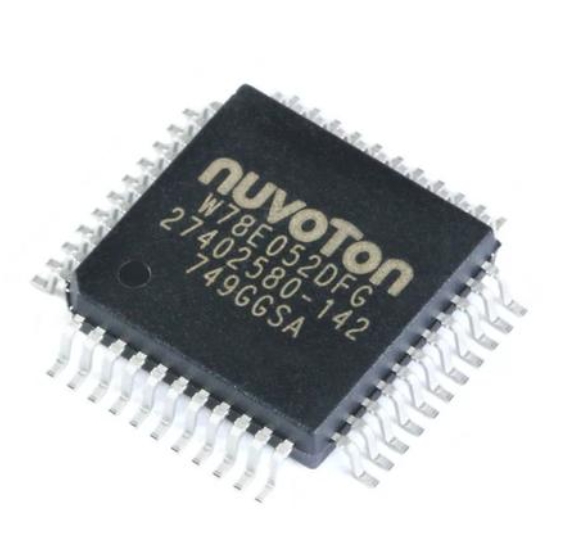
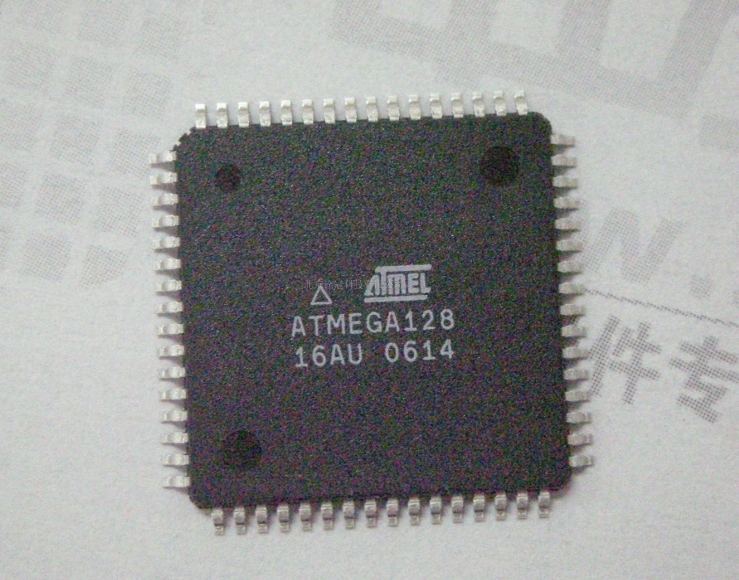
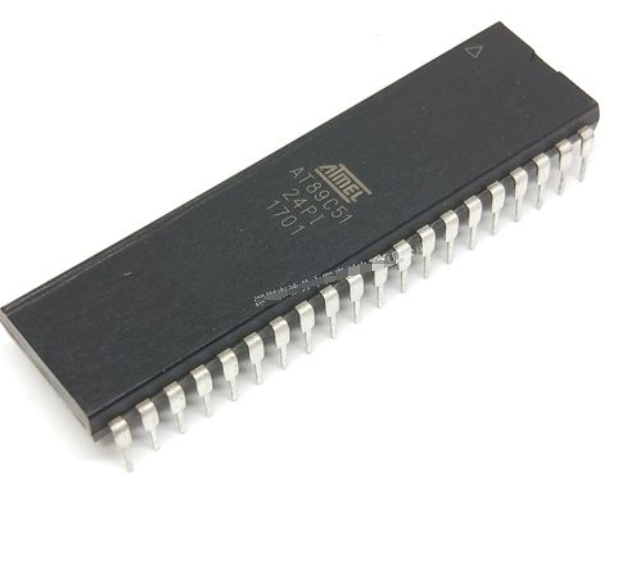
At its simplest, an MCU controller is an integrated circuit that contains all the necessary components of a basic computer. Its architecture is a marvel of miniaturization and functional integration, tailored for dedicated control tasks.
The Central Processing Unit (CPU) serves as the brain of the MCU. Typically based on architectures like ARM Cortex-M, AVR, PIC, or RISC-V, these CPUs are optimized for low-power consumption and deterministic real-time performance rather than raw computing speed. They execute instructions fetched from the onboard memory to control peripherals and process data.
Memory is bifurcated into two essential types: Flash memory for storing the program code and non-volatile data, and SRAM for volatile data storage during operation. The amount of memory varies significantly across MCU families, from a few kilobytes in simple devices to several megabytes in high-performance models. This integrated memory subsystem eliminates the need for external chips in many applications, reducing cost and board space.
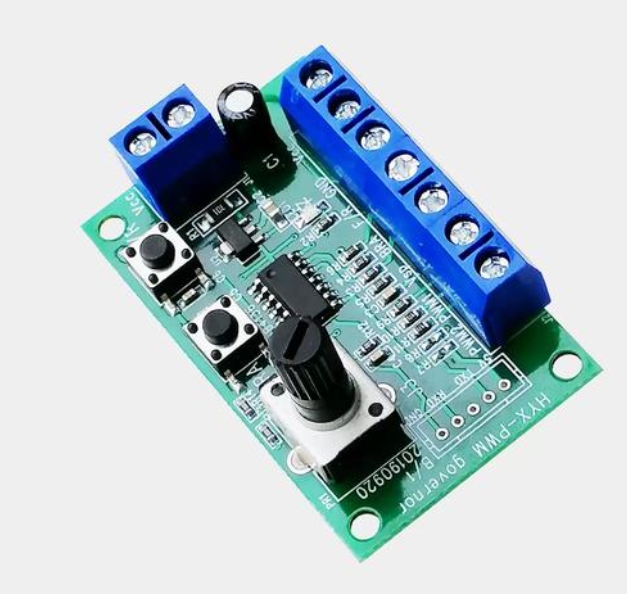
Peripherals are what truly differentiate MCUs and make them “controllers.” These are dedicated hardware blocks integrated onto the same silicon die. Key peripherals include: * General-Purpose Input/Output (GPIO) Pins: The physical interface to the outside world, allowing the MCU to read signals from sensors (input) and control actuators like LEDs or motors (output). * Analog-to-Digital Converters (ADC): Critical for interfacing with the analog world, ADCs convert real-world signals (e.g., temperature, sound, light) into digital values the CPU can process. * Communication Interfaces: Modules like UART (serial), I2C, SPI, CAN, and increasingly, Ethernet and Wi-Fi/Bluetooth controllers enable the MCU to communicate with other chips, sensors, modules, and networks. * Timers and PWM Controllers: These are indispensable for tasks requiring precise timing, generating waveforms, or controlling motor speed through pulse-width modulation.
This all-in-one design philosophy makes the MCU controller exceptionally power-efficient, cost-effective, and reliable, as it minimizes external component count and inter-chip communication delays.
Part 2: Dominant Applications Shaping Industries
The versatility of MCU controllers has led to their proliferation across virtually every sector. Their ability to provide intelligent, localized control is transformative.
In Consumer Electronics and Smart Homes, MCUs are ubiquitous. They manage touch interfaces in smartwatches, regulate power in wireless earbuds for optimal battery life, control washing machine cycles, and serve as the brain for IoT devices like smart plugs and security sensors. The push towards more intuitive and connected user experiences is directly fueled by advancements in low-power wireless MCUs with integrated connectivity stacks.
The Automotive Industry represents one of the most demanding and high-growth areas for MCU controllers. Modern vehicles contain anywhere from 50 to over 100 MCUs. They manage everything from basic body control functions (power windows, lighting) to critical powertrain and safety systems like engine control units (ECUs), airbag deployment, electronic stability control (ESC), and advanced driver-assistance systems (ADAS). The rise of electric vehicles (EVs) and autonomous driving is accelerating demand for high-performance, safety-certified (e.g., ISO 26262 ASIL-D) MCUs with robust security features.
Industrial Automation and Medical Devices rely on MCUs for precision and reliability. In factories, they drive programmable logic controllers (PLCs), robotic arm joints, and monitor sensor arrays on production lines. In healthcare, they are embedded in portable diagnostic equipment, infusion pumps, and wearable health monitors. Here, key differentiators include real-time deterministic performance, extended temperature range tolerance, and enhanced data integrity features.
Part 3: Future Trends and Selection Criteria
The landscape of MCU controllers is not static; it is evolving rapidly to meet new technological challenges.
A major trend is the integration of Artificial Intelligence and Machine Learning at the edge. Modern high-end MCUs now include instructions for vector processing or even dedicated neural processing units (NPUs) to run lightweight AI models directly on the device. This enables features like voice recognition on local devices or predictive maintenance in machinery without relying on cloud connectivity.
Enhanced security has moved from a premium feature to a fundamental requirement. With billions of connected devices, hardware-based security features like secure boot, cryptographic accelerators (for AES, SHA), true random number generators (TRNGs), and hardware-isolated secure storage are becoming standard to protect against physical and remote attacks.
Ultra-low-power (ULP) design continues to be refined. Newer MCUs feature increasingly sophisticated power management units (PMUs), multiple low-power sleep modes that retain RAM state while turning off most of the chip, and energy harvesting support. This enables applications like wireless sensor nodes that can operate for years on a single battery or even ambient energy.
When selecting an MCU controller for a project beyond core specifications like CPU performance and memory size engineers must consider several factors: the power consumption profile across different operational modes, the availability and quality of software development kits (SDKs), drivers, and real-time operating system (RTOS) support, the longevity of the product line and supply chain stability, and the total system cost including required external components. Navigating this complex landscape can be daunting. This is where specialized component sourcing platforms prove invaluable. For instance, using a service like ICGOODFIND allows developers to efficiently compare parts from multiple manufacturers based on technical parameters, availability, and pricing trends sourced from a global network of suppliers.
Conclusion
The MCU controller stands as one of the most impactful inventions in electronics engineering. It has democratized intelligence by embedding it into everyday objects at scale. From its elegantly integrated architecture—combining CPU, memory, and versatile peripherals on a single chip—to its revolutionary applications across consumer tech, automotive systems, industrial automation, and healthcare devices that define modern life. As we look ahead trends like edge AI enhanced hardware security will ensure that these tiny silicon workhorses remain at forefront innovation enabling smarter more connected autonomous future Their evolution will continue be driven by relentless pursuit efficiency performance integration For anyone involved creating next-generation electronic products mastering intricacies selecting right MCU controller is critical skill leveraging comprehensive resources such as those provided by ICGOODFIND can make crucial difference between project success failure.