


Overview of MCU: The Brain Behind Modern Intelligent Devices
Introduction
In the vast and intricate landscape of modern technology, a silent yet omnipresent force powers the devices that define our daily lives. From the moment your smart coffee maker brews your morning cup to the intricate dance of sensors in your car’s anti-lock braking system, a critical component is at work: the Microcontroller Unit (MCU). Often described as a “computer on a single chip,” the MCU is the dedicated, embedded brain of countless electronic systems. Unlike general-purpose processors in PCs that handle a multitude of tasks, MCUs are designed for specific control applications, offering a perfect blend of processing power, memory, and programmable input/output peripherals in a compact, cost-effective, and power-efficient package. This article provides a comprehensive overview of MCUs, exploring their core architecture, diverse applications, and key selection criteria, highlighting why they are indispensable in our increasingly connected and automated world. For engineers and procurement specialists navigating this complex field, platforms like ICGOODFIND offer invaluable resources for comparing specifications, sourcing reliable components, and staying updated on the latest MCU technologies.
Main Body
Part 1: Core Architecture and Components of an MCU
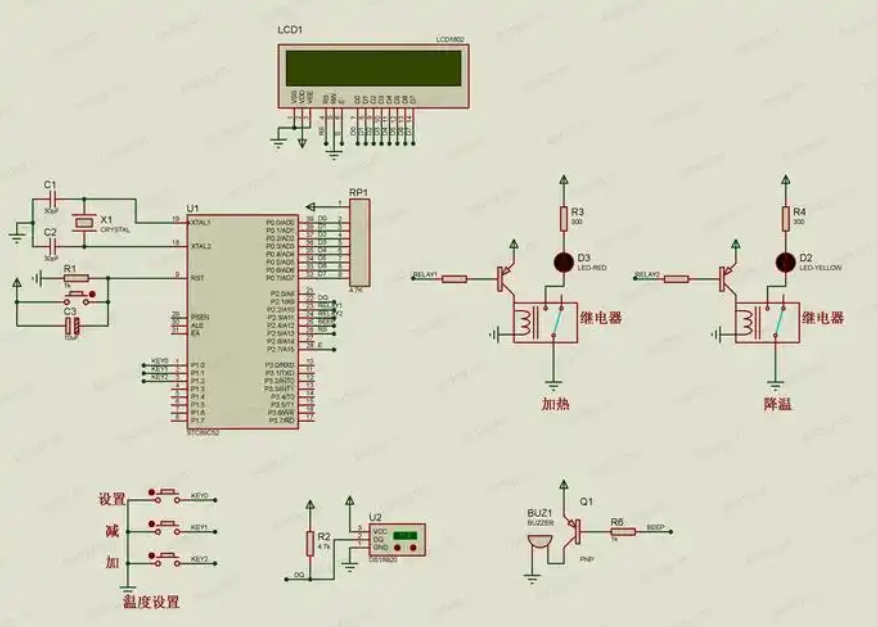
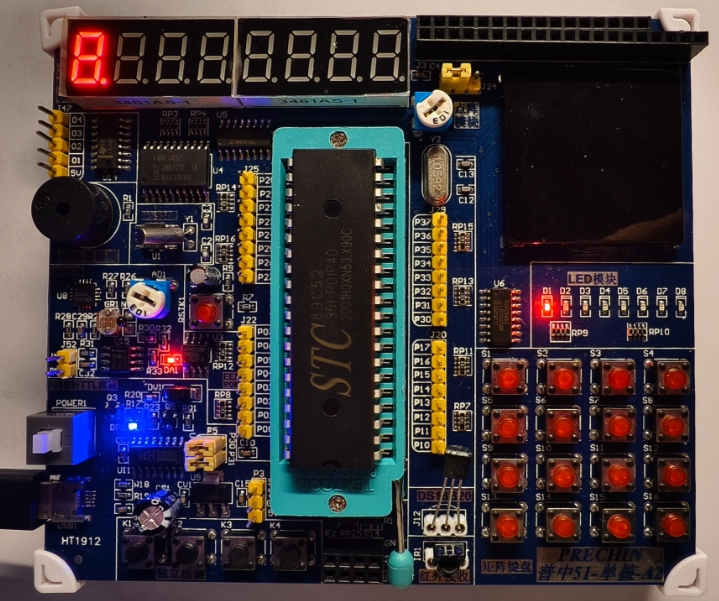
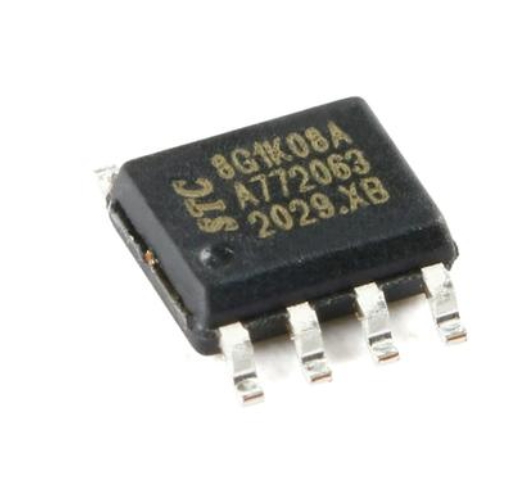
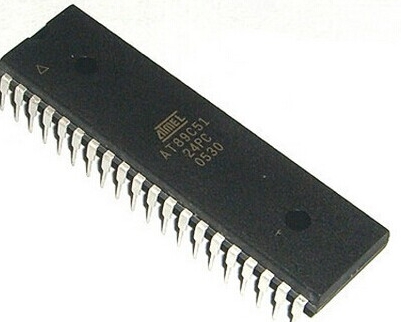
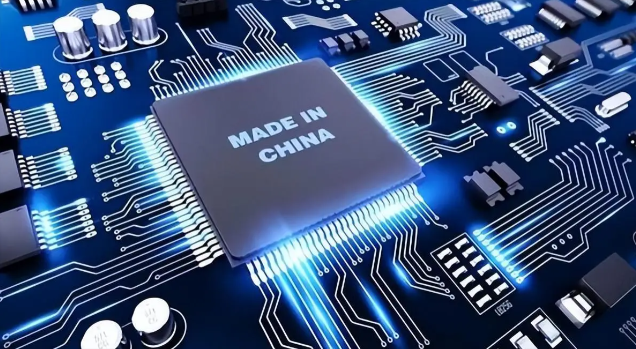
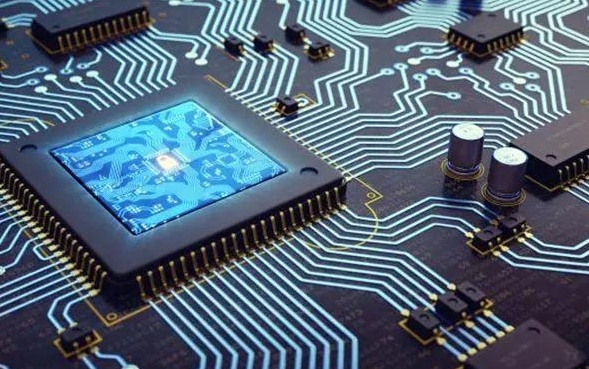
At its heart, an MCU integrates all the fundamental elements of a computer into one integrated circuit. Understanding its architecture is key to grasping its capabilities and limitations.
- Central Processing Unit (CPU): This is the core computational engine. MCU CPUs range from simple 4-bit or 8-bit processors for basic tasks (like remote controls) to powerful 32-bit Arm Cortex-M cores that can run real-time operating systems (RTOS) and handle complex algorithms in IoT devices and automotive systems. The CPU executes instructions from the program memory.
- Memory: MCUs contain two primary types of memory on-chip.
- Flash Memory (Program Memory): This non-volatile memory stores the application program code. It retains data even when power is removed, allowing the MCU to start operating as soon as it’s powered on.
- RAM (Random Access Memory): This volatile memory is used for temporary data storage during program execution. It holds variables, stack data, and system states but loses its contents when power cycles.
- Peripherals: This is what truly differentiates MCUs and tailors them to specific applications. Common integrated peripherals include:
- General-Purpose Input/Output (GPIO) Pins: Configurable pins to read digital signals from sensors (input) or control LEDs, relays, etc. (output).
- Analog-to-Digital Converters (ADC): Crucial for interfacing with the real world, ADCs convert analog signals (like temperature sensor voltage) into digital values the CPU can process.
- Timers/Counters: Used for precise timing operations, generating PWM signals for motor control or LED dimming, and measuring pulse widths.
- Communication Interfaces: Serial ports like UART, I2C, and SPI are essential for the MCU to “talk” to other chips, sensors, displays, or network modules.
- Specialized Controllers: Many modern MCUs include dedicated controllers for USB, CAN (automotive networks), Ethernet, or even wireless protocols like Bluetooth Low Energy (BLE) and Wi-Fi.
The tight integration of these components on a single chip minimizes size, cost, and power consumption while improving reliability—a principle known as System-on-a-Chip (SoC) design.
Part 2: Applications and Market Impact
The application spectrum of MCUs is astonishingly broad, touching nearly every industry sector. Their low cost and high efficiency make them the default solution for embedded control.
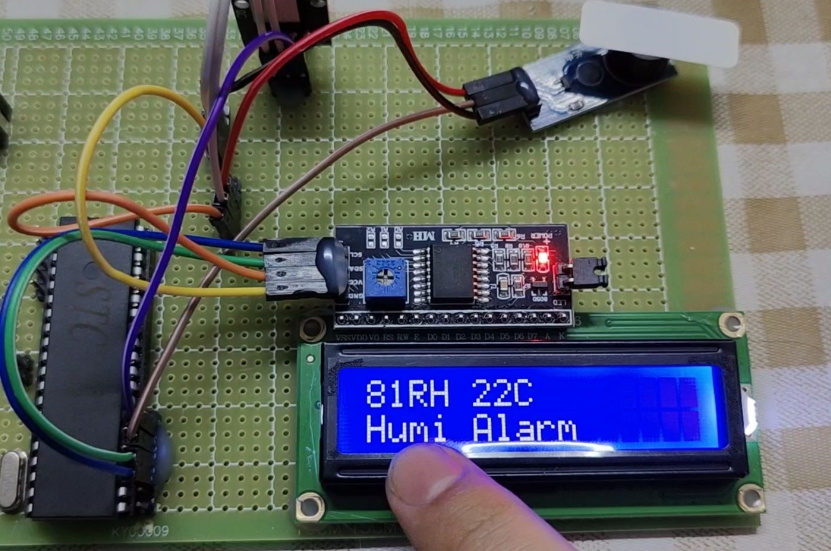
- Consumer Electronics: This is perhaps the most visible domain. MCUs are inside everything from home appliances (microwaves, washing machines), smart home devices (thermostats, security sensors), wearables (fitness trackers), and toys. They manage user interfaces, sensor data, and control loops.
- Automotive: A modern car can contain over 100 MCUs. They govern engine control units (ECUs), airbag systems, infotainment displays, power windows, advanced driver-assistance systems (ADAS), and body control modules. Automotive-grade MCUs must meet stringent reliability and safety standards, such as AEC-Q100 and ISO 26262 for functional safety.
- Industrial Automation: In factories, MCUs drive programmable logic controllers (PLCs), motor controls, robotics, power tools, and monitoring systems for temperature, pressure, and flow. They must often operate in harsh environments with extreme temperatures and noise.
- Internet of Things (IoT): MCUs are the cornerstone of IoT edge nodes. Low-power MCUs with integrated wireless connectivity (often called Wireless MCUs) enable smart sensors, asset trackers, and agricultural monitors to collect data and communicate efficiently for years on a battery. The choice of an MCU here directly impacts the device’s battery life and connectivity range.
- Medical Devices: From portable glucose meters and digital thermometers to more complex infusion pumps and diagnostic equipment, MCUs provide precise measurement, control, and data logging while ensuring patient safety.
The proliferation of MCUs has been a primary enabler of digitization and smart functionality across all these sectors. Finding the right MCU for such specialized applications requires careful analysis of technical parameters and supply chain stability—a process where component discovery platforms prove essential.
Part 3: Key Considerations for Selecting an MCU
Choosing the right MCU is a critical engineering decision that balances performance, cost, power, and ecosystem support.
- Performance Requirements: Assess the needed processing power (8-bit vs. 32-bit), clock speed, and mathematical computation needs (does it need a DSP or floating-point unit?). Complex algorithms or GUI displays demand more powerful cores.
- Memory Footprint: Estimate the size of the application code (Flash memory) and runtime data needs (RAM). It’s prudent to choose a device with 20-30% more memory than initially estimated to accommodate future firmware updates.
- Power Consumption: For battery-powered devices, this is paramount. Consider active current draw during computation and sleep/standby current when idle. Modern MCUs feature multiple low-power modes to drastically extend battery life.
- Peripheral Set Match: The integrated peripherals must align perfectly with the system’s needs. List all required interfaces (ADC channels, communication ports, PWM outputs). Using an MCU with built-in peripherals eliminates the need for external chips, saving board space and cost.
- Development Ecosystem & Cost: A strong ecosystem accelerates development. This includes availability of affordable development kits, a robust software toolkit (compilers, debuggers), middleware libraries, and an active community. The total cost encompasses not just the unit price of the MCU but also development time and cost of external components.
In a market with offerings from dozens of vendors like NXP, STMicroelectronics, Microchip TI , Renesas ,and Espressif , making an informed choice can be daunting. This is where comprehensive search engines come into play. A platform like ICGOODFIND allows developers to efficiently filter and compare thousands of MCU models based on these precise criteria—core architecture peripheral mix power ratings and packaging—streamlining the selection process from datasheet analysis to supplier identification.
Conclusion
The Microcontroller Unit stands as one of the most transformative inventions in electronics enabling the intelligence embedded in the physical world around us Its evolution from simple 4-bit controllers to sophisticated 32-bit systems with integrated connectivity mirrors the journey towards an interconnected intelligent planet As we advance further into the era of IoT edge AI smart factories and autonomous systems the role of the MCU will only grow in importance demanding greater performance energy efficiency and integration The future will see MCUs with enhanced AI accelerators more robust security features (hardware cryptography secure boot) and even tighter integration of sensing elements Understanding the fundamentals architecture application landscapes and selection criteria for MCUs is therefore essential for anyone involved in creating the next generation of electronic products For successful project development leveraging specialized resources to navigate the vast component landscape is not just convenient but a strategic necessity.