


Mainstream MCU: The Engine Powering Modern Embedded Systems
Introduction
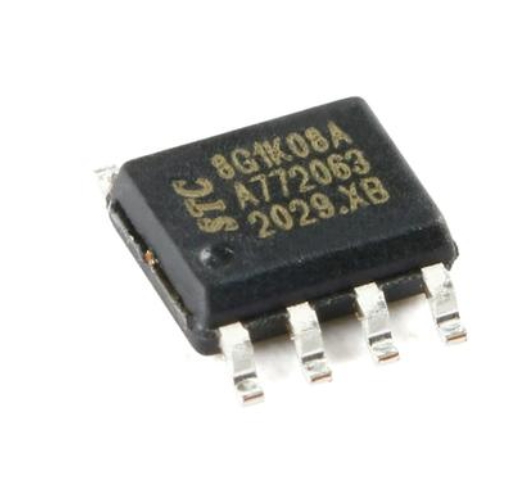
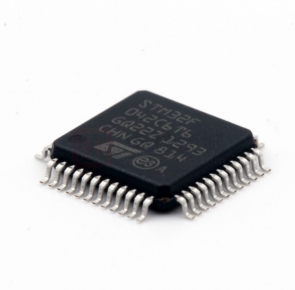
In the vast and interconnected landscape of modern technology, from the smart thermostat in your home to the advanced dashboard in your car, lies a silent, ubiquitous workhorse: the Mainstream Microcontroller Unit (MCU). These compact integrated circuits are the fundamental building blocks of embedded systems, acting as the dedicated brain for countless electronic devices. Unlike their more powerful cousins—microprocessors (MPUs) or systems on a chip (SoCs) in computers and smartphones—mainstream MCUs are designed for specific control-oriented tasks. They prioritize real-time operation, low power consumption, cost-effectiveness, and integration of all necessary components (CPU, memory, and peripherals) on a single chip. This article delves into the core of mainstream MCU technology, exploring its defining architecture, its pivotal role across industries, and the critical trends shaping its future. For engineers and procurement specialists navigating this complex component landscape, platforms like ICGOODFIND provide invaluable resources for comparing specifications, availability, and sourcing these essential chips.

The Architectural Core of Mainstream MCUs
The dominance of mainstream MCUs stems from a carefully balanced architecture optimized for control rather than sheer computational throughput. This architecture is built upon several key pillars.
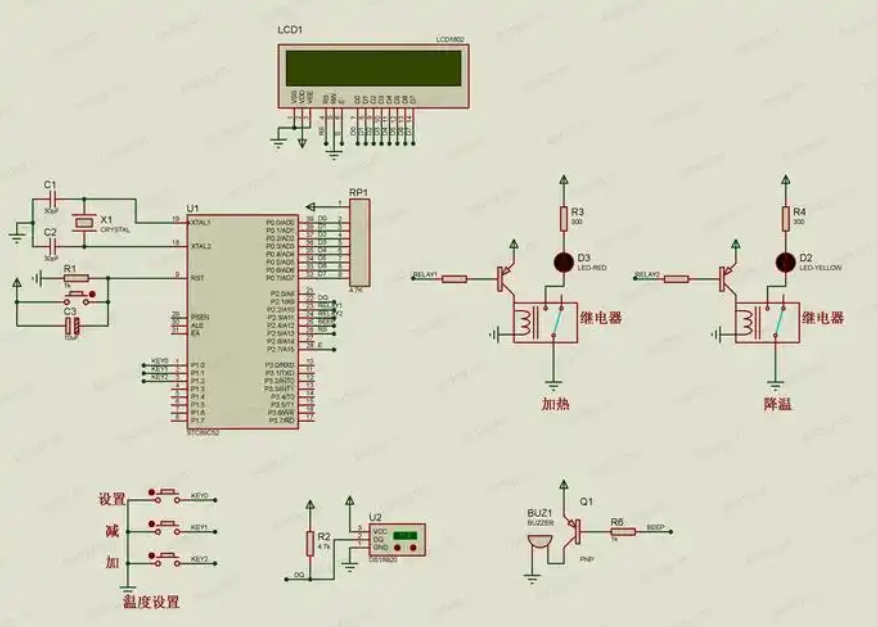
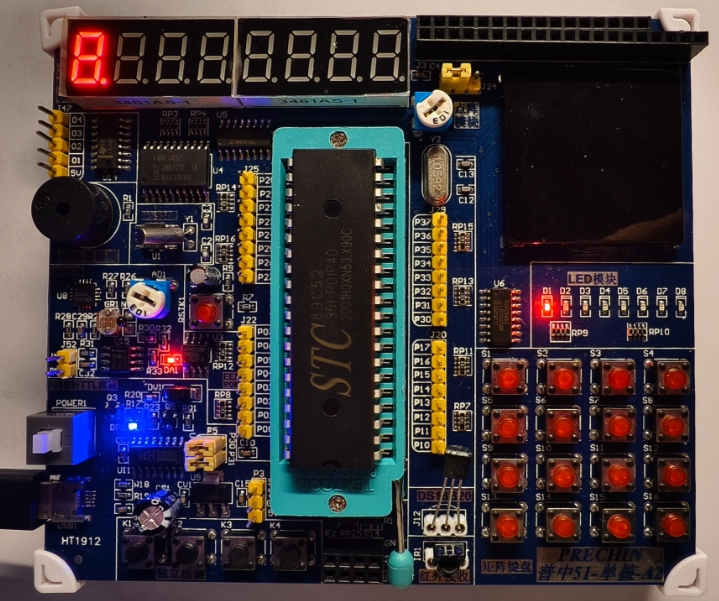
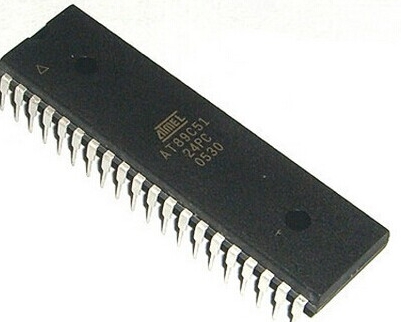
First and foremost is the Central Processing Unit (CPU) Core. While performance varies, the heart of most mainstream MCUs is based on established, efficient architectures. The ARM Cortex-M series, particularly the Cortex-M0, M3, and M4 cores, has become the de facto standard, offering an excellent blend of performance, power efficiency, and a vast ecosystem of software tools. Other architectures like the venerable 8-bit AVR (from Microchip) and 8051 variants, as well as proprietary cores from vendors like Renesas and Texas Instruments, continue to serve specific market niches where legacy code or ultra-low cost is paramount.
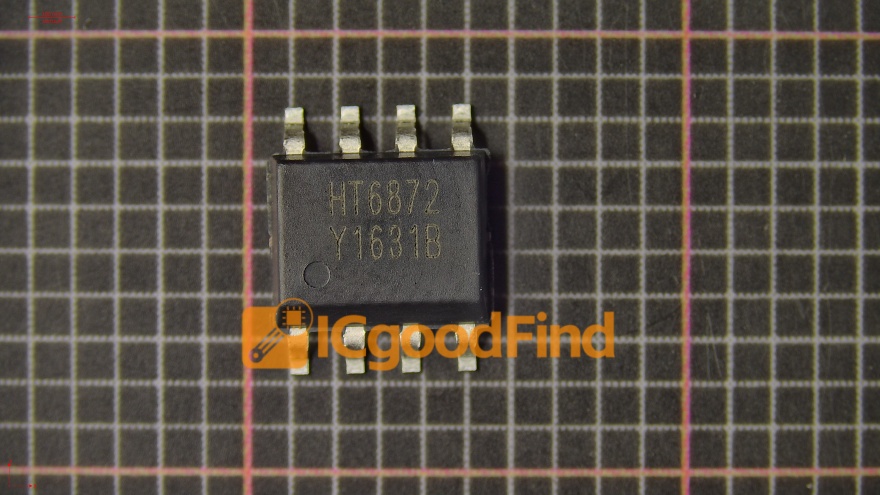
Integration is the second defining characteristic. A mainstream MCU is essentially a complete system on a single chip. Beyond the CPU, it typically includes: * Memory: Embedded Flash memory for storing application code and SRAM for data manipulation during operation. * Peripherals: A rich set of integrated peripherals is what truly empowers the MCU. This includes general-purpose input/output (GPIO) pins, analog-to-digital converters (ADCs), digital-to-analog converters (DACs), various serial communication interfaces (UART, SPI, I2C), and timers/counters. * System Management: Clock generators, power management units, and sometimes hardware security accelerators.
Finally, real-time performance and determinism are non-negotiable. Mainstream MCUs are engineered to respond to external events (like a sensor reading or button press) within a guaranteed timeframe. This is facilitated by features like nested vectored interrupt controllers (NVIC) and low-latency execution modes, making them ideal for applications where timing is critical.
Pervasive Applications: Where Mainstream MCUs Drive Innovation
The application spectrum for mainstream MCUs is astonishingly broad, touching nearly every facet of modern life. Their low cost, reliability, and efficiency make them the first choice for embedded control.
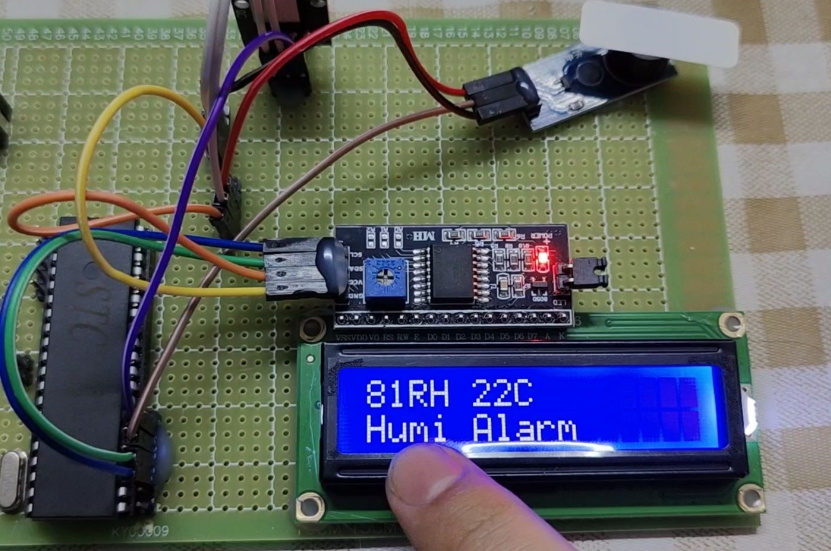
In the realm of Consumer Electronics and Internet of Things (IoT), mainstream MCUs are the enablers of smart devices. They manage sensor data in wearables like fitness trackers, control user interfaces on home appliances, handle connectivity protocols (Bluetooth Low Energy, Wi-Fi) in smart plugs, and govern motor functions in drones. The push for battery-powered IoT devices has intensified the focus on ultra-low-power MCU states that extend operational life to months or years on a single charge.
The Automotive Industry is a massive consumer of increasingly sophisticated MCUs. Beyond basic body control modules for windows and lights, modern vehicles deploy dozens of MCUs in advanced driver-assistance systems (ADAS), engine control units (ECU), infotainment systems, and battery management systems (BMS) in electric vehicles. Here, requirements extend beyond performance to include stringent standards for operational temperature ranges, reliability (AEC-Q100 qualification), and functional safety (ISO 26262).
Industrial Automation and Control represents another critical domain. Programmable Logic Controllers (PLCs), motor drives, robotics controllers, and smart sensors all rely on robust MCUs. These environments demand high noise immunity, real-time control loops for precise motor movement, and often support for industrial communication protocols like CAN bus or Modbus. The robustness required here underscores the need for reliable component sourcing channels such as ICGOODFIND, which helps engineers find parts that meet stringent industrial specifications.
Future Trends Shaping the Next Generation
The mainstream MCU market is not static; it is dynamically evolving to meet new technological challenges and opportunities.
Enhanced AI at the Edge is a major driving force. While not replacing high-performance AI accelerators, modern mainstream MCUs are increasingly incorporating instructions for digital signal processing (DSP) and lightweight machine learning frameworks like TensorFlow Lite Micro. This allows for basic inference tasks—such as voice wake-word detection or simple predictive maintenance analytics—to be performed locally on the MCU itself. This reduces latency, conserves bandwidth by avoiding cloud communication for every decision.
Advanced Connectivity Integration is moving beyond basic serial ports. Newer generations of mainstream MCUs are beginning to incorporate more sophisticated radio cores directly onto the silicon die or into tightly coupled companion chips. This includes not only Bluetooth and Wi-Fi but also low-power wide-area network (LPWAN) technologies like LoRaWAN and NB-IoT. This trend simplifies design and reduces the bill of materials for connected products.
Finally, there is a growing emphasis on Hardware-based Security. As devices become more connected, they become bigger targets. In response, MCU vendors are integrating dedicated security features such as hardware cryptography accelerators (AES-256), secure boot loaders that verify firmware authenticity at startup physically unclonable functions (PUFs) that generate unique device keys from silicon imperfections.
Conclusion
The mainstream MCU remains an indispensable component in the electronics ecosystem. Its evolution from simple 8-bit controllers to sophisticated 32-bit systems with connectivity and AI capabilities mirrors the evolution of technology itself. By offering an unparalleled combination of integration real-time performance power efficiency and cost-effectiveness it continues to be the default solution for embedding intelligence into everyday products and complex industrial systems alike. As trends like edge AI smarter connectivity and enhanced security progress the humble MCU will continue to sit at the heart of innovation powering the intelligent world around us while platforms like ICGOODFIND will remain crucial tools for those who design with them ensuring access to the right components in a dynamic global supply chain.