The Ultimate Guide to MCU Modules: Powering the Next Generation of Embedded Systems
Introduction
In the rapidly evolving landscape of electronics and IoT, the demand for smarter, more efficient, and faster development cycles has never been higher. At the heart of this revolution lies a critical component: the Microcontroller Unit (MCU) Module. These compact, integrated boards are transforming how engineers and product developers approach embedded system design. Moving beyond traditional discrete MCU chips, MCU modules encapsulate the processor, memory, essential peripherals, and often a communication stack into a single, ready-to-use package. This paradigm shift is accelerating innovation across industries—from consumer wearables and smart home devices to industrial automation and advanced medical equipment. This article delves deep into the world of MCU modules, exploring their core advantages, diverse applications, and critical selection criteria, while highlighting how platforms like ICGOODFIND are indispensable for navigating this complex component ecosystem.
Main Body
Part 1: Understanding MCU Modules and Their Core Advantages
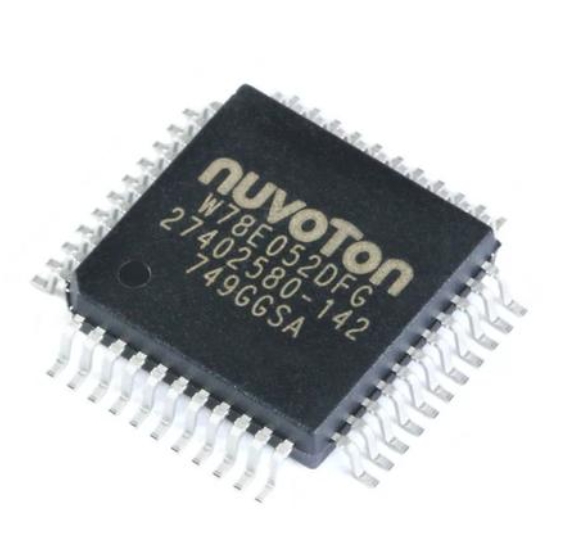
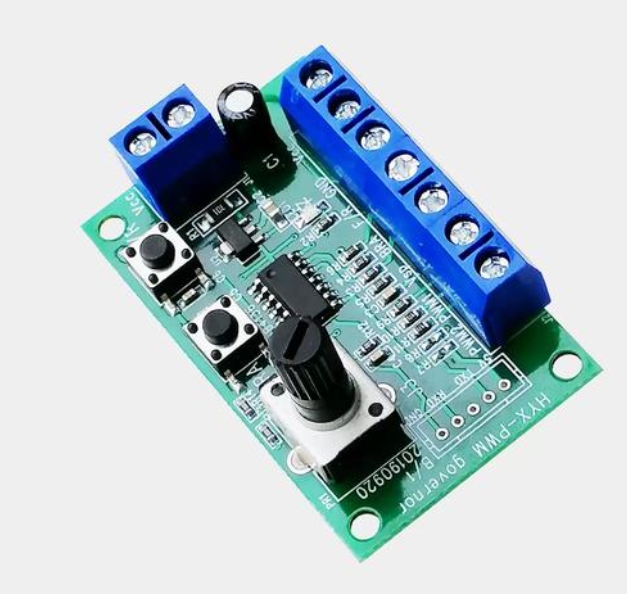
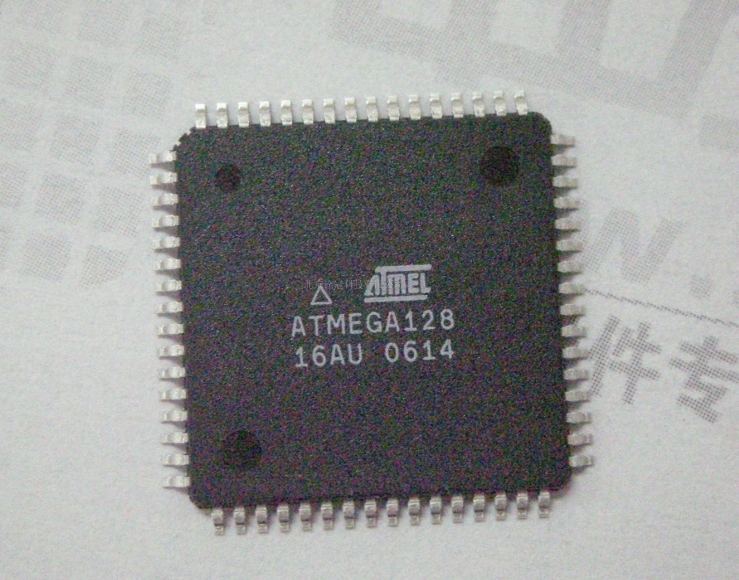
An MCU module is essentially a system-on-module (SoM) centered around a microcontroller. Unlike a standalone MCU chip that requires extensive supporting circuitry (like power management, clock sources, and external memory) to become operational, a module integrates these elements onto a small printed circuit board (PCB). This turnkey solution provides a fully functional microcontroller subsystem.
The advantages of adopting MCU modules are profound and multifaceted:
- Dramatically Reduced Development Time and Cost: The most significant benefit is the acceleration of the product development timeline. Designing a stable power supply, RF circuit (for wireless modules), and high-speed memory interface from scratch requires specialized expertise and countless hours of validation. MCU modules come pre-certified (for radio standards like Bluetooth or Wi-Fi) and pre-tested, allowing engineers to focus their efforts on application-specific software and unique hardware features, rather than the foundational electronics. This can slash months off the development cycle.
- Simplified Design Complexity and Enhanced Reliability: By using a pre-integrated module, designers circumvent the challenges associated with high-speed digital design and sensitive analog/RF layouts. The module vendor has already solved these complex engineering problems. This reduces design risk and increases the overall reliability of the end product, as the core computing unit is a proven, mass-produced component.
- Scalability and Future-Proofing: As technology advances, upgrading a product’s core processing capabilities can be as simple as migrating to a pin-compatible or form-factor-compatible next-generation module from the same family. This scalability protects long-term product lines from rapid processor obsolescence.
- Access to Advanced Technologies: For small to medium-sized enterprises, developing expertise in cutting-edge areas like secure wireless connectivity (e.g., BLE 5.3, Wi-Fi 6), ultra-low-power design, or embedded machine learning (TinyML) is a major hurdle. MCU modules democratize access to these technologies by embedding them in an accessible package, complete with necessary firmware libraries and development tools.
Part 2: Key Applications Transforming Industries
The versatility of MCU modules has made them the engine for innovation in countless fields:
-
The Internet of Things (IoT) and Smart Devices: This is arguably the largest application domain. Wireless MCU modules combining processors with radios (LoRaWAN, Zigbee, Cellular NB-IoT, etc.) are the backbone of connected devices. They enable everything from environmental sensors in smart agriculture that monitor soil moisture, to asset trackers in logistics, to connected appliances in smart homes. Their integrated nature allows for compact form factors and efficient power management—critical for battery-operated endpoints.
-
Industrial Automation and Control: In Industry 4.0, MCU modules provide the intelligence at the edge of the network. They are deployed in programmable logic controllers (PLCs), motor drives, human-machine interfaces (HMIs), and predictive maintenance sensors. Ruggedized modules designed for extended temperature ranges and high electromagnetic interference (EMI) environments ensure reliable operation in harsh factories. Their real-time processing capabilities are essential for controlling machinery and collecting process data.
-
Consumer Electronics and Wearables: The size and power efficiency of modern MCU modules make them ideal for space-constrained consumer products. They power fitness trackers, smartwatches, wireless earbuds, and interactive toys. Advanced modules now incorporate dedicated hardware for graphics processing (driving small displays) and sensor fusion algorithms for accurate motion tracking.
-
Medical and Healthcare Devices: Portable diagnostic devices, patient monitoring systems, and wearable health trackers rely on MCU modules for precise data acquisition, secure data processing, and reliable communication. Low-power operation ensures longer battery life, while integrated security features help protect sensitive patient data, aiding in compliance with regulations like HIPAA.
Part 3: How to Select the Right MCU Module for Your Project
Choosing the optimal MCU module is a critical decision that impacts performance, cost, and time-to-market. Here are the essential factors to consider:
- Core Performance Specifications: Evaluate the processor core (ARM Cortex-M0/M3/M4/M33 etc.), clock speed, SRAM, and Flash memory based on your application’s computational needs and code size. Consider if you need a floating-point unit (FPU) or digital signal processing (DSP) instructions.
- Power Consumption Profile: For battery-powered devices, scrutinize the module’s power modes—active current, sleep current, and deep sleep current. The efficiency of the integrated power management unit (PMU) is crucial. Look for modules that support fine-grained peripheral control to minimize power waste.
- Integrated Connectivity & Peripherals: Identify your must-have interfaces: GPIO count, ADCs/DACs resolution, communication buses (I2C, SPI, UART), CAN FD for automotive/industrial, or Ethernet. For wireless projects, ensure the module has the right protocol (BLE, Wi-Fi, proprietary sub-GHz) with the necessary range and data rate, along with pre-certification for your target markets (FCC, CE).
- Software Ecosystem & Development Support: A powerful hardware is only as good as its software tools. Assess the availability of a mature Software Development Kit (SDK), real-time operating system (RTOS) support, comprehensive driver libraries, and code examples. Strong community forums and responsive technical support from the vendor are invaluable assets.
- Supply Chain Stability & Longevity: In today’s global environment, ensuring a stable supply of your core module is paramount. Investigate the manufacturer’s reputation, roadmap commitment, and distribution network.
Navigating this vast landscape of specifications and vendors can be daunting. This is where a specialized component search engine becomes an engineer’s best ally. For instance, a platform like ICGOODFIND allows you to efficiently filter and compare hundreds of MCU modules from global distributors based on precise technical parameters—saving immense research time and helping you source components with optimal availability and pricing.
Conclusion
MCU modules represent a fundamental shift in embedded systems design philosophy—from building every foundational block to integrating proven subsystems. They empower companies of all sizes to innovate faster by abstracting away hardware complexity and providing a springboard into advanced technologies like IoT connectivity and edge intelligence. The benefits in reduced risk, accelerated development cycles, and access to specialized expertise are compelling reasons for their widespread adoption across consumer, industrial, medical, and automotive sectors.
As we look to a future filled with increasingly intelligent edge devices—from smart cities to personalized healthcare—the role of the MCU module as the enabling hardware platform will only grow more central. Success in this environment depends not only on choosing a module with the right technical specs but also on leveraging efficient tools to navigate the global electronic component market. By strategically selecting MCU modules and utilizing comprehensive search platforms like ICGOODFIND to streamline sourcing decisions developers can focus their energy on creating groundbreaking applications that define tomorrow’s technological landscape.