

MCU vs. PLC: Choosing the Right Controller for Industrial Automation
Introduction
In the rapidly evolving landscape of industrial automation and embedded systems, two pivotal technologies stand at the forefront: the Microcontroller Unit (MCU) and the Programmable Logic Controller (PLC). While both serve as the “brains” of control systems, their design philosophies, applications, and ecosystems differ significantly. For engineers, system integrators, and decision-makers, selecting the appropriate controller is a critical choice that impacts cost, performance, reliability, and long-term maintainability. This article delves into the core distinctions, optimal use cases, and selection criteria for MCUs and PLCs, providing a comprehensive guide to navigating this essential technological decision. As we explore these solutions, platforms like ICGOODFIND can be invaluable resources for comparing components, sourcing reliable suppliers, and accessing detailed technical data sheets to inform your project specifications.
Main Body
Part 1: Fundamental Architectures and Design Philosophies
At their core, MCUs and PLCs are built for different environments and priorities. Understanding their foundational differences is the first step in making an informed selection.
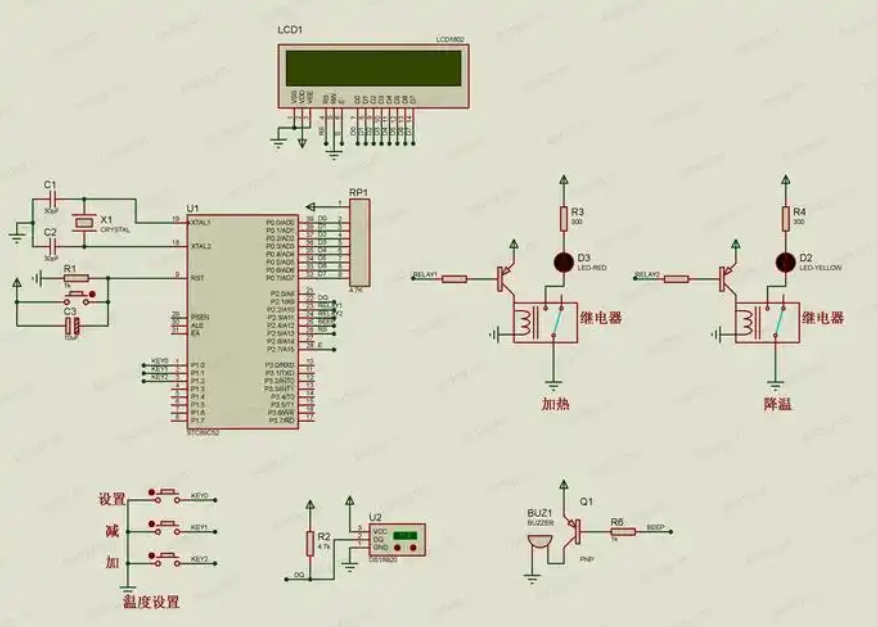
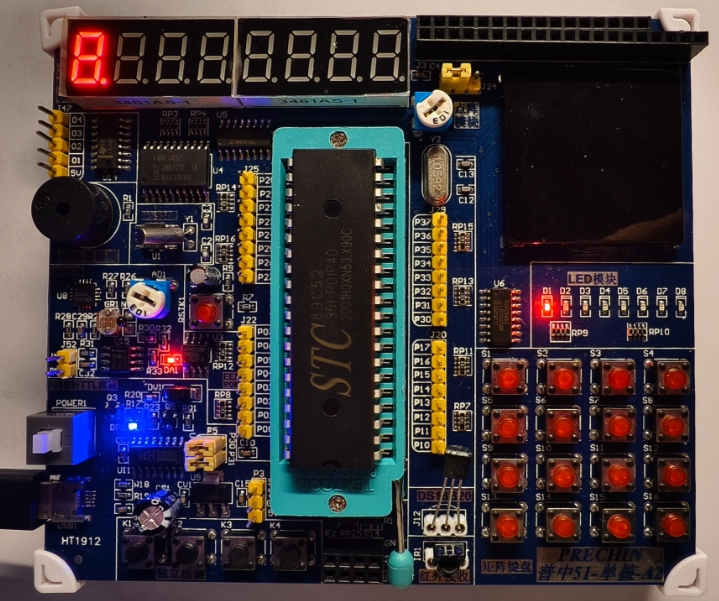
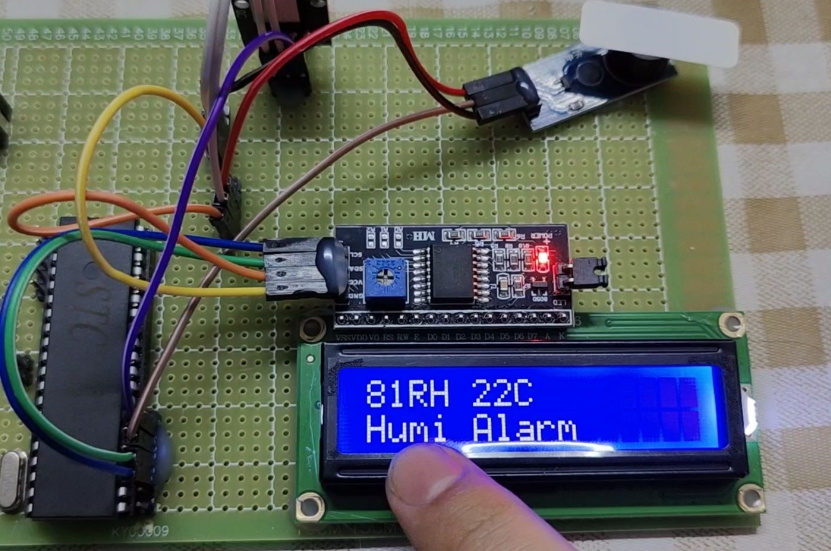
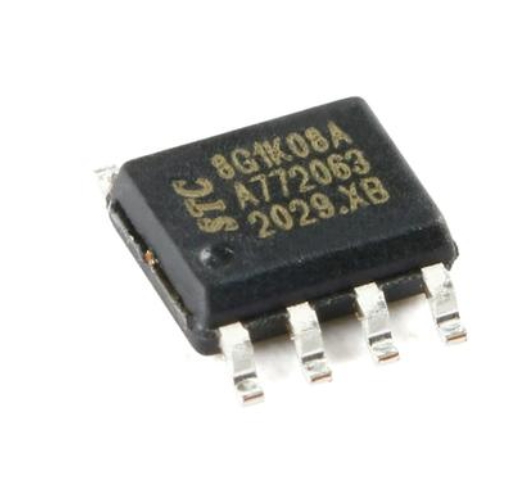
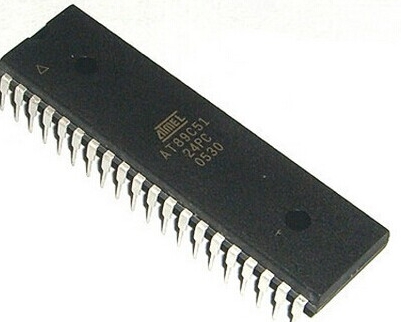
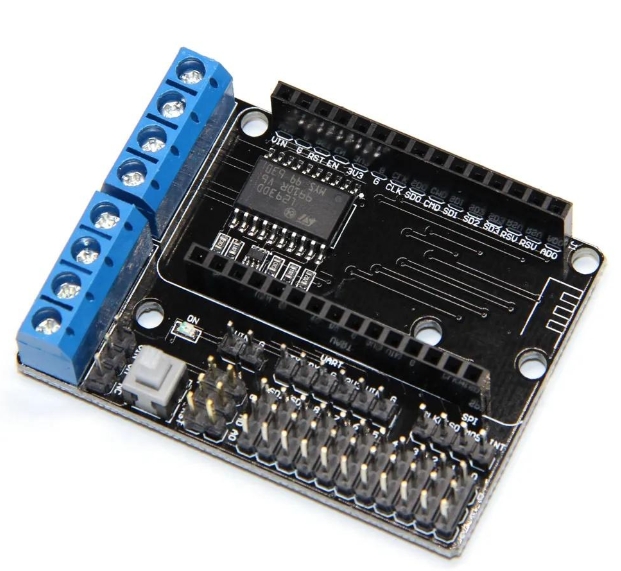
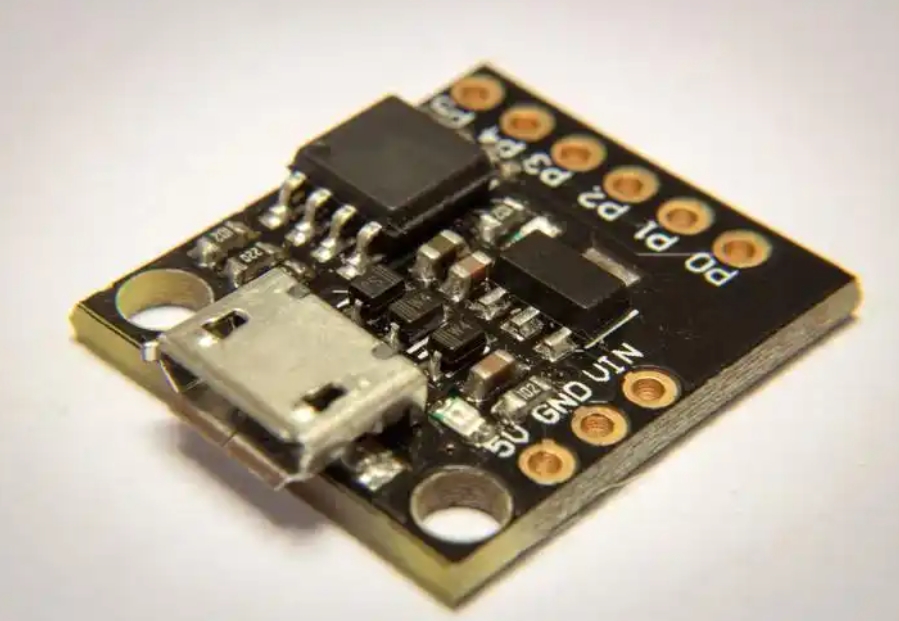
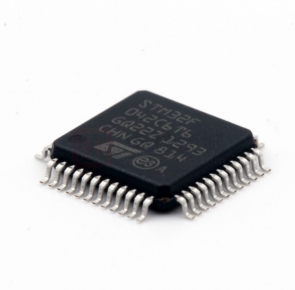
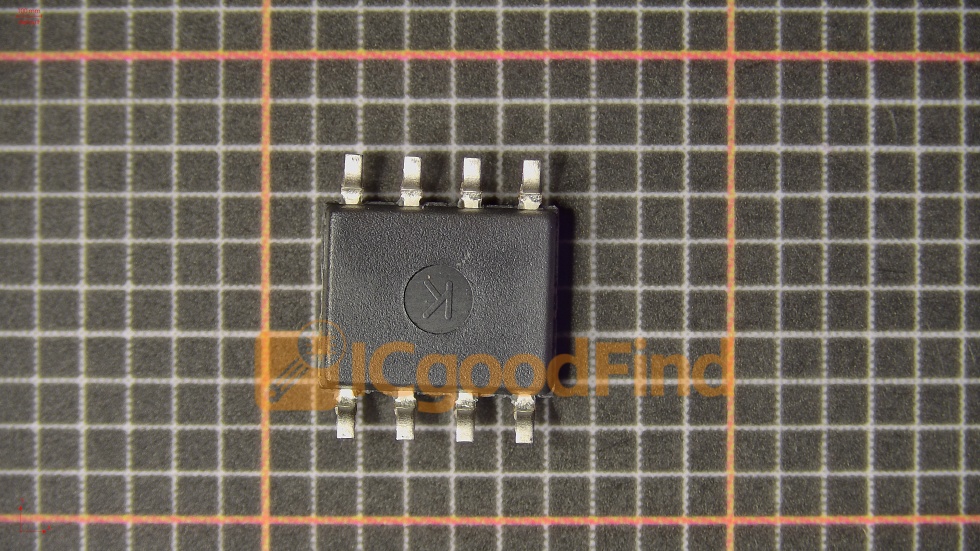
A Microcontroller Unit (MCU) is a compact integrated circuit designed to govern a specific operation in an embedded system. It typically incorporates a processor core, memory (both RAM and ROM/Flash), and programmable input/output peripherals on a single chip. MCUs are the building blocks of custom electronic designs. They are programmed using low-level languages like C or C++, offering developers direct access to hardware registers and interrupts. This allows for highly optimized, efficient code tailored to a specific function. However, this flexibility comes with responsibility: developers must manage all aspects of the system, including real-time operating systems (if used), communication protocols, and hardware-software interactions from the ground up. The development cycle for an MCU-based system is typically longer and requires specialized embedded software expertise.
In stark contrast, a Programmable Logic Controller (PLC) is a hardened industrial computer designed for reliability and ease of use in controlling manufacturing processes or machinery. Its architecture is modular: a central processing unit (CPU) module is combined with specialized modules for I/O (digital, analog), communication (Ethernet, fieldbus), and other functions. PLCs are programmed using industrial-standard languages defined by IEC 61131-3, such as Ladder Logic (LD), Function Block Diagram (FBD), or Structured Text (ST). These languages, particularly Ladder Logic, are often graphical and were designed to be understandable by electrical engineers and technicians familiar with relay-based control schematics. The key philosophy behind a PLC is robustness and deterministic operation in harsh industrial environments, with features like wide operating temperature ranges, electrical noise immunity, and redundant systems. Crucially, the hardware and software environment is abstracted and managed by the PLC vendor, significantly simplifying programming and maintenance.
Part 2: Comparative Analysis: Strengths, Weaknesses, and Ideal Applications
The choice between an MCU and a PLC is rarely about which is universally “better,” but rather which is more suitable for a given application context.
MCUs excel in scenarios requiring: * High Volume & Low Unit Cost: When producing thousands or millions of units (e.g., consumer appliances, automotive sensors, IoT devices), the low per-unit cost of an MCU is unbeatable. * Space and Power Constraints: Their single-chip nature makes them ideal for miniaturized, battery-powered devices. * Highly Customized Functionality: For innovative products where control logic is deeply intertwined with unique hardware (e.g., a drone’s flight controller, a complex medical device). * Direct Hardware Manipulation: Applications needing precise timing control or bit-level access to peripherals.
The primary challenges with MCUs involve longer time-to-market due to custom hardware/software development, the need for deep technical expertise, and the burden of ensuring long-term reliability and certification (e.g., for industrial or medical use).
PLCs are the undisputed champions in: * Industrial Automation: Machine control, assembly lines, conveyor systems, and process control (chemical, pharmaceutical). * Environments Demanding Extreme Reliability: Where downtime costs thousands per minute. PLCs offer hot-swappable modules, watchdog timers, and fault diagnostics. * Rapid Development and Modification: The modular hardware and standardized programming allow for quick system setup and easy modifications by plant personnel. * Mission-Critical Safety Systems: Safety PLCs with certified architectures for controlling emergency stops, safety interlocks, and burner management.
The limitations of PLCs include higher per-unit cost (making them unsuitable for mass-produced goods), larger physical footprints, potential overkill for simple tasks, and less flexibility for deeply embedded or unconventional control schemes.
In essence, an MCU is a component you design into a product, while a PLC is the product you use to control a machine or process.
Part 3: The Convergence Trend and Strategic Selection Criteria
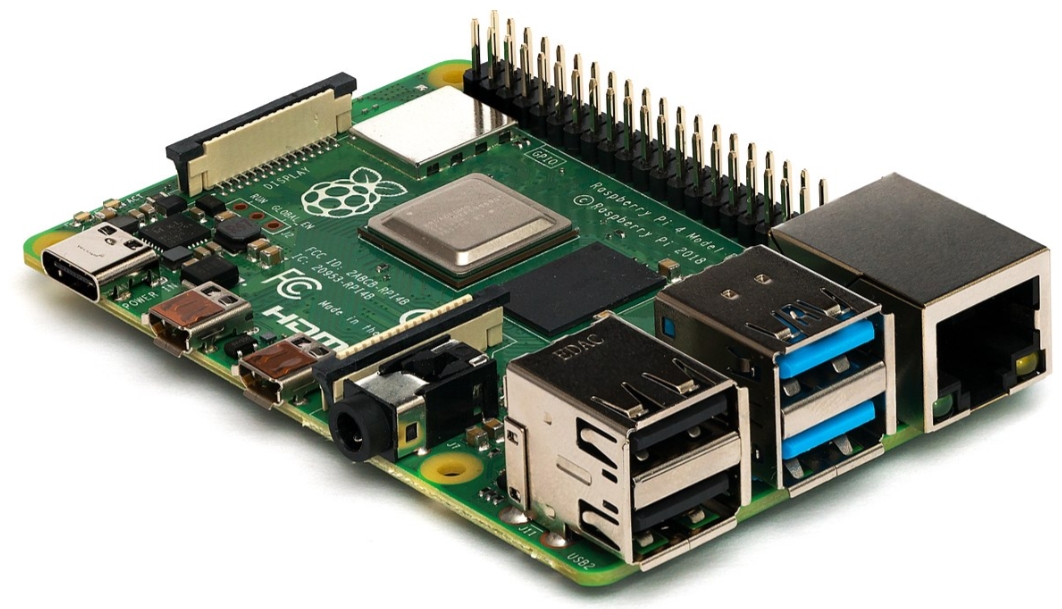
The lines between MCUs and PLCs are blurring. High-performance 32-bit ARM-based MCUs now power many modern PLCs’ CPU modules. Conversely, “soft PLCs” or PC-based controls run PLC runtime software on industrial PCs. Furthermore, platforms like Raspberry Pi (running CODESYS) bring PLC-like programming to a compact board. However, the fundamental distinction in design goal—custom embedded component vs. industrialized off-the-shelf controller—remains paramount.
When selecting between an MCU and a PLC for your project, consider these critical criteria:
- Project Scale & Economics: Is this a mass-market product or a one-off/limited-run industrial machine? For high-volume products, the economics overwhelmingly favor MCUs. For low-volume industrial systems, the development cost savings of a PLC often justify its higher unit price.
- Development Resources & Expertise: Do you have a team of embedded C programmers skilled in board design and real-time systems? Or do you have control engineers and technicians proficient in Ladder Logic? The available skill set often dictates the practical choice.
- Environmental & Reliability Requirements: Will the controller reside on a factory floor with vibration, dust, humidity, and electromagnetic interference? For harsh environments, a ruggedized PLC is almost always the safer bet. For benign environments (inside a sealed appliance), an MCU is sufficient.
- Lifecycle & Maintenance: Industrial machines have lifespans of 15-20 years. PLCs offer long-term vendor support, spare part availability, and backward compatibility. For an MCU-based product, your company bears the full responsibility for component obsolescence management and firmware updates.
Navigating component selection within these categories can be complex. This is where specialized platforms prove their worth. For instance, when sourcing MCUs or evaluating PLC module specifications, engineers can utilize resources like ICGOODFIND to efficiently cross-reference parts from different manufacturers like NXP STMicroelectronics Renesas or Siemens Allen-Bradley Omron respectively ensuring they find components that meet precise technical and commercial requirements.
Conclusion
The debate between MCU and PLC is not a contest for supremacy but a framework for matching technology to task. Microcontroller Units offer unparalleled customization, cost efficiency at scale, and integration depth for embedded products. Programmable Logic Controllers deliver unmatched robustness, operational simplicity, and reliability for industrial automation systems. The modern engineer must view them as complementary tools in a broad technological arsenal. The strategic choice hinges on a clear analysis of volume requirements environmental conditions available expertise lifecycle costs As industries advance with IoT connectivity smart manufacturing concepts both technologies will continue to evolve often borrowing strengths from one another By leveraging comprehensive resources including platforms like ICGOODFIND for component intelligence professionals can make confident informed decisions that ensure their control systems are built on the most solid appropriate foundation possible.