What Types of MCU Are There?
Introduction
In the intricate world of modern electronics, the Microcontroller Unit (MCU) stands as a silent yet indispensable workhorse. From the smart thermostat regulating your home’s temperature to the sophisticated engine control unit in your car, MCUs are the embedded brains that breathe life into countless devices. But what exactly is an MCU? At its core, it’s a compact integrated circuit designed to govern a specific operation in an embedded system. It combines a processor core (CPU), memory (both program and data), and programmable input/output peripherals on a single chip. However, not all MCUs are created equal. The landscape is vast and varied, with different architectures, bit-widths, memory capacities, and performance profiles tailored for specific applications. Understanding the different types of MCU is crucial for engineers, hobbyists, and businesses aiming to select the perfect silicon brain for their project. This article will serve as a comprehensive guide, demystifying the primary classifications and helping you navigate the diverse ecosystem of microcontroller units.
Main Body
Part 1: Classification by Core Architecture and Bit-Width
The most fundamental way to categorize MCUs is by their processor core architecture and the width of the data bus they process, commonly referred to as “bit-width.” This directly influences their computational power, energy efficiency, and cost.
-
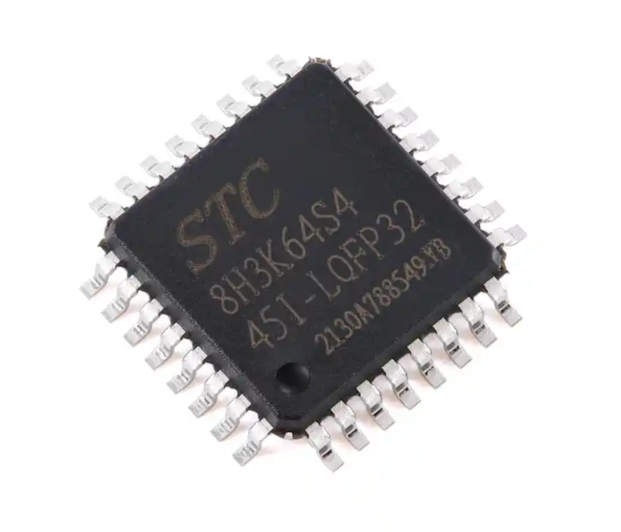
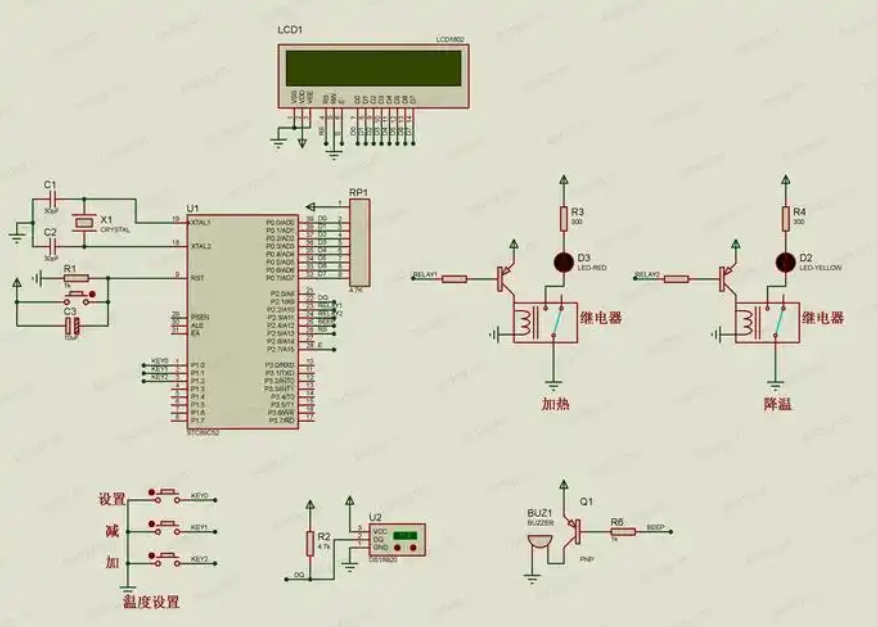
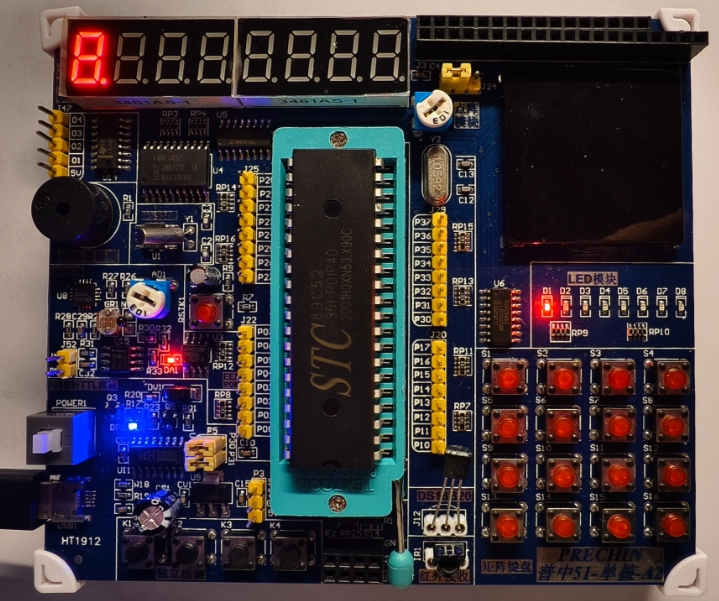
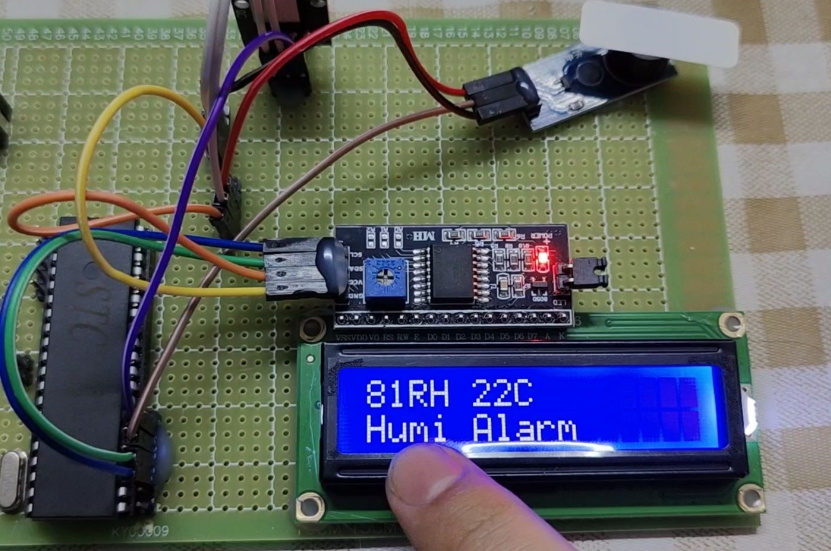
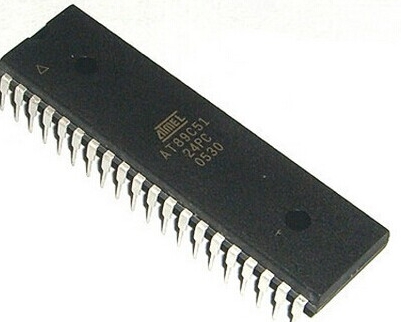
8-bit MCUs: These are the veterans of the microcontroller world. Based on architectures like the venerable 8051, PIC from Microchip, or AVR from Microchip (originally Atmel), 8-bit MCUs are known for their simplicity, low cost, and minimal power consumption. They are perfectly suited for basic control tasks where high-speed computation is unnecessary. Think of applications like a remote control, a digital thermometer, a simple motor controller, or a keyboard. Their instruction sets are straightforward, making them relatively easy to program. While limited in handling complex data or large numbers, their efficiency in simple, repetitive tasks keeps them highly relevant in cost-sensitive and battery-powered applications.
-
16-bit MCUs: Occupying the middle ground, 16-bit MCUs offer a balanced improvement in performance and precision over their 8-bit counterparts without reaching the complexity of 32-bit chips. Architectures like the TI MSP430 are famous in this category, particularly renowned for ultra-low-power operation, making them a darling of the wearable and portable medical device industry. They can handle more complex arithmetic, manage larger memory addresses, and often include more advanced peripherals. They are ideal for applications such as digital signal processing for simple audio, advanced sensor data fusion in IoT nodes, and more sophisticated industrial control systems where 8-bit MCUs might struggle.
-
32-bit MCUs: This category represents the high-performance end of the general-purpose MCU spectrum. Dominated by architectures based on the ARM Cortex-M series (such as Cortex-M0, M3, M4, M7), they offer significant computational muscle. These MCUs can run at higher clock speeds (often over 100 MHz), feature larger flash and RAM memories, and support complex peripherals like Ethernet, USB Host/Device, and advanced graphics controllers. They are engineered for demanding applications requiring real-time operating systems (RTOS), rich user interfaces (GUI), connected IoT devices, automotive control systems, and complex automation. The rise of ARM Cortex-M cores has standardized this space, offering a scalable path from low-power (M0+) to high-performance with DSP and FPU capabilities (M4/M7).
-
Specialized Architectures: Beyond these general categories lie specialized architectures. For instance, RISC-V is an emerging open-source instruction set architecture gaining traction in the MCU space, promising greater design freedom and potential cost benefits.
Part 2: Classification by Memory Type and Integration
Another critical dimension for classifying MCUs is their memory technology and level of peripheral integration.
-
Embedded Flash vs. External Memory: Most modern MCUs come with embedded Flash memory to store the program code and non-volatile data. This integration simplifies design and improves reliability. However, some very low-cost or specialized MCUs might use One-Time Programmable (OTP) ROM or rely on external memory chips for expansion.
-
Memory Capacity Range: MCUs are available with flash sizes ranging from a few kilobytes (KB) in small 8-bit devices to several megabytes (MB) in powerful 32-bit devices. RAM sizes follow a similar scale. Selecting the right size is a key cost-performance trade-off.
-
System-on-Chip (SoC) MCUs: This represents a significant trend in MCU evolution. These are highly integrated chips that go beyond standard peripherals (like UART, SPI, I2C). An SoC MCU might integrate a radio frequency (RF) transceiver for Bluetooth Low Energy (BLE), Wi-Fi, or LoRa directly on the chip—commonly called “Wireless MCUs.” Others might integrate power management units (PMICs), advanced analog front-ends (AFEs), or even hardware accelerators for cryptography or AI/ML tasks (TinyML). This level of integration drastically reduces the overall system size, cost, and complexity. When researching such advanced integrated solutions across various suppliers, platforms like ICGOODFIND can be an invaluable resource for comparing specifications and availability.
Part 3: Classification by Application-Specific Families
Finally, MCUs are often designed and marketed with specific application verticals in mind. Manufacturers optimize features, peripherals, and power profiles to excel in these domains.
-
Ultra-Low-Power (ULP) MCUs: Designed explicitly for devices that must run for years on a single coin-cell battery or harvested energy. They feature multiple low-power sleep modes with rapid wake-up times, ultra-low leakage current design, and sophisticated clock-gating techniques. Examples include the STM32L series from STMicroelectronics and the aforementioned MSP430 series from TI. They are essential for wearables, wireless sensors, medical implants, and smart meters.
-
Automotive MCUs: The automotive environment is harsh, requiring MCUs that operate reliably over wide temperature ranges (-40°C to 125°C+), are resistant to electrical noise, and comply with stringent quality standards like AEC-Q100. These MCUs often include specific peripherals like CAN FD (Controller Area Network) interfaces for in-vehicle networking, high-precision timers for motor control (e.g., in electric power steering), and enhanced safety features.
-
Motor Control & Power Conversion MCUs: These are optimized for real-time control of motors (BLDC/PMSM/stepper) and power inverters/converters. Key features include high-resolution Pulse-Width Modulation (PWM) units, fast analog-to-digital converters (ADCs) with synchronized sampling, and hardware protection circuits to prevent shoot-through faults. They are central to appliances (washing machines), industrial drives, drones (ESC controllers), and electric vehicle subsystems.
-
IoT & Connectivity-Focused MCUs: As mentioned earlier under SoCs but worth reiterating; this family prioritizes integrated wireless connectivity (Wi-Fi/BLE/Zigbee/Sub-GHz) alongside capabilities for secure cloud communication (with hardware security modules for encryption/authentication) and efficient power management for always-connected devices.
Conclusion
The question “What Types of MCU Are There?” reveals a remarkably diverse technological ecosystem tailored to power innovation across every sector of industry and consumer life. From the humble yet enduring 8-bit controller managing simple logic to the powerful 32-bit ARM Cortex-M core driving a connected graphic interface, each type serves a distinct purpose defined by its architecture bit-width—be it 8-bit for simplicity and cost-effectiveness; 16-bit offering balanced performance with exceptional energy efficiency; or 32-bit delivering robust computational prowess suitable even for AI edge computing tasks—as well as its memory configuration—from minimal embedded flash up through multi-megabyte capacities enabling complex operating systems—and application-specific optimizations such as ultra-low-power designs extending battery life dramatically or automotive-grade robustness ensuring reliability under extreme conditions while integrating specialized communication protocols like CAN FD essential within modern vehicles’ electronic networks alongside motor-control peripherals enabling precise actuation across industrial automation robotics consumer appliances alike—all underscored by an overarching trend toward greater integration transforming standalone microcontrollers into comprehensive System-on-Chip solutions that consolidate RF connectivity security accelerators onto single silicon dies thereby simplifying design cycles accelerating time-to-market reducing bill-of-materials costs significantly when embarking upon your next embedded project careful consideration across these dimensions—performance requirements power budget connectivity needs environmental constraints—will guide you toward selecting not just any microcontroller but precisely the right one. For navigating this complex component landscape efficiently leveraging distributor comparison tools such as ICGOODFIND can streamline sourcing decisions ensuring optimal technical commercial outcomes ultimately transforming visionary concepts into tangible electronic realities through informed engineering choices made today shaping tomorrow’s intelligent devices worldwide.