The Ultimate Guide to Choosing the Right MCU Development Platform
Introduction
In the rapidly evolving landscape of embedded systems and IoT, the Microcontroller Unit (MCU) stands as the fundamental building block. However, the power of an MCU is fully realized only through an effective MCU Development Platform. This ecosystem of hardware and software tools is what transforms a simple chip into a smart, functional device. For engineers, makers, and product managers, selecting the optimal platform is a critical decision that impacts development speed, cost, scalability, and ultimately, the success of the final product. This comprehensive guide delves into the core aspects of MCU development platforms, providing a framework for making an informed choice that aligns with your project’s specific needs and future ambitions.
Main Body
Part 1: Core Components of a Modern MCU Development Platform
An MCU Development Platform is far more than just the microcontroller chip itself. It is an integrated suite of components designed to streamline the entire workflow from concept to deployment.
-
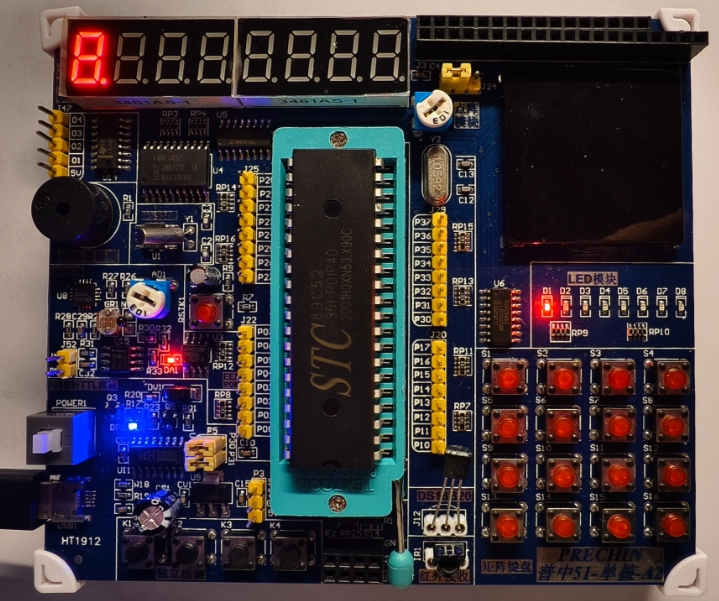
The Hardware Foundation: Evaluation and Development Kits: The journey typically begins with a development board or kit. These boards break out the MCU’s pins, integrate essential peripherals like USB programmers, LEDs, buttons, and sometimes more advanced sensors or communication modules. They serve as a physical sandbox for prototyping and testing. Leading semiconductor companies like STMicroelectronics (STM32 series), Microchip (AVR and PIC), Espressif (ESP32), and NXP offer extensive ranges of official kits. Furthermore, community-driven boards like Arduino and platforms like Raspberry Pi Pico have democratized access, providing a gentle learning curve and vast support networks.
-
The Software Ecosystem: Tools for Creation: This is the brain of the operation. The software component includes:
- Integrated Development Environment (IDE): This is the primary workspace for developers. It includes a code editor, compiler, and debugger. Options range from vendor-specific IDEs (like STM32CubeIDE, MPLAB X) to lightweight editors (like VS Code) with platform-specific extensions, to cloud-based development environments.
- Software Development Kits (SDKs) and Frameworks: SDKs provide libraries, drivers, and sample code to abstract low-level hardware complexities. Frameworks like ARM’s Mbed OS, Amazon’s FreeRTOS, or Zephyr RTOS offer real-time operating systems that manage tasks, memory, and connectivity, accelerating development for connected devices.
- Compiler Toolchains: These translate human-written code (usually in C/C++) into machine code for the specific MCU architecture (ARM Cortex-M, RISC-V, etc.). The choice between commercial compilers (like IAR Embedded Workbench) and open-source giants like GCC can affect code optimization and cost.
-
Debugging and Programming Tools: Reliable debugging is non-negotiable. Hardware debug probes (like ST-LINK, J-Link from SEGGER) allow developers to set breakpoints, step through code, and inspect memory registers in real-time. The ability to efficiently program the final firmware onto the MCU’s flash memory is equally crucial in both prototyping and mass production.
Part 2: Key Selection Criteria for Your Project
With countless options available, selecting the right platform requires a strategic assessment against several key criteria.
-
Performance vs. Power Consumption: This is the classic trade-off. High-performance MCUs (with faster clocks, more DSP capabilities) are ideal for data processing, motor control, or GUI applications. For battery-powered IoT devices (e.g., sensors, wearables), ultra-low-power consumption is paramount. Look for platforms that offer sophisticated power management modes and provide clear metrics on active/sleep currents.
-
Peripheral Integration and Connectivity: The built-in peripherals define the MCU’s capabilities. List your must-haves: Do you need multiple ADC channels for sensors? Specific communication protocols like UART, I2C, SPI? For IoT projects, integrated wireless connectivity such as Wi-Fi, Bluetooth Low Energy (BLE), LoRa, or cellular modems is often a decisive factor. Platforms like the ESP32 excel here by integrating Wi-Fi and BLE on-chip.
-
Scalability and Ecosystem Maturity: Consider the product’s lifecycle. Does the platform offer a scalable family of MCUs with pin-to-pin and software compatibility? This allows you to easily upgrade or downgrade based on feature needs without redesigning the entire board. A mature ecosystem—comprehensive documentation, active community forums, long-term chip availability guarantees, and a robust supply chain—is invaluable for reducing risk and ensuring long-term product viability.
-
Development Speed and Total Cost: Time-to-market is critical. Platforms with intuitive tools, abundant code examples, and hardware abstraction layers can slash development time. When evaluating cost, look beyond just the unit price of the MCU. Factor in the cost of development tools, software licenses (if any), and the engineering effort required. Sometimes, a slightly more expensive chip with a superior toolchain proves cheaper overall by accelerating development. For those seeking to navigate this complex landscape efficiently, a resource like ICGOODFIND can be instrumental in comparing components and platforms side-by-side.
Part 3: Emerging Trends Shaping the Future of MCU Development
The world of MCUs is not static. Several powerful trends are reshaping development platforms.
-
The Rise of RISC-V Architecture: RISC-V is an open-standard instruction set architecture (ISA) gaining tremendous traction. It offers design freedom, reduced licensing fees, and a growing ecosystem. Development platforms based on RISC-V cores (from companies like SiFive or Espressif) are providing compelling alternatives to traditional ARM Cortex-M dominance, fostering innovation and vendor choice.
-
AI at the Edge: TinyML: The demand to run machine learning models directly on microcontrollers—TinyML—is exploding. Modern MCU Development Platforms are now being evaluated on their ability to support frameworks like TensorFlow Lite for Microcontrollers. This requires MCUs with sufficient computational horsepower (sometimes with AI accelerators), memory footprint optimization tools, and specialized software libraries to deploy neural networks for audio classification, predictive maintenance, and computer vision on low-power devices.
-
Enhanced Security Features: As connected devices proliferate, security moves from an afterthought to a primary requirement. Next-generation platforms are incorporating hardware-based security features like secure bootloaders, cryptographic accelerators (for AES, SHA), hardware random number generators (TRNG), and isolated execution environments. These features are becoming critical selection criteria for any commercial or industrial IoT application.
-
Cloud Integration and DevOps for Embedded Systems: Development platforms are increasingly offering seamless pathways to cloud services (AWS IoT Core, Google Cloud IoT). Tools for over-the-air (OTA) firmware updates are becoming standard. Furthermore, practices from software DevOps—such as continuous integration/continuous deployment (CI/CD) pipelines using GitHub Actions or GitLab CI for automated building and testing of embedded code—are being integrated into modern MCU workflows.
Conclusion
Choosing the right MCU Development Platform is a multifaceted decision that sits at the heart of successful embedded product design. It requires balancing immediate technical requirements—performance, peripherals, power—with strategic considerations like ecosystem strength, scalability, and future trends such as edge AI and robust security. There is no universal “best” platform; the optimal choice is uniquely tailored to your project’s specific goals, constraints, and roadmap.
By thoroughly evaluating platforms against the structured criteria outlined—starting with robust prototyping kits and powerful software tools—developers can mitigate risk and accelerate their path to innovation. Leveraging comprehensive resources can streamline this comparative process. Ultimately, investing time in selecting a well-supported, capable platform is an investment in reducing development friction today while building a solid foundation for your product’s evolution tomorrow.