

The Ultimate Guide to STM32 MCU Development Boards: Powering Your Embedded Vision
Introduction
In the dynamic world of embedded systems and IoT, the choice of a microcontroller unit (MCU) development board can make or break a project. Among the plethora of options available, STM32 MCU Development Boards have emerged as a dominant force, renowned for their robust performance, extensive ecosystem, and scalability. These boards, built around STMicroelectronics’ ARM Cortex-M core processors, serve as the perfect launchpad for engineers, students, and hobbyists to transform innovative ideas into functional prototypes and final products. This comprehensive guide delves into the core aspects of STM32 development boards, exploring their architecture, key selection criteria, and the unparalleled development ecosystem that surrounds them. Whether you’re designing a smart home device, an industrial sensor node, or a complex robotic controller, understanding the capabilities of these boards is the first critical step toward success.
Main Body
Part 1: Understanding the STM32 Ecosystem and Core Architecture
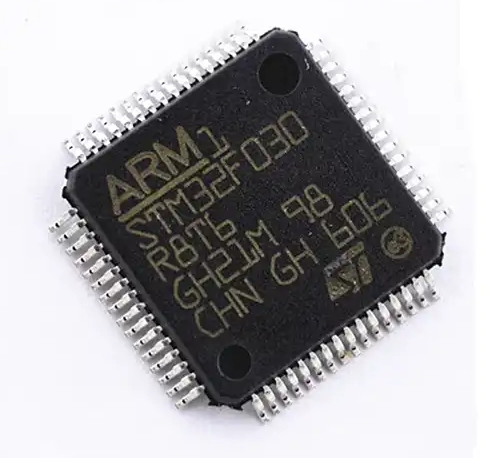
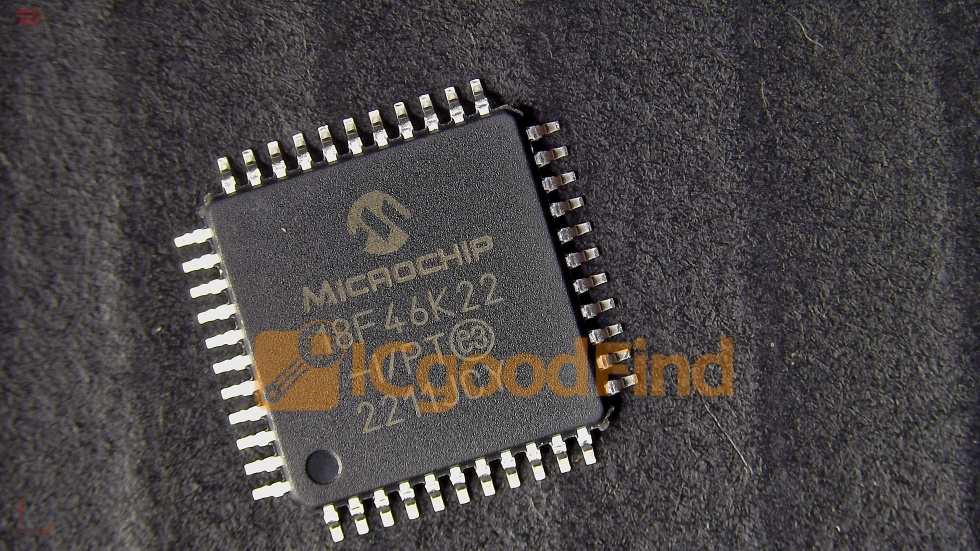
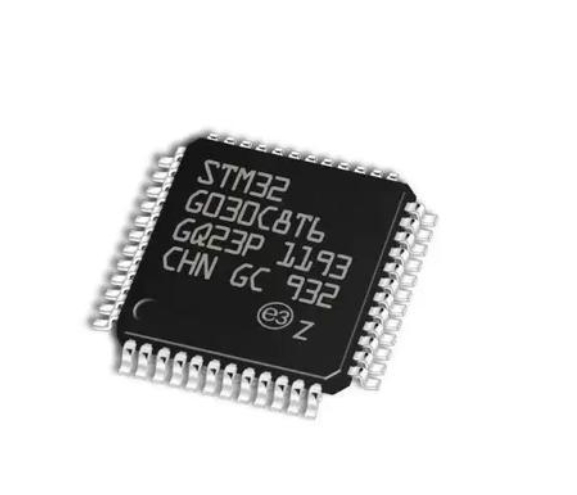
The strength of the STM32 platform lies not just in the hardware but in its cohesive and extensive ecosystem. At its heart, every STM32 MCU Development Board is powered by an STM32 microcontroller, which is based on ARM Cortex-M processor cores. These cores range from the ultra-low-power Cortex-M0+ to the high-performance Cortex-M7, catering to an immense spectrum of applications from simple battery-operated sensors to real-time motor control and advanced digital signal processing.
A defining feature of the STM32 family is its exceptional peripheral integration. Boards come equipped with a vast array of built-in peripherals such as multiple communication interfaces (USB, CAN, I2C, SPI, UART), advanced timers for PWM control, analog-to-digital converters (ADC), digital-to-analog converters (DAC), and cryptographic accelerators. This integration significantly reduces external component count, simplifying design and lowering overall system cost.
Furthermore, the STM32Cube ecosystem is a game-changer for developers. It provides a complete software package, including the STM32CubeMX initialization code generator and configurator tool. This allows developers to graphically configure pinouts, peripherals, and middleware (like FreeRTOS, USB stacks, or file systems) before generating ready-to-use project code for various IDEs, including Keil MDK, IAR Embedded Workbench, and the free STM32CubeIDE. This dramatically accelerates the initial project setup and reduces potential configuration errors.
Part 2: Key Factors in Choosing the Right STM32 Development Board
With hundreds of STM32 development boards available—from official Nucleo and Discovery kits to third-party offerings—selecting the right one requires careful consideration of several technical and project-specific factors.
First and foremost is the core performance requirement. For basic control and IoT endpoints, a board with a Cortex-M0/M0+ or M3 core (e.g., STM32F0 or L0 series) may be sufficient and cost-effective. For applications requiring more computational power, DSP capabilities, or larger memory footprints—such as graphical user interfaces (GUI), audio processing, or machine learning at the edge—boards with Cortex-M4 or M7 cores (e.g., STM32F4, F7, or H7 series) are essential.
Connectivity options are another critical deciding factor. Modern projects often demand wireless communication. Many development boards now integrate modules for Bluetooth/BLE (e.g., on the NUCLEO-WB55), Wi-Fi (e.g., on Discovery kits with ESP8266/32 or onboard STM32WB), or even LoRa (e.g., specialized boards from third-party manufacturers). For wired industrial applications, boards with Ethernet or CAN FD interfaces become paramount.
The onboard debugging probe is a feature often overlooked but vital for productivity. Official Nucleo and Discovery boards include an integrated ST-LINK/V2-1 debugger/programmer. This eliminates the need for an external debugger tool, allowing you to program and debug your MCU directly via USB with a simple drag-and-drop method or through an IDE. This integrated toolchain support is a massive advantage for rapid prototyping and iterative development.
For those seeking curated resources and reliable suppliers for these boards and related components in specific regions like Asia, platforms like ICGOODFIND can be invaluable. They aggregate quality electronic components and development tools, helping engineers source the right STM32 board variants efficiently amidst a crowded market.
Part 3: The Development Workflow and Community Resources
Getting started with an STM32 board involves a clear workflow that leverages its powerful tools. It typically begins with hardware selection based on the criteria above. Once the board is acquired, the next step is to install the necessary software: an IDE (STM32CubeIDE is highly recommended for beginners due to its integration with Cube tools) and the STM32CubeMX.
Leveraging community resources and comprehensive documentation is crucial for overcoming challenges. STMicroelectronics provides exhaustive datasheets, reference manuals (RMs), and application notes (ANs) for every MCU. Beyond official sources, a vibrant community thrives on platforms like GitHub (for libraries and example projects), Stack Overflow (for troubleshooting), and dedicated forums like the ST Community. Numerous tutorial websites and YouTube channels offer step-by-step guides on topics ranging from blinking an LED to implementing a real-time operating system (RTOS).
Practical application often starts with prototyping on the development board itself. Most boards break out all MCU pins to standard headers (like Arduino Uno or Morpho connectors), enabling easy connection to shields or custom breadboard circuits. This allows developers to validate sensor integrations, communication protocols, and control algorithms before designing a custom printed circuit board (PCB). The ability to test core functionality rapidly on a reliable development board de-risks the entire product development cycle.
Conclusion
STM32 MCU Development Boards represent more than just evaluation tools; they are gateways to innovation in embedded design. Their combination of powerful ARM Cortex-M cores, rich peripheral sets within the MCU, and an unrivaled software ecosystem centered on STM32Cube empowers developers at all levels. By carefully selecting a board that aligns with your project’s performance, connectivity, and tooling needs—and by tapping into vast official documentation and community knowledge—you can significantly accelerate your development timeline. As embedded systems grow more complex and interconnected, starting with a versatile and well-supported platform like STM32 provides a solid foundation for success. Embrace these tools, explore their capabilities through hands-on projects, and you’ll be well-equipped to bring your most ambitious electronic ideas to life.