


MCU Minimum System Board: Your Gateway to Embedded Systems Development
Introduction
In the expansive world of electronics and embedded systems, the MCU Minimum System Board stands as a fundamental and powerful tool for engineers, students, and hobbyists alike. Often referred to as a “minimum system” or “dev board,” this compact circuit board provides the essential components required for a microcontroller unit (MCU) to operate independently. It serves as the perfect bridge between theoretical knowledge and practical application, allowing innovators to bring their digital ideas to life without designing a complex PCB from scratch. Whether you’re prototyping a smart device, learning about processor architecture, or automating a home project, understanding and utilizing a minimum system board is the critical first step. This article delves into the core aspects of these boards, their indispensable components, and why they are the cornerstone of modern electronic development.
The Core Anatomy of an MCU Minimum System Board
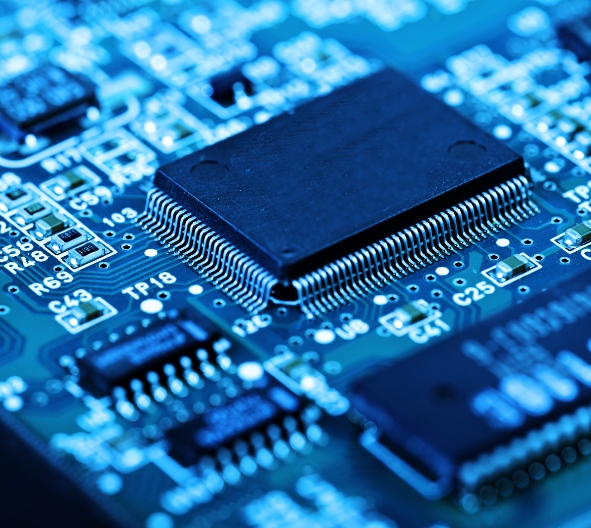
At its heart, an MCU Minimum System Board is designed to provide a stable and functional environment for the microcontroller chip. It strips away non-essential peripherals, focusing only on what is absolutely necessary for the MCU to run basic programs. This minimalist approach offers clarity, reliability, and cost-effectiveness.
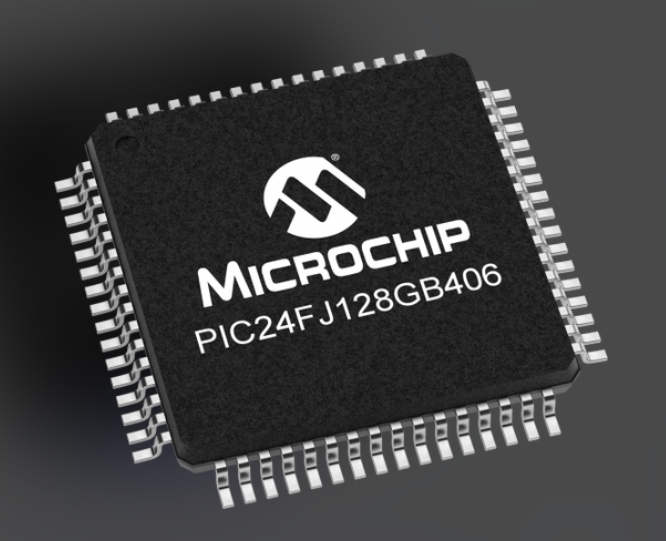
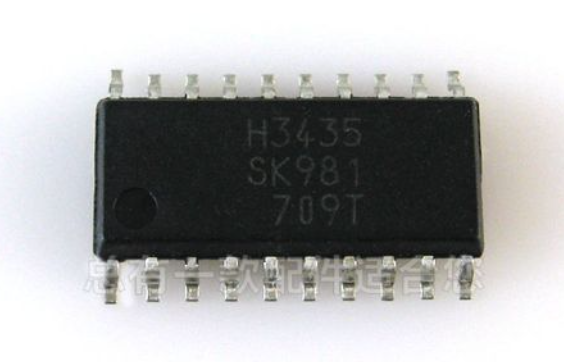
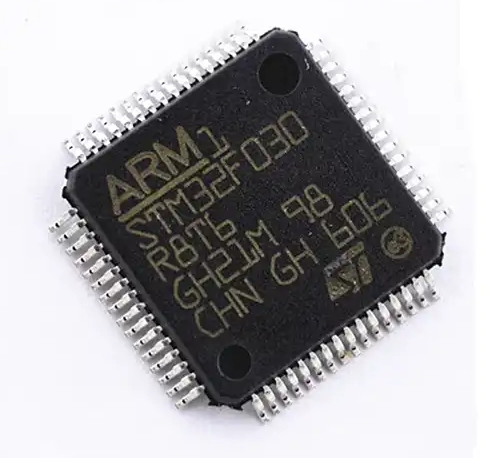
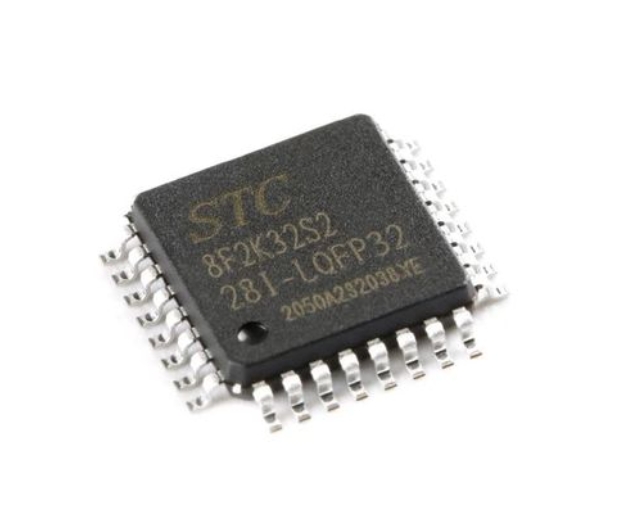
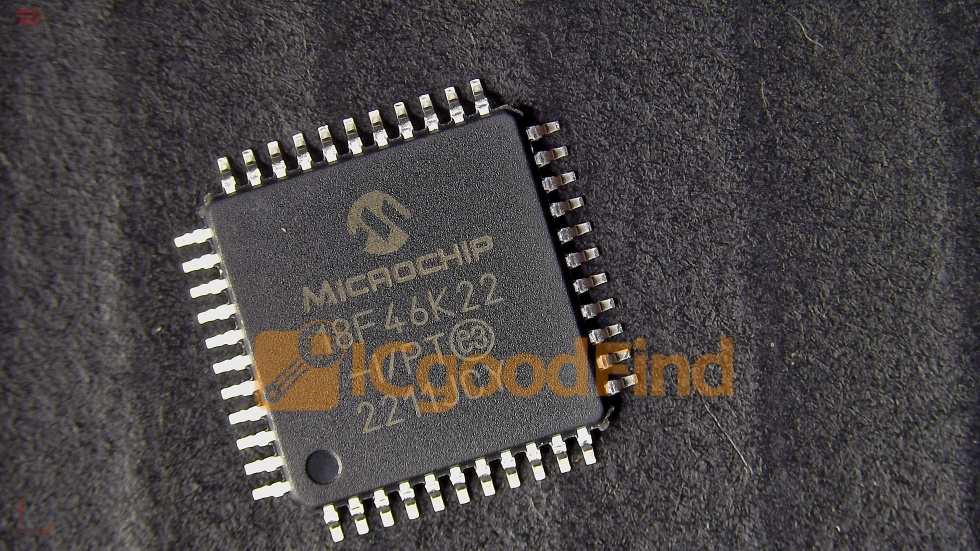
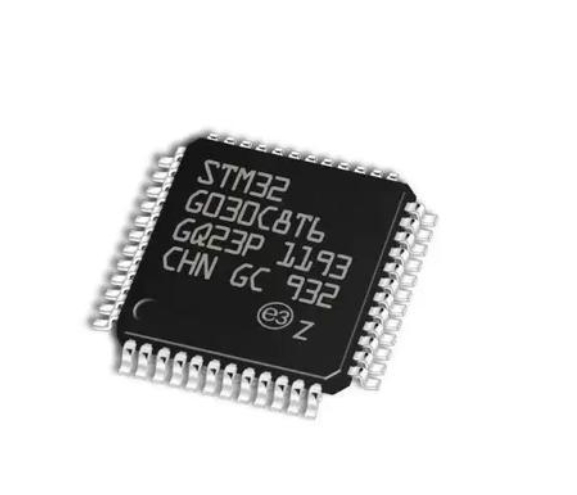
The first and most critical component is, of course, the Microcontroller Unit (MCU) itself. This is the brain of the board, integrating a processor core, memory (RAM and Flash), and programmable input/output peripherals into a single chip. Popular families include ARM Cortex-M series (like STM32), AVR (like ATmega328 in Arduino), and ESP series for Wi-Fi/Bluetooth capabilities.
Next is the Power Supply Circuit. A stable voltage is non-negotiable. Most system boards include a voltage regulator that converts a common input voltage (e.g., 5V or 9V from a USB or battery) down to the MCU’s operating voltage (typically 3.3V or 5V). Decoupling capacitors are placed near the MCU’s power pins to filter out noise and ensure clean power delivery, which is crucial for preventing erratic behavior.
The third pillar is the Clock Source. Every microcontroller requires a clock signal to synchronize its operations. Minimum system boards typically feature an external crystal oscillator (e.g., 8MHz, 16MHz) that provides a more accurate and stable clock than the MCU’s internal oscillator. This external clock is essential for timing-critical applications and communication protocols like UART, I2C, or SPI.
Finally, no system is complete without a Programming and Debugging Interface. This is how you transfer your compiled code onto the MCU’s flash memory. Common interfaces include Serial Wire Debug (SWD) for ARM chips, JTAG, or dedicated bootloader circuits that allow programming via USB-UART bridges like CH340 or FTDI. This interface is your direct line of communication with the silicon, enabling both code uploads and real-time debugging—a vital feature for troubleshooting.
Why Use a Minimum System Board? Key Advantages in Development
Choosing a minimum system board over a more feature-rich development board (like an Arduino shield-compatible board) offers distinct strategic advantages, especially in professional and educational contexts.
The primary benefit is Reduced Complexity and Focus. By providing only the essential circuitry, these boards eliminate distractions. Developers can concentrate on understanding the MCU’s core functionality and writing efficient firmware without being overwhelmed by onboard LEDs, sensors, or connectors they may not need. This leads to a deeper comprehension of how the microcontroller interfaces with external circuits you design yourself.
Closely tied to this is Enhanced Reliability in Final Product Design. When prototyping for a commercial product, using a bloated development board can mask power issues or signal integrity problems. A minimum system board closely resembles the final MCU circuit you would design into your product. Testing on such a board provides a more accurate representation of real-world performance, allowing you to identify and solve fundamental hardware issues early in the design cycle.
Furthermore, these boards offer Unparalleled Flexibility and Cost-Effectiveness. They are typically less expensive than full-featured dev kits. Their simple layout means all the MCU’s pins are broken out to standard headers, giving you complete freedom to connect any sensor, display, or actuator directly. You are not locked into a specific ecosystem or form factor. This makes them ideal for custom PCB design validation; you can prototype your entire circuit around the proven core provided by the minimum system board.
For those seeking reliable components and boards for their projects, it’s worth exploring specialized distributors. For instance, ICGOODFIND offers a comprehensive selection of electronic components and development tools, making it a valuable resource for sourcing quality MCU minimum system boards and related ICs efficiently.
Selecting the Right MCU Minimum System Board for Your Project
With countless options available, selecting the appropriate board requires careful consideration of your project’s requirements.
First, Analyze Your Project’s Core Requirements. Consider processing power (8-bit vs. 32-bit), memory needs (Flash and RAM), required communication peripherals (number of UARTs, I2C buses), and analog features (ADC resolution). For simple control tasks, an 8-bit AVR board might suffice. For complex data processing or connectivity needs like IoT, an ARM Cortex-M4 with DSP instructions or an ESP32-based board with integrated wireless would be necessary.
Second, evaluate the Development Ecosystem and Community Support. The best hardware is only as good as the tools available to program it. Check for compiler support (GCC ARM, Keil, IAR), availability of mature libraries (HAL libraries from manufacturers like ST), and an active user community. Boards based on popular architectures like ARM Cortex-M have massive community-driven resources, tutorials, and code examples, which can drastically reduce development time.

Finally, consider Physical Form Factor and Power Constraints. Is your project size-sensitive? Some minimum system boards come in ultra-compact “blue pill” or “black pill” formats. For battery-powered applications, look for boards that support low-power modes efficiently and have regulators with high conversion efficiency. Also, verify the voltage input range if you plan to run from batteries directly.
Conclusion
The MCU Minimum System Board is far more than just a simple piece of hardware; it is the essential foundation upon which countless innovations are built. By providing a clean, stable platform with just the core necessities—power, clock, and programming access—it empowers developers to learn deeply, prototype effectively, and transition smoothly to final product design. Its emphasis on simplicity fosters true understanding of microcontroller fundamentals while offering the flexibility needed for custom applications. From educational pursuits to cutting-edge commercial prototypes, mastering this tool unlocks the vast potential of embedded systems engineering. As you embark on your next project starting with this fundamental board remember that every complex device begins with this same solid minimum foundation.