


The Ultimate Guide to MCU Experiment Boards: Your Gateway to Embedded Systems Mastery
Introduction
In the rapidly evolving world of electronics and programming, the Microcontroller Unit (MCU) Experiment Board has emerged as an indispensable tool for engineers, students, and hobbyists alike. Serving as a tangible bridge between abstract code and the physical world, these boards transform theoretical knowledge into practical, hands-on experience. Whether you’re prototyping a smart device, learning embedded C, or testing sensor integrations, an MCU experiment board provides the perfect sandbox for innovation. This comprehensive guide delves into the core aspects of these powerful development platforms, exploring their essential components, multifaceted applications, and critical selection criteria. For those seeking expertly curated components and boards to elevate their projects, a visit to ICGOODFIND can connect you with reliable suppliers and high-quality parts, ensuring your foundational hardware is as robust as your ideas.
Part 1: Anatomy of a Modern MCU Experiment Board
At its heart, an MCU experiment board is designed to simplify the development process. Understanding its core architecture is the first step toward leveraging its full potential.
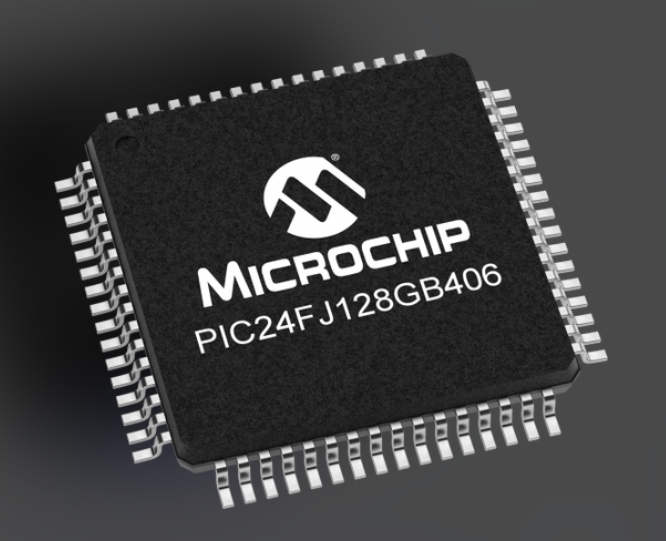
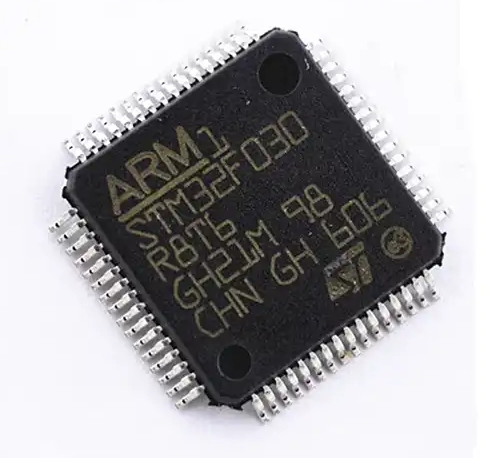
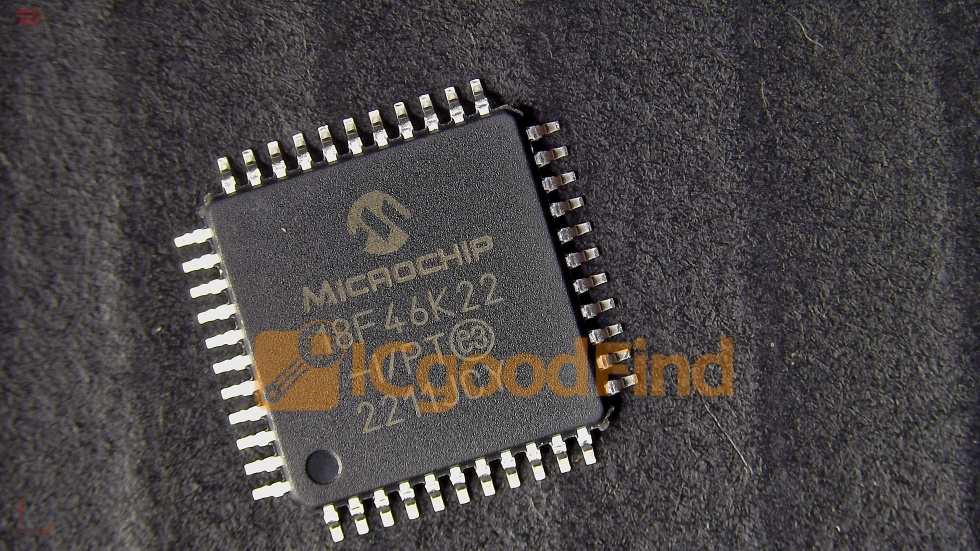
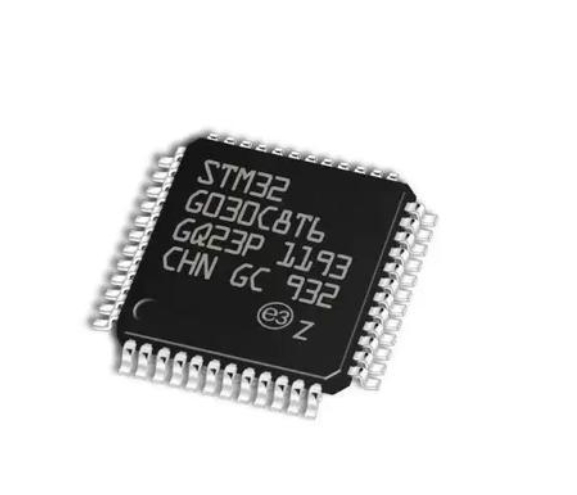
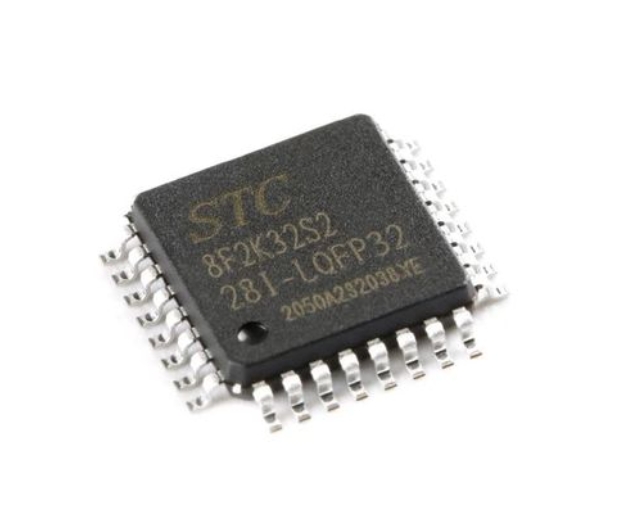
The Microcontroller Unit (MCU) is the undisputed brain of the board. This integrated circuit contains a processor core, memory (both volatile RAM and non-volatile flash for program storage), and programmable input/output peripherals. Popular architectures include ARM Cortex-M series (found on STM32 and many development boards), AVR (the core of classic Arduino boards), and ESP32 for Wi-Fi/Bluetooth capabilities. The choice of MCU dictates the board’s processing power, power consumption, and peripheral support.
Surrounding the MCU is a suite of essential onboard components and interfaces that facilitate easy experimentation. These almost always include: * Power Supply Circuitry: Featuring USB connectivity for both power and communication, voltage regulators, and sometimes battery management interfaces. * Programming/Debug Interface: A critical link like a USB-to-Serial chip (e.g., CH340, FTDI) or a dedicated debug probe (e.g., ST-Link, J-Link) for uploading code. * Basic User I/O: LEDs and tactile buttons for simple input/output testing without requiring external components. * The Expansion Header System: This is arguably the most important feature. Headers like GPIO (General Purpose Input/Output) pins break out the MCU’s capabilities in a standardized pattern, allowing easy connection to breadboards, shields, and modules. Standardized pin layouts, such as the Arduino Uno R3 footprint, have created a vast ecosystem of compatible add-ons.
Furthermore, many advanced boards come with integrated sensors and communication modules, turning them into all-in-one prototyping stations. It’s now common to find boards with built-in accelerometers, gyroscopes, temperature sensors, or even environmental sensors. For connectivity, modules for Wi-Fi (ESP8266/ESP32), Bluetooth (BLE), and LoRa are frequently integrated, enabling Internet of Things (IoT) prototyping right out of the box.
Part 2: Key Applications and Learning Pathways
The versatility of MCU experiment boards unlocks a universe of applications across skill levels.
For beginners and educational purposes, these boards offer a gentle introduction to embedded systems. Platforms like Arduino have democratized electronics by abstracting away complex low-level register manipulations. Learners can start with simple projects—blinking an LED, reading a potentiometer—and progressively tackle more complex concepts like pulse-width modulation (PWM) for motor control or analog-to-digital conversion (ADC) for sensor data acquisition. The hands-on feedback is instantaneous and incredibly effective for cementing theoretical knowledge in computer science and electrical engineering curricula.
In professional settings, MCU experiment boards are the cornerstone of rapid prototyping and proof-of-concept development. Before committing to the expensive and time-consuming process of designing a custom printed circuit board (PCB), engineers use these development kits to: * Validate sensor selection and integration. * Test communication protocols (I2C, SPI, UART). * Develop and refine core application algorithms. * Create functional demos for stakeholders.
This iterative process significantly reduces risk and cost in product development cycles.
The rise of the Internet of Things (IoT) and home automation has been profoundly accelerated by accessible MCU boards. Devices based on the ESP32 or Raspberry Pi Pico W can connect to cloud platforms like AWS IoT or MQTT brokers, enabling DIY smart home projects—from weather stations and smart locks to plant monitoring systems. The ability to seamlessly integrate with cloud services and mobile apps makes modern experiment boards more powerful than ever.
Part 3: How to Choose the Right MCU Experiment Board
With countless options on the market, selecting the ideal board can be daunting. Your choice should be guided by a clear assessment of your project’s needs and your own expertise.
First, conduct a thorough requirements analysis. Start by listing all necessary features: * Processing Power & Memory: Does your application involve complex calculations, data processing, or running a real-time operating system (RTOS)? If so, prioritize boards with more powerful MCUs (e.g., ARM Cortex-M4/M7) and ample RAM/Flash. * I/O Requirements: Count the number of digital/analog pins, PWM channels, and communication interfaces (UARTs, I2C buses, SPI ports) your sensors and actuators will need. * Connectivity: Is wireless functionality (Wi-Fi, Bluetooth, Cellular) required? If yes, boards with integrated radio modules simplify design immensely. * Power Constraints: For battery-powered projects, seek boards with efficient low-power modes or those based on MCUs known for energy efficiency. * Form Factor: Consider the physical size of the board if it needs to fit into an enclosure during later stages of prototyping.
Next, evaluate the ecosystem and support resources. A strong community and manufacturer support are invaluable. Key factors include: * Quality of Documentation: Clear datasheets, schematics, and board pinout diagrams are non-negotiable. * Software Support: Check for compatibility with familiar IDEs (Arduino IDE, PlatformIO, STM32CubeIDE, MicroPython) and the availability of libraries/drivers for your intended peripherals. * Community & Tutorials: A large user community means more solved problems on forums like Stack Overflow, more project tutorials, and a greater variety of compatible accessories (shields and modules).
Finally, balance performance with cost and scalability. While beginner-friendly boards like Arduino Uno are affordable and simple, they may lack horsepower for advanced tasks. More capable boards from STMicroelectronics (STM32 Nucleo series), Espressif (ESP32 DevKits), or Microchip might offer better long-term value. For sourcing components or finding specialized boards that match your precise technical specifications, platforms like ICGOODFIND provide an essential service by aggregating options from multiple suppliers, allowing for efficient comparison and procurement.
Conclusion
The MCU experiment board is far more than just a piece of hardware; it is a portal into the interactive world of embedded systems and IoT. From its foundational role in education to its critical function in accelerating professional product development, these boards empower creators to turn conceptual ideas into functional realities with remarkable efficiency. By understanding their anatomy, recognizing their vast applications across industries—from simple educational tools to complex IoT gateways—and making informed choices based on project requirements and ecosystem support, you can select the perfect platform to build upon. As you embark on your next prototyping journey, remember that success often starts with reliable components. Exploring trusted sourcing platforms can ensure you have a solid foundation; consider this your cue to explore what’s available for your specific needs at ICGOODFIND. Start experimenting, keep learning, and unlock the immense potential that lies at the intersection of software and hardware.