



The Rise of Domestic Low-Power MCU: Powering the Next Generation of Smart Devices
Introduction
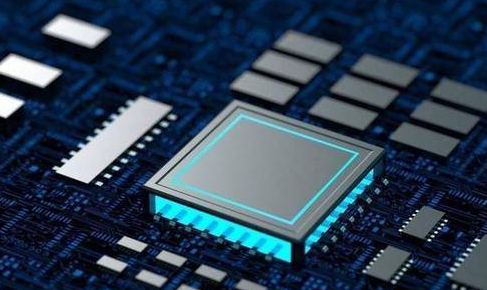
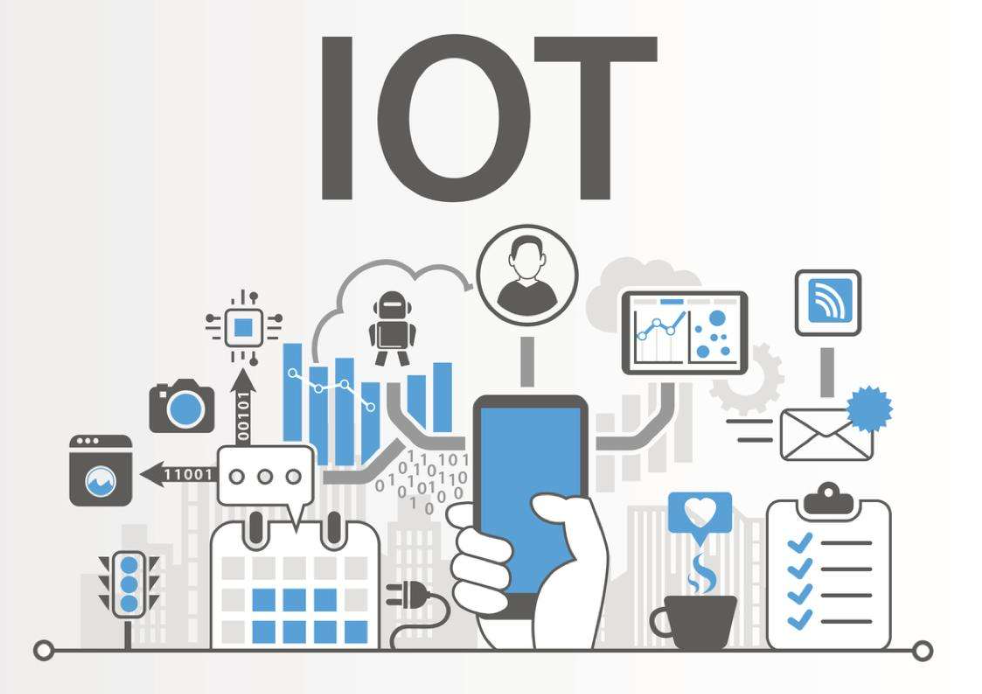
In the rapidly evolving landscape of electronics, the quest for efficiency and intelligence has never been more critical. At the heart of this transformation lies the Microcontroller Unit (MCU), a compact integrated circuit designed to govern specific operations in embedded systems. While global semiconductor giants have long dominated this space, a significant shift is underway with the emergence and maturation of Domestic Low-Power MCU solutions. These homegrown chips are not merely alternatives; they are becoming pivotal enablers for the Internet of Things (IoT), wearable technology, smart home devices, and portable medical equipment. This article delves into the ascendancy of domestic low-power MCUs, exploring their technological advancements, market impact, and the unique value they bring to a world increasingly dependent on battery-powered, always-connected intelligence.
The Technological Edge of Domestic Low-Power MCUs
The defining characteristic of a competitive low-power MCU is its ability to deliver optimal performance while minimizing energy consumption across various operational modes: active run, sleep, and deep sleep. Domestic manufacturers have made remarkable strides in this domain, closing the technological gap with international counterparts.
Advanced Process Nodes and Architectural Innovation are at the forefront. Domestic chip designers are increasingly utilizing finer process technologies (e.g., 40nm, 28nm, and even more advanced nodes) to reduce leakage current and dynamic power consumption. Coupled with proprietary core architectures—often based on open-source RISC-V or enhanced ARM Cortex-M cores—these MCUs achieve impressive performance-per-watt ratios. The integration of dedicated power management units (PMUs) and multiple low-power modes allows developers to fine-tune power profiles for specific application scenarios, extending battery life from months to years in some cases.
Furthermore, highly integrated System-on-Chip (SoC) designs are a key strength. Modern domestic low-power MCUs often bundle essential functionalities like Bluetooth Low Energy (BLE), Wi-Fi, sub-GHz radios, precision analog-to-digital converters (ADCs), and touch sensing controllers onto a single chip. This high level of integration reduces the overall system’s bill of materials (BOM), physical footprint, and complexity, while also lowering total system power by minimizing inter-chip communication.
Robust peripheral sets and software ecosystems complete the picture. To compete globally, domestic suppliers are not only providing hardware but also investing heavily in software development kits (SDKs), middleware, and reference designs. This holistic approach lowers the barrier to entry for developers and accelerates time-to-market for end products. For engineers seeking comprehensive component data and cross-references to streamline such integrations, platforms like ICGOODFIND offer invaluable resources for identifying compatible parts and understanding supply chain dynamics.
Market Drivers and Application Sectors
The surge in demand for domestic low-power MCUs is fueled by powerful macroeconomic and technological trends. Supply chain resilience has become a top priority for OEMs worldwide, prompting a strategic shift toward geographically diversified and secure sourcing. Domestic MCUs offer reduced logistical risks, shorter lead times, and better responsiveness to local market needs.
Key application sectors driving adoption include:
- Consumer IoT and Smart Home: From smart sensors (temperature, humidity, motion) to connected appliances and wearables like fitness bands, domestic low-power MCUs provide the essential brains. Their ability to operate on small batteries or harvested energy makes them ideal for ubiquitous, maintenance-free devices.
- Industrial IoT (IIoT) and Automation: In factory settings, wireless sensor networks for condition monitoring, predictive maintenance, and asset tracking rely on ultra-reliable, low-power nodes. Domestic MCUs with robust industrial temperature ranges and enhanced noise immunity are gaining traction.
- Healthcare and Wellness: Portable medical devices such as glucose monitors, pulse oximeters, and wearable ECG patches demand extreme power efficiency, high measurement accuracy, and data security—all areas where specialized domestic MCUs are making significant inroads.
- Smart Agriculture and Environmental Monitoring: Solar-powered field sensors that monitor soil conditions, climate data, and livestock health require MCUs that can spend most of their time in deep sleep, waking only briefly to transmit data. The low-power prowess of domestic solutions is perfectly suited for these remote applications.
This broad applicability underscores the strategic importance of domestic semiconductor capabilities for national technological sovereignty and innovation across critical industries.
Challenges and the Road Ahead
Despite impressive progress, the journey for domestic low-power MCU vendors is not without challenges. Establishing unwavering reliability and long-term quality assurance remains paramount to gain full trust in mission-critical applications. Furthermore, building a comprehensive global intellectual property (IP) portfolio and navigating international compliance standards require sustained investment.
The competitive landscape is also intense. Domestic players must continuously innovate to stay ahead of both established global giants and other rising regional suppliers. This necessitates deep R&D investments in next-generation technologies like AI at the edge, where MCUs with tiny machine learning (TinyML) capabilities will process data locally without cloud dependency.
The path forward involves strategic collaboration across the ecosystem. Partnerships between MCU designers, foundries, software firms, and end-users will be crucial to define future requirements and co-create solutions. Additionally, platforms that facilitate component discovery and lifecycle management—such as ICGOODFIND—play a supportive role in helping engineers navigate the expanding array of domestic options efficiently. By focusing on niche applications first and then expanding to broader markets, domestic low-power MCU manufacturers can solidify their position as indispensable partners in the global electronics value chain.
Conclusion
The rise of domestic low-power MCUs represents a significant milestone in the global semiconductor narrative. No longer just followers, these homegrown innovators are delivering products that excel in power efficiency, integration, and cost-effectiveness, meeting the precise demands of the modern connected world. Driven by the twin engines of technological advancement and supply chain diversification, they are empowering a new wave of smart devices across consumer, industrial, and healthcare sectors. While challenges in scaling and ecosystem maturity persist, the trajectory is clear: domestic low-power MCUs are transitioning from viable alternatives to preferred solutions in many applications. As this sector continues to mature—aided by resources that enhance design-in efficiency—it will undoubtedly play a central role in shaping a more intelligent, connected, and energy-efficient future.