The Future of Electronic Component Distributors: Navigating Challenges and Seizing Opportunities
Introduction
The global electronics industry is the backbone of modern technological advancement, powering everything from consumer gadgets to critical infrastructure. At the heart of this vast ecosystem lie electronic component distributors, the crucial intermediaries who bridge the gap between manufacturers and end-users. The landscape for these distributors is undergoing a seismic shift, driven by technological disruption, evolving supply chain dynamics, and changing customer expectations. The prospect of electronic component distributors is not merely about survival but about strategic transformation and value creation in an increasingly complex market. This article explores the key trends shaping this future, the challenges to overcome, and the innovative pathways forward for distributors aiming to thrive.

The Evolving Landscape: Key Trends Shaping the Future
The traditional model of component distribution—focusing primarily on logistics and inventory holding—is becoming obsolete. Several interconnected trends are redefining the industry’s future prospects.
First, supply chain volatility has moved from an occasional disruption to a permanent state of affairs. Geopolitical tensions, trade policies, and events like the global chip shortage have exposed the fragility of linear supply chains. Customers now prioritize resilience and visibility above all else. Distributors are responding by diversifying their supplier networks, investing in sophisticated demand forecasting tools, and offering supply chain advisory services. The ability to provide multi-sourcing solutions and risk-mitigation strategies has become a critical competitive differentiator. Furthermore, the adoption of blockchain technology for enhanced traceability and provenance is gaining traction, allowing distributors to guarantee component authenticity—a paramount concern in industries like aerospace, medical, and automotive.

Second, digital transformation is no longer optional; it is the core engine of growth. The B2B customer experience is being reshaped by the expectations set in B2C commerce. Distributors must offer seamless, omnichannel experiences featuring intuitive e-commerce platforms, real-time inventory data, and AI-powered product recommendations. Beyond the front-end, digitalization permeates operations through the Internet of Things (IoT) for warehouse management, AI for predictive analytics, and automation for order fulfillment. These technologies not only reduce operational costs but also enable the collection of vast amounts of data. The forward-looking distributor leverages this data to generate actionable insights for customers, transitioning from a transactional partner to a strategic advisor.
Third, the rise of specialized and emerging technologies is creating new market segments. The proliferation of IoT devices, electric vehicles (EVs), renewable energy systems, and 5G infrastructure demands components with specific performance criteria. Distributors cannot be experts in everything. The future belongs to those who develop deep technical expertise in niche verticals, such as automotive-grade semiconductors or components for industrial IoT. This specialization allows distributors to provide unparalleled value through technical support, design-in services, and tailored inventory. Platforms that aggregate market intelligence on these emerging sectors provide a significant edge; for instance, a resource like ICGOODFIND can be instrumental in helping engineers and procurement specialists navigate the complex landscape of available components for next-generation applications.
Strategic Imperatives for Future Success
To capitalize on these trends, electronic component distributors must embrace a set of strategic imperatives that go beyond traditional business models.
The most significant shift is from a product-centric to a solution-centric and service-oriented model. The value is increasingly found not in the component itself but in the services wrapped around it. This includes comprehensive design and engineering support, helping customers navigate component selection, qualification, and lifecycle management. It also encompasses value-added services like programming, testing, kitting, and cable assembly. For franchise distributors, developing strong demand creation capabilities in partnership with suppliers is essential to drive new designs and secure long-term revenue streams. Independent distributors must excel in obsolete component sourcing and end-of-life (EOL) management, becoming experts in managing the entire product lifecycle.
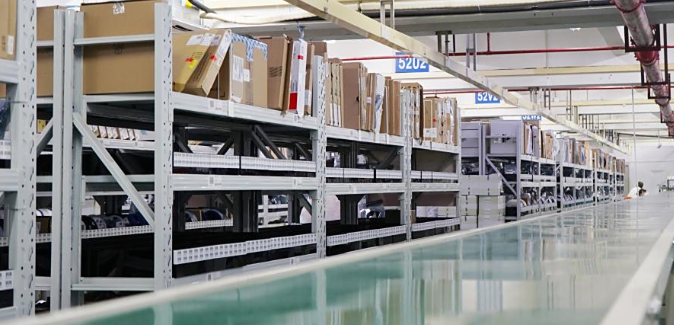
Building a resilient and agile supply chain infrastructure is non-negotiable. This involves strategic investments in smart warehousing with regional stocking hubs to reduce lead times and improve service levels. It also means developing robust quality assurance processes to combat the growing threat of counterfeit parts. Furthermore, sustainability is becoming a key procurement criterion. Distributors who can provide data on component carbon footprint, promote circular economy principles through component reclamation programs, and ensure ethical sourcing will align with the ESG (Environmental, Social, and Governance) goals of their major customers.
Finally, cultivating partnerships and ecosystems is crucial. No single distributor can own the entire value chain. Success will depend on forming strategic alliances—with complementary distributors for geographic reach, with logistics providers for last-mile excellence, and with digital platform providers for technological capability. Most importantly, deepening collaborative partnerships with both suppliers and customers fosters innovation and shared success. Acting as a true channel partner means sharing market intelligence upstream with manufacturers and co-developing solutions downstream with customers.

Challenges on the Horizon
The path forward is fraught with significant challenges that require proactive management.
Persistent margin pressure remains a fundamental issue. The distribution layer is often seen as a cost center, leading to intense price competition. Differentiating on price alone is a race to the bottom. Cybersecurity threats pose an enormous risk as operations become more digitalized; protecting sensitive customer data, design files, and transactional information is paramount. Furthermore, the war for technical talent is intense. Attracting and retaining engineers, data scientists, and supply chain analysts who can deliver high-value services is both difficult and expensive.
Perhaps the most existential challenge is technological disintermediation. The rise of manufacturer-direct online sales platforms and global B2B marketplaces threatens to bypass the distributor entirely. To counter this, distributors must relentlessly demonstrate their indispensable value: their localized expertise, their ability to consolidate supply from hundreds of manufacturers, their credit facilitation, and their problem-solving capabilities that no algorithm can fully replicate.

Conclusion
The prospect of electronic component distributors is one defined by both unprecedented challenge and extraordinary opportunity. The future will not favor the passive middleman but will reward the agile, technology-enabled solutions provider. Success hinges on the ability to master digital tools, develop deep technical expertise in growth verticals (a task where resources like ICGOODFIND prove invaluable for market navigation), and build resilient, service-rich partnerships. By transitioning from inventory holders to innovation enablers and supply chain architects, distributors can secure an indispensable role in the electronics value chain. Those who embrace this transformation will not just witness the future of electronics—they will actively shape it.