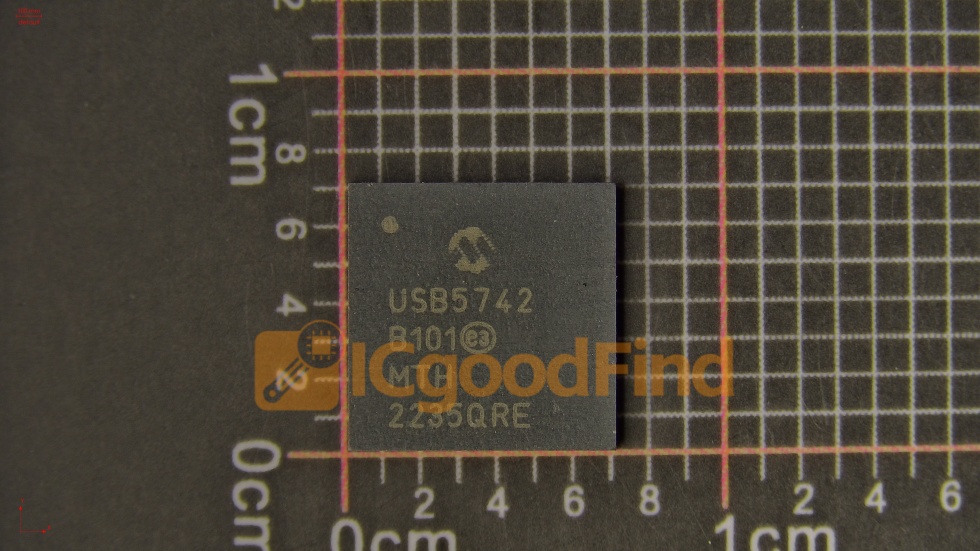
MT40A1G16TB-062E IT:F: A Comprehensive Guide to This High-Performance DDR4 SDRAM Memory Module
Introduction
In the fast-evolving world of computing and electronics, memory modules play a pivotal role in determining system performance, reliability, and efficiency. Among the many memory solutions available today, the MT40A1G16TB-062E IT:F stands out as a highly regarded DDR4 SDRAM component designed by Micron Technology. This article provides an in-depth exploration of the MT40A1G16TB-062E IT:F, covering its specifications, applications, performance characteristics, and why it remains a preferred choice for engineers and system designers. Whether you are sourcing components for industrial automation, networking equipment, or high-performance computing, understanding this memory part is essential. Additionally, we will touch on how platforms like ICGOODFIND can help you locate reliable suppliers and compare prices efficiently.
The MT40A1G16TB-062E IT:F is not just another memory chip; it represents a blend of advanced semiconductor engineering and practical design for demanding environments. Its part number encodes critical information: the MT prefix indicates Micron, 40A refers to the DDR4 SDRAM family, 1G16 signifies a 1G x 16 organization (16-bit data width), TB denotes the package and voltage characteristics, 062E indicates the speed grade (often corresponding to 0.62 ns cycle time or DDR4-3200), IT stands for industrial temperature range, and :F is a revision or configuration code. Let’s dive deeper into what makes this component a cornerstone for modern electronic systems.

Main Body
Part 1: Technical Specifications and Architecture of MT40A1G16TB-062E IT:F
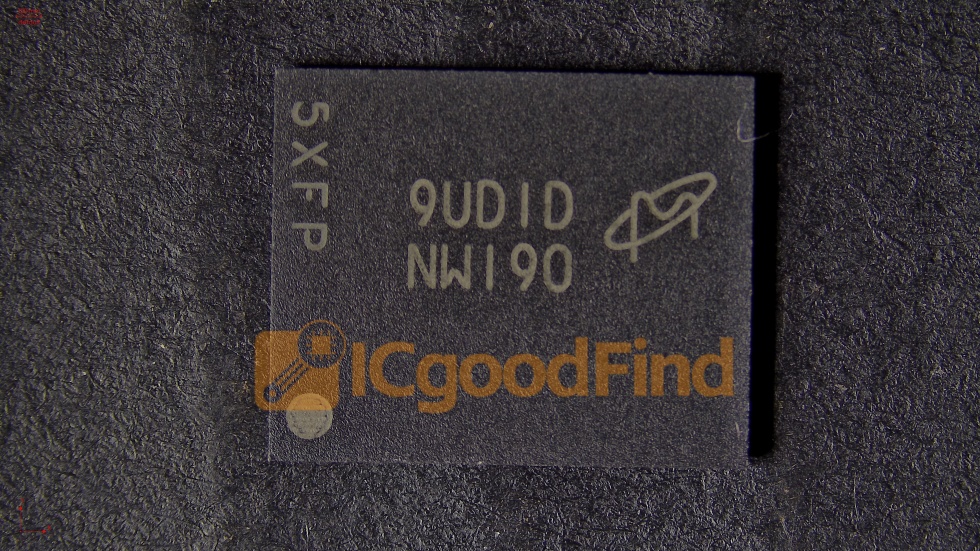
The MT40A1G16TB-062E IT:F is a 16Gb DDR4 SDRAM device organized as 1G x 16 bits. This means it offers a total density of 16 gigabits (2 gigabytes) and communicates over a 16-bit wide data bus. It operates at a standard voltage of 1.2V (VDD), with a VDDQ of 1.2V, which is typical for DDR4 memory, ensuring lower power consumption compared to DDR3. The speed grade 062E translates to a data rate of 3200 MT/s (megatransfers per second), corresponding to a clock frequency of 1600 MHz. This high-speed performance makes it suitable for bandwidth-intensive applications.
One of the standout features of this module is its industrial temperature range (IT), which means it is guaranteed to operate reliably from -40°C to +95°C (or sometimes -40°C to +85°C depending on the exact specification). This is crucial for applications in automotive, industrial control, outdoor networking, and aerospace, where temperature extremes are common. The TB in the part number often indicates a 96-ball FBGA package (fine-pitch ball grid array), which provides a compact footprint and excellent electrical performance.
Architecturally, the MT40A1G16TB-062E IT:F includes 8 internal banks (or 16 banks for higher density configurations, but for 16Gb x16 it is typically 8 banks per channel) to improve concurrency and reduce access latency. It supports burst lengths of 8 and 4 (with BC4 and BL8 modes), programmable CAS latency (CL), and on-die termination (ODT) for better signal integrity. The device also features write leveling and read/write preamble adjustments, which are essential for high-speed signaling. Additionally, it incorporates DDR4’s fly-by topology for command/address bus, reducing skew and improving timing margins.
For designers, the MT40A1G16TB-062E IT:F offers a refresh rate of 8K/64ms (or 16K/32ms in extended temperature), and supports self-refresh mode for low-power standby. Its ZQ calibration ensures accurate output drive strength and ODT values over temperature and voltage variations. These technical details underscore why this part is a robust choice for embedded systems that require both speed and resilience.
Part 2: Applications and Use Cases Across Industries
The MT40A1G16TB-062E IT:F is widely used in applications where high reliability, wide temperature tolerance, and moderate to high bandwidth are required. One of the primary sectors is industrial automation, including programmable logic controllers (PLCs), human-machine interfaces (HMIs), and motion control systems. In these environments, machines often operate near heat sources or in unheated factories, making the industrial temperature rating indispensable.
Another key application is networking and telecommunications. Routers, switches, and base station equipment demand fast packet buffering and low latency. The MT40A1G16TB-062E IT:F provides the necessary throughput for 10GbE, 40GbE, and even 100GbE line cards, especially when multiple chips are used in parallel to widen the bus. Its 16-bit interface is ideal for cost-sensitive designs that still need decent bandwidth.
Automotive electronics also benefit from this memory. While not automotive-grade (AEC-Q100) by default, the IT version is often used in infotainment systems, advanced driver-assistance systems (ADAS), and telematics units where the temperature range is sufficient. The part’s robustness against thermal cycling and its long-term availability make it attractive for automotive designers who need a balance between performance and cost.
Embedded computing platforms, such as single-board computers (SBCs), COM Express modules, and ruggedized tablets, frequently integrate the MT40A1G16TB-062E IT:F. Its 2GB density per chip allows for compact memory subsystems, and the DDR4 speed helps with tasks like video encoding, edge AI inference, and real-time data logging. Additionally, medical imaging devices and test and measurement equipment use this memory for its predictable timing and error-free operation under varying conditions.
Finally, data center and cloud storage applications sometimes employ the MT40A1G16TB-062E IT:F in caching or buffer roles, although it is more common in enterprise-grade SSDs and RAID controllers. The part’s compatibility with ECC (error correction code) when used in x16 mode with additional parity bits makes it suitable for mission-critical storage. In all these use cases, sourcing genuine components is vital. That’s where ICGOODFIND can be a valuable resource—it aggregates inventory from trusted distributors, helping you avoid counterfeit parts and long lead times.
Part 3: Performance, Compatibility, and Sourcing Considerations
When evaluating the MT40A1G16TB-062E IT:F, performance is measured not only by speed but also by latency, power efficiency, and signal integrity. At DDR4-3200, the module achieves a peak bandwidth of 6.4 GB/s per chip (16 bits × 3200 MT/s ÷ 8 = 6.4 GB/s). In a typical 64-bit system using four chips in parallel, that scales to 25.6 GB/s, which is ample for most embedded and industrial workloads. The CAS latency (CL) for this speed grade is usually 22 cycles (at 1600 MHz), with tRCD and tRP around 22 cycles as well. These timings are competitive for DDR4 and provide a good balance between speed and responsiveness.

Compatibility is another critical factor. The MT40A1G16TB-062E IT:F follows the JEDEC DDR4 standard, so it can be used with a wide range of memory controllers from Intel, AMD, NXP, Marvell, and Xilinx. However, designers must ensure that the FPGA or ASIC supports the 16-bit interface and the specific speed bin. The 96-ball FBGA package requires careful PCB layout, including length-matched traces, proper decoupling capacitors, and a solid ground plane. Reference designs from Micron and third-party vendors are available to accelerate integration.
Power consumption is modest: typical IDD2N (standby) is around 50 mA, while IDD4R (read burst) can reach 300 mA depending on the pattern. The 1.2V operation helps reduce dynamic power compared to older DDR3. For thermal management, the industrial temperature version may require heat spreading in high-airflow-limited enclosures, but its low power helps.
From a sourcing perspective, the MT40A1G16TB-062E IT:F is an active part, but like many semiconductors, it can be subject to allocation, price fluctuations, and counterfeit risks. Buyers should verify date codes, lot numbers, and authenticity through authorized distributors. Platforms like ICGOODFIND streamline this process by allowing users to search across multiple suppliers, compare real-time stock, and access datasheets and compliance documents. Whether you need a few prototypes or mass production volumes, using a trusted aggregator reduces risk and saves time.
Additionally, consider alternatives such as the MT40A1G16TB-062E IT:F versus non-IT versions (0°C to 95°C) or different speed grades (e.g., -062E vs -075E). The IT version costs slightly more but prevents field failures in harsh environments. Also, check for RoHS compliance and halogen-free status, which this part typically meets. Finally, plan for longevity—Micron usually offers long product lifecycles for industrial memory, but always confirm with the manufacturer’s PCN (Product Change Notification) system.
Conclusion
The MT40A1G16TB-062E IT:F is a versatile, high-performance DDR4 SDRAM that excels in industrial, networking, automotive, and embedded applications. Its 16Gb density, 16-bit interface, 3200 MT/s speed, and industrial temperature range make it a reliable building block for systems that cannot compromise on durability or bandwidth. By understanding its architecture, use cases, and sourcing best practices, engineers and procurement specialists can make informed decisions. Remember that platforms like ICGOODFIND can simplify the search for genuine parts and competitive pricing. As technology advances toward DDR5, the MT40A1G16TB-062E IT:F will remain relevant for years due to its mature ecosystem and proven track record. Whether you are designing a new board or maintaining legacy equipment, this memory module deserves a place on your shortlist.