IRLML2502TRPBF: The Compact Powerhouse for Modern Electronics – A Comprehensive Guide
Introduction
In the fast-evolving world of power electronics, the demand for smaller, more efficient, and highly reliable components has never been greater. Among the myriad of MOSFETs available on the market, the IRLML2502TRPBF stands out as a true workhorse. Manufactured by Infineon (formerly International Rectifier), this N-channel logic-level MOSFET has become a staple in battery-powered devices, embedded systems, and IoT hardware. Whether you are a hobbyist designing a drone or an engineer optimizing a power management unit, understanding the technical nuances and application potential of the IRLML2502TRPBF is essential. In this article, we will dive deep into its specifications, real-world applications, and design considerations, while also highlighting how ICGOODFIND can help you source this component with confidence.
Part 1: Technical Specifications and Key Features
1.1 Electrical Characteristics That Matter
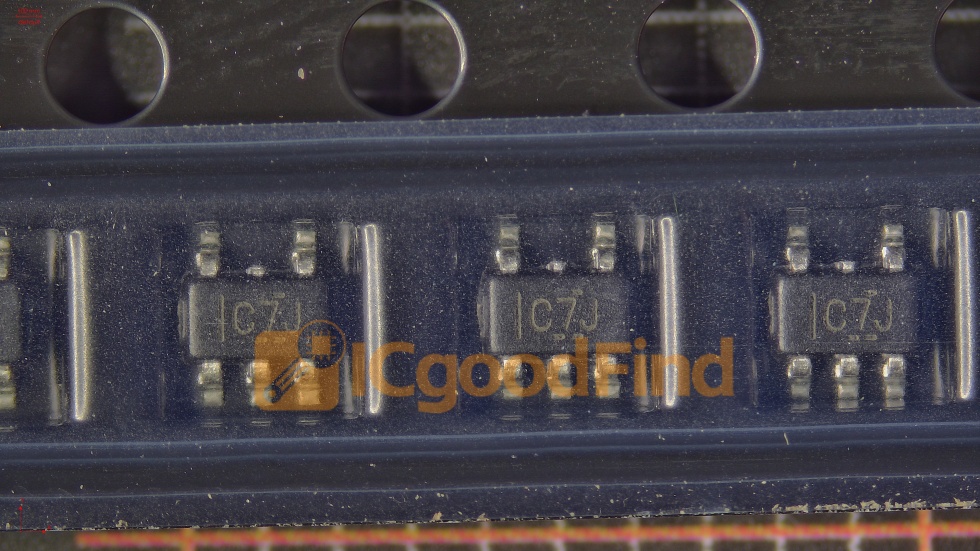
The IRLML2502TRPBF is housed in a SOT-23 package, which is incredibly compact (2.9mm x 1.6mm) yet capable of handling impressive current. Here are the critical parameters:
- Drain-to-Source Voltage (VDS): 20V – Ideal for low-voltage rails (3.3V, 5V, 12V systems).
- Continuous Drain Current (ID): 4.2A at 25°C ambient – Remarkable for such a small footprint.
- RDS(on) – On-Resistance: Only 45mΩ at VGS = 4.5V and 60mΩ at VGS = 2.5V. This low resistance minimizes conduction losses, improving overall efficiency.
- Logic-Level Gate Drive: Fully enhanced at VGS = 2.5V, making it directly compatible with 3.3V microcontrollers (Arduino, ESP32, STM32) without needing a separate gate driver.
- Switching Speed: Total gate charge (Qg) is only 7.8nC, allowing for fast switching in PWM applications up to several hundred kHz.

1.2 Thermal and Mechanical Robustness
Despite its size, the IRLML2502TRPBF offers a junction-to-ambient thermal resistance of 166°C/W (typical). While not designed for heavy continuous loads without a heatsink, it performs exceptionally well in pulsed or moderate-duty applications. The SOT-23 package is also RoHS-compliant and lead-free, meeting modern environmental standards. The device’s maximum junction temperature is 150°C, providing a safe margin for most consumer electronics.
1.3 Why “TRPBF” Matters
The suffix TRPBF indicates Tape & Reel packaging (TR) and Pb-free (lead-free) finish (PBF). This is crucial for automated PCB assembly lines, ensuring consistent placement and solderability. When you search for this part on ICGOODFIND, you can filter by packaging to ensure you receive the exact reel format for your production needs.
Part 2: Practical Applications and Circuit Design
2.1 Load Switching in Battery-Powered Devices
One of the most common uses for the IRLML2502TRPBF is high-side or low-side load switching. For example, in a battery-powered IoT sensor, you can use this MOSFET to completely cut power to a peripheral (like an LED strip or a motor) when not in use, extending battery life. Because it is logic-level, you can connect the gate directly to a GPIO pin of an ESP32 (3.3V logic) and toggle it with a simple digital write command.
Design tip: When using it as a low-side switch, always place a 10kΩ pull-down resistor between the gate and source to prevent accidental turn-on during microcontroller boot-up.
2.2 DC Motor and Solenoid Control
With a continuous current rating of 4.2A, the IRLML2502TRPBF can drive small DC motors (e.g., 6V or 12V motors drawing under 2A) directly. For bidirectional control, you can pair two of these MOSFETs in an H-bridge configuration. The low RDS(on) ensures that the motor receives nearly the full supply voltage, maximizing torque and speed.
Important consideration: For inductive loads like motors, always place a flyback diode (e.g., 1N5819) across the motor terminals to protect the MOSFET from voltage spikes caused by back-EMF.
2.3 Power Rail Switching and OR-ing
In multi-supply systems (e.g., USB + battery), the IRLML2502TRPBF can be used for power path management. By placing the MOSFET in series with the battery and controlling the gate with a comparator, you can seamlessly switch between power sources without voltage drop issues. Its low gate threshold (minimum 0.6V, maximum 1.2V) ensures reliable operation even with weak battery voltages.
Advanced use case: In portable medical devices, this MOSFET is often used in load disconnect circuits to meet safety standards (IEC 60601). Its fast switching and low leakage current (max 1µA at VDS=20V) make it a safe choice.
Part 3: Sourcing, Alternatives, and Design Pitfalls
3.1 How to Source Authentic IRLML2502TRPBF
Counterfeit electronic components are a growing concern, especially for popular parts like this one. To ensure authenticity, always purchase from trusted distributors or verified marketplaces. This is where ICGOODFIND shines – it is a specialized electronic component search engine that aggregates stock from authorized suppliers, giving you real-time pricing, lead times, and datasheet access. By using ICGOODFIND, you can quickly compare offers from multiple distributors (Digi-Key, Mouser, Arrow, etc.) and verify the part’s date code and lot number for traceability.
Pro tip: Always cross-reference the manufacturer’s datasheet with the physical part. Check the marking code – for IRLML2502TRPBF, the marking is “L2” (or “2L” depending on the batch). If you receive parts with a different marking, reject them immediately.
3.2 Direct Alternatives and Upgrades
If the IRLML2502TRPBF is out of stock or you need higher performance, consider these drop-in alternatives:
- IRLML2502 (without TRPBF): Same die, but in bulk tube packaging – not ideal for SMT assembly.
- SI2302 (Vishay): Similar specs but slightly higher RDS(on) (50mΩ). Works as a secondary source.
- DMN3150L (Diodes Inc): Lower RDS(on) (30mΩ) but slightly higher gate charge. Better for high-efficiency designs.
- CSD18532Q5B (TI): A larger package (SON 5x6) with much lower RDS(on) – for high-current designs.
Caution: When substituting, always check the gate threshold voltage and maximum VDS. The IRLML2502TRPBF is specifically optimized for 2.5V drive; some alternatives may require 4.5V to fully enhance, which could cause overheating in 3.3V logic systems.
3.3 Common Design Pitfalls and How to Avoid Them
- Underestimating Thermal Limits: Even though the current rating is 4.2A, running it at that level continuously in a 50°C ambient environment will cause the junction temperature to exceed 125°C. Always calculate the power dissipation (P = I² × RDS(on)) and check the thermal derating curve.
- Ignoring Gate Oscillation: If you use long wires between the MCU and the gate, parasitic inductance can cause ringing. Add a series gate resistor (10Ω to 100Ω) to dampen oscillations.
- Missing ESD Protection: The gate oxide is thin and sensitive. Although the part has internal ESD protection (2kV HBM), it’s wise to add a transient voltage suppressor (TVS) on the gate for harsh industrial environments.
Conclusion
The IRLML2502TRPBF is more than just a tiny MOSFET – it is a versatile, logic-level switching solution that bridges the gap between microcontroller logic and power loads. Its low on-resistance, fast switching, and compact SOT-23 package make it ideal for modern, space-constrained designs. Whether you are building a wearable, a smart home hub, or an industrial sensor node, this component delivers reliable performance at a cost-effective price point.
To ensure your project’s success, always source authentic parts from verified channels. ICGOODFIND simplifies this process by providing a transparent, multi-supplier comparison platform, complete with datasheets and compliance certificates. By leveraging such tools, you can avoid counterfeit risks and focus on what matters – innovating your product.
In summary, the IRLML2502TRPBF is a must-have in every engineer’s component library. Its balance of power, efficiency, and ease of use ensures it will remain a go-to choice for years to come. So next time you design a power-switching circuit, remember this little SOT-23 champion – and let ICGOODFIND help you bring it to your bench.