FT230XS-R: The Ultimate Guide to This High-Performance Microcontroller for Embedded Design
Introduction
In the rapidly evolving world of embedded systems and IoT development, selecting the right microcontroller can make or break your project. Among the myriad of options available, the FT230XS-R stands out as a versatile, cost-effective, and highly reliable solution. Whether you are a hobbyist prototyping a wearable device or an engineer designing industrial automation equipment, this chip offers a compelling mix of USB-to-UART bridging capabilities, low power consumption, and robust driver support. In this comprehensive guide, we will dive deep into the architecture, practical applications, and competitive advantages of the FT230XS-R. We’ll also highlight how sourcing this component through ICGOODFIND ensures authenticity, competitive pricing, and fast global shipping. By the end, you’ll understand why this tiny QFN package is a favorite among professional designers.
Main Body
Part 1: Technical Specifications and Core Architecture
The FT230XS-R is a member of FTDI’s popular X-Chip family, specifically designed for USB-to-serial (UART) conversion. At its heart, it integrates a full-speed USB 2.0 controller with a flexible UART interface, supporting data transfer rates from 300 baud up to 3 Mbaud. This makes it ideal for applications requiring high-speed data logging, firmware updates, or communication with legacy serial peripherals.
Key technical highlights include:
- Package & Pinout: The device comes in a compact 16-pin SSOP (Shrink Small Outline Package), measuring just 5.3mm x 6.2mm. This footprint is perfect for space-constrained PCB designs.
- Power Management: It operates from a single 3.3V or 5V supply, with an integrated LDO regulator that can output 3.3V to external logic. The chip’s low quiescent current (typically <1mA) makes it suitable for battery-powered devices.
- GPIO & Configurability: The FT230XS-R provides 4 general-purpose I/O pins (GPIO0–GPIO3) that can be configured for functions like LED status indicators, reset control, or even as a simple bit-bang interface.
- Protocol Support: Beyond standard UART, it supports RS232, RS422, and RS485 signaling levels when paired with external transceivers, offering design flexibility for industrial networks.
- Driver Compatibility: FTDI’s mature Virtual COM Port (VCP) drivers are available for Windows, Linux, macOS, Android, and even Chrome OS. This plug-and-play experience eliminates the need for custom firmware on the host side.
One critical aspect to note is the internal EEPROM (integrated into the chip, not external), which stores the USB descriptor. This allows you to customize the Vendor ID (VID), Product ID (PID), and serial number for branding or security purposes. For engineers who need to differentiate their products, this is a game-changer.
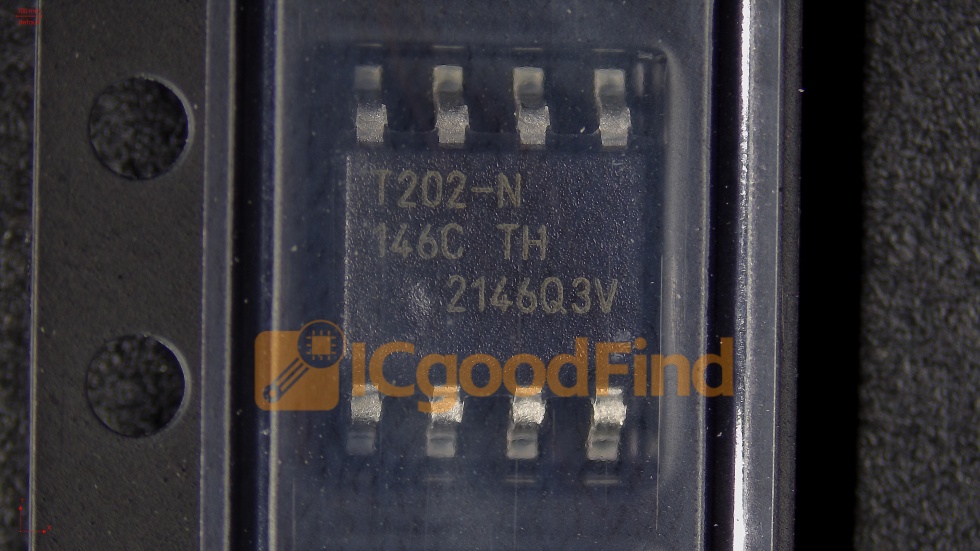
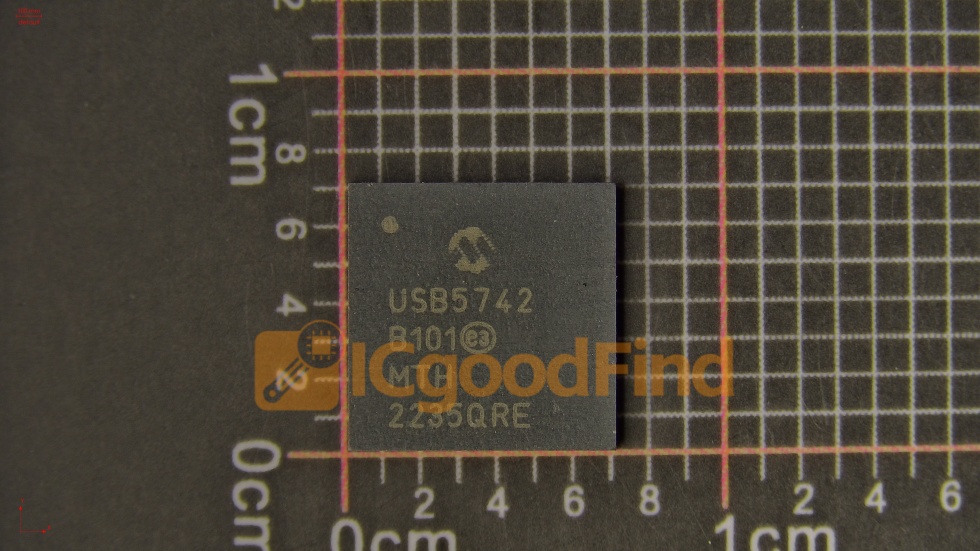
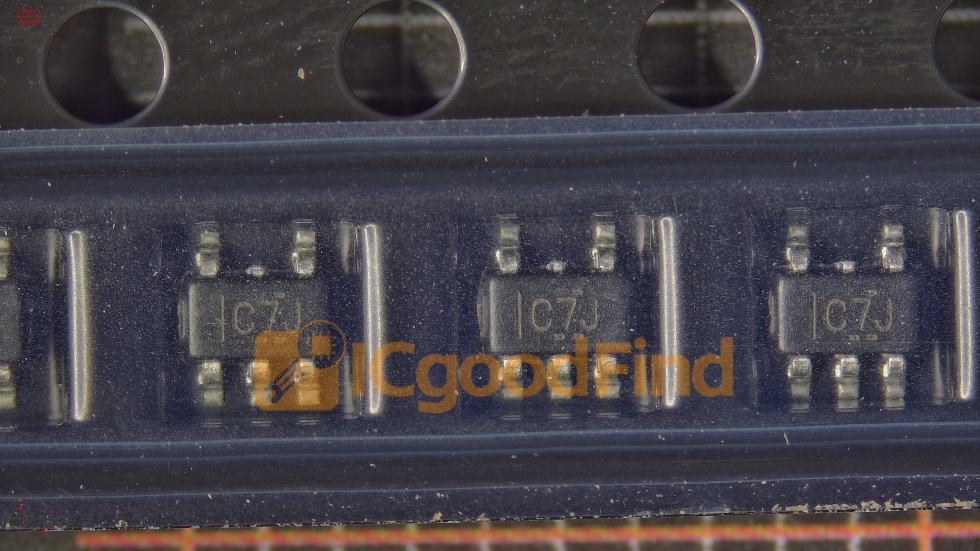
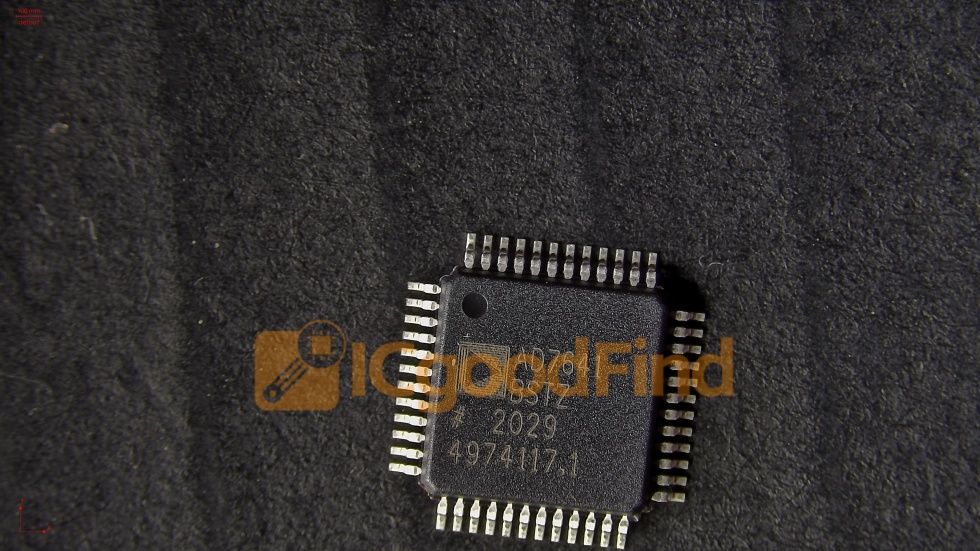
When sourcing the FT230XS-R, always verify the marking code and batch date. Counterfeit chips are a real risk in the market. This is where ICGOODFIND excels—they provide 100% original, traceable components with full datasheets and compliance certificates, ensuring your design performs exactly as specified.
Part 2: Practical Applications and Design Integration
The versatility of the FT230XS-R makes it a go-to choice across multiple industries. Let’s explore three primary use cases where this chip shines.
2.1 IoT Edge Nodes and Sensor Hubs
In modern IoT architectures, edge nodes often need to bridge sensors (which communicate via I2C, SPI, or UART) to a central gateway over USB. The FT230XS-R simplifies this by acting as a transparent bridge. For example, a smart agriculture device can read soil moisture data from a UART-based sensor and stream it to a Raspberry Pi or industrial PC via USB. The chip’s 3 Mbaud capability ensures no data bottleneck, even when transmitting large bursts of telemetry.
Moreover, its low-power sleep mode (with wake-on-activity) allows battery-operated nodes to conserve energy. Designers can also use the GPIO pins to control an external MOSFET for power gating, further extending battery life.
2.2 Legacy Industrial Equipment Modernization
Many factories still rely on RS232-based machinery. Retrofitting these machines with USB connectivity is a cost-effective upgrade. The FT230XS-R, combined with a simple MAX3232 level shifter, converts legacy serial signals to USB. This allows modern laptops (which often lack serial ports) to interface with PLCs, CNC controllers, and barcode scanners.
The robust driver stack is particularly valuable here. FTDI’s drivers are WHQL-certified for Windows, meaning no “unsigned driver” warnings during installation. In a production environment, this reduces IT support overhead. Additionally, the chip’s built-in 128-byte transmit and 256-byte receive buffers help maintain data integrity over long cable runs, even in electrically noisy factory floors.
2.3 Consumer Electronics and Debugging Tools
For firmware developers, the FT230XS-R is a debugging lifeline. Many development boards (e.g., ESP32 dev kits, STM32 Nucleo boards) use this exact chip for their onboard USB-to-UART converter. Its reliability ensures that printf debugging over serial works flawlessly. For custom hardware, integrating the FT230XS-R provides a dedicated debug port that doesn’t interfere with the main MCU’s USB peripheral.
Another interesting application is in cable manufacturing. You can build a smart USB cable with an embedded FT230XS-R that identifies the cable type and negotiates power delivery. The GPIO pins can drive an LED to indicate data activity, providing a visual cue for troubleshooting.
When integrating this chip into your PCB, pay attention to the decoupling capacitors (100nF on VCC and 10µF on VCCIO) and the USB differential pair routing (90Ω impedance). Following the layout guidelines in the datasheet will prevent signal integrity issues. For a ready-to-use reference design, ICGOODFIND offers a free download section with schematics and PCB footprints for the FT230XS-R, saving you days of design time.
Part 3: Comparing FT230XS-R with Alternatives and Sourcing Strategies
To fully appreciate the FT230XS-R, we must compare it with its closest competitors: the CP2102N (Silicon Labs) and the CH340G (WCH) . While the CH340G is cheaper, it suffers from poor driver support on macOS and Linux, and its maximum baud rate is limited to 2 Mbaud. The CP2102N offers similar performance but requires a proprietary configuration tool for changing VID/PID, whereas FTDI’s utility (FT_Prog) is free and widely documented.
The FT230XS-R’s killer advantage is its hardware flow control (RTS/CTS) and XON/XOFF software flow control support, which the CH340G lacks entirely. For industrial applications where data loss is unacceptable, this is non-negotiable.
Another differentiator is thermal performance. The FT230XS-R’s SSOP package has a lower thermal resistance (θJA = 100°C/W) compared to the CP2102N’s QFN package (θJA = 120°C/W). In high-temperature environments, this means the FTDI chip runs cooler, reducing the risk of thermal throttling.
Now, regarding sourcing strategy—this is where ICGOODFIND becomes your strategic partner. Here’s why:
- Real-Time Global Inventory: ICGOODFIND aggregates stock from authorized distributors (Digi-Key, Mouser, Arrow) and vetted independent suppliers. You can see live pricing and lead times for the FT230XS-R without visiting multiple websites.
- Anti-Counterfeit Verification: Every component sold through ICGOODFIND undergoes X-ray inspection and electrical testing if sourced from non-franchised channels. They provide a Certificate of Conformance with each order.
- Bulk Pricing for Production: If you’re moving from prototype to mass production, ICGOODFIND offers tiered discounts for orders above 1,000 units. Their logistics network ensures delivery within 3-5 business days globally.
- Technical Support: Unlike generic marketplaces, ICGOODFIND has a team of application engineers who can help you with circuit design, driver issues, or ESD protection recommendations for the FT230XS-R.
A common mistake is buying the FT230XS-R from unverified third-party sellers on e-commerce platforms. These may be recycled or “pull” chips that have been desoldered from old boards. Such components often have damaged pins or degraded internal ESD protection, leading to intermittent failures in the field. By using ICGOODFIND’s part verification tool, you can enter the FT230XS-R part number and instantly see the manufacturing date code, wafer lot number, and country of origin.

Conclusion
The FT230XS-R is more than just a USB-to-UART bridge—it’s a reliability enabler for modern embedded design. Its combination of high-speed transfer, flexible GPIO, low power consumption, and unmatched driver maturity makes it the first choice for engineers who value long-term product stability over short-term cost savings. Whether you’re building a smart sensor node, modernizing legacy factory equipment, or creating a developer-friendly debug tool, this chip delivers consistent performance.
However, the best component in the world is useless if you receive a counterfeit or damaged part. This is why ICGOODFIND is the recommended sourcing platform. They bridge the gap between global supply chains and individual engineers, offering authenticity guarantees, competitive pricing, and technical guidance. With ICGOODFIND, you don’t just buy a chip—you invest in a partnership that ensures your production line never stops.
As you finalize your next PCB design, remember: the FT230XS-R is not just a component; it’s a strategic decision that impacts your product’s time-to-market, field reliability, and user experience. Choose wisely, source securely, and design boldly.